Quick Facts
- 2026 Outlook: The Swiss tourism sector continues to shatter records, with the hotel industry reaching a historic high of 18.7 million overnight stays during the 2025–2026 winter season alone.
- Economic Success: Total overnight stays in the country hit a record 43.9 million in 2025, representing a 2.6% increase compared to the previous peak.
- Regional Hubs: Planning should account for high demand in Canton Zurich, Bern, and Graubünden, which together account for over 18.5 million annual visitors.
- Transport Advantage: The Swiss Travel Pass offers the highest ROI for a Switzerland travel itinerary 2026, granting access to trains, buses, boats, and free entry to over 500 museums.
- New Requirements: Travelers from the US and other non-EU countries must prepare for the mandatory ETIAS travel authorization starting in late 2026.
- Must-Do Experience: Ride the world's steepest funicular in Stoos for a 110% gradient ascent that remains a marvel of Swiss engineering.
Planning your 2026 adventure? Switzerland remains a top global destination, with record-breaking travel stats and breathtaking scenery. Whether you are looking for the best places to visit in Switzerland for first timers or a deep dive into the Swiss Alps, this guide covers the 20 essential spots for your next trip. First-time visitors should prioritize Lucerne for its iconic Chapel Bridge and proximity to Mount Pilatus, alongside Interlaken, which serves as a central hub for the Bernese Oberland mountains. Zermatt offers a classic car-free alpine experience with direct views of the Matterhorn, while Zurich and Geneva provide major international connections and a mix of historic architecture and high-end shopping.
Iconic Entry Hubs: Lucerne and Zurich
Entering Switzerland typically begins with its most sophisticated urban centers. Zurich is much more than a financial capital; it is a city of high-end shopping and preserved history. The Altstadt (Old Town) features narrow cobblestone streets and medieval architecture that stands in contrast to the ultra-modern luxury watchmaking boutiques on Bahnhofstrasse. For those arriving internationally, Zurich offers the most efficient rail connections to the rest of the country.
1. Zurich
Logistics at a Glance
- Distance from Hub: N/A (Main Hub)
- Best For: Luxury shopping, museums, transit connections
- Car-Free status: Extensive car-free pedestrian zones in the Old Town
2. Lucerne
Moving toward central Switzerland, Lucerne is often cited as the most beautiful city in the country. The iconic Chapel Bridge, a 14th-century wooden bridge, is the centerpiece of a town that balances lakeside leisure with mountain access. Practical tips for visiting Zurich and Geneva in 2026 usually suggest using Lucerne as a secondary base because of its proximity to Lake Lucerne and several legendary peaks.
3. Mount Pilatus
Known for having the world's steepest cogwheel railway, Mount Pilatus is one of the top mountain peaks near Lucerne for panoramic views. Visitors can ascend via the cogwheel train and descend via aerial cableways, a journey often referred to as the Golden Round Trip.
4. Mount Rigi
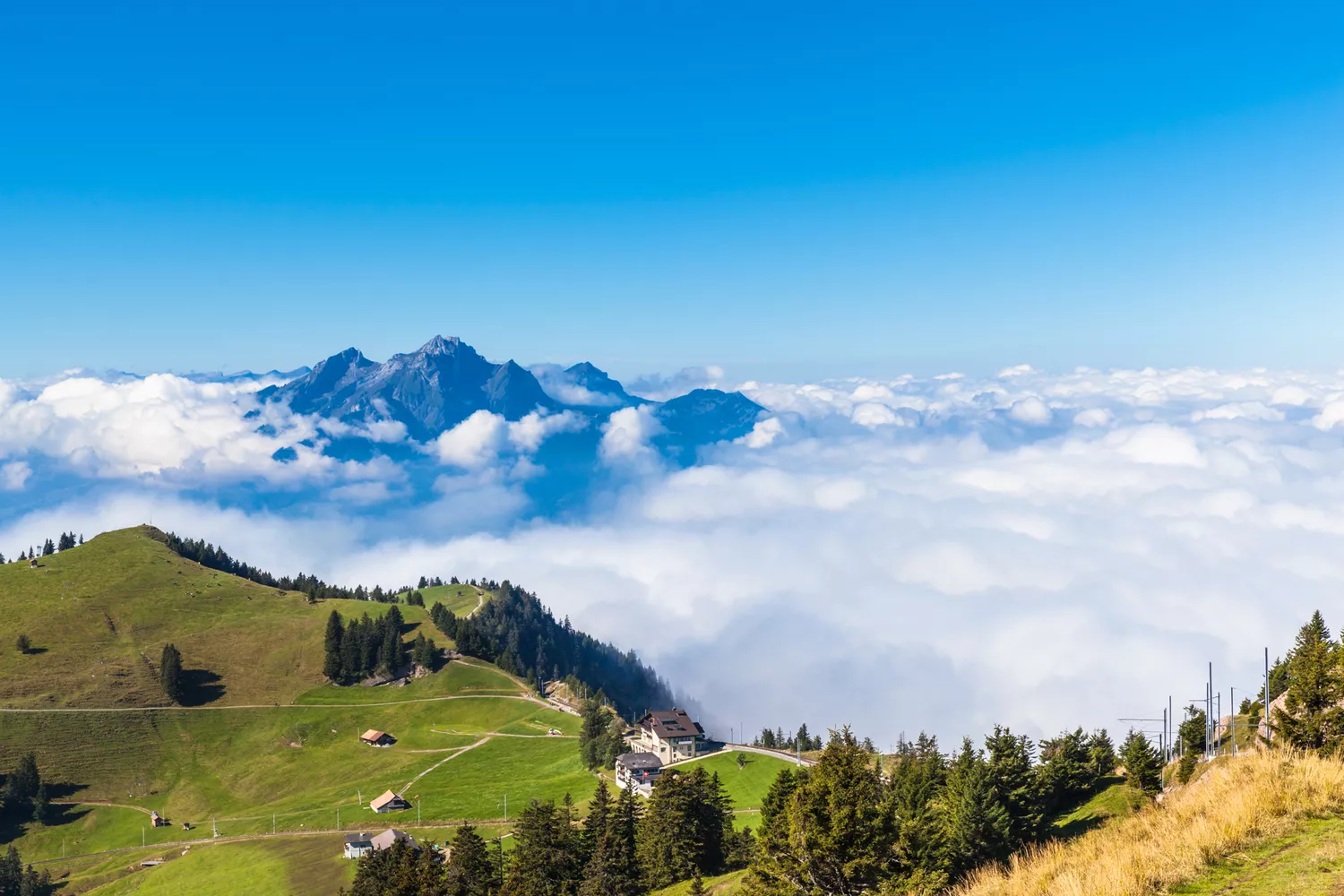
If Mount Pilatus is the rugged guardian of Lucerne, Mount Rigi is the Queen of the Mountains. It is accessible via the oldest cogwheel trains in Europe. Because Mount Rigi is fully covered by the Swiss Travel Pass, it is one of the top Swiss destinations to visit for those traveling on a structured budget.
Traveling Between Hubs: 2026 Time Matrix
| Departure | Arrival | Duration | Frequency |
|---|---|---|---|
| Zurich | Lucerne | 1h 15m | Every 30 mins |
| Zurich | Bern | 1h 00m | Every 30 mins |
| Lucerne | Interlaken | 1h 50m | Every 60 mins |
| Zurich | Geneva | 2h 45m | Every 30 mins |
The Adventure Gateway: Interlaken and Bernese Oberland
If your goal is to immerse yourself in the Swiss Alps, there is no better staging ground than Interlaken. Situated between Lake Thun and Lake Brienz, it is the adventure capital of Europe. From here, the terrain rises into the Bernese Oberland, a region characterized by sheer limestone cliffs and hanging valleys.
5. Interlaken: The Adventure Basecamp
Logistics at a Glance
- Distance from Hub: 2 hours from Zurich
- Best For: Paragliding, lake cruises, mountain biking
- Car-Free status: No
Interlaken offers some of the best adventure activities in Interlaken and Bernese Oberland, including tandem paragliding flights that provide a bird's-eye view of the surrounding peaks.
6. Lauterbrunnen: The Valley of 72 Waterfalls
A short train ride from Interlaken brings you to Lauterbrunnen. The valley floor is flanked by vertical rock walls from which dozens of waterfalls spill, including the famous Staubbach Falls. It is a vital stop for any Switzerland travel itinerary 2026.
7. Mürren
Perched on a cliff high above Lauterbrunnen, Mürren is one of the most beautiful car-free villages in the Swiss Alps. To reach it, you must take a cable car and a small mountain train. It offers a quiet, traditional atmosphere where the only sounds are the occasional cowbells in the distance.
8. Wengen
Facing Mürren across the valley is Wengen, another car-free gem. Wengen is famous for hosting the Lauberhorn ski races and offers direct access to the Jungfrau region’s extensive hiking and skiing networks.
9. Grindelwald
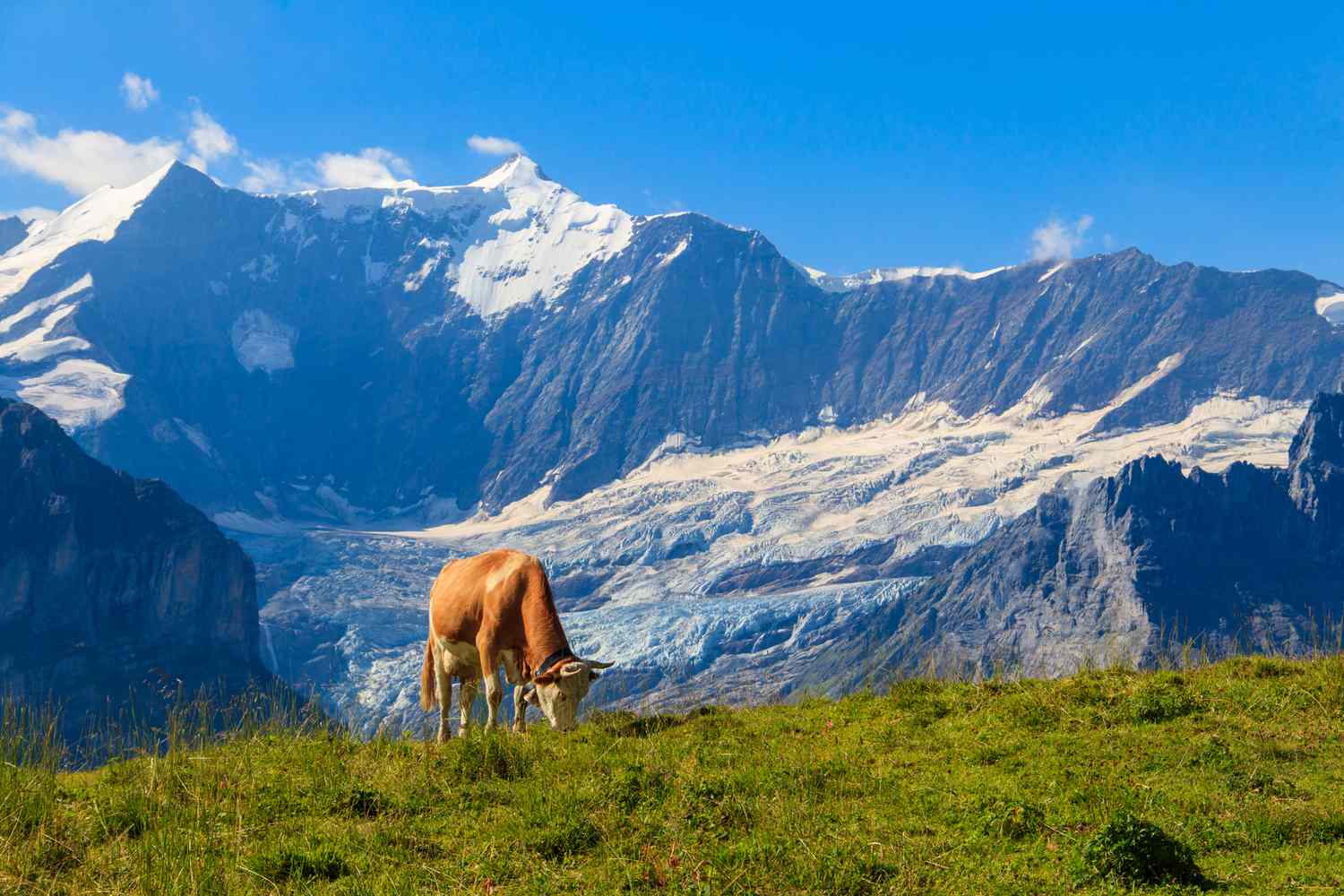
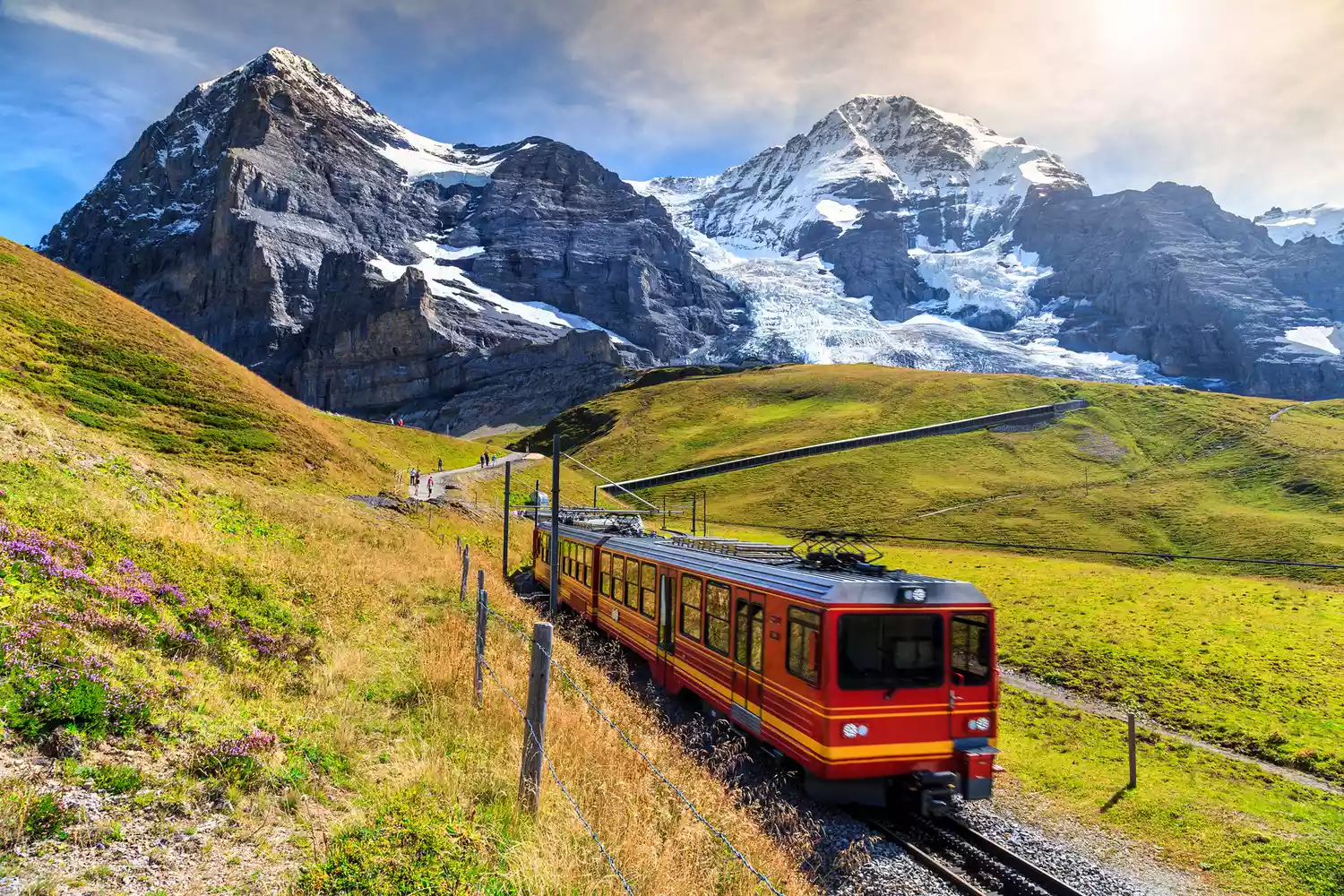
Known as the Eiger Village, Grindelwald sits at the foot of the notorious Eiger North Face. It is more bustling than Mürren or Wengen and offers the First Cliff Walk, a metal walkway that clings to the side of the mountain.
10. Jungfraujoch: Top of Europe
No trip to this region is complete without visiting Jungfraujoch, the highest railway station in Europe. Located at 3,454 meters, it offers a year-round snowy landscape and views of the Aletsch Glacier, the largest in the Alps.
High Altitude Icons: Zermatt and the Valais Region
Zermatt is the quintessential mountain destination, largely due to its proximity to the Matterhorn. As a car-free village, it has managed to preserve its historic charm while offering some of the best high-altitude experiences in the world.
11. Zermatt
Logistics at a Glance
- Distance from Hub: 3.5 hours from Zurich
- Best For: Matterhorn views, fine dining, luxury stays
- Car-Free status: Yes (electric taxis only)
Zermatt is the focal point of many a Switzerland travel itinerary 10 days 2026 because it combines world-class skiing with an incredibly walkable town center. The lack of combustion engines keeps the air crisp and the atmosphere peaceful.
12. The Glacier Express
Zermatt serves as the terminus for the Glacier Express, frequently cited in any scenic train routes in Switzerland planning guide. This "slowest express train in the world" connects Zermatt to St. Moritz, crossing 291 bridges and 91 tunnels over eight hours of breathtaking scenery.
13. Gornergrat
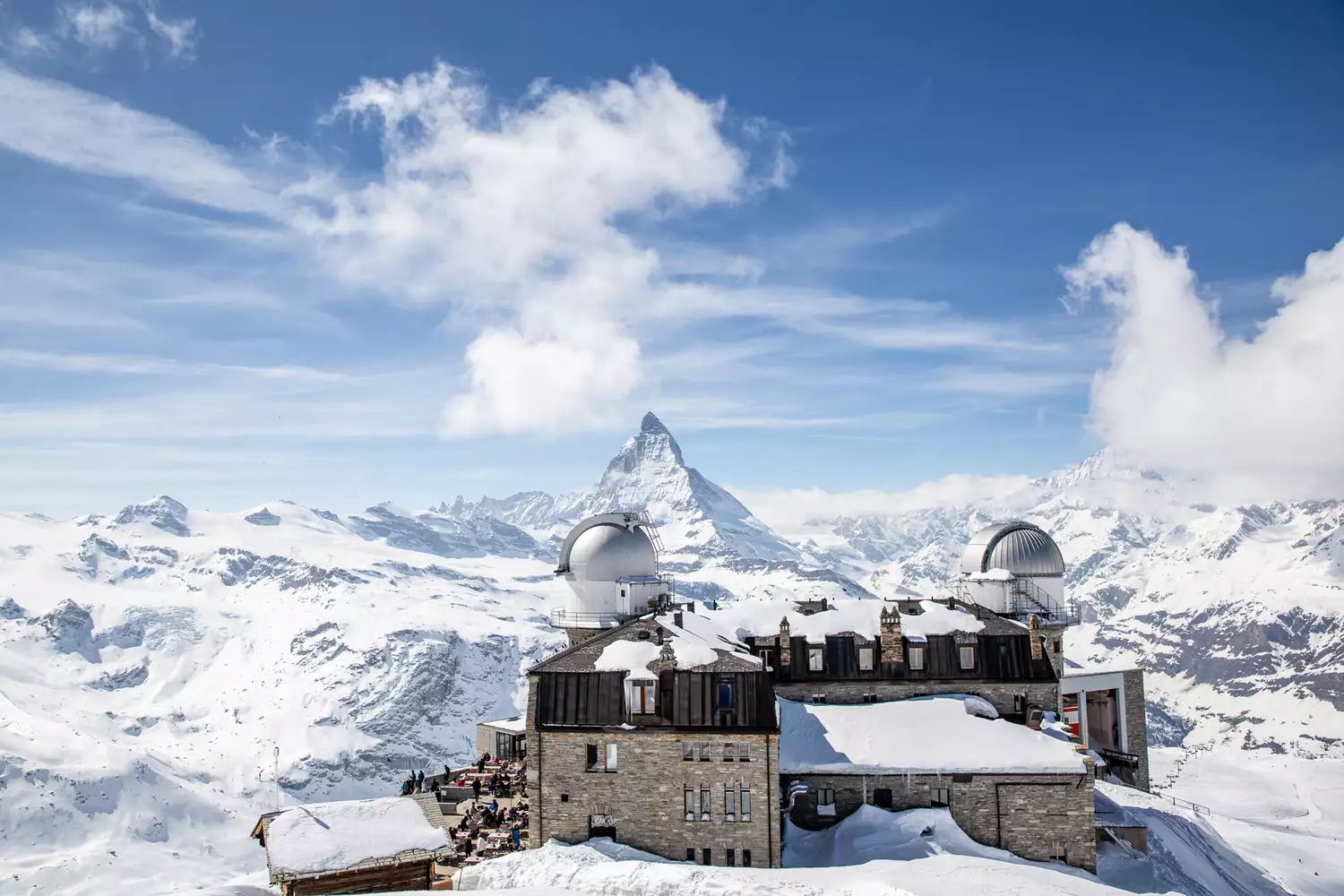
For the best view of the Matterhorn, take the Gornergrat Bahn. This open-air cogwheel railway climbs to a height of 3,089 meters, providing a 360-degree panorama of 29 peaks that exceed 4,000 meters.
14. Bettmeralp and the Aletsch Glacier
Further down the Valais valley lies Bettmeralp, another car-free village that provides perhaps the best vantage points for the Aletsch Glacier. It is less crowded than Zermatt and offers a more intimate look at the region’s glacial landscapes.
Hidden Gems and UNESCO Treasures
While the peaks draw the most attention, Switzerland’s cultural and geographical diversity is best found in its UNESCO World Heritage sites and lesser-known villages.
15. Stoos and the Steepest Funicular
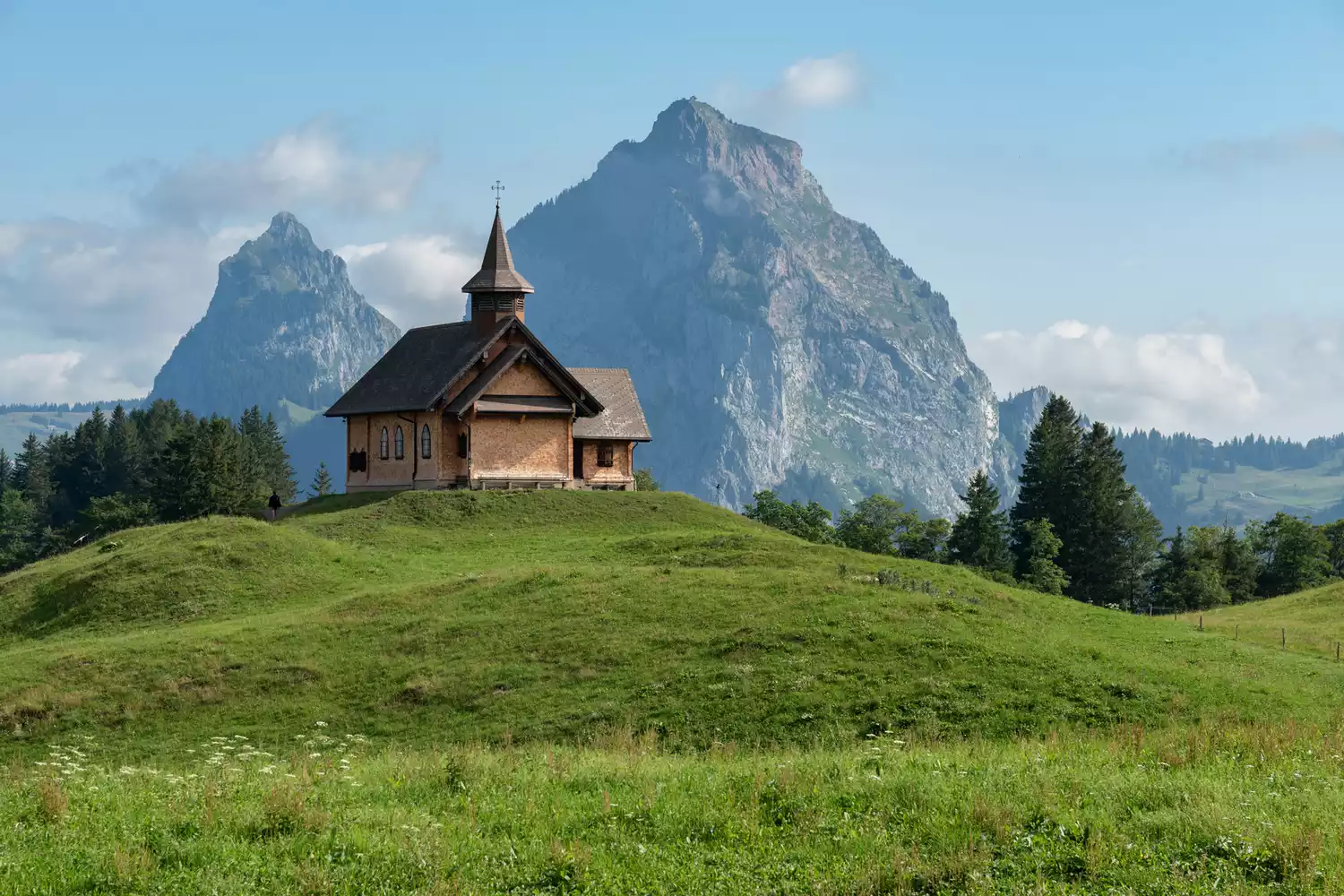
Stoos is a mountain village that gained international fame for its funicular railway. It is a technical masterpiece with rotating cabins that allow passengers to remain level while the train climbs at a staggering 110% gradient.
16. Bern: The Medieval Capital
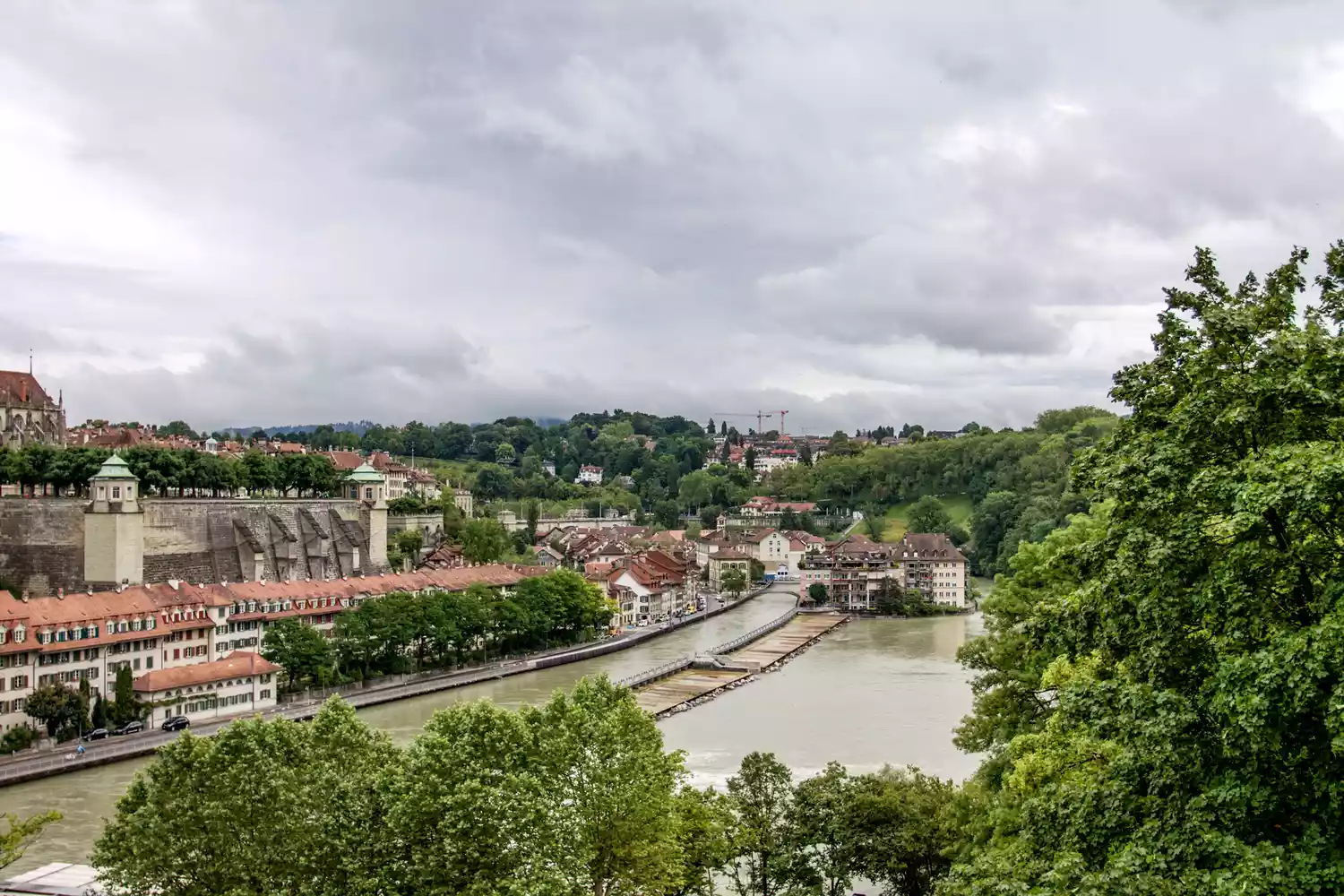
Bern is one of the most beautiful villages in Switzerland—or rather, cities that feel like villages. Its Medieval Old Town is a UNESCO World Heritage site featuring six kilometers of arcade-covered walkways and the Zytglogge (Clock Tower).
17. Lavaux Vineyard Terraces
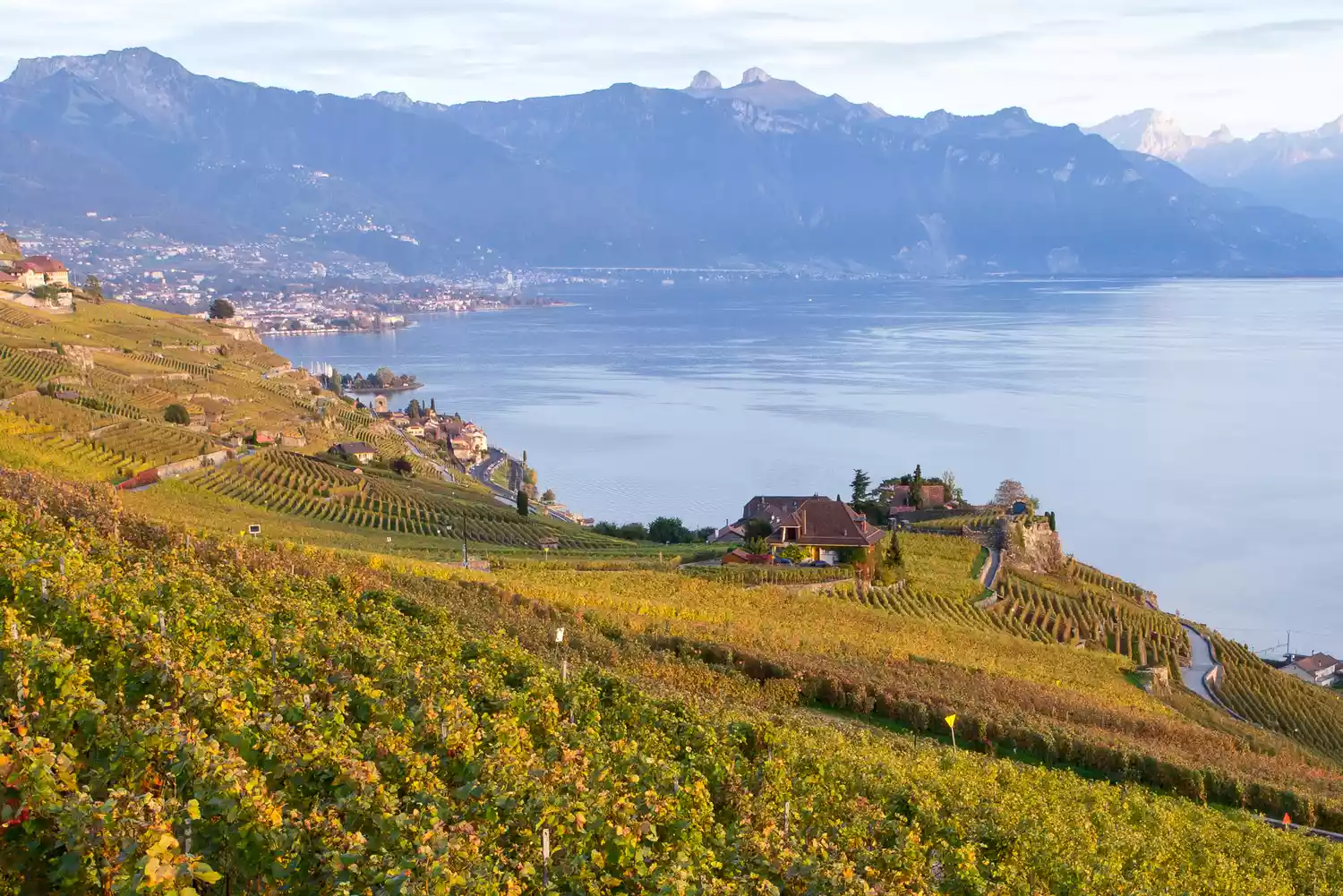
In the French-speaking region bordering Lake Geneva, the Lavaux Vineyard Terraces are a must-see. These vineyards date back to the 11th century and are one of the must-see UNESCO World Heritage sites in Switzerland. The contrast between the emerald vines and the sapphire water of Lake Geneva is unparalleled.
18. Appenzell
For those seeking sustainable tourism and authentic Swiss culture, Appenzell is the place. It is known for its brightly painted wooden houses, traditional cheese-making, and folk music. It feels far removed from the tourist-heavy trails of the Bernese Oberland.
19. Lugano and Bellinzona
The Ticino region offers a Mediterranean feel with palm trees and Italian-speaking locals. Lugano is a chic lakeside city, while nearby Bellinzona is home to three stunning medieval castles that are also listed as UNESCO heritage sites.
20. Swiss National Park
Located in the Engadine valley, the Swiss National Park is the only national park in Switzerland. It is a strictly protected wilderness area where visitors can spot ibex, chamois, and marmots amidst pristine Alpine meadows.
2026 Logistics: ETIAS, Budgets, and Infrastructure
Traveling to Switzerland in 2026 requires more than just a plane ticket. The introduction of the ETIAS (European Travel Information and Authorisation System) means that US, UK, and Canadian citizens will need to apply for authorization before they fly. This process is expected to be quick and digital, but it is an essential step to avoid issues at the border.
Financially, Switzerland remains a premium destination. For a 10-day trip using mid-range hotels and a Swiss Travel Pass, travelers should budget between $4,000 and $8,000 per couple, excluding international flights. Using the rail system is not just a matter of convenience; it is a point of national pride. The Swiss Travel Pass covers almost all transport costs, and for 2026, it remains the most effective way to manage a budget while exploring the diverse best places to visit in Switzerland.
The infrastructure is increasingly focused on sustainable tourism. Many high-altitude villages are transitionining to fully electric or hydrogen-powered transport, and the national rail network continues to be powered by 90% hydroelectric sources. By choosing the train over a rental car, you are participating in a travel philosophy that prioritizes the preservation of the landscape you've come to admire.
FAQ
What is the most beautiful part of Switzerland?
While beauty is subjective, the Bernese Oberland is widely considered the most picturesque region due to the concentration of 4,000-meter peaks, lush valleys like Lauterbrunnen, and turquoise lakes. It provides the classic Alpine image that most visitors seek.
How many days are enough for a trip to Switzerland?
For a comprehensive experience, 10 to 12 days are recommended. This allows you to explore the major hubs of Zurich and Lucerne, spend several days in the mountains of the Bernese Oberland or Zermatt, and visit a French or Italian-speaking region for cultural variety.
What is the best month to visit Switzerland?
September is often the best month, offering a perfect balance of stable, mild weather and fewer crowds than the peak summer months of July and August. For winter sports, late January to early March provides the most reliable snow conditions.
Is Switzerland expensive for tourists?
Switzerland is among the most expensive countries in Europe for tourists. However, costs can be managed by using the Swiss Travel Pass, booking mountain huts or apartments with kitchens to avoid high restaurant prices, and drinking the high-quality free water available at thousands of fountains.
Do I need a car to travel around Switzerland?
No, a car is generally more of a hindrance than a help. Switzerland has the world's most dense and reliable public transport system. Many of the most popular destinations, including Zermatt, Mürren, and Wengen, are completely car-free and inaccessible by private vehicle.
What is the most scenic train route in Switzerland?
The Glacier Express is the most iconic scenic route, connecting Zermatt and St. Moritz. However, the Bernina Express, which runs from Chur to Tirano, Italy, is equally stunning and features the UNESCO-listed Landwasser Viaduct and high mountain passes.