Quick Facts
- 2026 Update: To enter the Trevi Fountain basin area, travelers must now pay a two-euro fee and book a timed entry slot.
- Top Landmark: The Colosseum remains Italy's crown jewel, attracting approximately 14.7 million ticket holders in 2024.
- Museum Logistics: The Vatican Museums saw 6.76 million visitors in 2023; reservations are mandatory weeks in advance.
- New Openings: The Sacred Area of Largo Argentina and the Commodus Passage in the Roman Forum are now fully accessible to the public.
- Crowd Strategy: Visit major icons between 7:00 AM and 9:00 AM or opt for exclusive after-hours tours.
- Best Hidden Gem: Palazzo Altemps offers a tranquil alternative to the Vatican for world-class ancient Roman sculptures.
- Traveler Vital: Rome set a tourism record in 2024 with 22.2 million visitor arrivals, making pre-planned logistics essential for 2026.
The best things to do in Rome involve a delicate balance between witnessing the majesty of the Colosseum and uncovering the quietude of the Orange Garden on Aventine Hill. For a complete 2026 experience, prioritize exploring Imperial Roman history at the newly opened Commodus Passage, toss a coin into the Trevi Fountain under the new reservation system, and indulge in authentic food culture at the Testaccio Market.
I. The Big Three: Icons of Imperial and Christian Rome
To step into the Eternal City is to step into a living museum where the air is thick with the scent of roasted coffee and the weight of two millennia. When planning a Rome 3 day itinerary for first time visitors, the focus inevitably gravitates toward the massive limestone arches of the Colosseum. In 2024, this amphitheater welcomed nearly 15 million people, and for 2026, the experience has become even more layered. Beyond the arena floor, you can now journey through the underground hypogeum or walk the recently restored Commodus Passage, a secret tunnel once used by emperors that offers a chillingly intimate look at the private lives of Rome’s most infamous rulers.
Adjacent to the Colosseum, the Roman Forum and Palatine Hill serve as the heart of Imperial Roman history. Walking these sun-bleached stones, where Cicero once spoke and Caesar fell, requires more than just a ticket; it requires an imagination. We recommend beginning your day at the Forum at sunrise to watch the honey-hued light catch the Temple of Saturn before the mid-morning heat and crowds arrive.
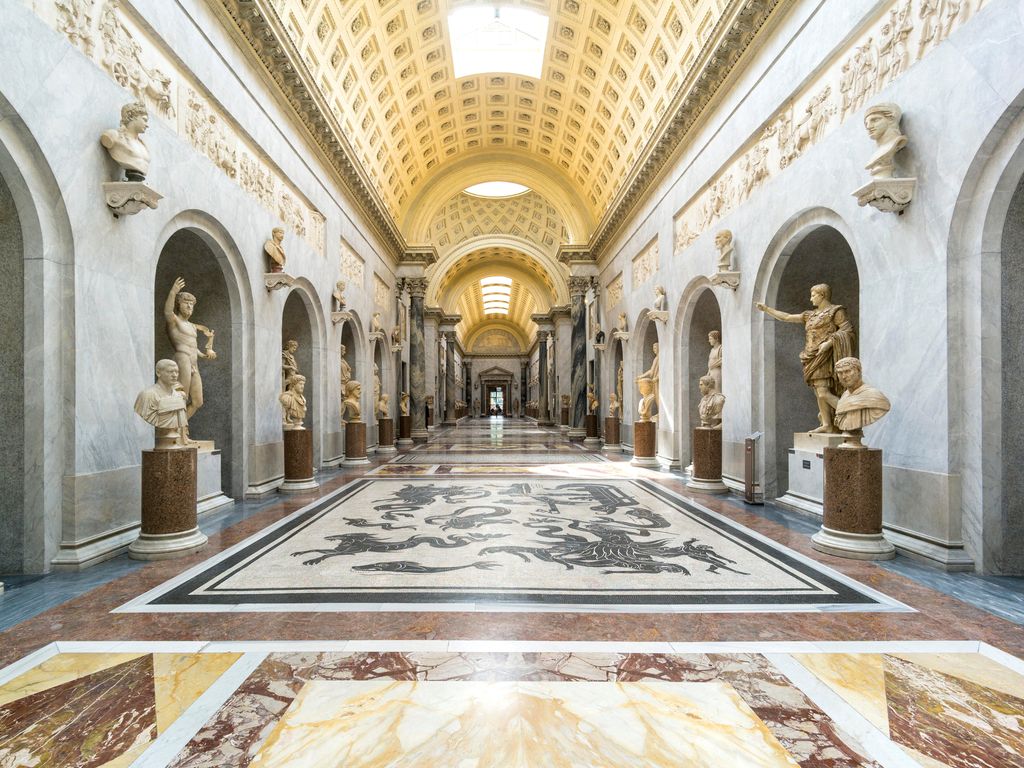
Crossing the Tiber takes you to the sovereign enclave of the Vatican. As the second most visited museum in the world, the Vatican Museums can feel overwhelming. To understand how to visit the Vatican Museums without the crowd, consider booking an "Early Access" or "Prime Experience" tour that enters before the general public. While many rush toward the Sistine Chapel, spend time in the Raphael Rooms. The School of Athens is a Renaissance masterpiece that demands quiet contemplation—something only achievable if you follow the strict Rome sightseeing tips regarding timed-entry booking. Finally, don't miss the Pantheon in the historic center; though it now carries a five-euro entry fee, standing beneath the oculus as rain or sunlight spills into the ancient rotunda remains a spiritual experience.
II. Baroque Beauty and the 2026 Trevi Update
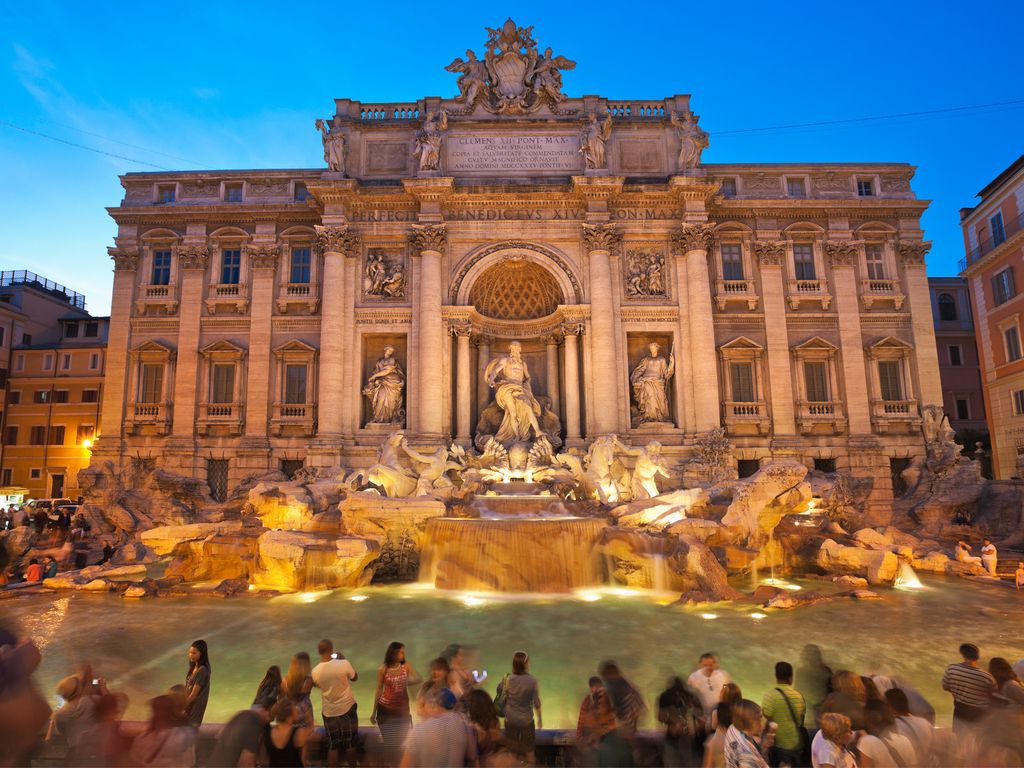
Rome is a city of water, marble, and theatricality. The transition from the rugged brick of the Republic to the soaring white travertine of the Baroque era is best seen in the "Trident"—the area surrounding the Spanish Steps, Piazza Navona, and the Trevi Fountain. However, the 2026 landscape has changed dramatically for the city's most famous fountain.
2026 Quick Alert: Trevi Fountain Access To manage the record-breaking foot traffic, the city has implemented a new queue system for the Trevi Fountain basin. While viewing the fountain from the upper square remains free, descending to the water’s edge to toss your coin now requires a two-euro fee and a pre-booked time slot. This "slow tourism" initiative aims to protect the fountain's delicate Baroque architecture and provide a more dignified experience for visitors.
A walking tour of Rome icons and historic squares is the most rewarding way to digest these sites. Start at the Spanish Steps in the early morning, then wind your way through the narrow cobblestone streets to Piazza Navona. Here, Bernini's sculptures come to life in the Fountain of the Four Rivers. The square is a masterpiece of Baroque architecture, but for the best experience, avoid the tourist-trap cafes lining the perimeter. Instead, duck into the side streets for a glass of Frascati at a local enoteca.
III. Strategic Escapes: Best Hidden Gems in Rome
Even amidst the 51.4 million overnight stays recorded recently, one can still find pockets of silence in Rome. If you are looking for the best hidden gems in Rome off the beaten path, look no further than Palazzo Altemps. Located just steps from the bustling Piazza Navona, this 15th-century palace houses a breathtaking collection of ancient sculptures in rooms decorated with original frescoes. It is the perfect antidote to the crowded corridors of the Vatican.
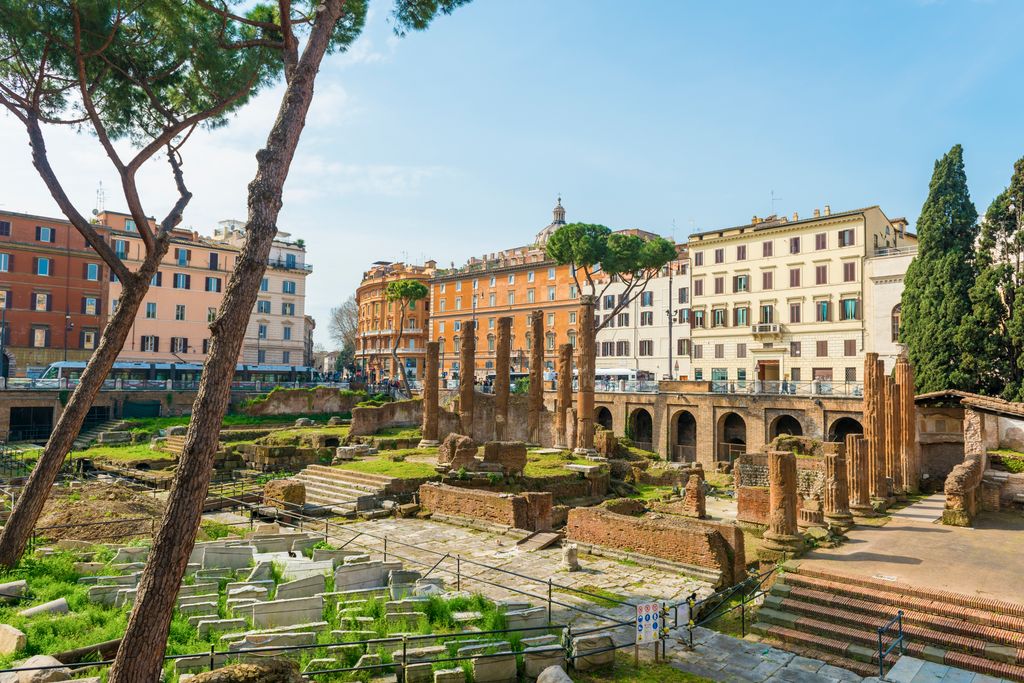
Another significant recent opening is the Sacred Area of Largo Argentina. Known for decades as the "Cat Sanctuary" where the ruins were only visible from street level, a new system of accessible walkways now allows you to walk among the four Republican-era temples. This is the site where Julius Caesar was assassinated, and standing at eye-level with the ancient tufa columns provides a profound sense of temporal vertigo.
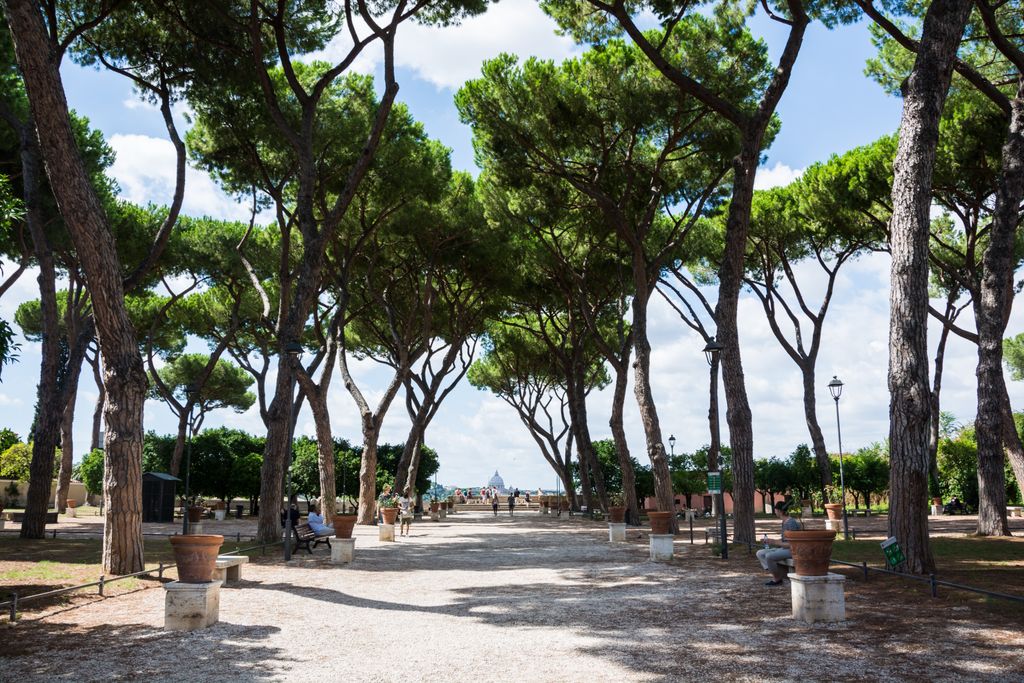
For those seeking panoramic city views, bypass the crowded Janiculum Hill and head to the Aventine Hill. Here, you will find the Orange Garden (Giardino degli Aranci). The air here is perfumed with citrus, and the terrace offers a perfectly framed view of St. Peter’s Basilica. Just down the road is the famous Knights of Malta Keyhole, where you can peek through a literal brass keyhole to see a perfectly groomed garden path leading your eye directly to the dome of the Vatican.
The Appian Way and ancient Roman sites with underground tours offer a different kind of escape. Rent a bicycle and ride out to the Parco degli Acquedotti to see the towering ancient aqueducts that once fueled the Roman baths. It is a stark, beautiful contrast to the dense historic center and provides a glimpse into the engineering genius that sustained the empire.
IV. Taste and Culture: Neighborhood Deep-Dives
To eat like a Roman is to embrace the seasons and the offal. While Trastevere nightlife remains the go-to for many, the district has become increasingly crowded. For a more authentic culinary journey, we suggest spending an afternoon in Testaccio. This neighborhood was the original emporium of Rome, where olive oil and grain were unloaded from the Tiber.
The Testaccio market Rome local food recommendations are incomplete without a visit to Mordi e Vai. Here, Sergio Esposito serves legendary simmered brisket sandwiches (allesso di scottona) that carry the flavors of old-school Roman Sunday dinners. Unlike the polished tourist spots, Testaccio remains a place of artisan food stalls and butchers where the community still shops.
Must-Try Roman Street Foods:
- Trapizzino: A triangular pocket of pizza bianca stuffed with classic Roman dishes like chicken cacciatore or meatballs.
- Suppli: Fried rice balls filled with ragu and a melting heart of mozzarella.
- Gelato: Seek out Otaleg or Neve di Latte for artisanal flavors that shun artificial colorings.
After the sun sets, head to the Pigneto district. Often described as the "Brooklyn of Rome," it is known for its vibrant street art and a nightlife scene favored by the city's artists and students. It is here that you find the true, modern pulse of the city, far removed from the marble statues of the center.
V. The "Don't Wing It" Guide: 2026 Planning Tips
The record-breaking tourism numbers mean that spontaneity is a luxury travelers can no longer afford in Rome. This Rome sightseeing guide is built on the philosophy of precision. Advance online booking is not just a suggestion; it is a requirement for the Borghese Gallery, the Vatican, and the Colosseum. Most tickets open 30 to 60 days in advance, and they sell out within minutes.
When contemplating the best things to do in Rome, consider your transportation carefully. The Metro is efficient for connecting the Vatican to the center, but Rome is best explored on foot. However, the cobblestones (sanpietrini) are unforgiving; leave the heels at home and opt for high-quality walking shoes. If you want a unique perspective without the fatigue, a vintage Vespa sidecar tour at night offers a cinematic view of the illuminated ruins that you will never forget.
Summary of 2026 Rome Entry Fees
| Site | 2026 Status | Fee (Approx) |
|---|---|---|
| Colosseum | Timed Entry Required | €18+ |
| Vatican Museums | Booking Essential | €25+ |
| Trevi Fountain Basin | New Queue/Timed Entry | €2 |
| Pantheon | Daily Entry | €5 |
| Largo Argentina | Open to Public | €5 |
FAQ
What are the must-see attractions in Rome?
The quintessence of Rome is found in the "Big Three": the Colosseum, the Roman Forum, and the Vatican Museums. Beyond these, the Pantheon, the Trevi Fountain, and the Galleria Borghese are essential for understanding the city's artistic and architectural evolution.
How many days do you need to see Rome?
To cover the major icons without succumbing to museum fatigue, we recommend four to five days. This allows for three days of intense sightseeing and two days for neighborhood exploration and leisurely long lunches in areas like Trastevere or Testaccio.
What is the best month to visit Rome?
April through June and September through October are the goldilocks months. The weather is temperate, and the light is exceptionally beautiful for photography. While July and August offer vibrant festivals, the heat can be oppressive for walking tours.
Are there any hidden gems in Rome?
Palazzo Altemps is a stunning, quiet museum of ancient sculpture. Additionally, the Basilica of San Clemente offers a "time machine" experience where you can descend through layers of history from a medieval church to a 4th-century basilica and finally a 1st-century Roman house and Mithraic temple.
What should I avoid doing in Rome?
Avoid eating at restaurants with "tourist menus" or staff standing outside waving you in, particularly those near the Pantheon or Vatican. Avoid taking taxis for short distances in the center as walking is often faster due to traffic and one-way streets. Finally, never attempt to visit the major icons without an advance reservation in 2026.
Is Rome a walkable city for sightseeing?
Rome is exceptionally walkable, and most of its Baroque treasures are located within a compact historic center. However, the terrain is uneven, and the distances between the Colosseum and the Vatican are significant. Comfortable footwear is the most important item in your suitcase.