Quick Facts
- The 2026 Vision: A definitive shift from reducing harm to net-positive regenerative travel projects.
- Top Ecological Scale: WildLand has committed to a 200-year plan covering 220,000 acres in the Scottish Highlands.
- Marine Milestone: Sweden’s Nämdöskärgården National Park encompasses a 97% water-based conservation zone.
- Social Impact Leader: The Bad Bunny residency program generated approximately $700 million in local micro-economic revenue.
- Accessibility Gold Standard: Travel Oregon has achieved 750+ verified businesses for inclusive hospitality.
- Carbon Neutral Transit: The Boat Company operates the only nonprofit conservation cruises in the Tongass National Forest.
The 2026 Global Vision Awards recognize organizations and individuals making significant contributions to sustainable and regenerative travel. This year's honorees include rewilding initiatives in the Scottish Highlands, marine-focused national parks in Sweden, and fashion brands utilizing upcycled materials to reduce environmental impact. These winners are selected for their commitment to boosting the benefits of tourism while minimizing its negative effects on local communities and ecosystems.
The 2026 Global Vision Awards honor the pioneers pushing boundaries in travel. From rewilding the Scottish Highlands to Alaska's conservation cruises, these are the trailblazers. This year’s list reflects a deepening maturity in how we define environmental stewardship. We are no longer just looking for the absence of waste; we are looking for the presence of life—biodiversity restored, carbon sequestered, and communities made whole through economic equity.

Ecological Trailblazers: Rewilding and Conservation
The most significant shift in the 2026 Global Vision Awards is the transition from "sustainability" to "regeneration." While sustainable travel focuses on maintaining the status quo, the best regenerative travel projects for sustainable tourism 2026 are actively healing the land. Leading this movement is WildLand, a project in Scotland that rejects the short-termism of modern tourism in favor of a 200-year vision.
By visiting wildland rewilding estates in the scottish highlands, travelers are not just guests in a luxury lodge; they are patrons of a massive reforestation effort. WildLand’s approach involves removing non-native species and allowing the Caledonian forest to return naturally. This project demonstrates how private land ownership can align with public environmental goals, creating a sanctuary for golden eagles, wildcats, and pine martens.
WildLand Impact Metrics
- Total Acreage: 220,000 acres under protection.
- Reforestation Goal: 4 million native trees planted in the last decade.
- Timeline: 200-year landscape recovery commitment.

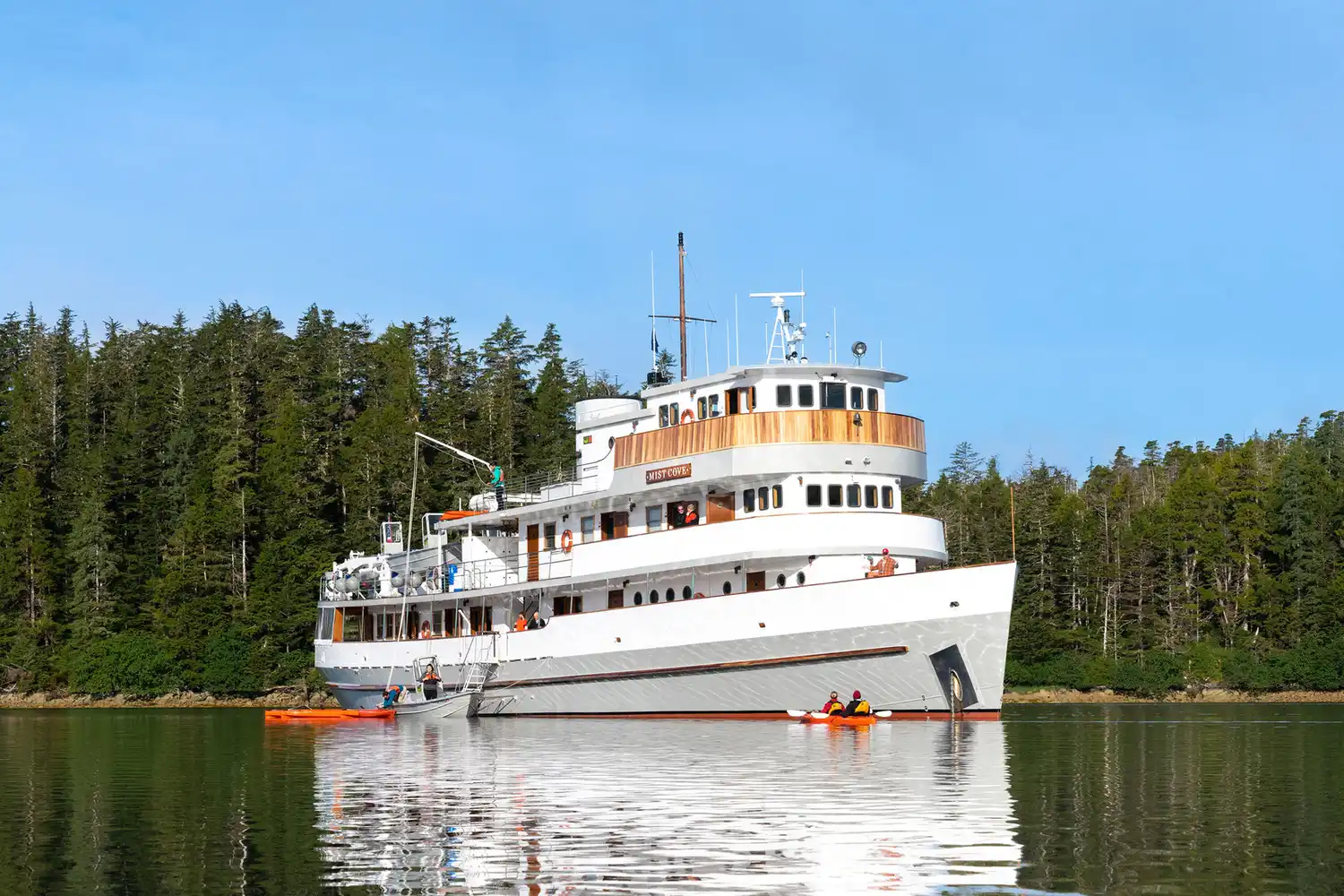
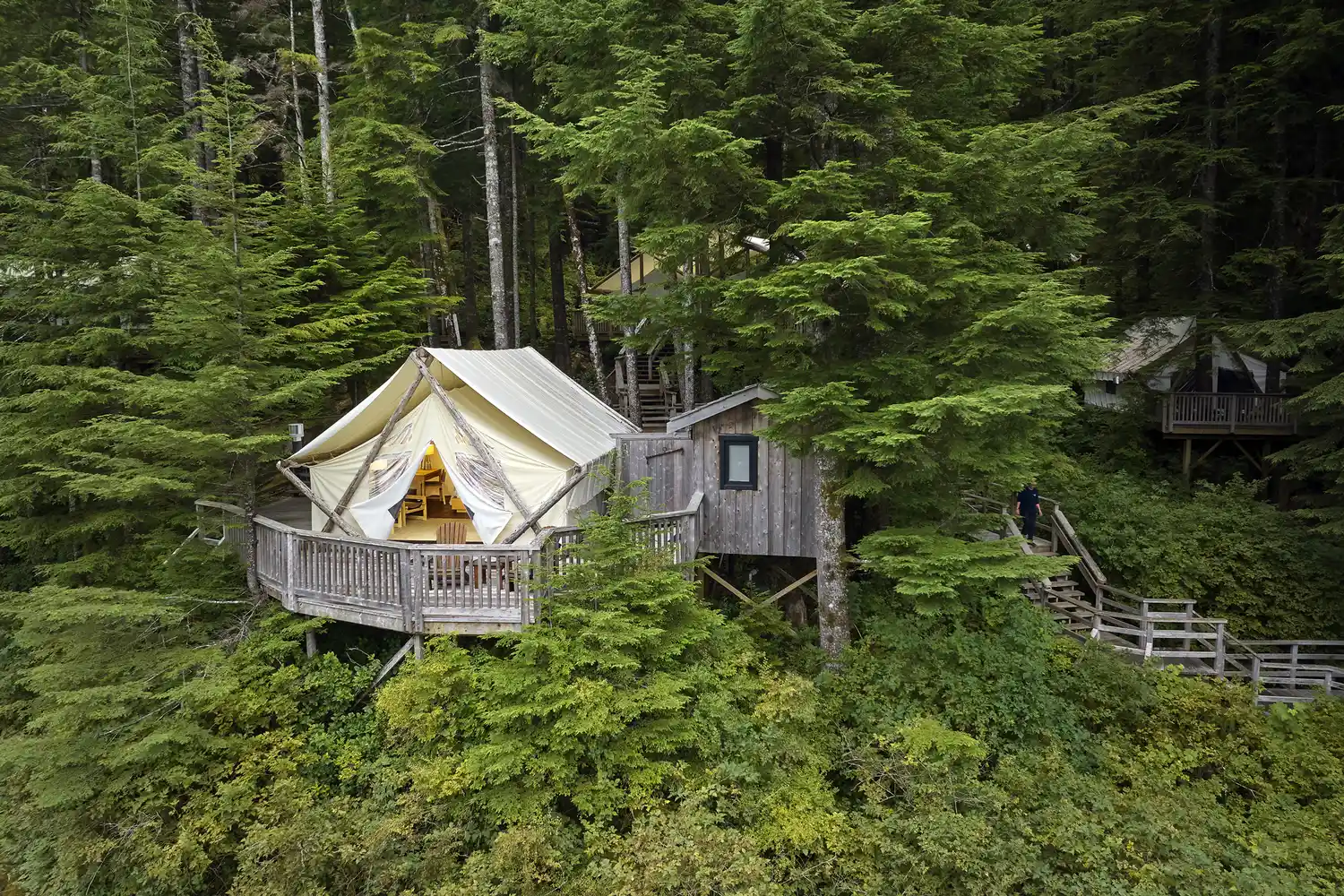
Further west, charitable cruises that support alaskan environment conservation have gained recognition through the work of The Boat Company. According to The Boat Company, their nonprofit model ensures that profits from luxury voyages are funneled directly back into the Tongass National Forest. They advocate against industrial logging and perform "boots-on-the-ground" trail maintenance, proving that tourism can be a primary funder for habitat preservation.
The Boat Company Impact Metrics
- Legal Advocacy: 40+ years of protecting the Tongass National Forest from clear-cutting.
- Marine Education: Daily naturalist-led shore excursions for all age groups.
- Revenue Model: 100% of proceeds after operational costs support conservation.
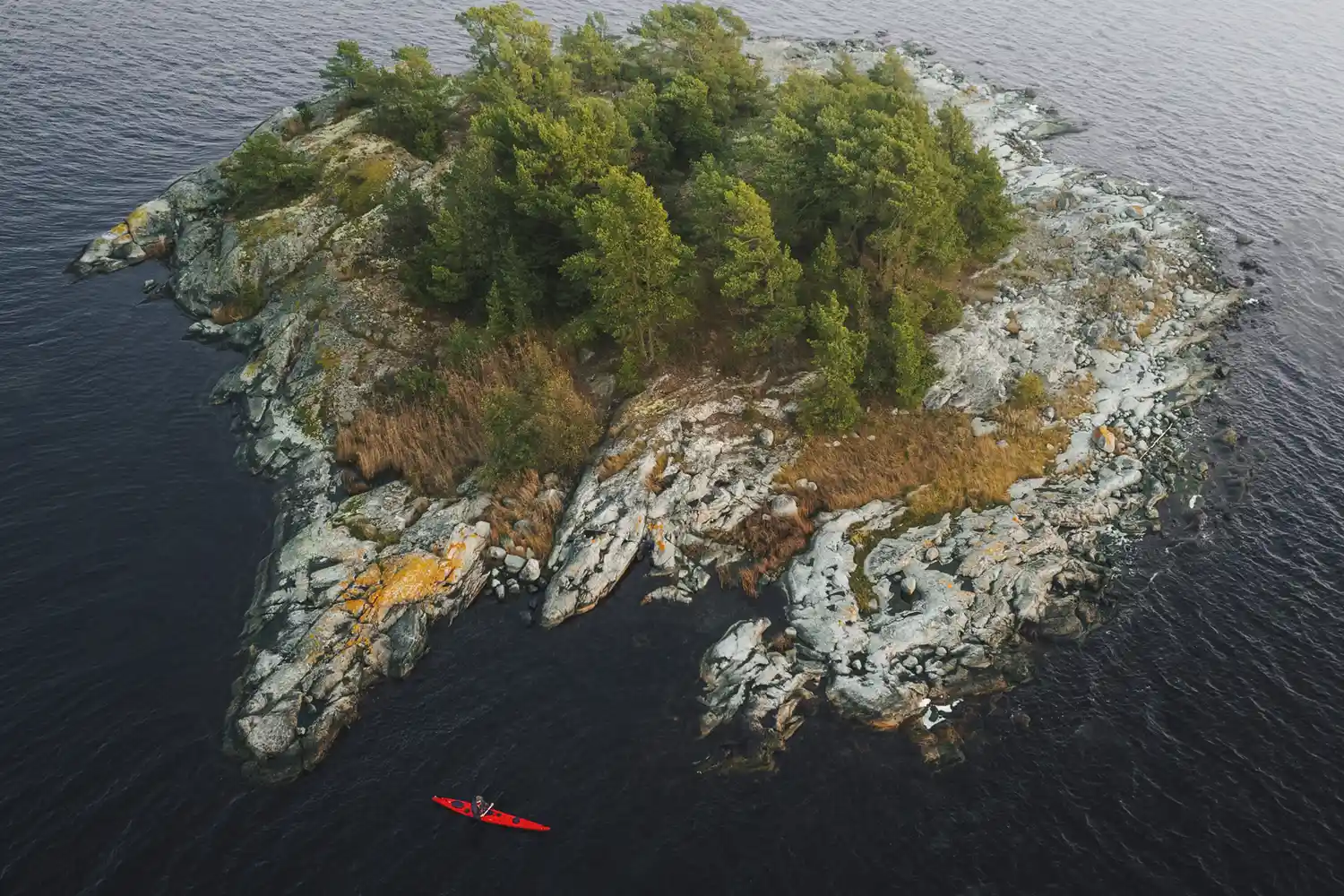
In Sweden, kayaking in swedens namdoskargarden national park has become the hallmark of low-impact exploration. This park is a 2026 milestone in marine biodiversity, protecting over 10,000 islands and the surrounding brackish waters of the Baltic Sea. The focus here is on carbon-mindful transit, where visitors are encouraged to use solar-powered ferries and manual watercraft to explore the sensitive ecosystem.
The Infrastructure of Luxury: From Solar Grids to Water Security
As an editor, I often see luxury used as a shield against responsibility, but the 2026 Global Vision Awards, featured in the April 2026 issue of Travel + Leisure, highlight brands that use high-end infrastructure to solve environmental challenges. Beckons, a hospitality brand uniting Baillie Lodges and Tierra Hotels, was named a winner for its regenerative approach across Australia, New Zealand, Canada, and Chile.
At Southern Ocean Lodge, for example, the focus is on native reforestation and extreme water security. This isn't just about reusing towels; it's about engineering. The property utilizes a massive 5.8-million-liter water storage system and solar microgrids to operate entirely off-the-grid in one of Australia’s most sensitive wilderness areas.
| Concept | Sustainable Travel (2016-2020) | Regenerative Travel (2026) |
|---|---|---|
| Energy | Offsetting carbon via credits | Solar microgrids and net-zero transit |
| Water | Low-flow showerheads | 5.8M liter rainwater harvesting systems |
| Land Use | Leaving "no trace" | Native reforestation and invasive removals |
| Local Economy | Hiring local staff | Investing in social entrepreneurship & B Corps |
By choosing sustainable travel organizations to visit for community impact, travelers ensure their capital stays within the destination. Beckons' commitment to B Corp certification ensures that their social and environmental performance is transparently audited, setting a new bar for what we should expect from high-end hospitality.
Inclusive Hospitality: Beyond Compliance to Verification
True sustainability includes people, and the 2026 Global Vision Awards place a heavy emphasis on inclusive hospitality. Nowhere is this more evident than in Oregon. For many travelers with disabilities, ecotourism destinations 2026 have often been out of reach due to rugged terrain and lack of reliable information.
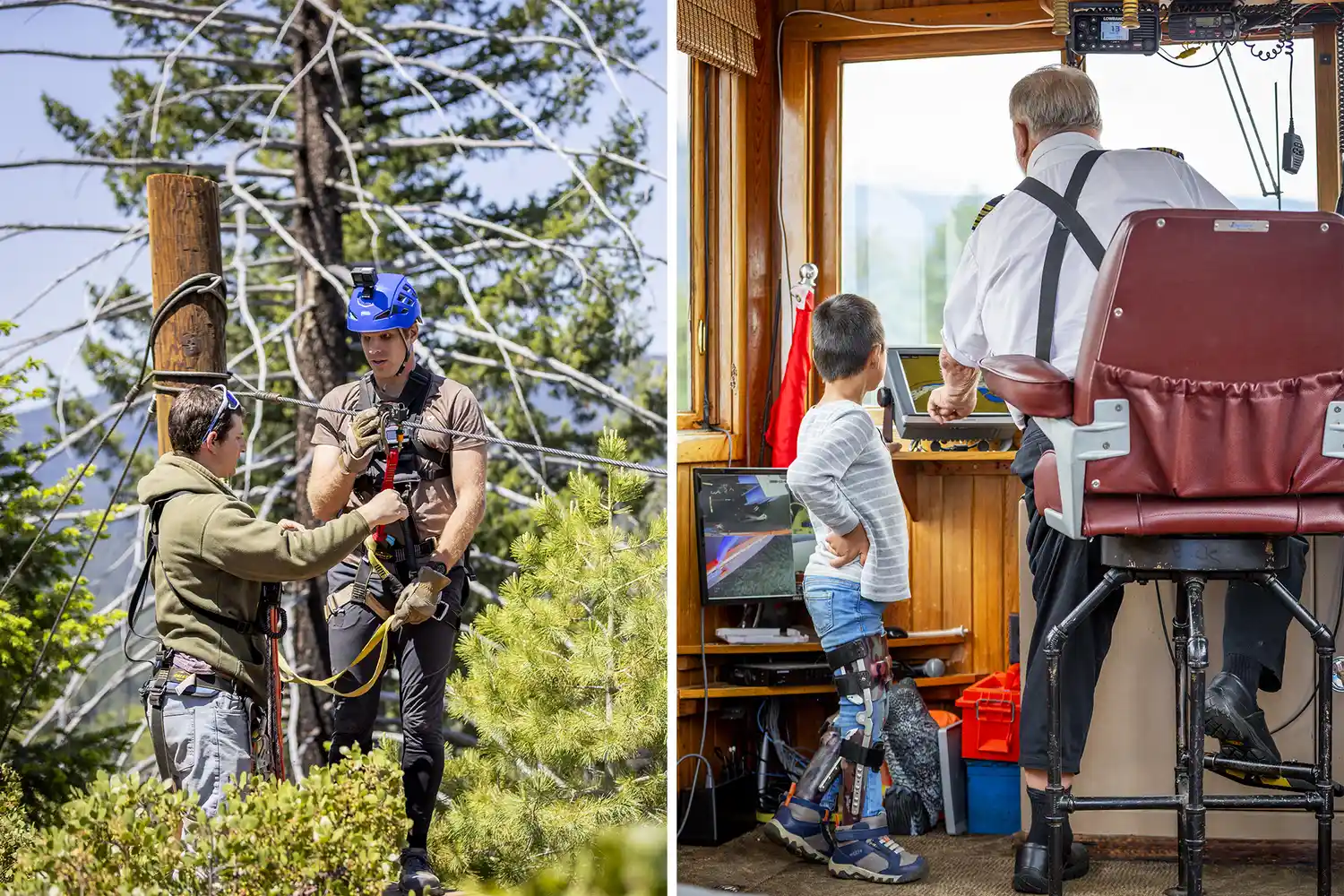
Travel Oregon has changed the narrative by partnering with Wheel the World. Their initiative provides accessible travel experiences for wheelchair users in oregon by physically measuring and verifying over 750 businesses. Instead of a vague "accessible" tag on a website, travelers get precise door widths, bed heights, and trail gradients. This data-driven approach removes the anxiety of the unknown, making the great outdoors truly universal.
Travel Oregon Impact Metrics
- Verified Businesses: 750+ across the state.
- Technological Integration: Real-time accessibility data synced with booking platforms.
- Impact: Significant increase in multi-generational travel bookings for outdoor recreation.
Ethical Navigation: Regulatory Shifts in 2026
The landscape of travel is changing not just through choice, but through law. The 2026 Global Vision Awards arrive at a pivotal moment. September 2026 marks the full enforcement of the EU Empowering Consumers Directive, a piece of legislation designed to eliminate greenwashing. For travelers, this means that claims of being eco-friendly must now be backed by verified environmental stewardship metrics.
Furthermore, 2026 is the United Nations International Year of Rangelands and Pastoralists. This has brought a surge of interest in community-based tourism that supports nomadic cultures and native grasslands. Travelers are now looking toward the Jaguar Rivers Initiative in South America or the Ibiti Project in Brazil as models of how to integrate native reforestation with indigenous land rights.
FAQ
What are the 2026 Global Vision Awards?
The 2026 Global Vision Awards are an annual honors program hosted by Travel + Leisure that recognizes individuals, organizations, and destinations making the most significant contributions to sustainable and regenerative travel. The awards highlight pioneers who balance luxury and exploration with rigorous environmental and social responsibility.
What are the award categories for the 2026 Global Vision Awards?
The categories focus on diverse aspects of the industry, including wildlife conservation, rewilding initiatives, marine biodiversity, inclusive hospitality and accessibility, social entrepreneurship, and sustainable infrastructure. This year, there is a particular emphasis on organizations that achieve B Corp certification and net-positive impact.
What is the selection process for the 2026 Global Vision Awards?
Winners are selected by a 20-member panel of experts consisting of travel writers, environmental scientists, social activists, and industry leaders. They evaluate nominees based on measurable impact, scalability of their projects, and their commitment to transparency and ethical practices.
Who can enter the 2026 Global Vision Awards?
Entries are open to any travel-related entity, including boutique hotels, large luxury brands, nonprofit conservation groups, government tourism boards, and individual activists. The primary requirement is a demonstrated commitment to boosting the benefits of tourism for local communities while minimizing negative environmental effects.
Where will the 2026 Global Vision Awards be hosted?
The 2026 Global Vision Awards ceremony and feature reporting are traditionally centered in the April issue of Travel + Leisure magazine, with virtual and in-person summits hosted in various award-winning sustainable destinations to showcase their regenerative projects firsthand.
Experience the Vision: How to Book Your 2026 Regenerative Journey
Vetting your next trip shouldn't be a chore. The winners of the 2026 Global Vision Awards provide a pre-vetted roadmap for conscious exploration. To ensure your travel dollars support regenerative travel projects, look for organizations that prioritize net-positive impact over simple carbon offsets.
- Look for Transparency: Support sustainable travel organizations that publish annual impact reports with hard data, such as Beckons or the Jacques Pépin Foundation.
- Support Local Stewardship: Choose destinations like Mozambique’s Gorongosa National Park or the uThando South Africa excursions, where tourism is a tool for social entrepreneurship.
- Prioritize Inclusive Design: Use platforms that verify accessibility, following the lead of Travel Oregon, to ensure your travel choices support a more equitable industry.
By choosing these trailblazers, you are participating in a global movement to ensure that the beauty we travel to see today will be even more vibrant for the travelers of tomorrow. Environmental stewardship is no longer a niche interest; it is the fundamental infrastructure upon which the future of travel is built.