Quick Facts
- Top Paid Attraction: Edinburgh Castle with over 1.9 million annual visitors.
- Top Free Attraction: National Museum of Scotland featuring 2.1 million visits.
- Essential 2026 Event: The world-famous Hogmanay celebrations and the August Edinburgh Art Festival.
- Best Time for Northern Lights: October to March in northern regions like Shetland.
- Must-Try Cultural Activity: A local ceilidh dance and Highland Games attendance.
- Must-Visit Natural Wonder: The mist-shrouded Fairy Pools on the Isle of Skye.
- Planning Tip: Book the Jacobite Steam Train at least six months in advance.
As we look toward 2026, the best things to do in Scotland continue to blend deep-seated history with raw, accessible wilderness. For first-time visitors, the must see sights in Scotland are anchored by the historic Royal Mile in Edinburgh, the towering peaks of Glencoe, and the geological marvels of the Isle of Skye. Beyond the icons, top things to do in Scotland for first timers often involve witnessing the Jacobite steam train crossing the Glenfinnan Viaduct or exploring the ancient Edinburgh Old Town vaults to uncover the city’s subterranean secrets.
The Gateway Cities: Edinburgh and Glasgow
The journey through Scotland often begins in Edinburgh, a city where the medieval Old Town and neoclassical New Town exist in a striking, vertical harmony. Walking the Royal Mile is more than a tourist ritual; it is a passage through centuries of royal history and architectural evolution. Beneath the cobblestones, the Edinburgh Old Town vaults offer a chilling glimpse into the 18th-century life of the city’s underclass, providing a stark contrast to the grandeur of the skyline.
According to 2023 data, visitor attractions across the country saw a total of 48,685,638 visits, showing that the appetite for Scottish culture is stronger than ever. The National Museum of Scotland, located in the heart of the capital, remained the most visited free attraction, recording 2,186,841 visits. It provides an essential, deep-dive context into everything from natural history to the kingdom’s industrial past.
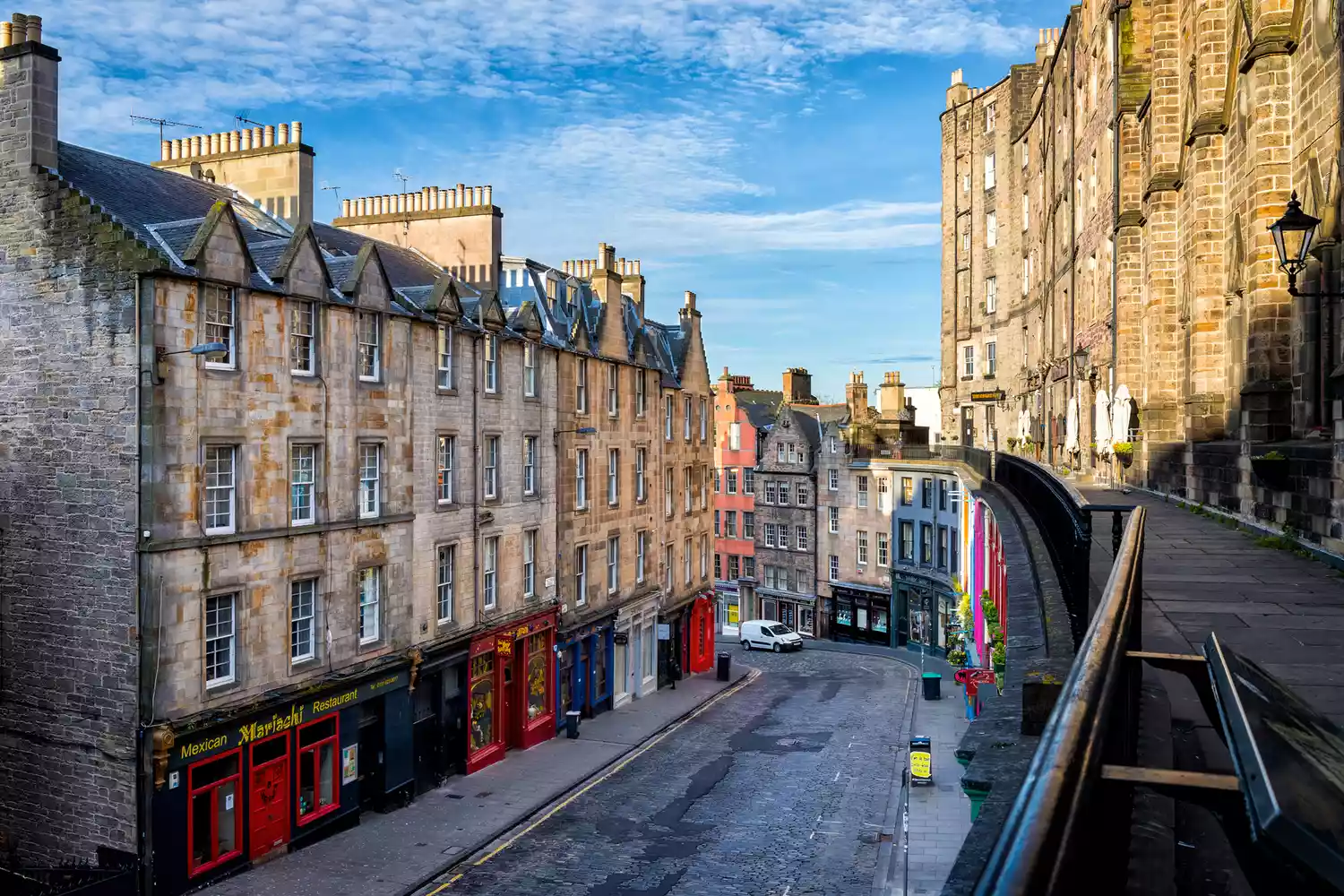
While Edinburgh holds the crown for history, Glasgow is the beating heart of modern Scottish creativity. Known for its vibrant art scene and legendary music venues, Glasgow offers a contemporary grit that balances Edinburgh’s polish. If you are planning for 2026, ensure you time your visit for the world-famous Hogmanay celebrations, where the streets of the major cities transform into massive open-air festivals of fire, music, and tradition.
Expert Tip: To escape the crowds of the Royal Mile, take a ten-minute walk to Dean Village. This former grain-milling site on the Water of Leith feels like a secluded hamlet hidden within the city.
The Highland Giants: Skye, Glencoe, and Loch Ness
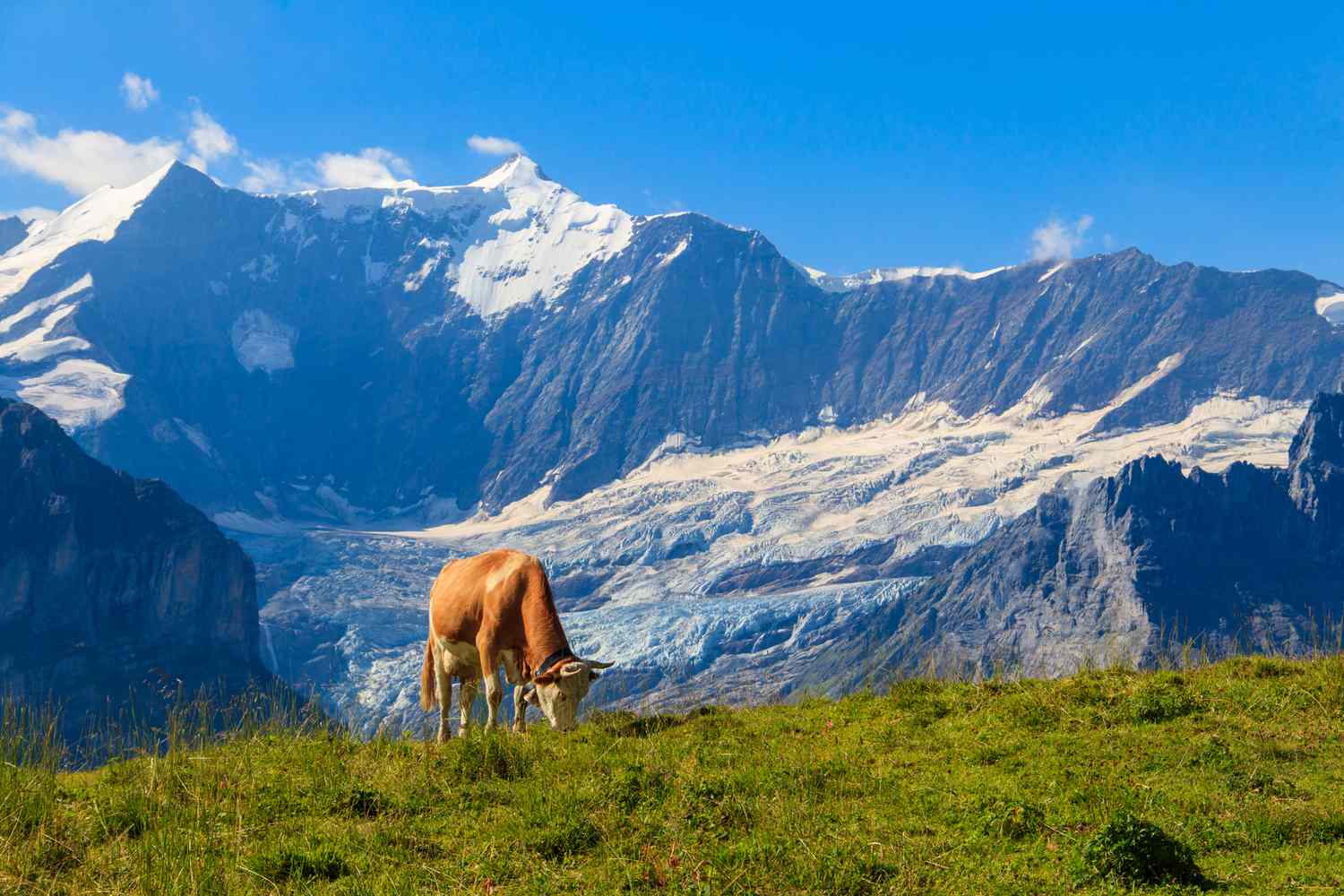
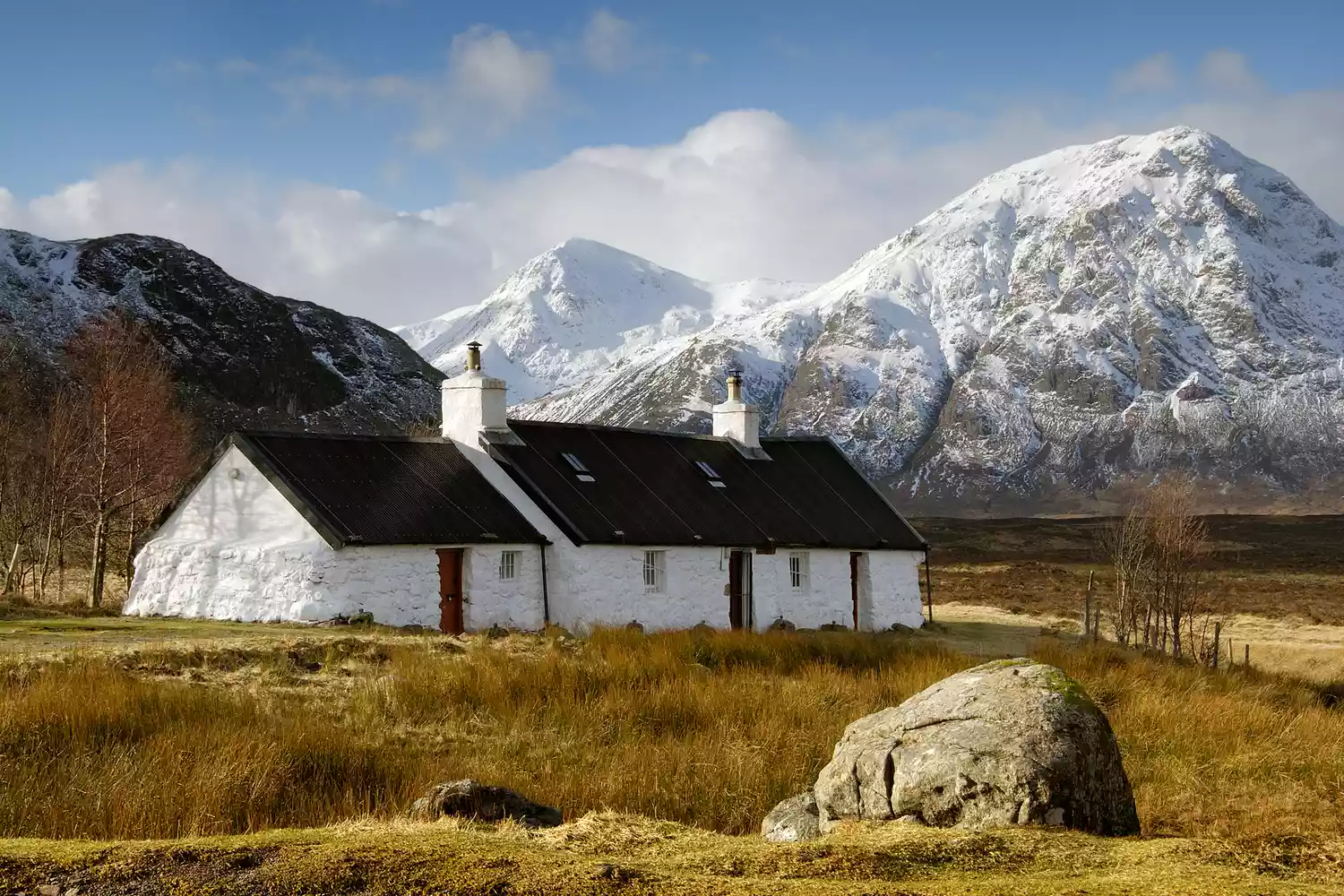
Leaving the lowlands behind, the landscape shifts toward the dramatic Munros and Glens of the Highlands. Glencoe is perhaps the most emotive glen in the country. Known for its tragic history and its role as a backdrop for cinematic blockbusters, it remains one of the best scottish highland attractions for outdoor lovers. The sheer scale of the three sisters peaks often leaves travelers speechless, especially when the mist hangs low over the peaty moorlands.
The Isle of Skye is another pillar of any Scottish itinerary. The Fairy Pools at the foot of the Black Cuillins offer crystal-clear, icy blue waters that are perfect for wild swimming—if you can brave the temperature. Further north on the island, the Quiraing offers a landscape that feels like another planet. However, Skye has become incredibly popular. If you are seeking a quieter alternative for your 2026 trip, consider the Assynt region or Torridon. These northern outposts offer the same dramatic geology and Munro bagging opportunities with a fraction of the foot traffic.
No Highland tour is complete without a stop at the Loch Ness Monster hunt's headquarters in Drumnadrochit. While the elusive Nessie is the draw, the ruins of Urquhart Castle perched on the edge of the deep, dark water are the real highlight, offering a commanding view of the Great Glen.
| Feature | The Castle Trail | The Whisky Trail |
|---|---|---|
| Primary Region | Aberdeenshire | Speyside |
| Focus | Medieval Fortresses & Royal History | Distilleries & Single Malt Production |
| Core Must-See | Dunnottar Castle | The Macallan Estate |
| Best For | History Buffs & Photographers | Spirit Enthusiasts & Foodies |
| Time Needed | 3 - 4 Days | 2 - 3 Days |
The Spectacular Trails: NC500 and the Jacobite Train
For those who prefer the freedom of the open road, the North Coast 500 has redefined how travelers experience the northern edges of the UK. This 516-mile scenic route loops from Inverness and takes you through the most remote and rugged landscapes in the British Isles.
Pro Logistics: North Coast 500
- Booking: Car rentals and boutique B&Bs should be reserved 8-12 months out.
- Time Needed: 7 to 9 days to truly appreciate the stops.
- Hub: Inverness serves as the start and end point.
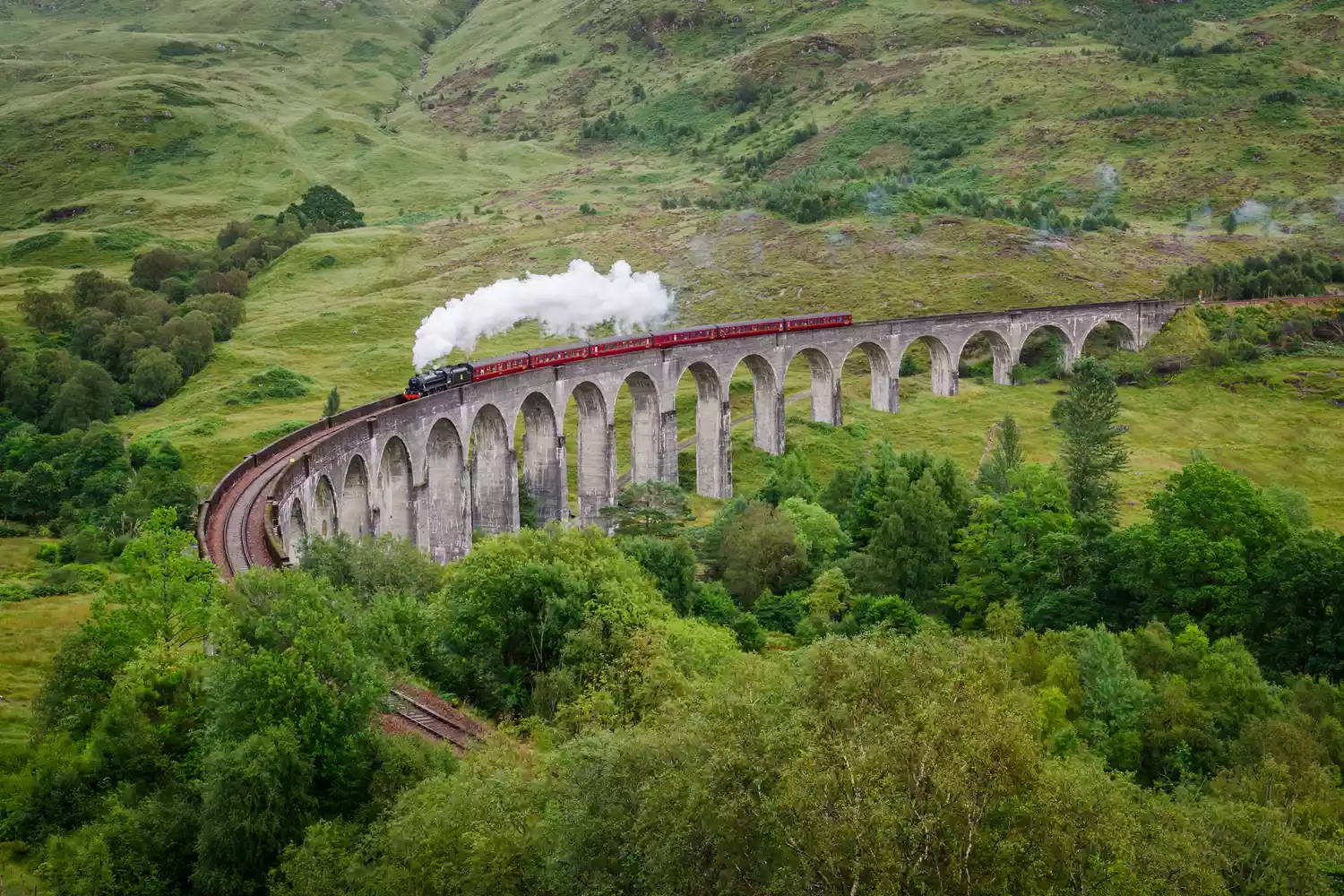
If rail travel is more your speed, the West Highland Line is consistently ranked among the most beautiful in the world. The star of the show is the Jacobite Steam Train, famous for its role in the Harry Potter films. Watching the steam billow out as the train crosses the 21-arched Glenfinnan Viaduct is a bucket-list moment.
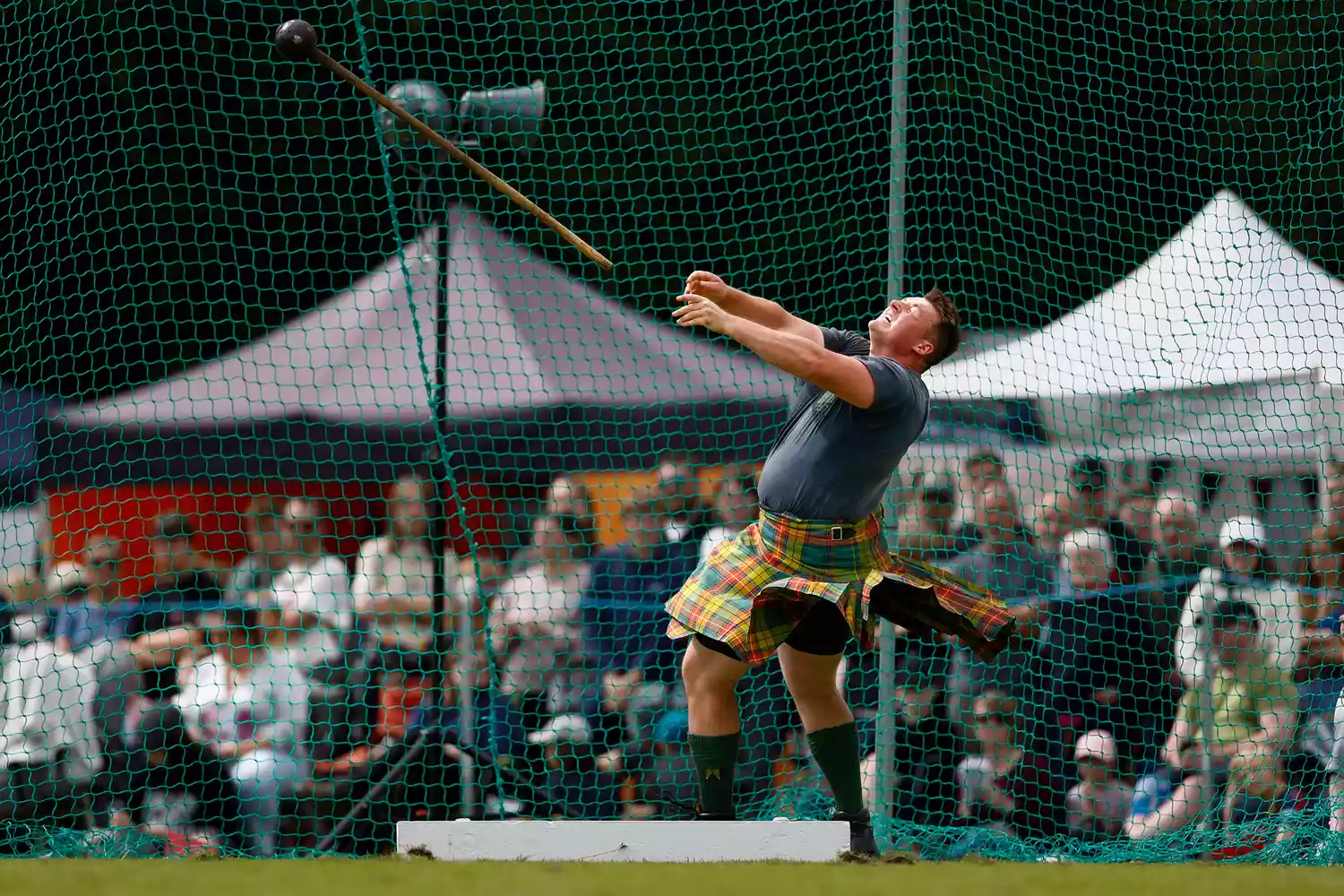
In the summer months, keep an eye out for posters advertising a local Highland Games. These are not merely for tourists; they are a vital part of Gaelic heritage, featuring heavy athletics like the caber toss, intricate Highland dancing, and massed pipe bands that resonate through the glens. Attending the highland games in scotland visitor guide sections will often tell you that the smaller village games offer the most authentic experience.
History, Malt, and Fairways: St Andrews and Speyside
Scotland's cultural exports are as famous as its landscapes. On the east coast, the town of St Andrews is the spiritual home of golf. Playing the St Andrews Old Course is a dream for many, but because of its status, getting a tee time requires planning. The daily 48-hour ballot (lottery) is the primary way for visitors to secure a spot, though many brave the "singles queue" at dawn for a chance to fill a gap in a group.
Pro Logistics: St Andrews Old Course
- Booking: Success via the ballot is never guaranteed; apply online two days before your intended play.
- Time Needed: Full day for golf; half day for the historic ruins and beach.
- Hub: Easily accessible via train from Edinburgh to Leuchars.
For a taste of the country's most famous liquid export, the Malt Whisky Trail in Speyside is the definitive experience. This region is home to the world's highest concentration of Single malt distilleries. Touring a distillery like Glenfiddich or Balvenie provides an insight into the chemistry and patience required to create the peaty and honeyed notes of Scotch whisky.

Turning back the clock even further, the Culloden Battlefield near Inverness is a sobering must visit historical sites in scotland expert guide recommendation. This was the site of the final Jacobite Rising in 1746, and the visitor center does an incredible job of presenting both sides of the conflict. To see where people lived thousands of years ago, head to Orkney to witness Skara Brae, a Neolithic village older than the Egyptian Pyramids.
The Edge of the World: Shetland and the Outer Hebrides
For the truly adventurous traveler, the islands of the west and north offer a slower pace of life. The Outer Hebrides are home to the Calanais Standing Stones, a magnificent complex of Neolithic stone circles that predate Stonehenge. The white sandy beaches here, like Luskentyre on Harris, look more like the Caribbean than the North Atlantic—until you touch the water.
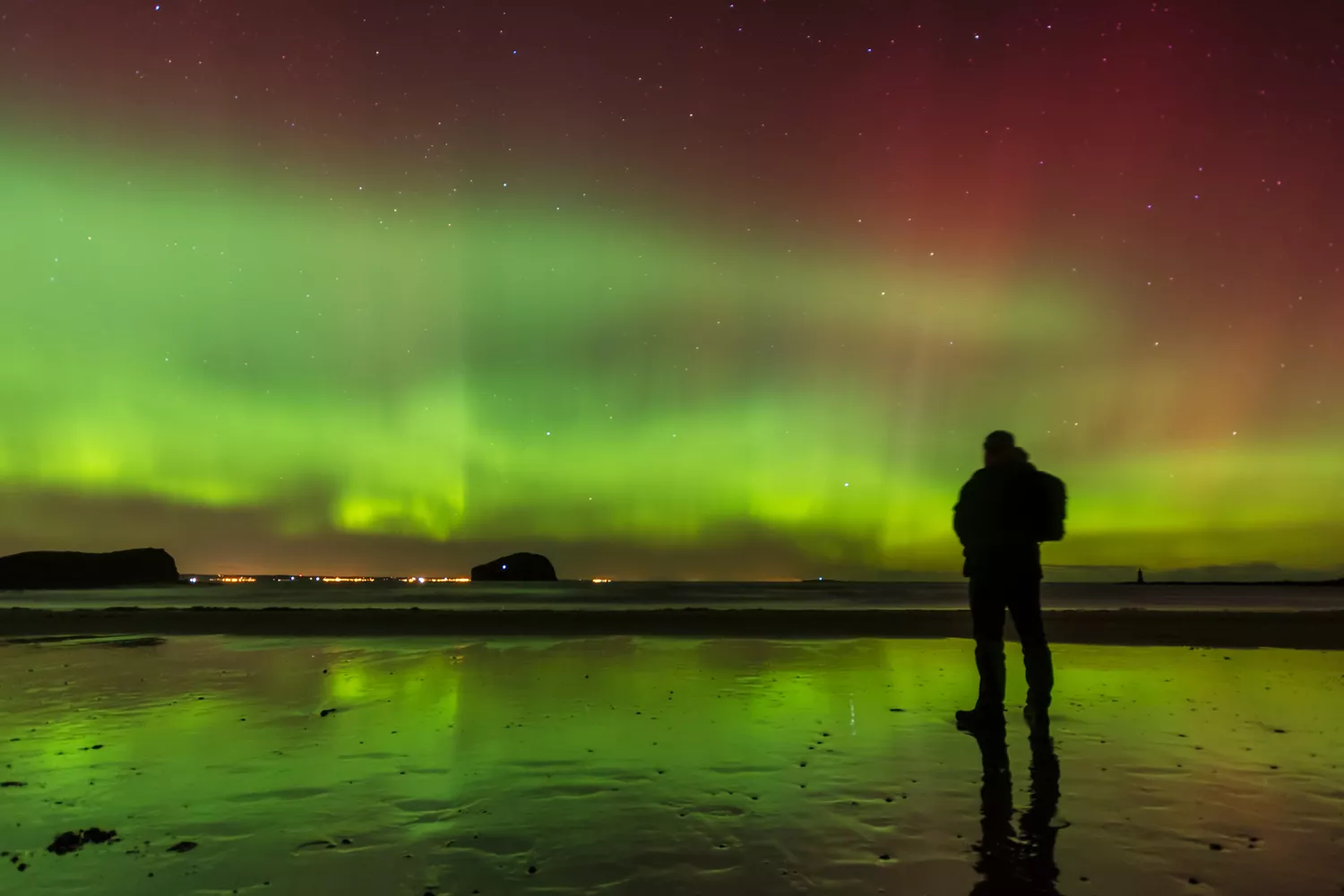
In the far north, the Shetland Islands are a world apart. Influenced heavily by Norse history, Shetland is one of the best places to see the northern lights in scotland by season, particularly during the "mirrie dancers" (the local name for the Aurora) displays from October to March.
Pro Logistics: The Island Outposts
- Booking: Ferries can be booked via NorthLink (Shetland) or CalMac (Hebrides).
- Time Needed: Minimum 3 days for any island group due to travel time.
- Hub: Aberdeen or Scrabster for Shetland; Oban or Mallaig for the Hebrides.
Whether you are sampling traditional haggis at a full fry-up breakfast or photographing the coastal cliffs of the north, Scotland in 2026 remains a destination of unparalleled depth. Edinburgh Castle continues to be a draw, with a 41.5% increase in visitors in 2023 bringing totals to 1,904,723, but the true soul of the country is found in its quietest corners.
FAQ
What is the best month to visit Scotland?
The shoulder seasons of May, June, and September are generally considered the best months to visit Scotland. During these times, you benefit from longer daylight hours and milder weather, while avoiding the peak crowd volumes of July and August. May is particularly noted for being the driest month with the fewest midges in the Highlands.
How many days are enough for a trip to Scotland?
To truly experience the country beyond the major cities, a minimum of 10 to 14 days is recommended. This allows enough time for 2-3 days in Edinburgh, a road trip through the Highlands (like the NC500 or a Skye excursion), and a visit to at least one island group. If you only have a week, it is better to focus on one specific region rather than trying to see the whole country.
Is it worth visiting the Scottish Highlands?
Absolutely. The Highlands represent the quintessential image of Scotland—towering mountains, deep lochs, and vast moorlands. It is where most of the country's iconic scenery and historical battlefields are located. Whether you are interested in hiking, history, or simply scenic drives, the Highlands are the heart of the Scottish travel experience and should not be missed.
What are the best free things to do in Scotland?
Scotland offers exceptional value through its national museums and natural landscapes. The National Museum of Scotland and the Kelvingrove Art Gallery and Museum are world-class institutions that are free to enter. Additionally, exploring the Royal Mile, hiking Arthur’s Seat in Edinburgh, and visiting many of the country's famous lochs and glens costs nothing but your time.
Do you need a car to travel around Scotland?
While Edinburgh and Glasgow have excellent public transport and are connected by frequent trains, a car is highly recommended for exploring the Highlands and islands. Public transport in remote areas can be infrequent and may not reach the trailheads or smaller coastal villages. If you are planning a scotland road trip around top attractions, having your own vehicle offers the flexibility required to navigate the single-track roads of the north.