Quick Facts
- Travel Category: Cultural & Architectural Exploration
- Best Time to Visit: May to September (Dry Season)
- UNESCO Status: Inscribed in 1987 (Modernist Masterpiece)
- Top Icons: Cathedral of Brasília and the National Congress building
- Transport Recommendation: Car rental or Uber for maximum flexibility
- Expert Insight: Built in just 41 months to reshape Brazil’s future
- Visitor Sentiment: 95% of tourists express a desire to return
Brasília is widely considered one of the world's most unique destinations, serving as a functional museum of modernist architecture. In this Brasília travel guide, you'll discover why its Plano Piloto layout and utopian design make it a must-visit in 2026, offering a travel experience that feels like stepping into a mid-century vision of the future.
The 2026 Trend: Why Brasília is the Year’s Must-See Destination
For decades, Brasília was viewed primarily as a bureaucratic hub, a city of politicians and concrete. However, as we approach 2026, the narrative has shifted. Brazil has been named Travel + Leisure’s Destination of the Year for 2026, and Brasília stands at the heart of this cultural revival. No longer just a seat of power, it has matured into a vibrant city of design, recognized by the UNESCO Creative Cities Network in 2017 for its commitment to using design as a driver for sustainable urban development.
The city’s origin story remains one of the most ambitious urban experiments in human history. Under the Juscelino Kubitschek legacy, the capital was moved from Rio de Janeiro to the high Central Brazilian Plateau to encourage the development of the nation’s interior. This transition was marked by a feat of engineering and willpower, as the entire city was constructed in only 41 months between 1956 and its official inauguration on April 21, 1960.
When to visit Brasília matters immensely for your experience of this landscape. The city sits within the Cerrado biome, characterized by two distinct seasons. To see the city at its most comfortable, aim for the window between May and September. By September, the air is crisp, the skies are an impossible shade of blue, and the city hosts the Festival de Brasília, the nation’s oldest and most prestigious film festival. This period allows you to witness the stark contrast between the white marble monuments and the deep red soil of the plateau without the tropical downpours of the summer months.
Exploring the Monumental Axis: Best Things to Do & See
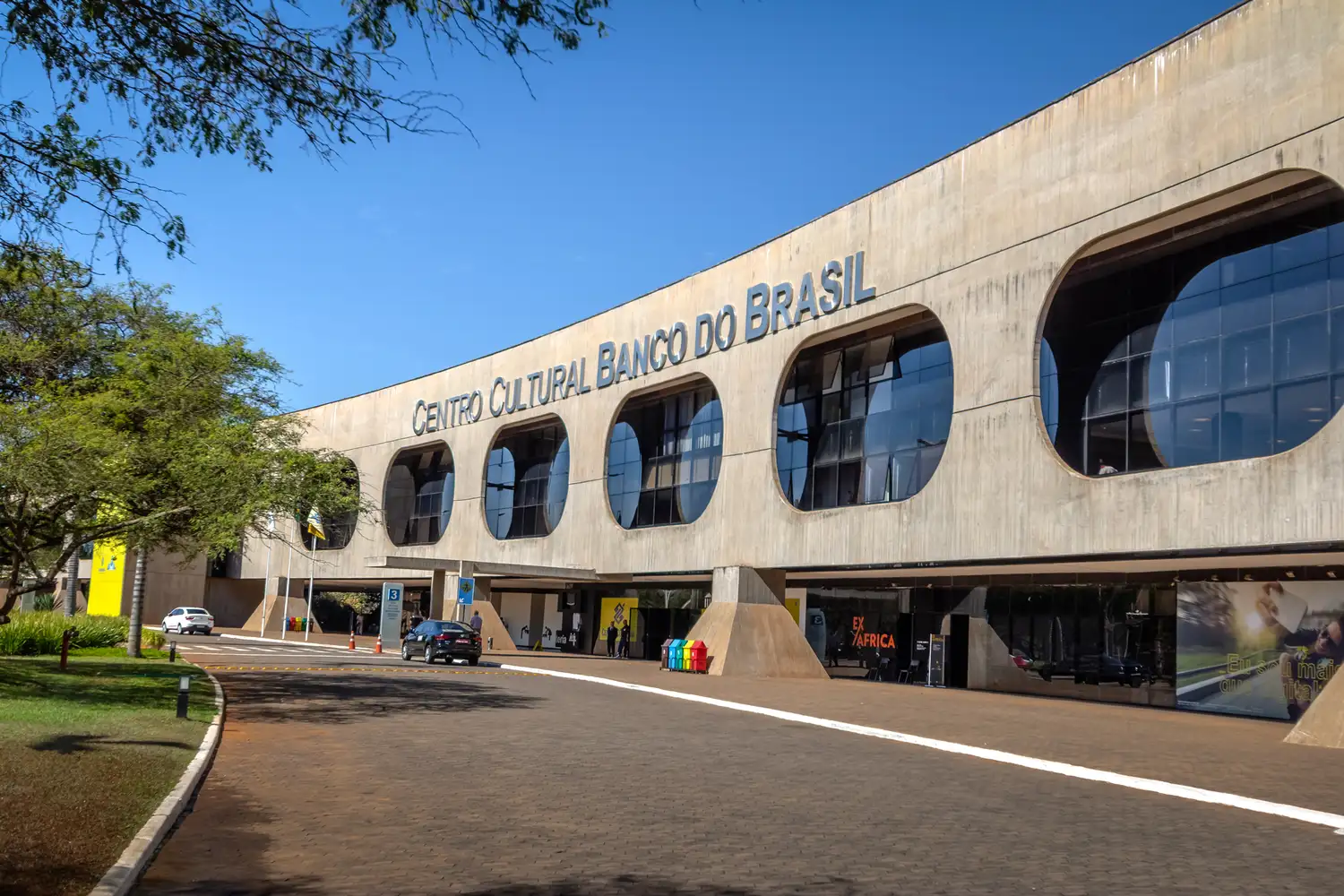
The Monumental Axis is the spine of the city, a central avenue that houses the most significant modernist architecture in Brasília. To walk or drive down this axis is to engage in an oscar niemeyer architecture walking tour brasilia that reveals the sheer scale of the 1950s utopian vision.
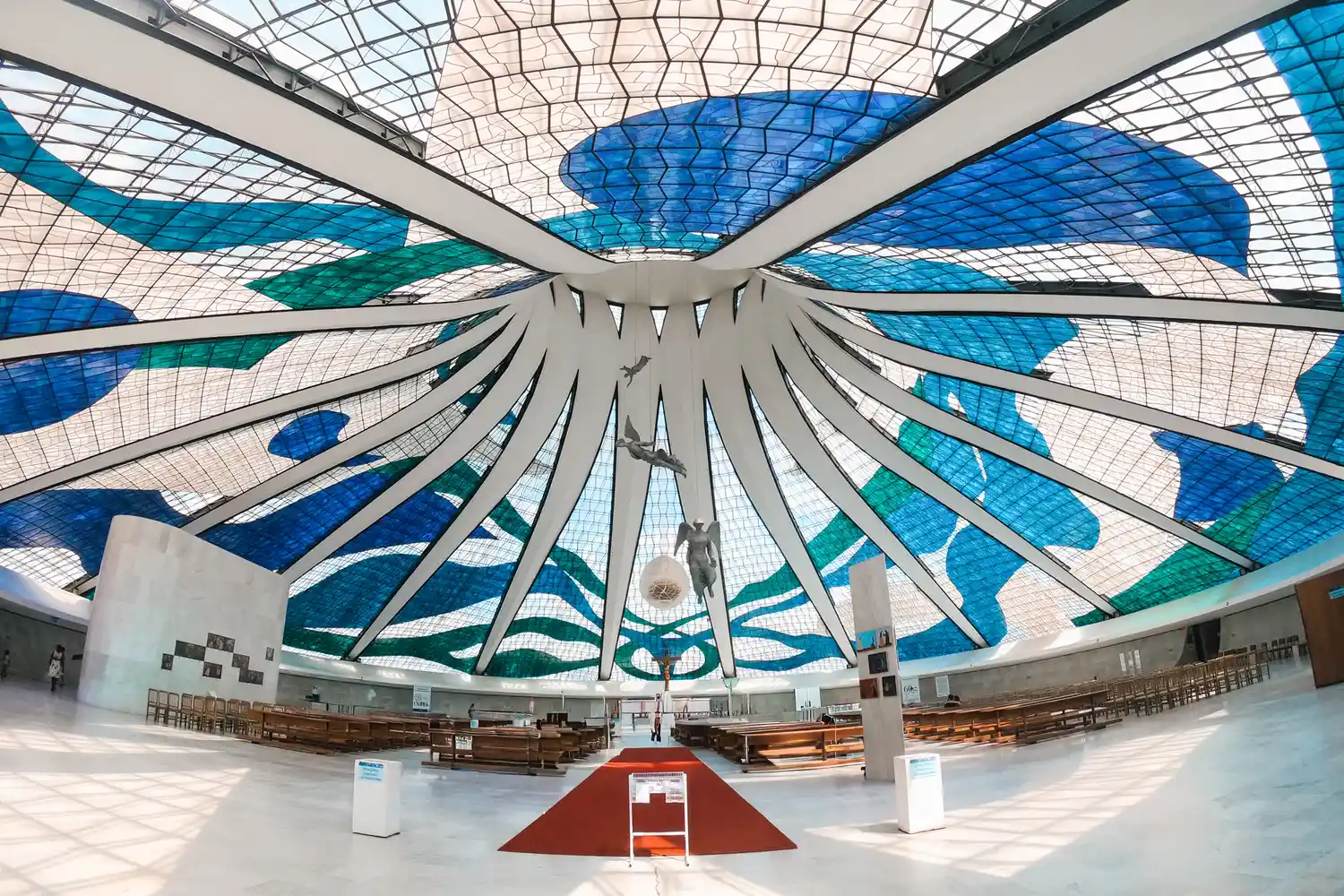
The first stop for any visitor should be the Cathedral of Brasília. This hyperboloid structure, with its sixteen curved concrete columns reaching toward the heavens like praying hands, breaks the traditional expectations of sacred space. Inside, you are bathed in natural light filtered through massive stained-glass panels in shades of blue, green, and brown. It is arguably the most photographed site in the city, but its spiritual weight is best felt in person.
Further down the axis stands the Three Powers Plaza, where the executive, legislative, and judicial branches reside. The National Congress building, with its twin towers and contrasting domes (one concave, one convex), is a masterclass in balance and symbolic power. Nearby, the Itamaraty Palace, the headquarters of the Ministry of Foreign Affairs, offers a softer side of modernism. Here, the Itamaraty Palace arches are reflected in a surrounding mirror of water, while the interior features a stunning collection of Brazilian art and Athos Bulcão mosaic tiles that turn structural walls into abstract masterpieces.
Pro-Tip: Photography Golden Hour The best time to photograph the Monumental Axis is during the 'Hora de Ouro' (Golden Hour), roughly 30 minutes before sunset. In the dry season, the dust in the air creates a brilliant orange and purple glow that makes the white concrete of the buildings appear to float. Position yourself near the National Congress or the JK Bridge for the best views.
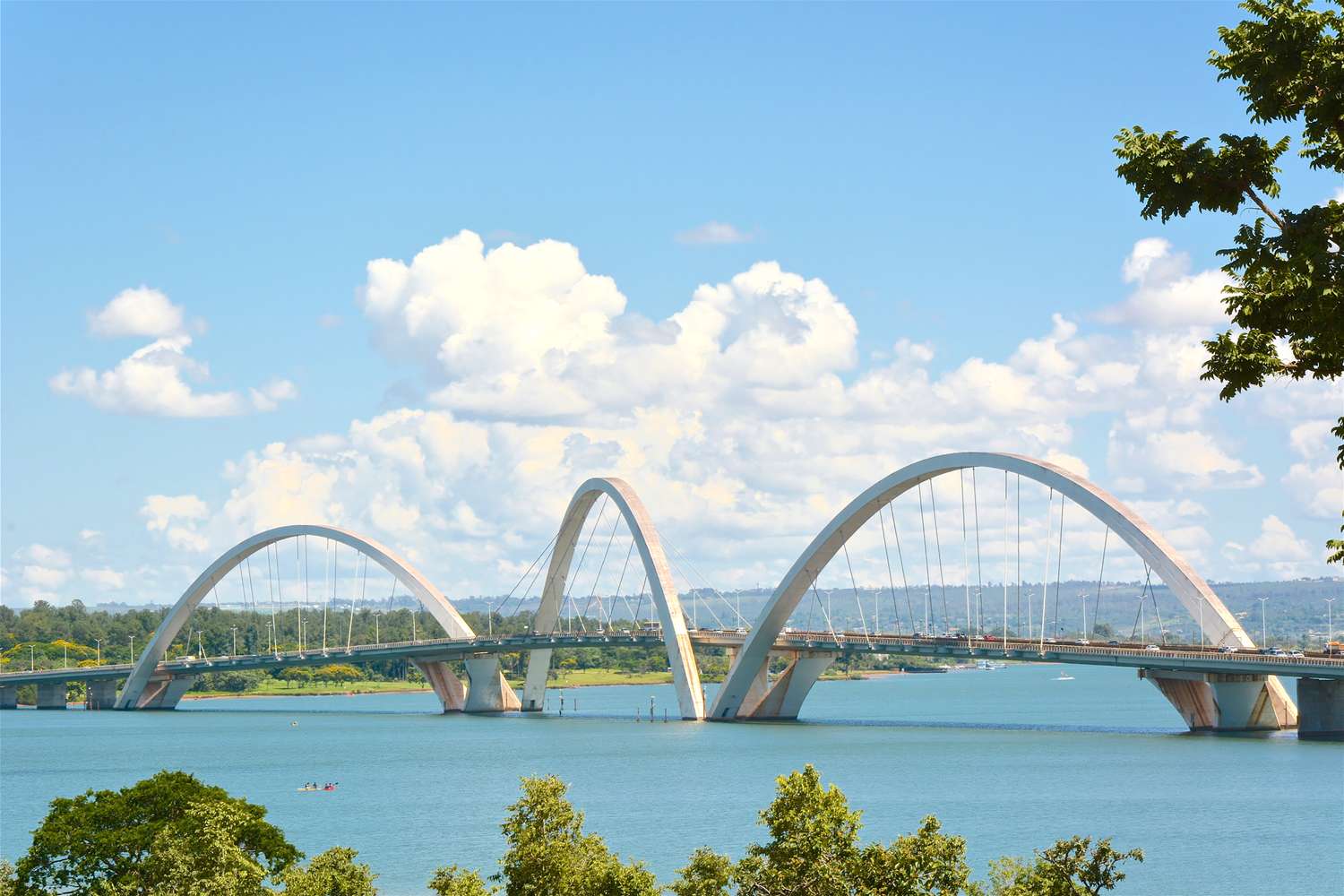
For those looking for the best things to do in Brasília that involve more than just looking at buildings, a walk across the JK Bridge is essential. The three asymmetric steel arches that skip across Lago Paranoá are meant to mimic the movement of a stone skipping across water. It is a stunning example of late-stage Brazilian modernism and provides a perfect vantage point for the city skyline.
Inside the Superquadras: The Art of Living in a Utopian Plan
While the monuments attract the crowds, the true genius of Lúcio Costa urbanism is found in the residential sectors, known as Superquadras. Costa’s 'Pilot Plan' envisioned a city where people would live in self-contained blocks surrounded by greenery, elevated on pillars (pilotis) to allow for free movement of pedestrians and a continuous flow of landscape.
Exploring the superquadras of brasilia residential life offers a look at a unique social experiment. Each block was designed to have its own school, playground, and shopping street, ensuring that residents never had to cross a major highway for their daily needs. The integration of nature is paramount here, largely thanks to Roberto Burle Marx landscaping. His use of native Cerrado plants and geometric garden layouts creates a 'garden city' feel that softens the hard edges of the concrete.
One cannot discuss the residential life without mentioning the Santuário São João Bosco. While smaller than the Cathedral, this square temple is lined with floor-to-ceiling stained glass in 80 different shades of blue. When the sun hits the glass, the entire interior glows with an ethereal, underwater light that exemplifies the city's commitment to artistic expression within everyday functional spaces.
Logistical Reality Check: Planning Your Brasília Itinerary
Success in exploring this city depends on understanding one fundamental truth: Brasília was designed for the car, not the pedestrian. The distances between major landmarks on the Monumental Axis are deceptive; what looks like a short walk on a map can be a two-mile trek under a scorching sun with very little shade.
When getting around brasilia with uber vs rental car, both have pros and cons. Rental cars offer the most freedom, especially if you want to visit spots outside the central core like the Digital TV Tower or quiet lakeside parks. However, Uber is incredibly efficient and affordable in Brasília, and it saves you the headache of navigating the complex cloverleaf interchanges that define the city’s road system. The metro system, while clean and fast, primarily serves the residential suburbs and is of limited use for visiting the main tourist icons.
To see the city properly, you should allow for at least three full days. This allows you to balance the intense architectural sightseeing with moments of relaxation by the lake.
Recommended 3-Day Itinerary
| Day | Focus | Morning | Afternoon | Evening |
|---|---|---|---|---|
| 1 | The Civic Core | Cathedral of Brasília & National Museum | National Congress & Three Powers Plaza | Sunset at the JK Bridge |
| 2 | Residential Life | Superquadra 308 (The Model Block) | Santuário São João Bosco | Dinner at the Hotel Sector |
| 3 | Nature & Leisure | Parque da Cidade (City Park) | Boat tour on Lago Paranoá | Lakeside drinks at Pontão |
Planning for visiting brasilia during the dry season tips includes carrying a reusable water bottle and moisturizer at all times. The humidity in the Central Plateau can drop to desert-like levels in August and September. Despite the heat, this is when the city is most beautiful, as it was inscribed as a UNESCO World Heritage Site in 1987 specifically for its integration and preservation of these modernist ideals within its unique environment.
Where to Stay and Eat: Modernist Icons and Lakeside Views
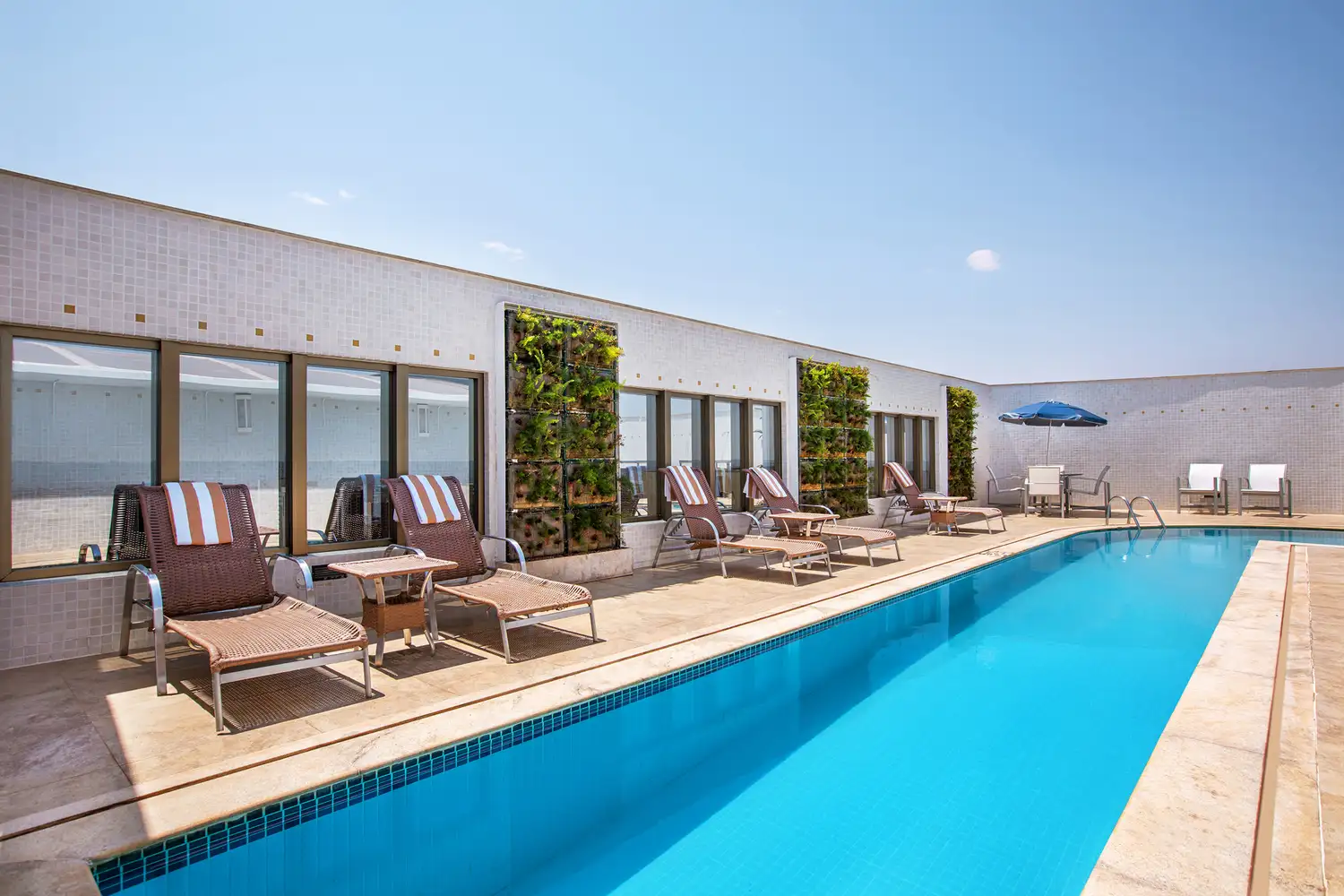
The city is organized into specific sectors (the Sector of Hotels, the Sector of Hospitals, etc.), which makes choosing a location straightforward. Most travelers should stay in the North or South Hotel Sectors (Setor Hoteleiro Norte/Sul). These districts place you at the intersection of the Monumental Axis and the residential wings.
Iconic options like the Royal Tulip Brasília Alvorada offer a luxury experience right on the shores of Lago Paranoá, with architecture that echoes the curves of the city’s famous monuments. If you prefer to be closer to the action, the Meliá Brasil 21 provides a business-luxury hybrid with stunning views of the TV Tower and the axis.
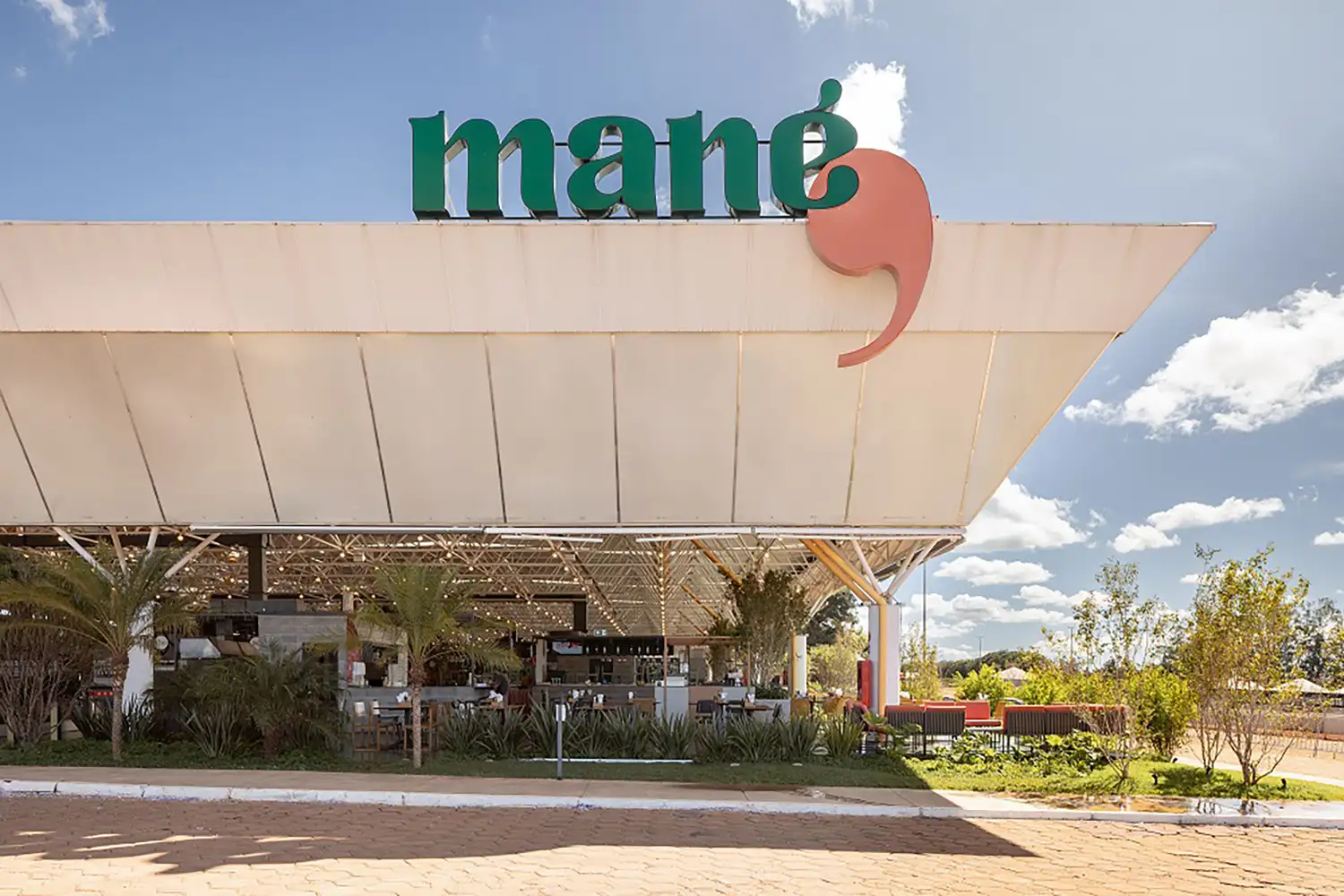
When it comes to dining, the best lakeside restaurants are found at Pontão do Lago Sul. This entertainment complex offers a variety of cuisines with outdoor seating that catches the breeze off the water. For a more contemporary, local experience, head to Mané Mercado, a vibrant food hall near the Mané Garrincha Stadium. It reflects the new Brasília: cosmopolitan, stylish, and deeply proud of its identity.
According to a survey by the Tourist Observatory, over 95% of visitors to Brasília expressed a desire to return to the city. This high satisfaction rating is a testament to the city’s hospitality and the enduring allure of its architectural vision. Whether you are a photography buff looking for the best things to do in Brasília for first timers or a history student interested in the mid-century dream of progress, this city offers a density of experience that is unmatched in South America.
FAQ
Is Brasília worth visiting?
Absolutely. For anyone interested in design, history, or urban planning, it is a bucket-list destination. It offers a completely different perspective of Brazil than the coastal cities of Rio or Salvador, showcasing the nation's 20th-century ambition and artistic brilliance.
What is the best time of year to visit Brasília?
The dry season from May to September is the ideal time. This period offers the clearest skies and most comfortable temperatures for exploring the outdoor monuments and the extensive park systems.
How many days do you need in Brasília?
Three to four days is generally sufficient to see the major architectural sites, explore the residential superquadras, and enjoy a few meals along Lake Paranoá. It also leaves time for a day trip to nearby natural attractions if desired.
Is Brasília safe for tourists?
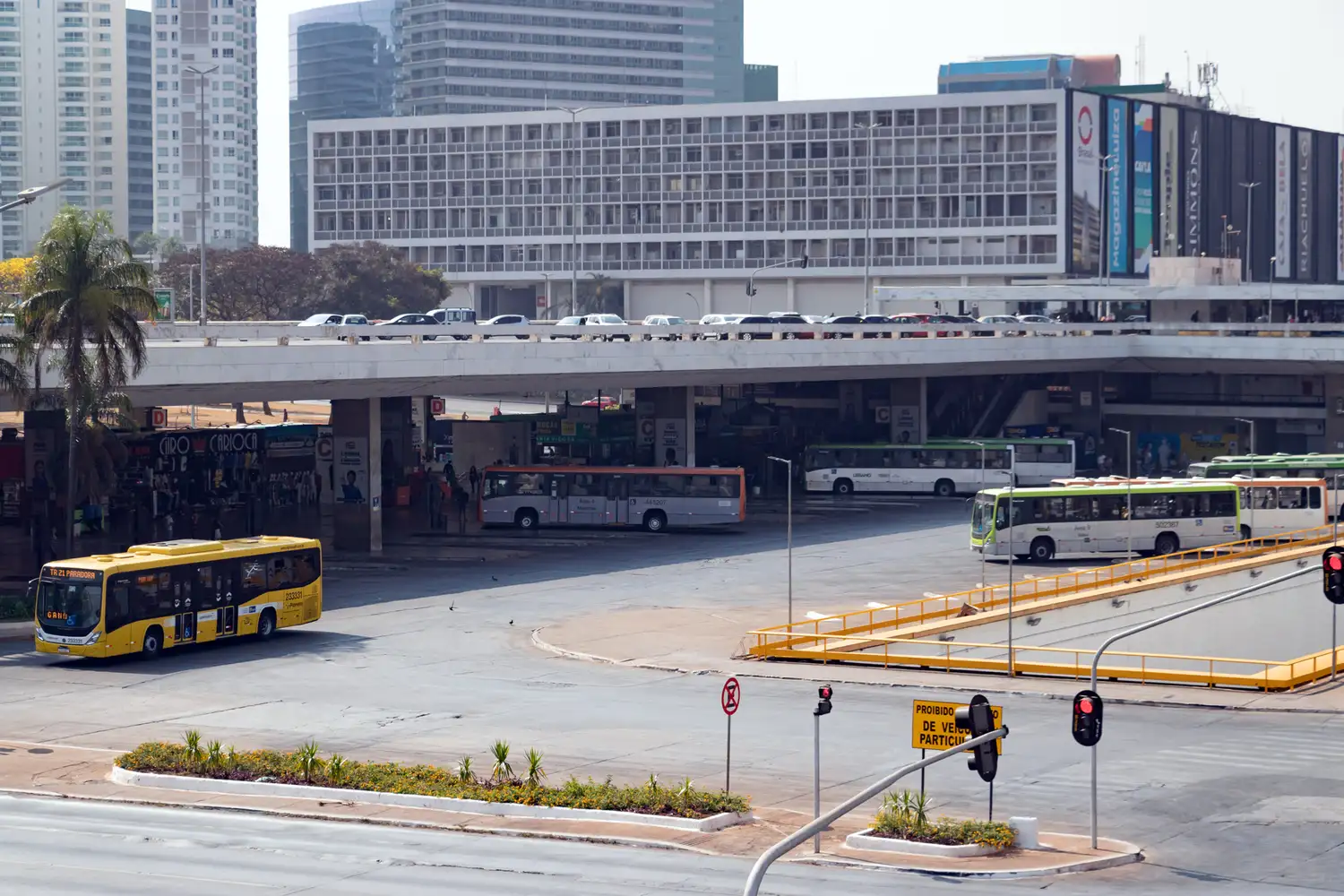
Brasília is generally safer than many other large Brazilian capitals. The Pilot Plan area is well-policed and easy to navigate. However, like any major city, you should remain aware of your surroundings, especially at night near the central bus terminal or in less populated areas of the Monumental Axis.
How do you get around Brasília without a car?
While walking is difficult due to the city's scale, Uber and 99 are very active and affordable. They are the most convenient way to move between the hotel sectors and the various monuments without the stress of driving yourself.
What is Brasília famous for?
Brasília is world-famous for its status as a planned city and its exceptional modernist architecture designed by Oscar Niemeyer. It is the only 20th-century city to be designated a UNESCO World Heritage site in its entirety, recognized as a masterpiece of human creative genius.