Quick Facts
- Capital Status: Officially designated as the Pizza Capital of the United States by the U.S. House of Representatives in 2024.
- The Holy Trinity: The most legendary spots include Frank Pepe Pizzeria Napoletana, Sally’s Apizza, and Modern Apizza.
- Technical Edge: Defined by high-heat coal-fired or oil-brick ovens reaching temperatures over 600 degrees Fahrenheit.
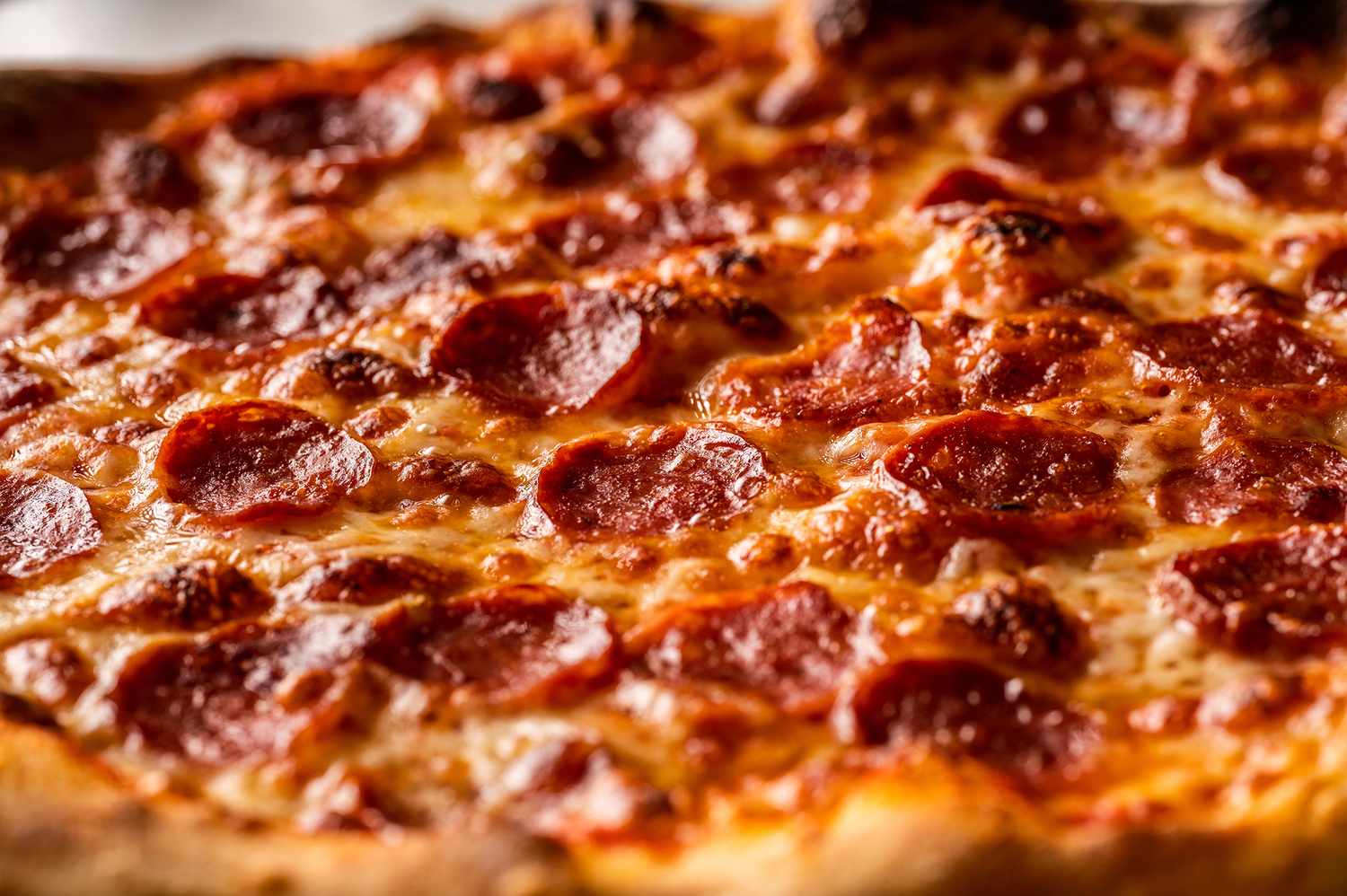
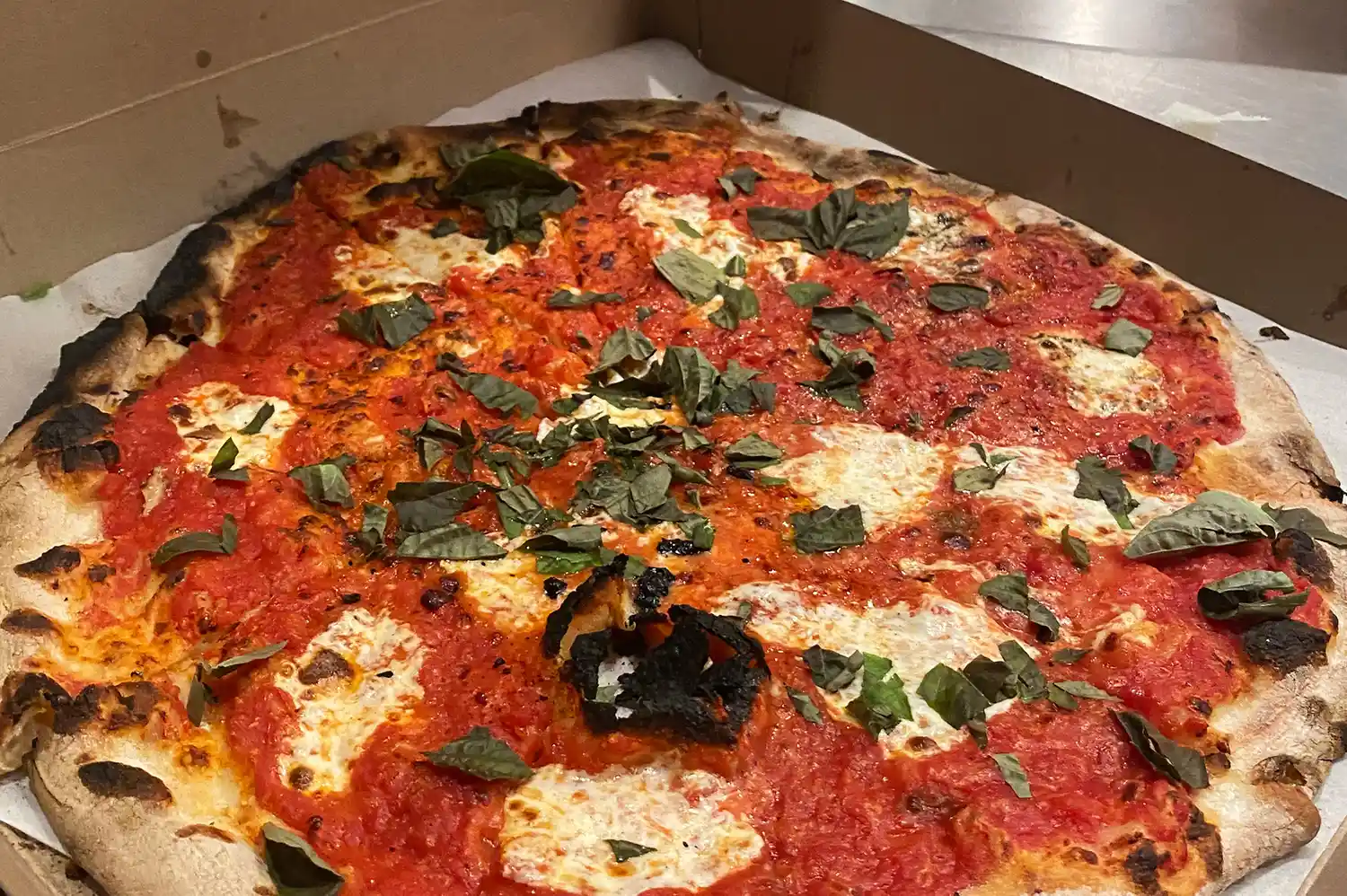
- The Slice: Known as apizza, featuring a thin, charred crust texture that is chewy and sturdy rather than soft and foldable.
- Ordering Rule: A standard pie is a tomato pie; mozzarella is considered an extra topping and must be requested specifically.
- Local Stats: Connecticut has the highest number of pizzerias per capita in the country, with one shop for every 2,800 residents.
New Haven pizza, specifically the thin-crust apizza style, is officially the best in the US. This New Haven pizza travel guide explores the legendary Frank Pepe vs Sally’s vs Modern debate and why this humble Connecticut city has outpaced New York in the quest for the perfect slice.
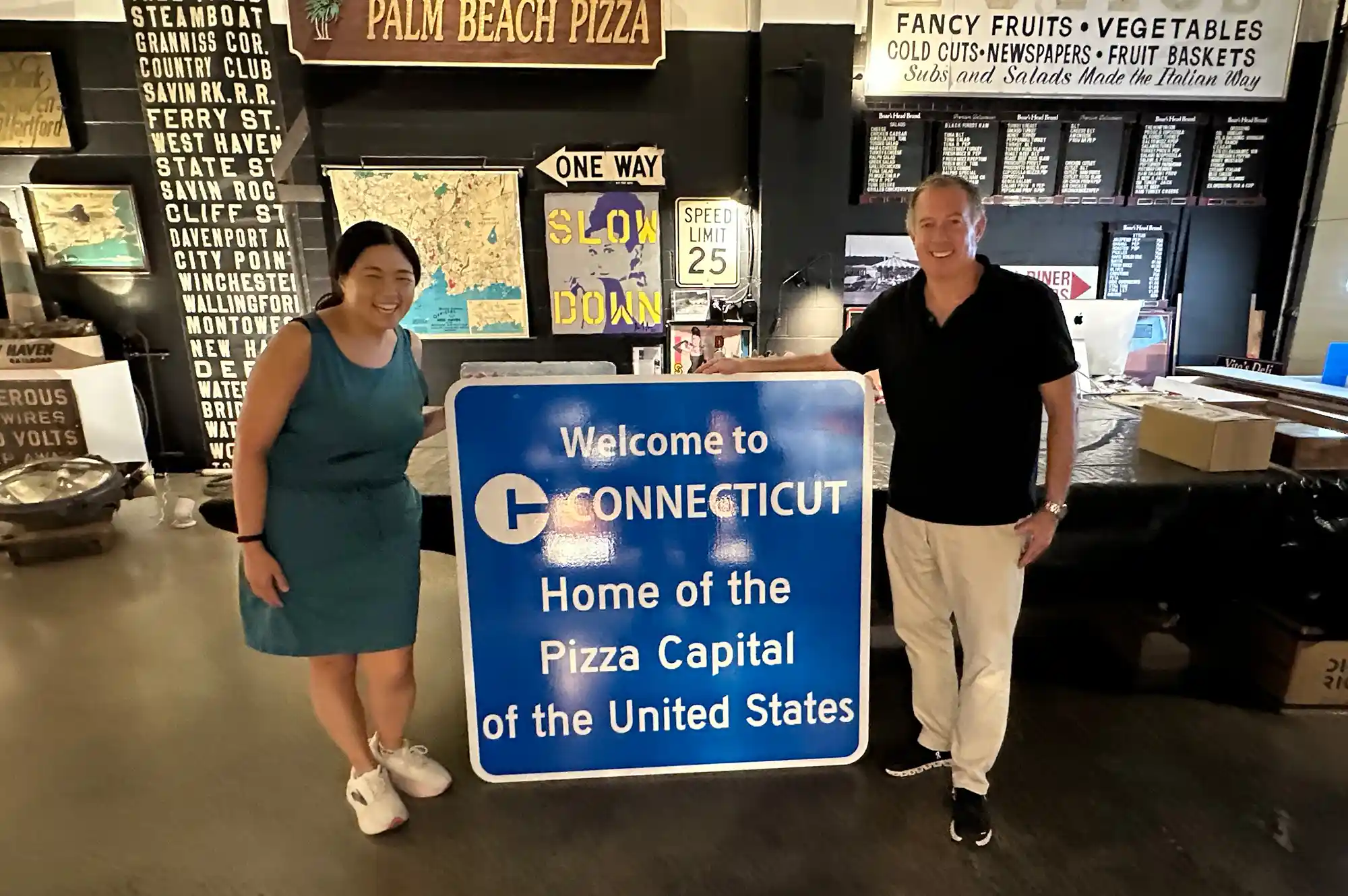
To understand why the world’s most discerning food critics consistently bypass Manhattan for the Elm City, one must first understand the spirit of the place. New Haven does not offer you a seat; it offers you a destination. Since New Haven was officially designated as the Pizza Capital of the United States on May 22, 2024, the secret is out, but the method remains unchanged since the 1920s.
Understanding the Apizza Dialect and History
The story of the New Haven pizza begins in the early 20th century with the arrival of immigrants from Naples, who brought with them the tradition of the Neapolitan tomato pie. In the local dialect of Wooster Square, the word for pizza was transformed into Ah-Beetz. This linguistic quirk gave birth to the term apizza, a word that now carries the weight of a century of culinary pride.
Characteristics of New Haven style apizza crust are rooted in chemistry and heat. Unlike the doughy, bread-like crust found in many chain pizzerias, New Haven apizza style revolves around a long fermentation process that results in a chewy dough consistency. When this dough meets the intense heat of an oven, it develops a charred crust texture that some outsiders might mistake for being burnt, but locals know as the source of its deep, smoky flavor.
A visit to the New Haven Museum, which features exhibits on this history through 2027, reveals how the city’s industrial landscape influenced its food. The use of anthracite coal, a clean-burning mineral, allowed for the sustained, blistering temperatures required to create that iconic char. This is a crucial element of the New Haven pizza vs New York pizza differences: while New York often relies on gas or wood-fired ovens, the classic New Haven temples of dough still swear by the coal-fired brick oven.
The Holy Trinity: Frank Pepe vs Sally’s vs Modern
For any serious culinary traveler, the heart of the journey lies in the debate Tier: Frank Pepe vs Sally’s vs Modern. These three establishments form the foundation of the New Haven pizza pilgrimage, each offering a slightly different interpretation of the form.
Frank Pepe Pizzeria Napoletana, located at 157 Wooster Street, was once ranked as the No. 1 pizzeria in the United States by The Daily Meal for nine consecutive years. Known for inventing the white clam pie, Pepe’s uses fresh-shucked clams, garlic, oregano, and olive oil atop a bed of Pecorino Romano. It is a salty, briny masterpiece that defies the traditional notion of what pizza should be.
Next door, Sally’s Apizza at 237 Wooster Street offers a different atmosphere. Opened by Frank Pepe’s nephew Sal Consiglio in 1938, it is famous for its heavily charred crust and its refusal to compromise on tradition. Sally’s is the place for the purist seeking a tomato pie—just crushed Italian tomatoes and a dusting of Pecorino Romano.
Modern Apizza, situated away from Wooster Square at 852 State Street, offers a more neighborhood-oriented vibe. It utilizes an oil-fired brick oven and is beloved for the Italian Bomb, a hearty pie loaded with sausage, pepperoni, mushrooms, peppers, and onions.
| Feature | Frank Pepe | Sally’s Apizza | Modern Apizza |
|---|---|---|---|
| Oven Type | Coal-fired brick | Coal-fired (Anthracite) | Oil-fired brick |
| Signature Pie | White Clam Pie | Tomato Pie (No Mozz) | The Italian Bomb |
| Atmosphere | Historical & Bustling | Gritty & Traditional | Family-owned & Warm |
| Founded | 1925 | 1938 | 1934 |
Beyond the Classics: BAR and The Mashed Potato Pizza
While the Big Three dominate the conversation, the evolution of New Haven pizza continues. BAR, located at 254 Crown Street, offers a more modern, night-life-centric experience that appeals to the Yale University students and the craft beer crowd.
BAR is specifically famous for an item that sounds improbable but tastes like a revelation: the mashed potato and bacon pizza. It’s a white pie—meaning no tomato sauce—topped with a thin layer of seasoned mashed potatoes and crispy chunks of bacon. The starch of the potatoes against the crispy, thin crust creates a textural contrast that has made it a local legend. If you are wondering where to try mashed potato pizza in New Haven, this is the definitive answer.
The Perfect Pairing: Foxon Park Soda
No true New Haven pizza guide is complete without mentioning the mandatory beverage pairing: Foxon Park soda. Produced in nearby East Haven since 1922, this soda has an Italian-American heritage that mirrors the pizzerias themselves.
Traditional local Foxon Park soda flavors to try include:
- White Birch Beer: A crisp, wintergreen-adjacent flavor that cuts through the richness of the cheese.
- Gassosa: A lemon-lime soda that is significantly less sweet than national brands, perfectly balancing a salty white clam pie.
- Cream Soda: Deeply vanilla-forward and smooth.
- Iron Brew: A unique, slightly medicinal but refreshing herbal blend.
Order a bottle at any of the major pizzerias to complete the sensory branding of your meal. The fizz of the Gassosa against the char of the dough is a rite of passage for every enthusiast.
Pizza Pilgrimage Logistics: Tips for Beginners
To enjoy the best New Haven pizza without unnecessary stress, one must understand the logistics. These pizzerias are not mere fast-food joints; they are monuments that require a strategy.
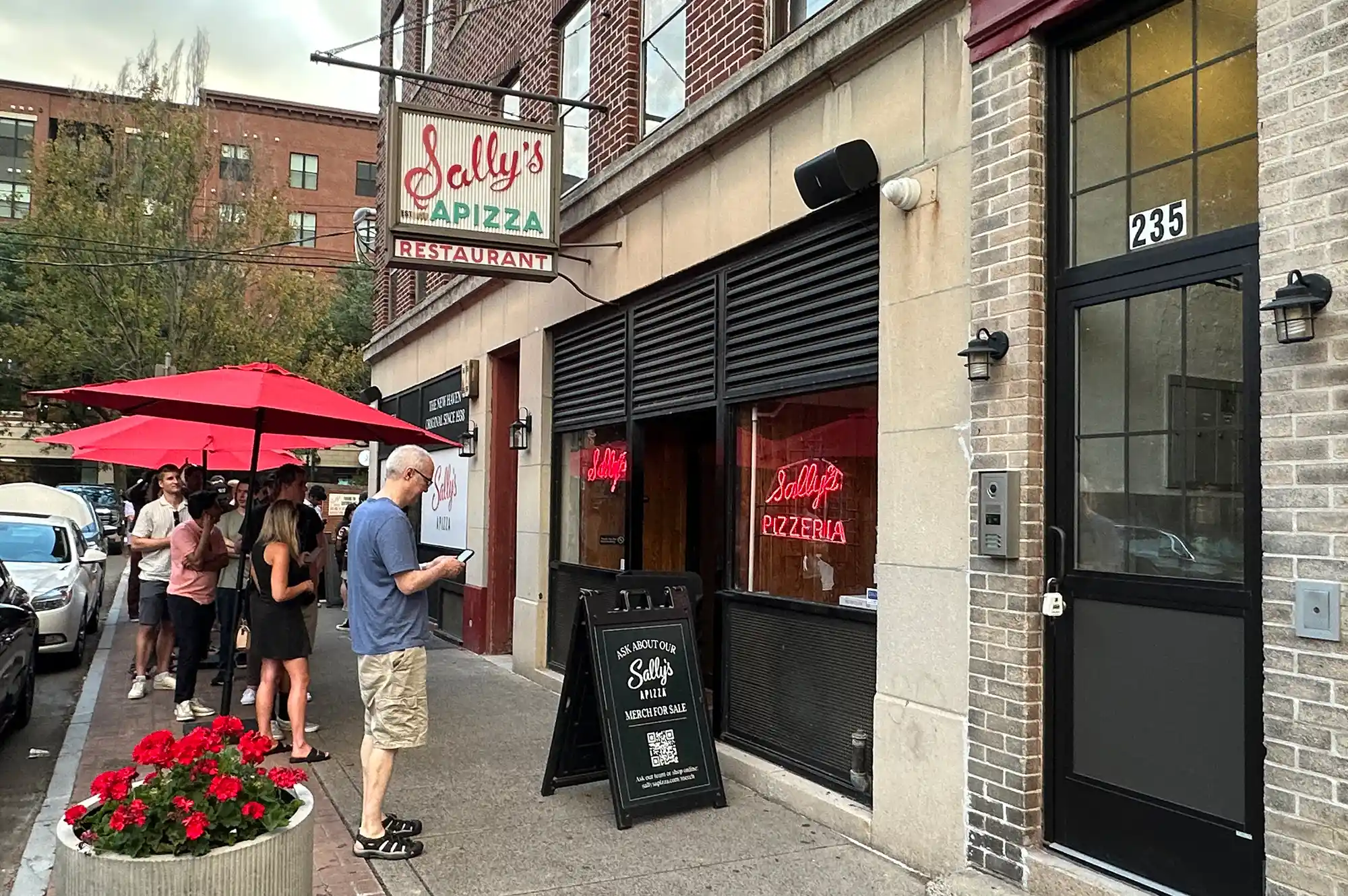
If you want to know how to skip the wait at Sally's Apizza, your best chance is to visit during weekday afternoons (Tuesday or Wednesday between 2:00 PM and 4:00 PM). Alternatively, most of these spots now offer online ordering for takeout. Ordering ahead and taking your pie to the grassy park in Wooster Square is a classic move that saves hours of standing in line.
- Cash is Queen: While many spots now take cards, keeping cash on hand for tips or at the smaller auxiliary counters at Frank Pepe is always wise.
- The Mozzarella Rule: Remember, a "plain" pie means no mozzarella. If you want cheese, ask for a "mozz pie."
- Stay Local: Consider staying in the Wooster Square vicinity or searching for pizza-themed local rentals that allow you to walk to the pizzerias.
- The "Wait" Culture: Do not be discouraged by a line. The wait is part of the communal experience; you will likely find yourself debating the merits of Frank Pepe vs Sally’s vs Modern with the strangers standing next to you.
FAQ
What makes New Haven style pizza unique?
New Haven style pizza is distinguished by its extreme thinness and a charred crust texture achieved through high-heat coal or oil brick ovens. The dough undergoes a long fermentation, creating a chewy consistency that holds up under toppings without becoming soggy.
What is the difference between New Haven pizza and New York pizza?
The primary New Haven pizza vs New York pizza differences lie in the bake and the crust. New York pizza is often foldable and baked in gas ovens, while New Haven apizza is crispier, carries a darker char, and traditionally excludes mozzarella as a default cheese unless requested as an additive.
Why is New Haven pizza called apizza?
The term comes from the Neapolitan dialect used by Italian immigrants who settled in the Wooster Square neighborhood. The pronunciation is Ah-Beetz, and the name apizza has stuck as a way to distinguish the city's specific style from all other types of pizza.
Is New Haven pizza supposed to be burnt?
It is not burnt; it is charred. The char is an intentional result of the high-heat oven and provides a smoky, complex flavor that balances the sweetness of the crushed tomato sauce and the saltiness of the Pecorino Romano.
Does New Haven pizza always have mozzarella cheese?
No. In New Haven, the traditional tomato pie consists solely of dough, tomato sauce, oregano, and a sprinkle of Pecorino Romano. If you want what most Americans call a cheese pizza, you must specifically order a mozzarella pie.
Why is New Haven considered the pizza capital of the world?
In May 2024, it was officially entered into the Congressional Record as the Pizza Capital of the United States. This designation recognizes the city's historical importance, the concentration of elite pizzerias, and the fact that Frank Pepe Pizzeria Napoletana has frequently been named the best in the nation by national food publications.