Quick Facts
- The Philosophy: Heritage over hype; staying power and atmospheric integrity.
- Top Historic Pick: Rules (Est. 1798), the oldest restaurant in London.
- Seafood Heritage: Sweetings (Est. 1889), a Grade II-listed oyster bar.
- Modern Classic: Bouchon Racine for authentic Lyonnaise cuisine in Smithfield.
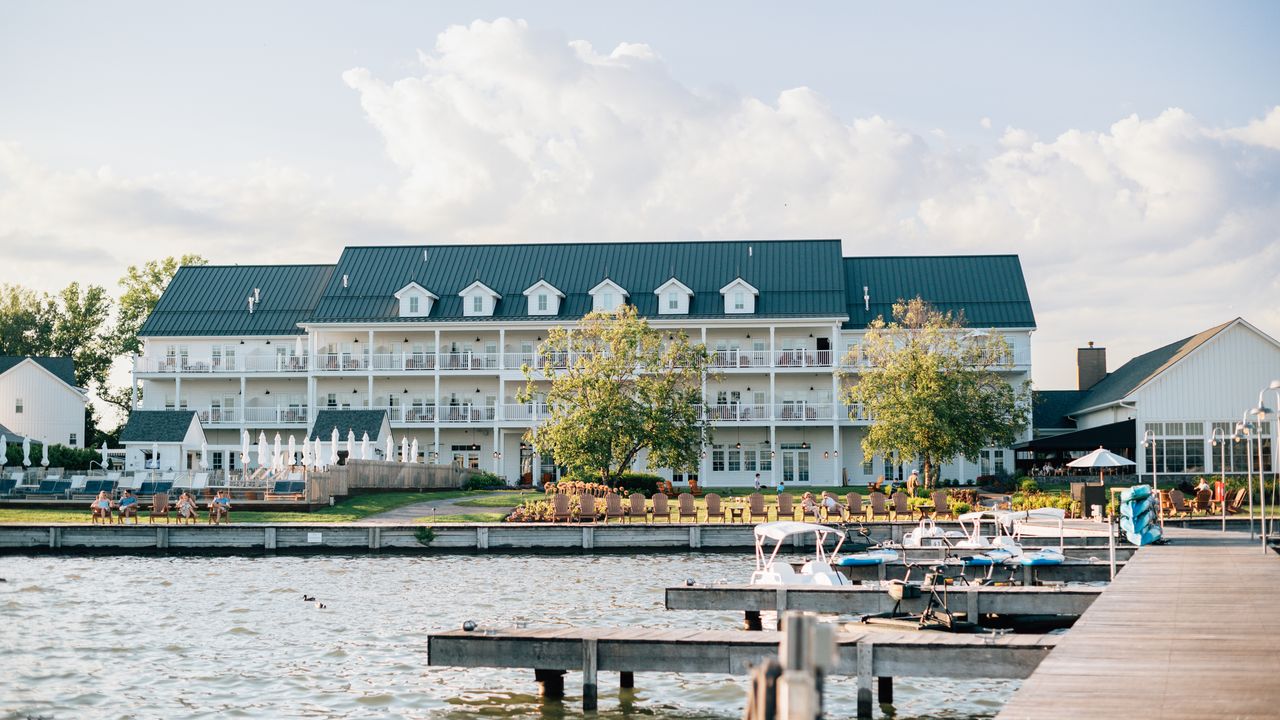
- Unique Experience: The Seahorse in Dartmouth for provenance-driven coastal dining.
- 2026 Highlight: The Grand Reopening of Simpson’s in the Strand under Jeremy King.
Trevor Gulliver, the visionary behind St. John, has spent decades defining the London dining scene. Moving beyond the nose-to-tail philosophy, his definitive list of chef recommended restaurants focuses on atmospheric integrity and culinary depth. This St John founder dining guide highlights the best traditional London restaurants that have survived the test of time, from historic oyster bars to suburban curry houses.
Trevor Gulliver’s top chef recommended restaurants are defined by heritage and consistency rather than trends. His quintessential St John founder dining guide includes Sweetings for fresh seafood, Bouchon Racine for Lyonnaise depth, and Rules for traditional British game, representing the best traditional London restaurants with undeniable staying power.
The Philosophical Anchor: St. John and the Nose-to-Tail Ethos
To understand what makes a restaurant worthy of Trevor Gulliver’s praise, one must first look at the foundation he built alongside Fergus Henderson. Located at 26 St. John Street, within the soaring, whitewashed walls of a former bacon smokehouse, St. John redefined modern British gastronomy. It was here that the nose-to-tail philosophy was born, a rejection of the wasteful and the ornate in favor of the visceral and the honest. This space is more than a culinary institution; it is a testament to the industrial chic aesthetic that values function over flash.
In the early morning hours, the scent of baking sourdough drifts from the ovens, mingling with the heavy, historic air of nearby Smithfield Market. This connection to the market is not merely proximity; it is the soul of the restaurant. The menu changes daily, reflecting the rhythm of the seasons and the availability of offal dishes that many other kitchens would discard. Dining here is a ritual of simplicity, where the clatter of cutlery against plain white plates provides the only soundtrack needed.

Must-Order at St. John
The Roast bone marrow with parsley salad is perhaps the most iconic dish in London. It is a masterclass in texture—the rich, vertical marrow scooped onto toasted sourdough and cut by the sharp, acidic crunch of parsley and capers. Pair it with a selection from their exceptional natural wine selection to experience the full breadth of their vision.
Time-Honored Institutions: London’s Best Traditional Seafood and Game
For Gulliver, staying power is the ultimate metric of success. He often points his peers toward establishments where the decor has aged into a fine patina and the service remains a choreographed dance of tradition. Rules, located in the heart of Covent Garden, is the centerpiece of this philosophy. Established in 1798, it is the oldest restaurant in London, a place where time seems to hold its breath.
The walls of Rules are crowded with oil paintings and caricatures, a visual history of the city’s literary and theatrical elite. Specialized in game and oysters, the kitchen sources much of its produce from the restaurant's own estate in the High Pennines. This commitment to provenance is what keeps it on the list of top chef recommended restaurants year after year. It offers a level of silver service that feels celebratory without being stifling.
Equally historic is Sweetings in the City of London. Since 1889, this Grade II-listed treasure has served the financiers and fish-lovers of the capital. It is a lunchtime-only affair, where the standing bar rituals are as important as the food itself. To stand at the counter with a pint of Black Velvet—a decadent mix of stout and champagne—and a plate of the freshest native oysters is to participate in a piece of living history. This is one of the historic London oyster bars and fish restaurants that defines the city’s culinary backbone.
Must-Order at Sweetings
For a classic dining experience, order the potted shrimps followed by the fried plaice. There is no pretense here; the focus is entirely on the quality of the catch and the continuity of the experience.
Must-Order at Rules
The grouse, when in season, is unparalleled. Served with all the traditional trimmings—bread sauce, game chips, and rowan jelly—it represents the peak of British heritage dining.
Specialized Excellence: From Smithfield Bistros to Suburban Curry Houses
While Gulliver champions the grand dames of the West End, he also keeps a keen eye on the specialists. At the top of his list for authentic French bistro and bouchon restaurants in London is Bouchon Racine. Located above a pub in the shadow of Smithfield Market, this room is the work of chef Henry Harris. It captures the soul of Lyonnaise cuisine better than almost any other spot outside of France.
The room feels like a hidden corner of the 6th Arrondissement, with hanging lace curtains and chalkboard menus. It is a place for long, indulgent lunches fueled by carafes of Rhône red and dishes that celebrate the art of the French kitchen. From a restaurateur perspectives, the success of Bouchon Racine lies in its refusal to modernize for the sake of it, maintaining a menu depth that relies on classical technique.
Gulliver also finds excellence in the most unexpected places. Dastaan, located in the suburban stretch of Ewell, is frequently cited as one of the top-rated London curry houses recommended by chefs. Run by former Gymkhana chefs, it offers a level of spice precision and ingredient quality that rivals the most expensive dining rooms in Mayfair. It is a reminder that where chefs eat in London for local cuisine often involves a journey to the ends of the Tube line.
Must-Order at Bouchon Racine
The Tête de Veau is a dish for the brave and the knowledgeable, a nod to the offal-forward thinking Gulliver admires. Alternatively, the steak au poivre is widely considered the best in the city.
Must-Order at Dastaan
The Lamb Chops and the Chicken Tikka are legendary here, charred to perfection in the tandoor while remaining incredibly succulent.
Modern Masters: Live Fire and Refined Tables
The evolution of modern British gastronomy is reflected in the newer additions to Gulliver’s essential list. Brat, situated in a former Shoreditch strip club, has become a place of pilgrimage for those who love Basque-inspired live-fire cooking. The kitchen is open, centered around wood-fired ovens that produce a smoky, primal aroma.
The focus at Brat is on the whole-grilled turbot, a dish that has become a modern classic. It is a restaurant that understands the beauty of fire and the importance of sourcing the very best ingredients, aligning perfectly with the St John founder dining guide ethos of simplicity and excellence.
For those seeking a more intimate and technical experience, Kitchen Table in Fitzrovia offers a two-Michelin-starred journey. With only 20 seats arranged around an open kitchen, it offers a front-row seat to the culinary process. The menu is a surprise every night, dictated by the best produce available from the farm, the forest, and the sea. This is a premier destination for those looking for Michelin starred dining rooms for special occasions in London.
Must-Order at Brat
The whole turbot is mandatory. It is slow-cooked over the embers until the skin is crisp and the flesh is gelatinous and sweet. It’s a dish designed for sharing among friends.
Beyond the Restaurant: Artisan Shops and Markets
Trevor Gulliver’s influence extends beyond the seated dinner. He has always championed the artisans who make great dining possible. Neal’s Yard Dairy is a cornerstone of this community. Whether you are at their shop in Borough Market or Covent Garden, their commitment to British and Irish farmhouse cheeses is legendary. A wedge of Montgomery cheddar or a piece of Stichelton blue is an essential component of the London food landscape.
He also finds inspiration in the vibrant chaos of the Columbia Road Flower Market and the surrounding craft shops. These spots align with the founder's ethos—valuing the maker, the history, and the sensory joy of the marketplace. For Gulliver, a great meal begins long before the stove is lit; it starts with the relationship between the producer and the city.
FAQ
What defines a chef recommended restaurant?
A restaurant earns the title when it prioritizes consistency, ingredient quality, and culinary integrity over fleeting social media trends. Chefs look for kitchens that master technique and respect the heritage of their ingredients, often favoring places with a clear, singular vision.
How do I find out where local chefs eat?
Local chefs often frequent neighborhood gems that offer high-quality food in a relaxed atmosphere. To find these spots, look for restaurants located near major markets like Smithfield or Borough, and follow the recommendations of veteran restaurateurs who value longevity and authenticity over hype.
Can I find affordable chef recommended restaurants?
Yes, many chef favorites are surprisingly accessible. Establishments like Dastaan in Ewell or traditional oyster bars often provide world-class food at a fraction of the price of high-end tasting rooms. The focus is on the value of the ingredients and the skill of the kitchen rather than expensive decor.
Why are chef recommendations better than online reviews?
Chef recommendations are based on a deep understanding of the industry, from the difficulty of a specific technique to the reliability of a supplier. While online reviews can be swayed by a single bad night or aesthetic preferences, a chef’s endorsement usually signifies a long-term standard of excellence and professional respect.
What criteria do chefs use to recommend a restaurant?
Key criteria include the seasonal relevance of the menu, the skill shown in basic preparations, the atmosphere or soul of the room, and the restaurant's ability to maintain its standards over many years. A sense of place and a commitment to provenance are also highly valued traits.