Quick Facts
- 2026 Transit Perk: The high-speed rail network (AVE) now connects Madrid to the rugged shores of Galicia in under 3 hours, a game-changer for those seeking cooler northern climates.
- Solar Event: A Total Solar Eclipse on August 12, 2026, will be perfectly visible from the northern Spanish coastal destinations, particularly in Asturias and Galicia.
- Visitor Caps: Environmental protection is a priority; the Cíes Islands and several hidden coves in the Balearics now require pre-booked permits to manage visitor density.
- Family Top Pick: San Sebastián’s La Concha remains the gold standard for families due to its calm waters, city amenities, and easy accessibility.
- Top Pick for Seclusion: Menorca’s Cala Pregonda offers a striking landscape of red dunes and turquoise sea, accessible only by foot or boat.
- Top Performance: The Canary Islands and Andalusia are the primary growth drivers, with Spain set to welcome a record-breaking 9.1 million international visitors in April 2026 alone.
Spain is bracing for a record-breaking 2026 with over 100 million visitors projected. To beat the crowds at popular Spanish coastal destinations, you need a strategy that balances the best beaches in Spain 2026 with hidden coves and sandy dunes Spain. Whether you are chasing the August solar eclipse in the north or seeking crystalline turquoise waters in the south, these 10 spots provide the ultimate 2026 coastal experience.
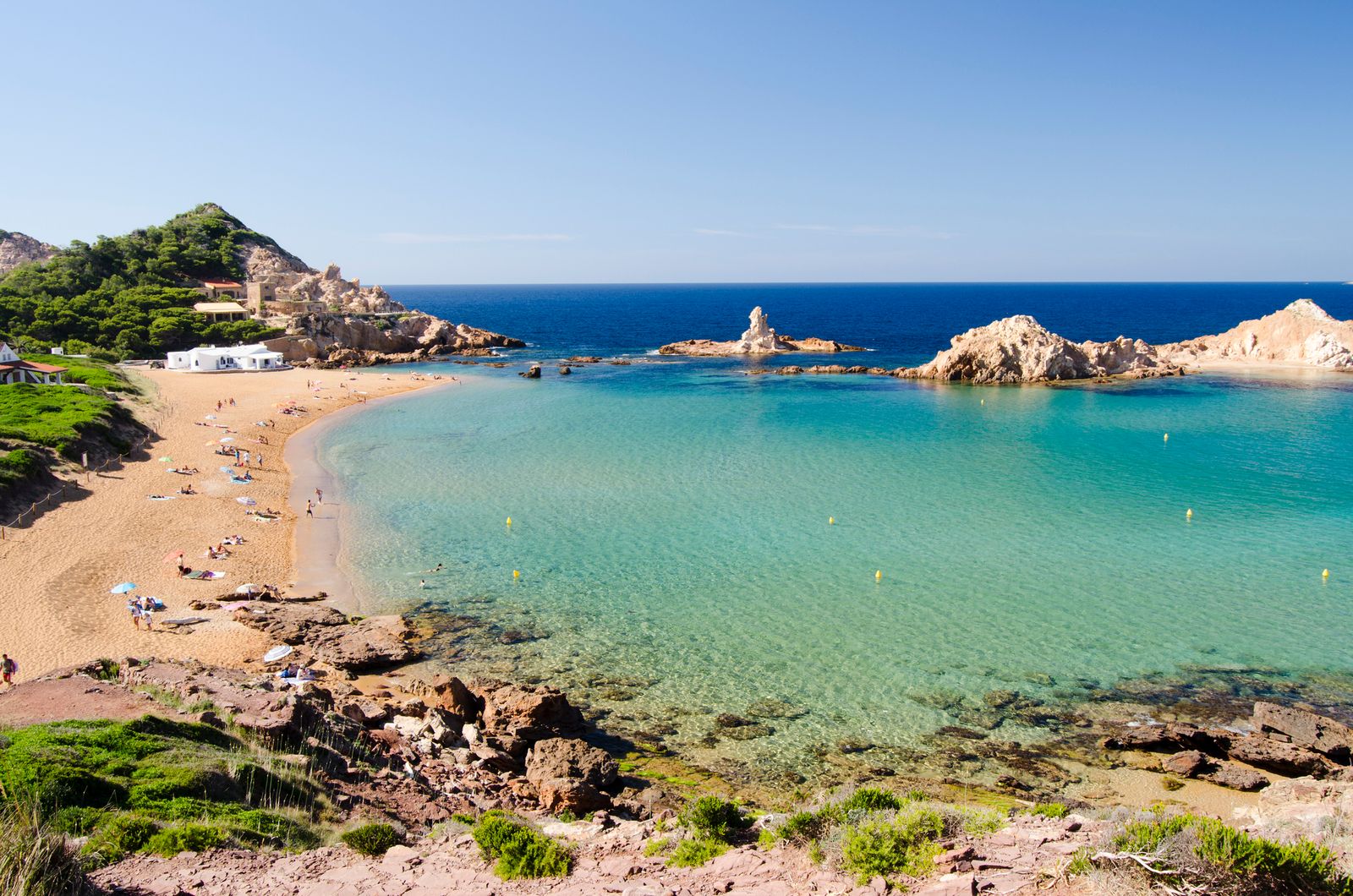
For travelers seeking seclusion and natural beauty, Menorca’s Cala Pregonda and the Atlantic Islands of Galicia are among the best Spanish coastal destinations. These locations often require a short hike or boat access, offering pristine waters and a respite from summer crowds. In northern Spain, Playa del Silencio in Asturias provides a dramatic landscape of limestone cliffs and clear waters, though visitors should bring water shoes for the pebbled shoreline.
1. The Galician Frontier: Cíes Islands & the Atlantic Coast
Known as the Caribbean of the North, the Cíes Islands are the crown jewel of the Atlantic Islands of Galicia National Park. For those interested in how to visit the Atlantic Islands of Galicia in 2026, the process involves securing a digital permit well in advance, as the local government maintains strict daily caps to preserve the delicate maritime heritage and ecosystem. The islands are famous for Playa de Rodas, a crescent of powdery white sand that rivals any beach in the Mediterranean archipelago.
While on the mainland, the 13km coastal promenade in A Coruña offers a more urban look at the Bay of Biscay. We recommend exploring the rugged northern Spain coastal travel guide for 2026 to understand how the new rail infrastructure has revolutionized access here. Moving between the mainland’s historic lighthouse structures and the crystalline turquoise waters of the archipelago has never been more efficient.
Quick Logistics
- Vibe: The Caribbean of the North
- Nearest Train/Airport: Vigo Airport or High-speed rail to Santiago/Vigo
- Best Time to Visit: June to September for swim-friendly temperatures
2. Asturias: Pebble Coves & Limestone Cliffs
Asturias is where the mountains literally meet the sea. This region is home to Playa del Silencio, a natural amphitheater framed by soaring limestone cliffs. For visitors exploring this rugged northern Spain coastal travel guide for 2026, it is essential to note that the shoreline is largely composed of pebbles rather than sand; we suggest packing high-quality water shoes for comfort.
The upcoming Total Solar Eclipse on August 12, 2026, has already made Asturias a focal point for celestial tourism. This natural event provides a unique backdrop to the low-tide natural pools found along the rocky coast. The influence of the 2026 Tour de France through northern Spain has also led to improved infrastructure, making it easier to navigate the winding roads that lead to these best beaches in Spain 2026.
Quick Logistics
- Vibe: The Natural Cathedral
- Nearest Train/Airport: Asturias (OVD) Airport
- Best Time to Visit: August (for the solar eclipse) or late spring for hiking
3. Costa Brava: The Medieval Mediterranean Escape
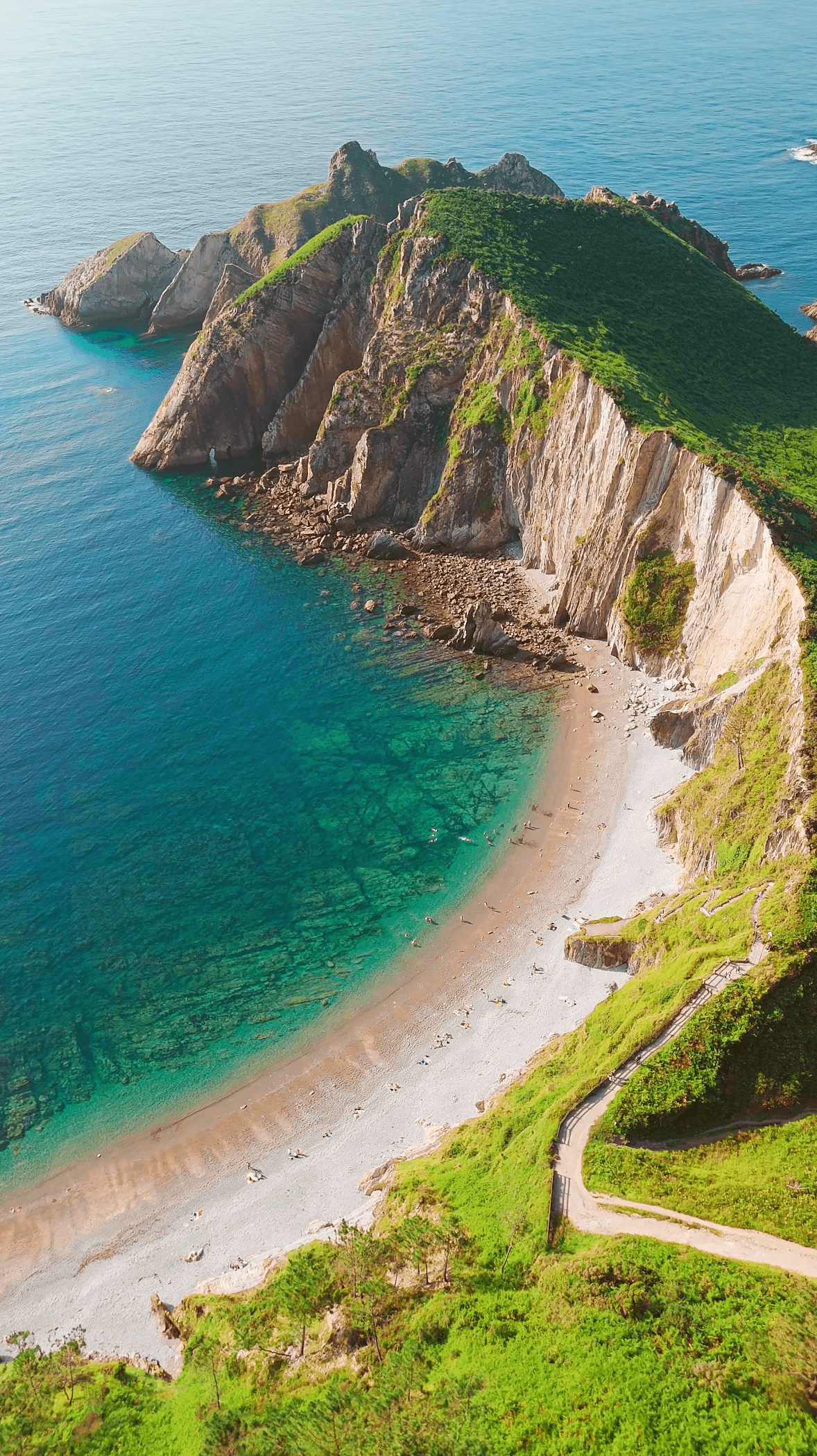
The Costa Brava remains a masterclass in Mediterranean glamour, blending seaside ruggedness with boutique agrotourism. The best hidden coves in Spain for avoiding crowds 2026 can be found along the Caminos de Ronda, a network of ancient coastal paths that connect secluded bays. Destinations like Cadaqués continue to offer a glimpse into the history of artists like Dalí, set against a backdrop of whitewashed buildings and deep blue water.
The region is making a push for more sustainable travel initiatives, encouraging visitors to use local ferry services rather than cars to hop between coastal villages. You will find that the chiringuitos and tapas culture here has evolved to emphasize local, farm-to-table ingredients, perfectly representing the high-end leisure vibe of Catalonia.
Quick Logistics
- Vibe: Rugged Artisanal Luxury
- Nearest Train/Airport: Girona Airport or AVE to Figueres
- Best Time to Visit: May to June or September for pleasant hiking weather
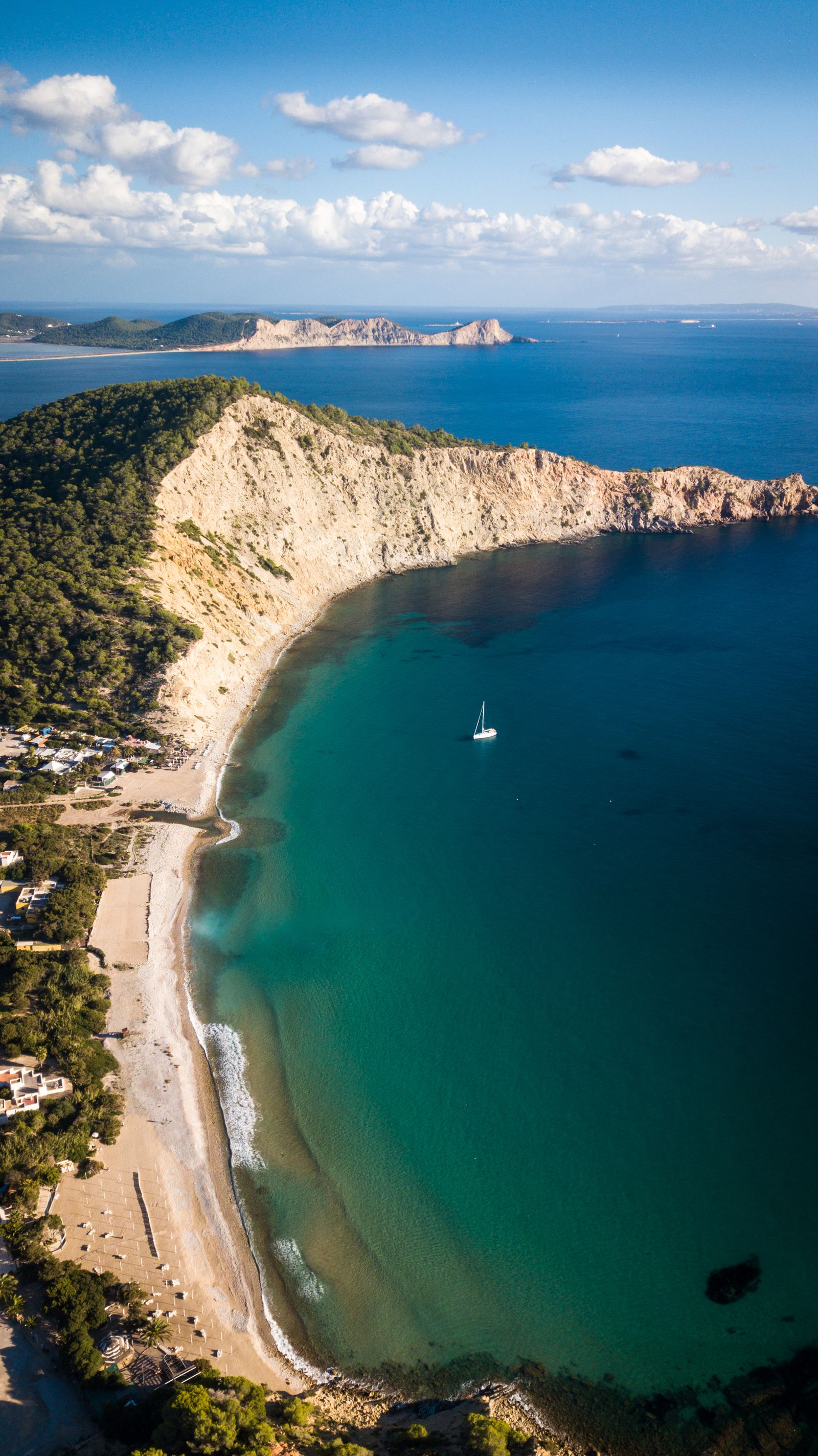
4. The Balearic Sanctuary: Menorca’s Red Sands
If Ibiza is for the party and Mallorca is for the size, Menorca is for the soul. It is widely considered a premier Mediterranean archipelago for those seeking a slower pace. Cala Pregonda stands out among Spanish coastal destinations for its unique geology—crescent beaches surrounded by red-gold dunes and jagged islets. It is the antithesis of the crowded urban beach.
Preservation efforts here are legendary. Much of the island is a UNESCO Biosphere Reserve, ensuring that crystalline turquoise waters remain unpolluted. When planning a Spanish coastal trip using high-speed rail 2026, remember that while the rail ends at the coast, high-frequency ferries from Barcelona or Valencia make the Balearics a seamless extension of a mainland itinerary.
Quick Logistics
- Vibe: The Sustainable Archipelago
- Nearest Train/Airport: Menorca (MAH) Airport
- Best Time to Visit: June for the warm waters and local festivals
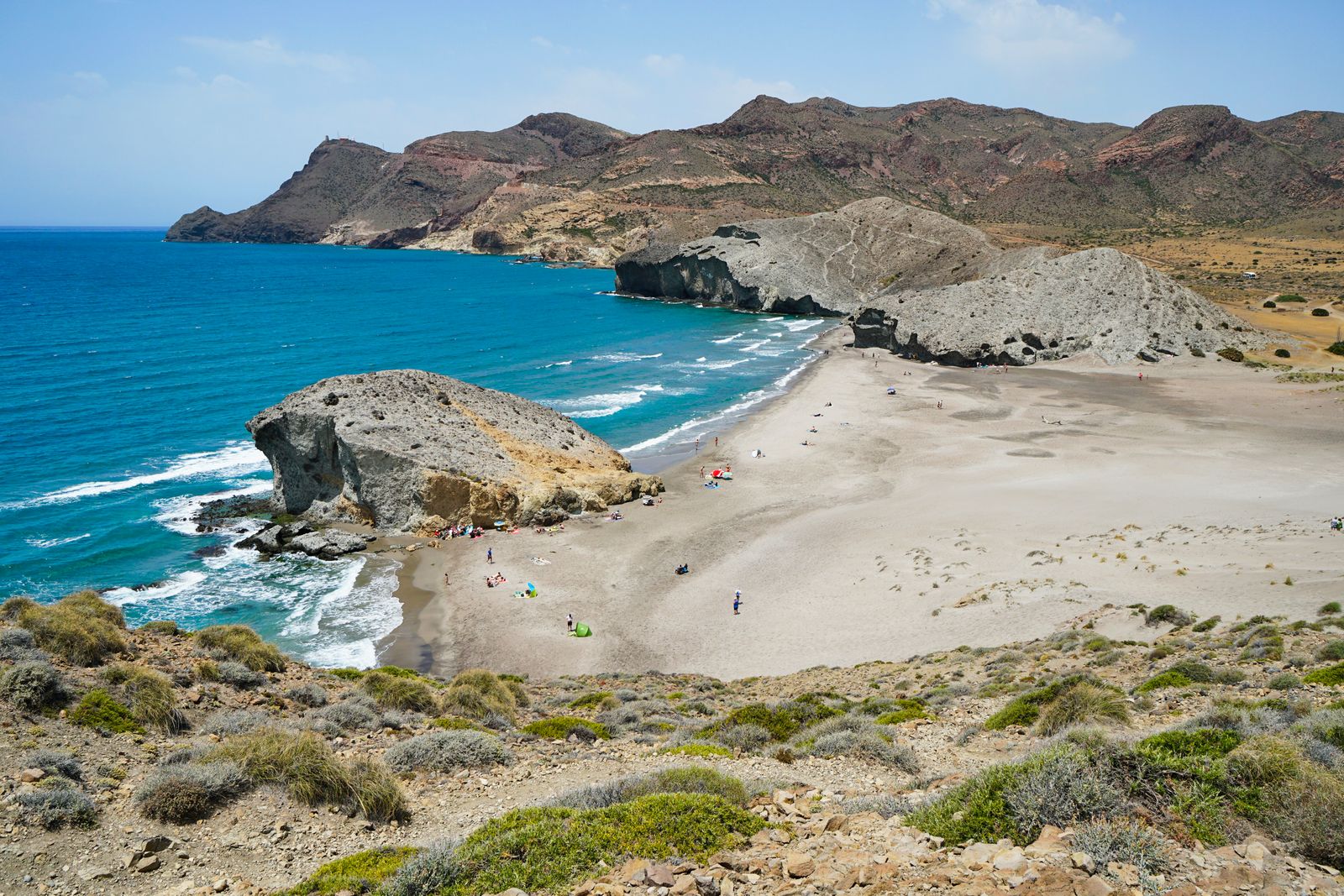
5. Andalusia: Volcanic Sands and Marine Life in Almería
Almería offers arguably the most unique geography in Western Europe. The Cabo de Gata-Níjar Natural Park is a protected nature reserve where the volcanic seafloors are visible through the transparent water. Playa de Mónsul, famous for its cinematic history, is among the best Spanish coastal spots for snorkeling and marine life, thanks to the vast Neptune grass meadows that oxygenate the sea.
Tourism data suggests that Andalusia continues to be a top performer, with a record-breaking number of visitors in the first three months of 2026. To find hidden coves and sandy dunes Spain in this region, avoid the height of July and prioritize the shoulder seasons when the intense desert heat is more manageable.
Quick Logistics
- Vibe: The Untamed Frontier
- Nearest Train/Airport: Almería (LEI) Airport
- Best Time to Visit: April to June or October for desert hiking and swimming
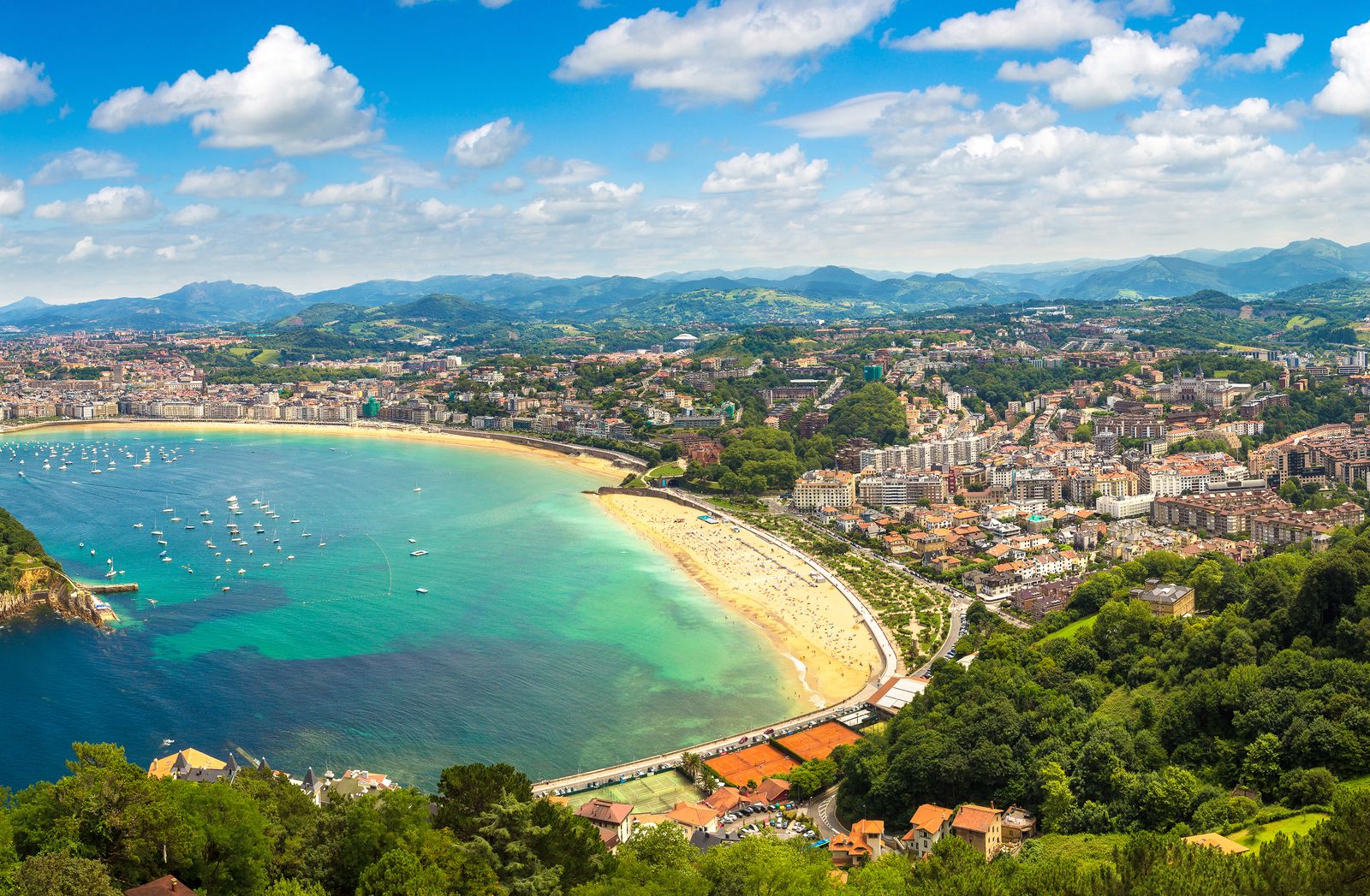
6. The Basque Coast: San Sebastián’s Urban Elegance
For an impeccable mix of culinary excellence and maritime heritage, San Sebastián is unrivaled. La Concha beach is frequently cited as one of the best beaches in Spain 2026 for its sheltered bay that keeps the water calm and safe. It is one of the premier family-friendly Spanish beach destinations with calm waters, allowing parents to enjoy the view while children play safely near the shore.
We recommend balancing your time between the coastal promenades and the Old Town, where the density of Michelin stars per square meter is among the highest in the world. The city’s accessibility remains a high point, with regional flights and a robust bus network connecting it to the rest of the Basque Country.
Quick Logistics
- Vibe: The Culinary Shoreline
- Nearest Train/Airport: San Sebastián (EAS) Airport or Biarritz
- Best Time to Visit: July to September for beach weather, or year-round for gastronomy
7. Costa de la Luz: Tarifa and the Natural Pools of Bolonia
At the southernmost tip of the Iberian Peninsula, the Costa de la Luz offers a wilder, windier version of the Spanish coast. Bolonia is famous for its Roman ruins of Baelo Claudia and a massive moving sand dune that overlooks the Atlantic. One of the most unique features of this area is the low-tide natural pools carved into the rock, offering a quiet sanctuary from the surf.
Tarifa is not just for windsurfers; it is a gateway to the best hidden coves in Spain for avoiding crowds 2026. The atmosphere here is decidedly more bohemian and laid back than the commercialized stretches of the Mediterranean. Many beaches here hold the prestigious Blue Flag status, acknowledging high environmental and quality standards.
Quick Logistics
- Vibe: The Roman Wind-Swept Dunes
- Nearest Train/Airport: Jerez (XRY) Airport or Gibraltar
- Best Time to Visit: Late spring and early autumn to avoid the strongest winds
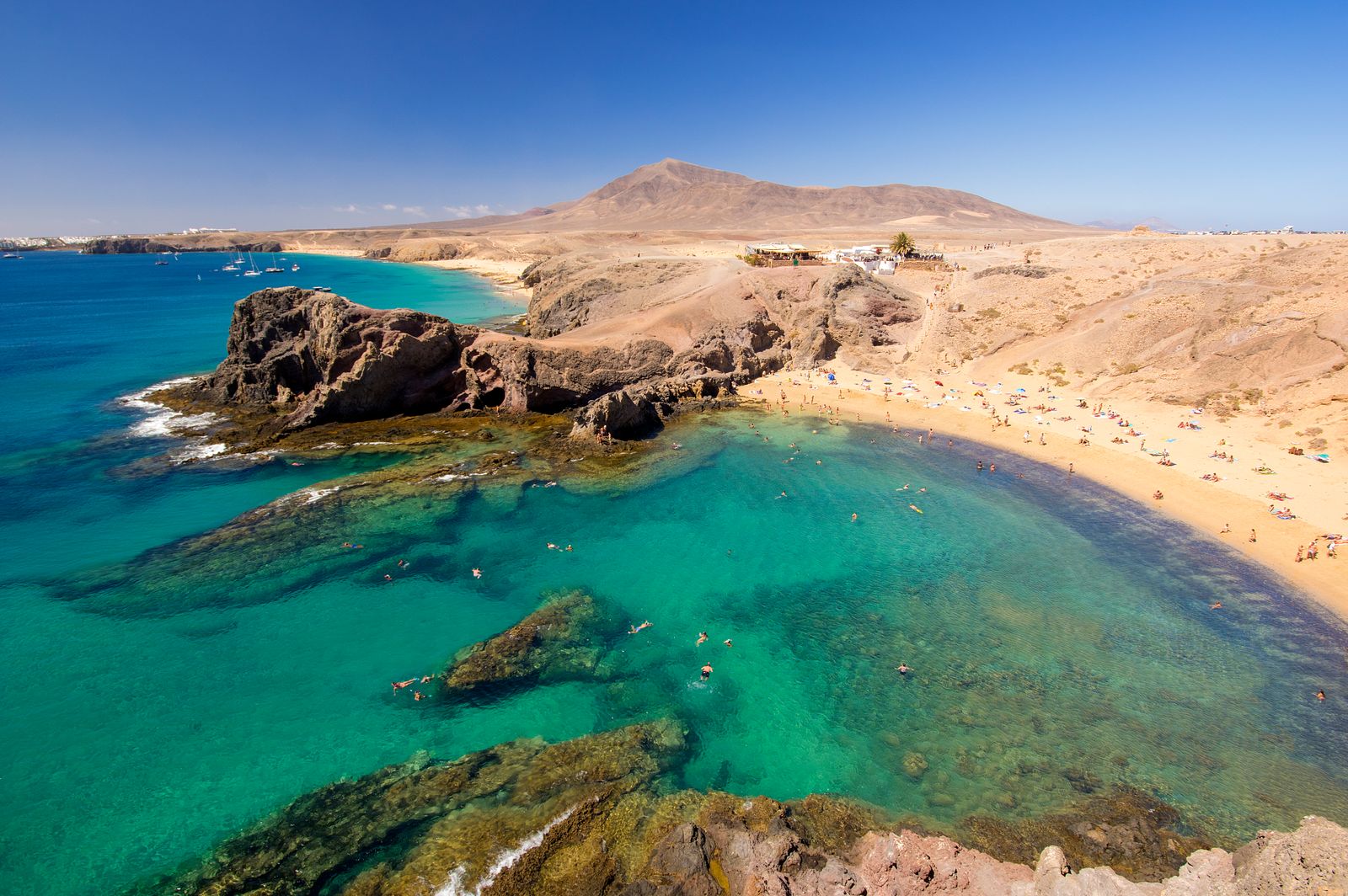
8. The Canary High: Teide & Volcanic Shores of Tenerife
The Canary Islands led Spanish tourism destinations with the highest share of international arrivals in early 2026, largely due to their year-round appeal. While most visitors flock to the resorts, those looking for Spanish coastal destinations with a twist should head to the black sand beaches of the north. The islands offer a dramatic contrast of volcanic terrain and lush forests.
As Spain prepares to surpass the 100 million milestone for the first time in 2026, the Canaries remain a model for sustainable travel within volcanic ecosystems. Whether you are hiking the slopes of Mount Teide or diving in protected nature reserves, the infrastructure here is designed for heavy arrivals without compromising the natural beauty.
Quick Logistics
- Vibe: The Year-Round Haven
- Nearest Train/Airport: Tenerife South (TFS) or North (TFN) Airport
- Best Time to Visit: Year-round; January to March for winter sun
9. Costa Blanca: The Blue Flag Standard in Alicante
The Costa Blanca is sometimes unfairly characterized only by its high-rise resorts, but its maritime history runs deep. The island of Tabarca, accessible by local ferry services from Alicante or Santa Pola, was Spain's first Marine Reserve. It offers some of the most consistent Blue Flag status waters in the country, teeming with Mediterranean biodiversity.
For those focusing on Spain coastal travel advice, the Costa Blanca remains one of the most accessible regions for international travelers. The mix of major city amenities in Alicante and the quiet, hidden coves and sandy dunes Spain found further north near Dénia provides a balanced itinerary for any traveler.
Quick Logistics
- Vibe: The Crystalline Basin
- Nearest Train/Airport: Alicante (ALC) Airport
- Best Time to Visit: May to June or September to October
10. Murcia: The Costa Cálida’s Quiet Mar Menor
The Mar Menor in Murcia is a saltwater lagoon separated from the Mediterranean by a thin strip of land. It is renowned for its warm, shallow waters, which are typically several degrees warmer than the open sea. This makes it one of the premier family-friendly Spanish beach destinations with calm waters, particularly for those traveling with toddlers or elderly companions.
While Murcia has faced environmental challenges in the past, 2026 marks a period of recovery and sustainable travel focus. The region is quieter than its neighbors, providing a more affordable entry point for Spanish coastal destinations. The lack of heavy surf makes it an ideal spot for paddleboarding and learning to sail.
Quick Logistics
- Vibe: The Warm Lagoon
- Nearest Train/Airport: Murcia (RMU) Airport or AVE to Murcia city
- Best Time to Visit: June to September for the warmest water temperatures
Planning Your 2026 Coastal Journey: Rail & Ferry Logistics
The logistics of 2026 travel in Spain are defined by the dominance of the high-speed rail network. Planning a Spanish coastal trip using high-speed rail 2026 is now the most sustainable and efficient way to travel. You can breakfast in Madrid and have a seafood lunch on the Galician or Andalusian coast within three hours or less.
For those heading to the islands, we recommend booking local ferry services at least three months in advance, especially during the peak summer months. While the AVE connects major hubs, a rental car remains the best way to reach hidden coves and sandy dunes Spain in protected reserves like Cabo de Gata or the remote stretches of the Costa Brava.
FAQ
What is the most beautiful coastal destination in Spain?
Beauty is subjective, but many consider the Cíes Islands in Galicia to be the most stunning due to their Caribbean-like white sands and crystal-clear Atlantic waters. For Mediterranean fans, the rugged cliffs and hidden coves of the Costa Brava offer a different but equally compelling aesthetic.
Which part of Spain has the best beaches for families?
San Sebastián and the Costa Cálida in Murcia are exceptional for families. San Sebastián offers great city amenities and the very safe La Concha beach, while Murcia’s Mar Menor provides shallow, warm, and wave-free conditions perfect for small children.
Is the north or south of Spain better for a beach holiday?
The south (Andalusia and the Canaries) is better for guaranteed sun and warmer waters. However, the north (Galicia, Asturias, and the Basque Country) is increasingly popular for its lush green landscapes, cooler summer temperatures, and the chance to escape the more intense Mediterranean crowds.
What are the most affordable coastal towns in Spain?
Generally, the regions of Murcia and parts of the Almería coastline offer lower prices for accommodation and dining compared to the more famous stretches of the Costa del Sol or the Balearic Islands. Northern towns in Galicia also offer excellent value for world-class seafood.
When is the best time of year to visit the Spanish coast?
For the Mediterranean and southern coasts, late May to June and September to early October are ideal, offering warm weather without the peak August heat. For the northern Atlantic coast, July and August are the most reliable months for sunshine and swimming.