Quick Facts
- UNESCO Status: Designated in 1998; includes 181,048 hectares of National Park
- Cost Saving: Travel expenses for accommodation and dining are 20% to 50% lower than the Amalfi Coast
- Beach Quality: Home to 13 of the 20 Blue Flag municipalities in the Campania region
- History: Features some of the world's best-preserved Greek Temples in Paestum
- Distance: Roughly 100km of shoreline, offering double the length of its northern neighbor
- Accessibility: Best explored via a driving from Salerno to Cilento itinerary
The Cilento Coast is a peaceful and budget-friendly alternative to the Amalfi Coast, offering authentic Italian lifestyle and expansive sandy beaches without the heavy crowds. As a protected UNESCO World Heritage site, it provides a slower pace of travel where ancient ruins, marine reserves, and traditional agriculture take center stage over high-fashion boutiques and luxury cruise docks.
For many travelers, the dream of the Italian coastline is often synonymous with the Amalfi Coast. We envision the pastel-hued houses of Positano clinging to the cliffs and the scent of lemons in the air. However, as global tourism reaches record heights, that dream often manifests as gridlocked traffic on the SS163 and elbow-to-elbow crowds on the narrow docks of Amalfi town. Just an hour south of Salerno lies a different reality. The Cilento region is the quiet sibling that never felt the need to dress up for the cameras. It remains one of the few places in Italy where you can find a pristine beach on a Tuesday in July and have only the sound of the Tyrrhenian Sea for company.
| Metric | Amalfi Coast | Cilento Coast |
|---|---|---|
| Crowd Density | Extremely High | Low to Moderate |
| Primary Beach Type | Small pebble coves | Wide, sandy stretches |
| Average Cost | Premium/Luxury | 20% to 50% More Affordable |
| Transport Model | Ferries and SITA bus | Private car and regional train |
| Primary Vibe | Glamorous Dolce Vita | Authentic Rural & Coastal |
Why Cilento is Italy's Best Kept Secret
The distinction between these two stretches of coastline is not just about geography; it is about the philosophy of travel. While Amalfi is a stage for the glamorous Dolce Vita, the Cilento Coast represents the slow travel movement in its most organic form. Here, the landscape transitions from the rugged Southern Apennines to a fertile coastal plain. This is the birthplace of the Mediterranean diet, famously studied by American scientist Ancel Keys in the hilltop village of Pioppi. He discovered that the local lifestyle—heavy on olive oil, fresh vegetables, and fish—led to extraordinary longevity among the residents.
Visiting this region allows for an authentic Italian lifestyle that has remained largely unchanged by the demands of international tourism. You are more likely to encounter an artisan dairy than a designer handbag shop. The Cilento, Vallo di Diano and Alburni National Park is the second-largest national park in Italy, encompassing approximately 181,048 hectares. This vast protection ensures that the karst landscape and marine environments remain unspoiled. For those seeking a Cilento vs Amalfi Coast for a quiet vacation, the choice becomes clear once you realize that the former offers space to breathe. It is an affordable alternative to Amalfi Coast for families who need room for children to run on sandy shores rather than navigate steep cliffside stairs.
The Gateway: Salerno and the Paestum Ruins Guide
The journey into this hidden region typically begins in Salerno. While many use this city as a jumping-off point for the ferry to Positano, the seasoned traveler heads south. Within a forty-five-minute drive, the mountains recede to reveal the stunning Archaeological Park of Paestum. Before it was Roman, this was Poseidonia, a major city of Magna Graecia.
The site is home to three of the world’s most perfectly preserved Doric temples. Standing before the Temple of Neptune, established around 450 BC, you feel the weight of history in a way that is rarely possible in the more crowded ruins of Pompeii. The mellow, honey-colored limestone glows at sunset, offering a photographer’s paradise without the wait times. Inside the accompanying museum, the Tomb of the Diver remains a singular masterpiece of Greek funerary painting—a hauntingly beautiful depiction of a man leaping into the unknown.
Beyond the ruins, the area around Paestum is the heart of Italy’s buffalo mozzarella production. Visiting the artisan dairies here is a culinary rite of passage. These are not merely farms; they are high-tech, animal-welfare-focused estates like Tenuta Vannulo, where you can taste mozzarella so fresh it has never seen a refrigerator. Incorporating these stops into your driving from Salerno to Cilento itinerary is essential for understanding the region's agricultural soul.
Coastal Charms: Castellabate Travel Tips and Seaside Hubs
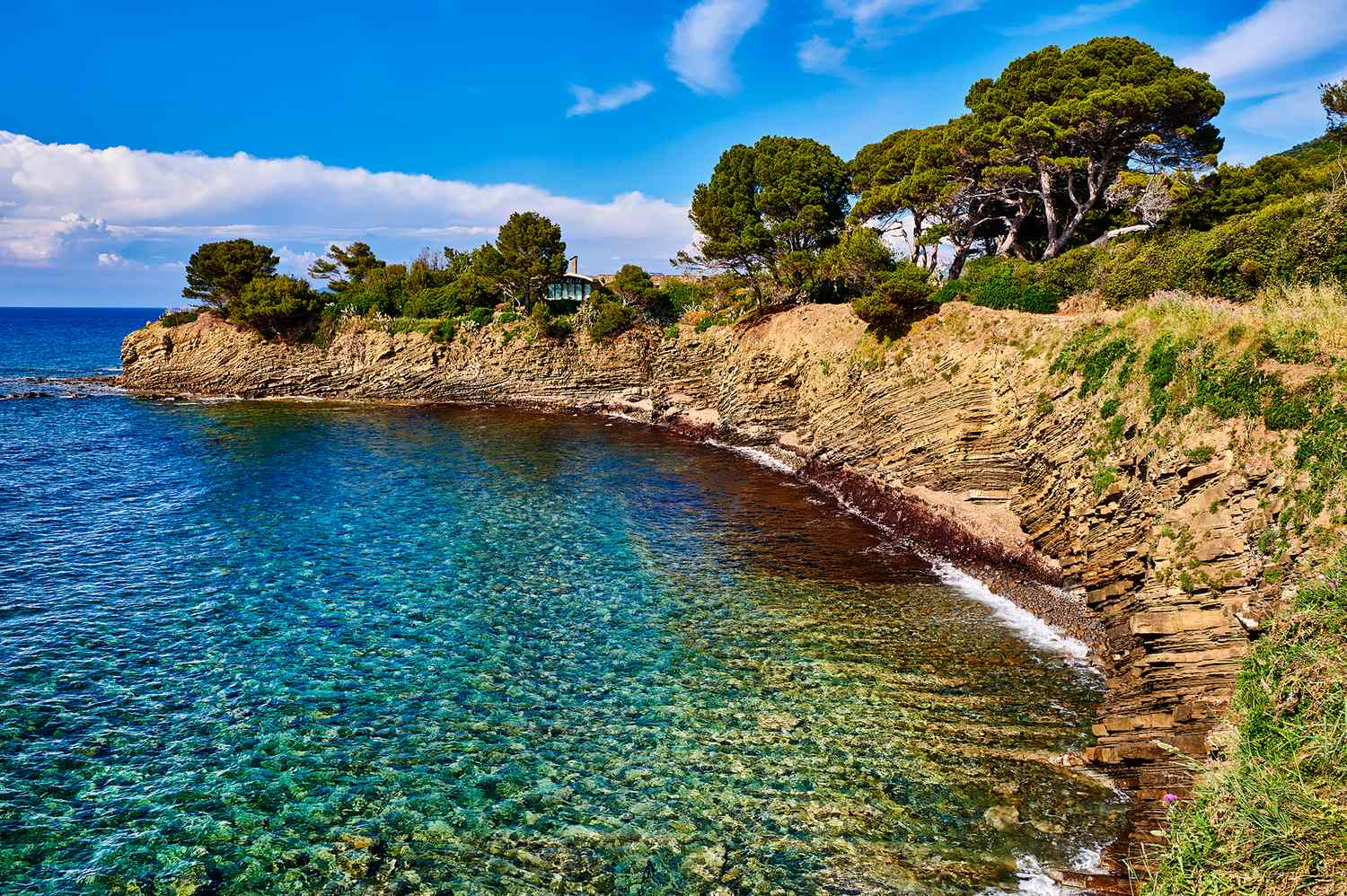
As you move further south, the coastline begins to undulate into dramatic headlands and deep bays. Foremost among these is the medieval hilltop town of Castellabate. If the village looks cinematic, it is because it served as the backdrop for the famous Italian film Benvenuti al Sud and more recently appeared as a charming filming location in cinematic productions including Wonder Woman. The views from the Belvedere di San Costabile look out over the Punta Licosa, where legend says the siren Leucosia threw herself into the sea.
For those deciding where to stay in Cilento for first time visitors, the dual nature of Castellabate is ideal. You have the historic, silent atmosphere of the hilltop village and the vibrant, beach-focused energy of Santa Maria di Castellabate directly below. This seaside hub offers some of the best sandy beaches in Cilento for swimming, with shallow, crystal-clear waters that are perfectly suited for toddlers and long-distance swimmers alike.
The region's commitment to environmental preservation is evident in its accolades. For the 2025 summer season, the Cilento region accounts for 13 of the 20 Blue Flag municipalities in the Campania region. This designation covers destinations such as Castellabate, Pollica, and Camerota, guaranteeing high water quality and sustainable shore management.
Beyond the Beach: Agriturismos and Hidden Grottoes
The southern terminus of the coast is anchored by Palinuro and Marina di Camerota. Here, the landscape becomes more rugged, mimicking the dramatic cliffs of Amalfi but with a fraction of the boat traffic. Palinuro is famous for its sea caves, most notably the blue grotto. While Capri has its own famous version, the Palinuro blue grotto boat trip prices are significantly more accessible, and the experience feels more like a local adventure than a tourist conveyor belt.
To truly understand the region, one must venture slightly inland to the Southern Apennines. Here, the accommodation of choice is the agriturismo. These staying in local farmhouses offer a direct connection to the land. You might wake up to the sound of goat bells and enjoy a breakfast of figs, homemade ricotta, and honey produced on-site. The vertical village of Pisciotta is a standout example of this inland-coastal hybrid, where ancient olive groves—some over a thousand years old—cascade down toward the Tyrrhenian Sea shoreline.
The marine protected areas around the Infreschi Coast provide some of the most pristine snorkeling in Italy. Accessible only by boat or a rigorous hiking trail, these hidden coves allow travelers to disconnect from the modern world entirely—a luxury that is becoming increasingly rare on the European coastline.
Practical Logistics: Why You Need a Car
While the Amalfi Coast is best managed via ferries to avoid the harrowing cliffside roads, the Mediterranean lifestyle in Cilento requires a different approach. The region is expansive, covering double the coastline of its northern neighbor. To see the temples of Paestum in the morning and dine in a mountain agriturismo by evening, a car is non-negotiable.
The roads in the Cilento National Park are generally wider and less congested than the Amalfi drive, though they can be winding as you move into the hills. Parking is significantly more available and affordable, often costing a fraction of the hourly rates found in Positano or Ravello. When planning your driving from Salerno to Cilento itinerary, aim for the smaller provincial roads (SP) rather than the main highway to catch the best views of the Tyrrhenian Sea.
By choosing Cilento, travelers can enjoy a vacation where travel expenses for accommodation and dining are approximately 20% to 50% lower than comparable costs on the neighboring coast. This economic arbitrage allows for longer stays, better meals, and a deeper immersion into the Magna Graecia history that defines this corner of Campania. As the secret of this region begins to spread, the 2026 summer season is the perfect time to visit before the quiet villages of the Cilento Coast become the next big discovery on the Italian map.
FAQ
Is the Cilento Coast better than the Amalfi Coast?
The answer depends on your priorities. If you are looking for high-end luxury, world-famous boutiques, and the classic Positano skyline, Amalfi is the better choice. However, if you prefer wider sandy beaches, significantly lower prices, and an authentic experience without heavy crowds, the Cilento Coast is arguably superior.
What are the best towns to stay in on the Cilento Coast?
Santa Maria di Castellabate is excellent for families and beach lovers due to its sandy shores and flat terrain. For a more historic, romantic vibe, the hilltop village of Castellabate or the medieval streets of Pisciotta are top choices. Those interested in history should consider a stay near the archaeological site in Paestum.
Is the Cilento Coast expensive to visit?
Compared to the Amalfi Coast or Capri, it is very affordable. Most travelers find that dining and accommodation costs are 20% to 50% lower. You can enjoy high-quality local wine and fresh seafood at a fraction of the price found in the more famous tourist hubs further north.
Is a car necessary for exploring the Cilento Coast?
Yes, a car is highly recommended. While some seaside towns are connected by a regional train line from Salerno, the most beautiful agriturismos, hidden coves, and the temples of Paestum are best reached by private vehicle due to the region's vast geographical spread.
How do I get to the Cilento Coast from Naples?
The most efficient route is to take a train or drive from Naples to Salerno. From Salerno, you can rent a car or take a regional train southward. The drive from Naples to the northern entrance of the Cilento region near Paestum takes approximately 90 minutes.