Quick Facts
- UNESCO Site: The city was inscribed as a UNESCO World Heritage Site in 1996, preserving over 1,400 monuments.
- Safety: Consistently ranked among the top 10 most peaceful states in Mexico according to the 2025 Peace Index.
- Proximity: Located just 3 hours north of Mexico City, making it an ideal weekend escape or extended cultural hub.
- Signature Landmark: The 18th-century stone aqueduct features 74 majestic arches that define the city skyline.
- Culinary Soul: A fusion of traditional Bajío regional cuisine and a burgeoning wine and cheese culture.
- Historical Weight: The site where the 1917 Mexican Constitution was signed and the Treaty of Guadalupe Hidalgo was ratified.
Santiago de Querétaro is a historic powerhouse on the Central Highlands plateau, offering a blend of 18th-century stone arches, Spanish colonial architecture, and a thriving modern food scene, making it a premier choice for travelers looking for an authentic Queretaro travel guide experience. As a safer and quieter alternative to the bustling capital, this city provides an immersive journey into the bedrock of Mexican identity.
The Heart of the Bajío: Why Querétaro is a Hidden Gem
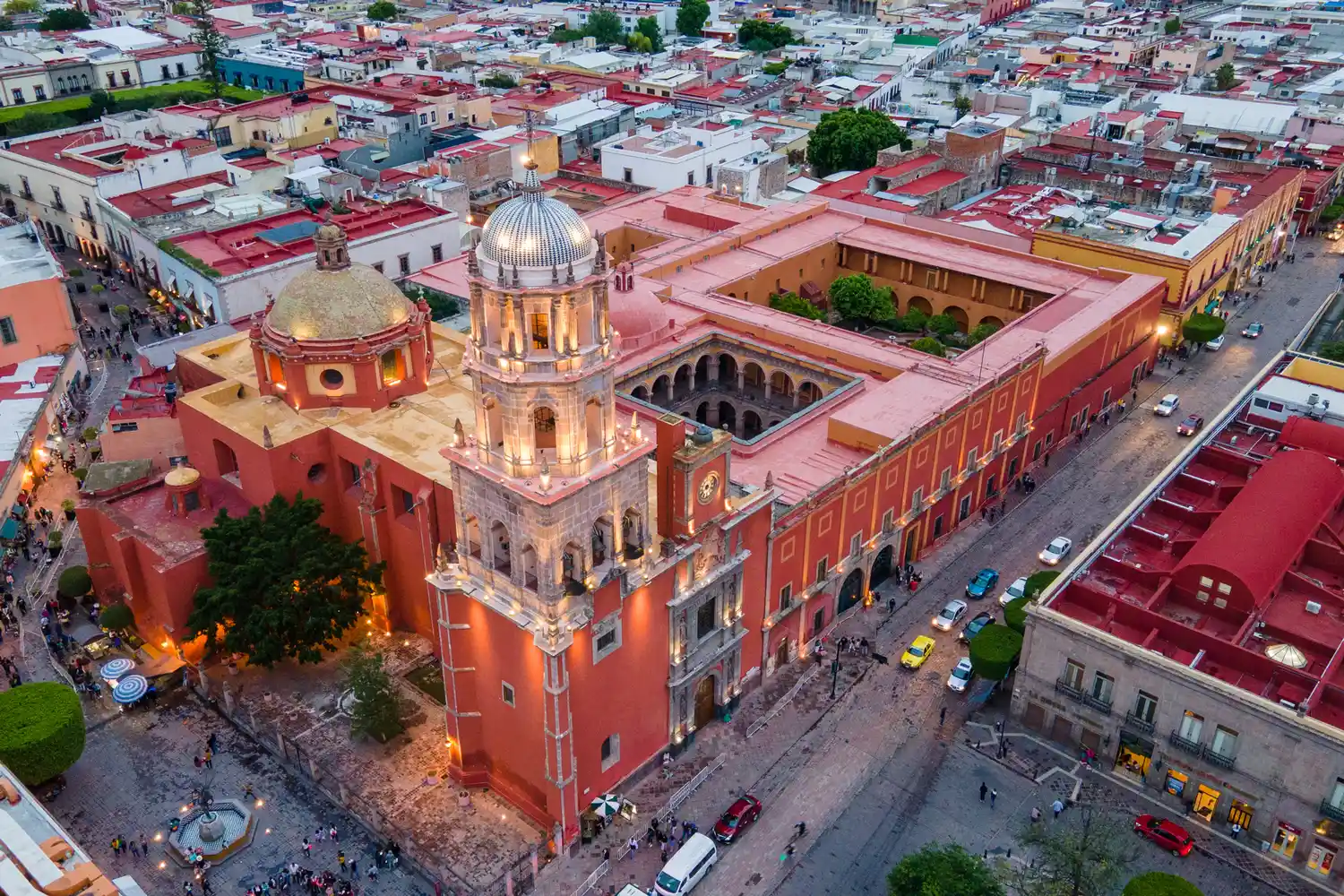
There is a specific quality of light in Querétaro that you won't find anywhere else in the Central Highlands plateau. It catches the edges of the rose-hued quarry stone—known locally as cantera—and illuminates the winding passages that haven't changed since the 18th century. While travelers often flock to the nearby San Miguel de Allende, Santiago de Querétaro remains a sophisticated secret, a place where history isn't just a backdrop but a living, breathing participant in daily life.
The city's growth in recent years has been staggering, yet it has managed to maintain its soul. In 2024, the state of Querétaro welcomed 7.5 million tourists, which represented a 17% increase from the previous year. This influx has fueled a vibrant energy, generating an economic impact of approximately 30 billion pesos, all while preserving the integrity of its Spanish colonial architecture.
What makes this city the Rome of Mexico is its monumental scale. To understand its layout, one must look up at the 74 arches of the local aqueduct, a marvel completed in 1735 to bring fresh water from the springs of La Cañada. Walking through the city feels like navigating a museum that forgot to put up ropes. You are constantly brushing against Mexican Independence history; it was here that the conspiracy for independence was hatched in the home of the Corregidora, Josefa Ortiz de Domínguez.
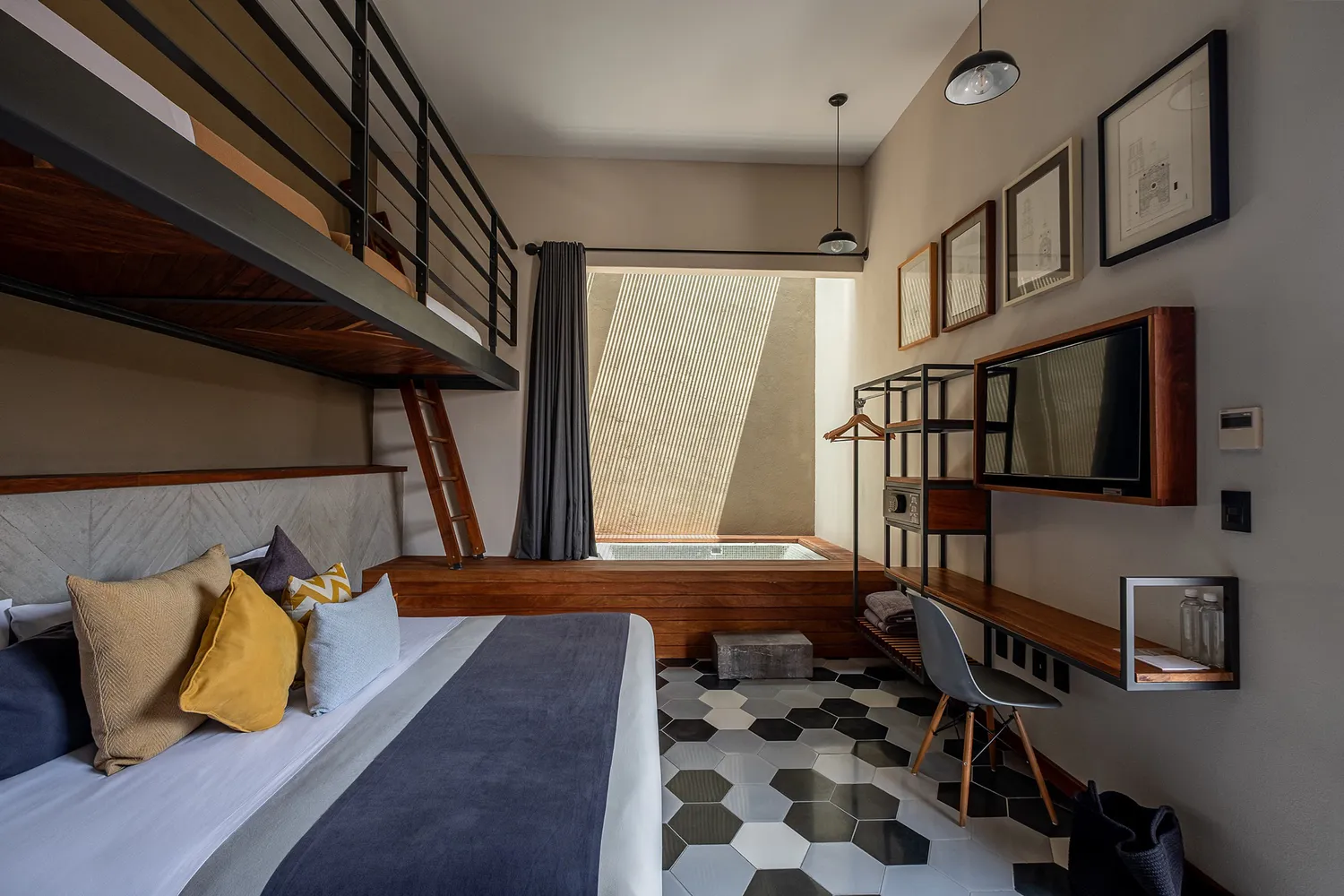
For those seeking an elevated experience, the city offers some of the most stunning boutique hotels in Queretaro historic center. Accommodations like Hotel Criol provide a contemporary minimalist contrast to the heavy stone walls, while the Casa de la Marquesa allows guests to sleep within an 18th-century masterpiece of Baroque design, complete with mudéjar-style tiles and intricate carvings.
Top Things to Do in Queretaro Mexico
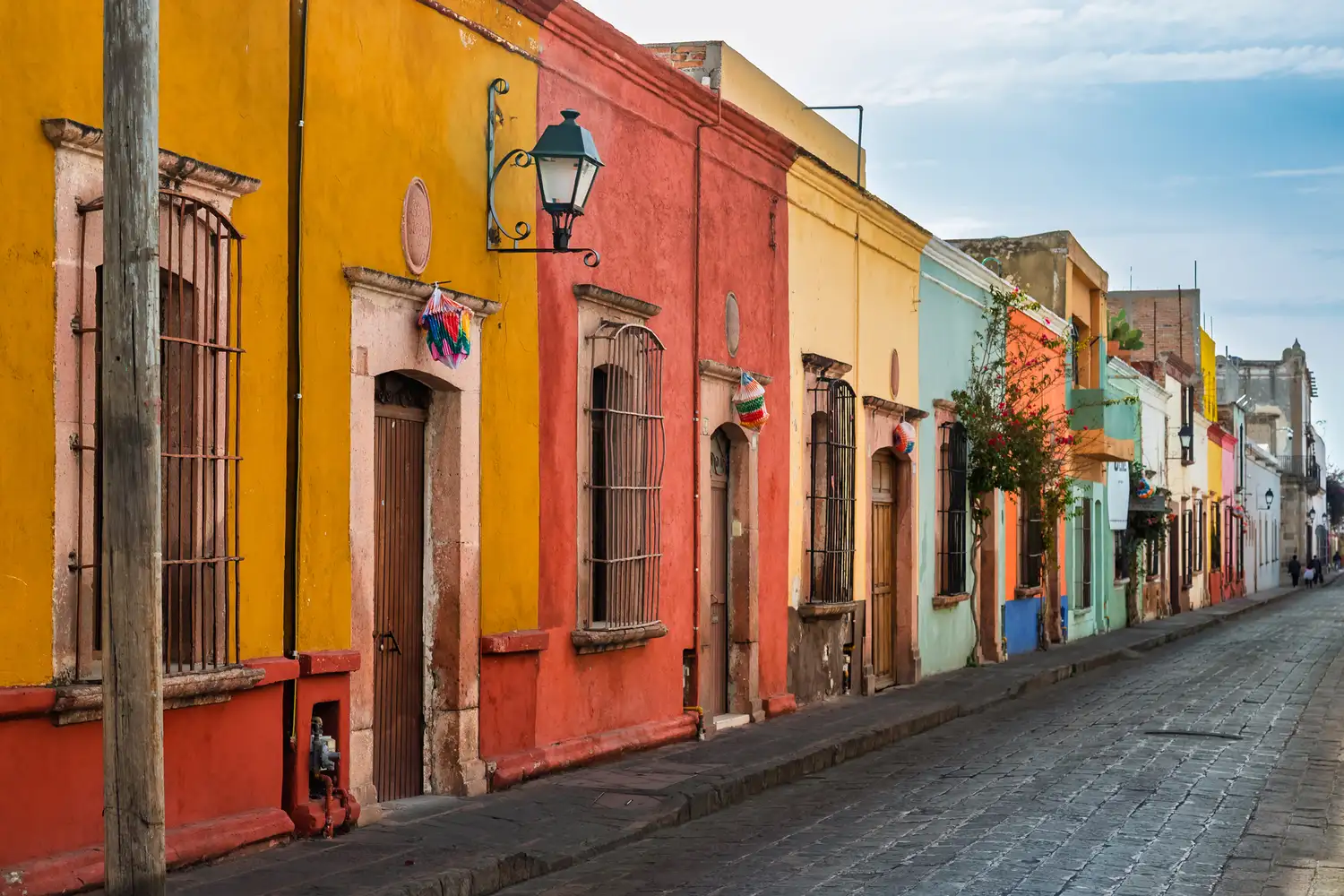
The best way to experience the city is to follow the flow of its people through the Cobblestone pedestrian streets. Life here centers around the plazas. Plaza de Armas, shaded by manicured Indian laurel trees, is framed by 18th-century mansions and open-air cafes where the clinking of coffee spoons provides a rhythmic soundtrack.
When considering things to do in Queretaro Mexico, the religious architecture is non-negotiable. The Historic Monuments Zone of Querétaro, designated by UNESCO, contains approximately 1,400 protected monuments. The crowing jewel is the Templo de Santa Rosa de Viterbo. Its exterior is famous for two massive inverted flying buttresses, but it is the interior—an explosion of gilded Baroque religious monuments—that leaves visitors breathless. Every inch of the wooden altarpieces is covered in gold leaf, reflecting the immense wealth of the colonial era.
For a moment of quiet reflection, visit the Cerro de las Campanas. For an entry fee of just $5 MXN, you can walk the grounds where Emperor Maximilian I was executed in 1867, ending the Second Mexican Empire. It is a place of heavy gravity and expansive views, offering a panoramic look at how the modern city has grown around its ancient core.
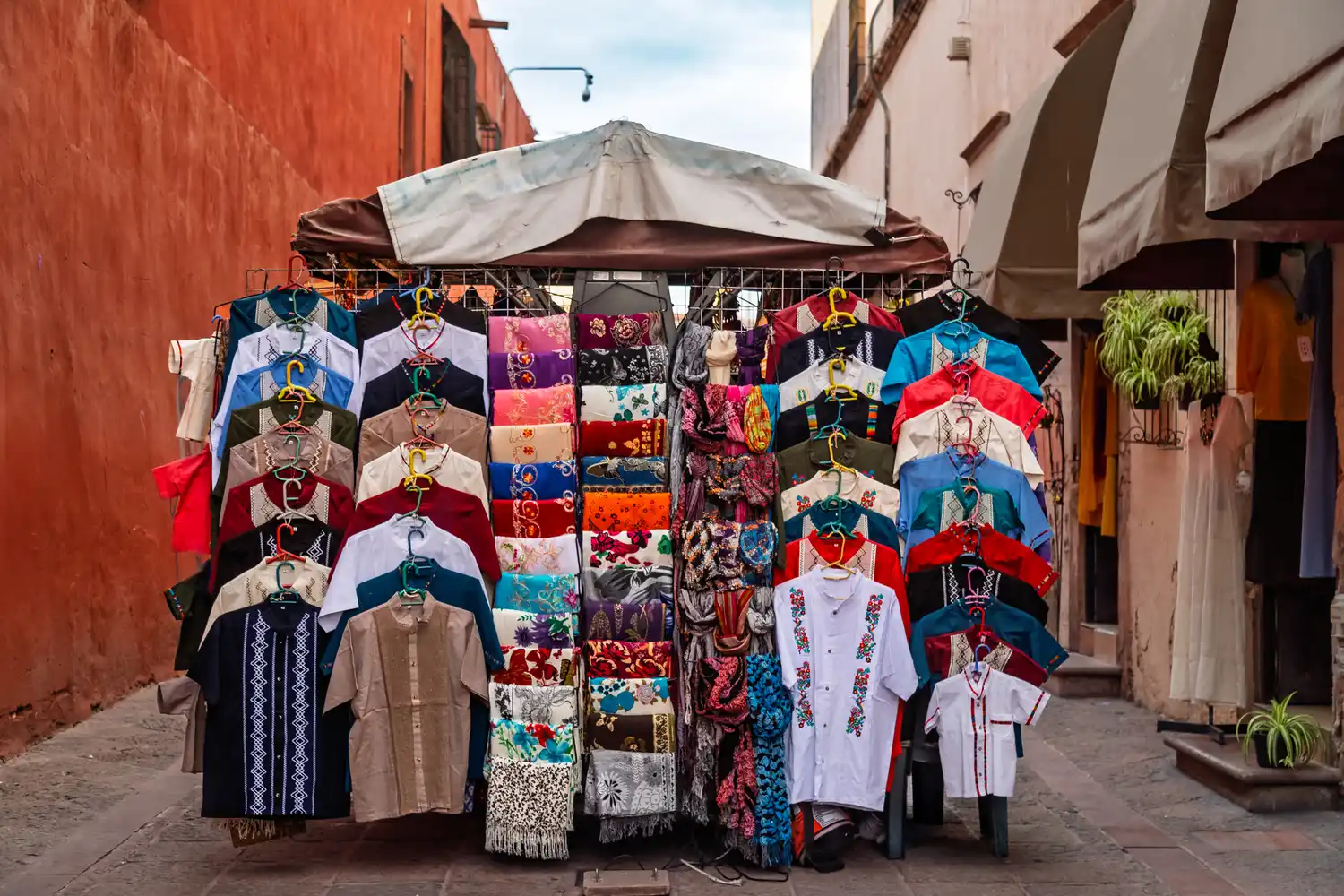
Culture here is also tactile. In the local markets, you will find vibrant Lele doll handicrafts. These cloth dolls, with their colorful ribbons and braided hair, originated in the nearby Otomí town of Amealco and have become an official cultural heritage symbol of the state. They are a testament to the resilience of indigenous identity within the colonial tapestry.
A Taste of the Highlands: Best Restaurants in Queretaro
Querétaro’s culinary scene is a sophisticated marriage between the rugged tradition of the Bajío regional cuisine and contemporary global influences. To find the soul of the city, you must start at Mercado La Cruz. This is widely considered one of the best places for gorditas in Queretaro. Watch as local vendors press discs of corn dough filled with migajas—crispy bits of pork—and grill them on a clay comal until they are perfectly toasted.
Moving from the rustic to the refined, the best restaurants in Queretaro reflect a city that loves to dine well. Hacienda Laborcilla is an essential stop; housed in a restored 18th-century hacienda, the dining room is filled with reproductions of world-famous statues and French tapestries. The menu is a journey through modern Mexican flavors, often incorporating local ingredients like cactus paddles and squash blossoms.
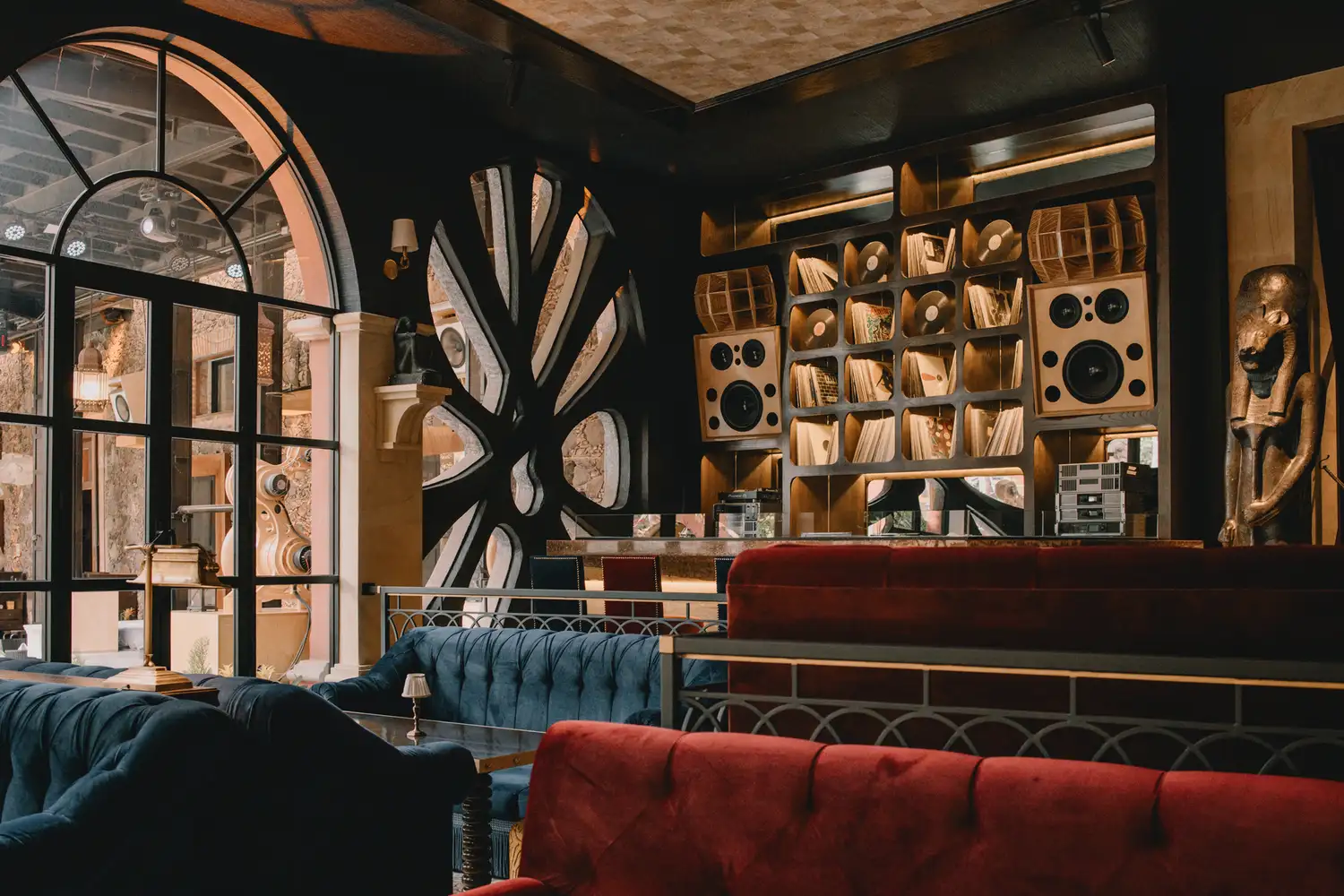
For a more modern take, Techol offers a seasonal menu that highlights the terroir of the highlands. If you have a penchant for craft culture, Cervecería Hércules is a must-visit destination brewpub. Located in a repurposed textile warehouse just a short ride from the historic district, it feels like a slice of Berlin in the heart of Mexico. Here, you can sip award-winning lagers while sitting in a sprawling garden courtyard, surrounded by the brick chimneys of the city's industrial past.
Before leaving, do not forget to pick up a box of Pedos de Monja (Nun's Farts) from a local chocolatier. Despite the cheeky name, these light, airy chocolate truffles are a beloved local delicacy.
Beyond the Arches: Essential Queretaro Day Trips
While the city center can occupy a traveler for days, the surrounding state is a playground for those interested in Viticulture and oenology or outdoor adventure. The region’s high altitude and semi-arid climate have made it Mexico's second most important wine region.
A popular Queretaro to Bernal and Tequisquiapan day trip allows you to climb the Peña de Bernal, one of the world’s largest monolithic stones. The energetic can hike to its shoulder for breathtaking views of the semi-desert landscape. Afterward, head to Tequisquiapan, a charming pueblo mágico known for its mineral springs and the Cheese and Wine Route. Many of the vineyards here, such as Freixenet, offer cellar tours and tastings of refreshing sparkling wines.
For more intrepid travelers, the Sierra Gorda Queretaro hiking and waterfalls guide leads you into a Biosphere Reserve that feels worlds away from the colonial city. This is the green heart of the state, where you can find the Franciscan Missions built by Junípero Serra and hidden cascades like the Chuvejé Waterfall. If you have an extra day, the turquoise thermal spring basins of Grutas Tolantongo are within reaching distance, offering a unique opportunity to soak in warm volcanic waters tucked into a steep canyon.
The strategic location of the city also makes it easy to visit other historical landmarks. Travelers often venture to Dolores Hidalgo, the cradle of Mexican independence, to see where the call for revolution was first sounded.
Logistics & Safety: How to Travel from Mexico City to Queretaro
Planning your arrival is remarkably straightforward. Most international visitors fly into Mexico City (MEX) and take an executive bus from the Norte (North) bus station. Companies like ETN and Primera Plus offer luxury coaches with reclining seats and WiFi, making the three-hour journey exceptionally comfortable.
If you are wondering how to travel from Mexico City to Queretaro with even more ease, the Querétaro Intercontinental Airport (QRO) offers direct flights from major US hubs like Houston and Dallas, as well as domestic connections from across Mexico.
Safety is often a primary concern for travelers entering Mexico, but Querétaro stands out as a beacon of security. The 2025 Mexico Peace Index has ranked it among the top 10 most peaceful states in the country. In 2024, it recorded a homicide rate of 8.4 per 100,000 people, significantly lower than many other urban centers in North America.
The best time to visit is between October and April when the weather is dry and the air is crisp. During this period, the city’s many festivals take place, filling the plazas with music and dance under the watchful gaze of the 18th-century stone arches.
FAQ
Is Queretaro worth visiting?
Absolutely. It offers a rare combination of authentic Mexican history, high-end gastronomy, and incredible safety. For those who find San Miguel de Allende a bit too touristy, Querétaro provides a more grounded, local experience with just as much architectural beauty.
What is the best time of year to visit Queretaro?
The months of October through April are ideal. You will avoid the summer rainy season and enjoy the clear, sunny days of the highlands. Late October and early November are particularly special as the city decorates for Día de Muertos.
Is Queretaro safe for solo travelers?
Querétaro is consistently ranked as one of the safest cities in Mexico. Its historic center is very walkable and well-policed, making it an excellent destination for solo travelers, including women, who want to explore at their own pace.
How do I get from Mexico City to Queretaro?
The most common method is the executive bus from the Terminal del Norte in Mexico City. Busses depart roughly every 20-30 minutes and the journey takes about 3 hours. Alternatively, you can fly directly into QRO airport.
What food is Queretaro famous for?
The city is famous for its gorditas de migajas (pork-filled corn cakes) and enchiladas queretanas, which are typically soaked in a guajillo chili sauce and topped with carrots and potatoes. Don't forget to try the local sheep’s milk cheeses and sparkling wines from the nearby vineyards.