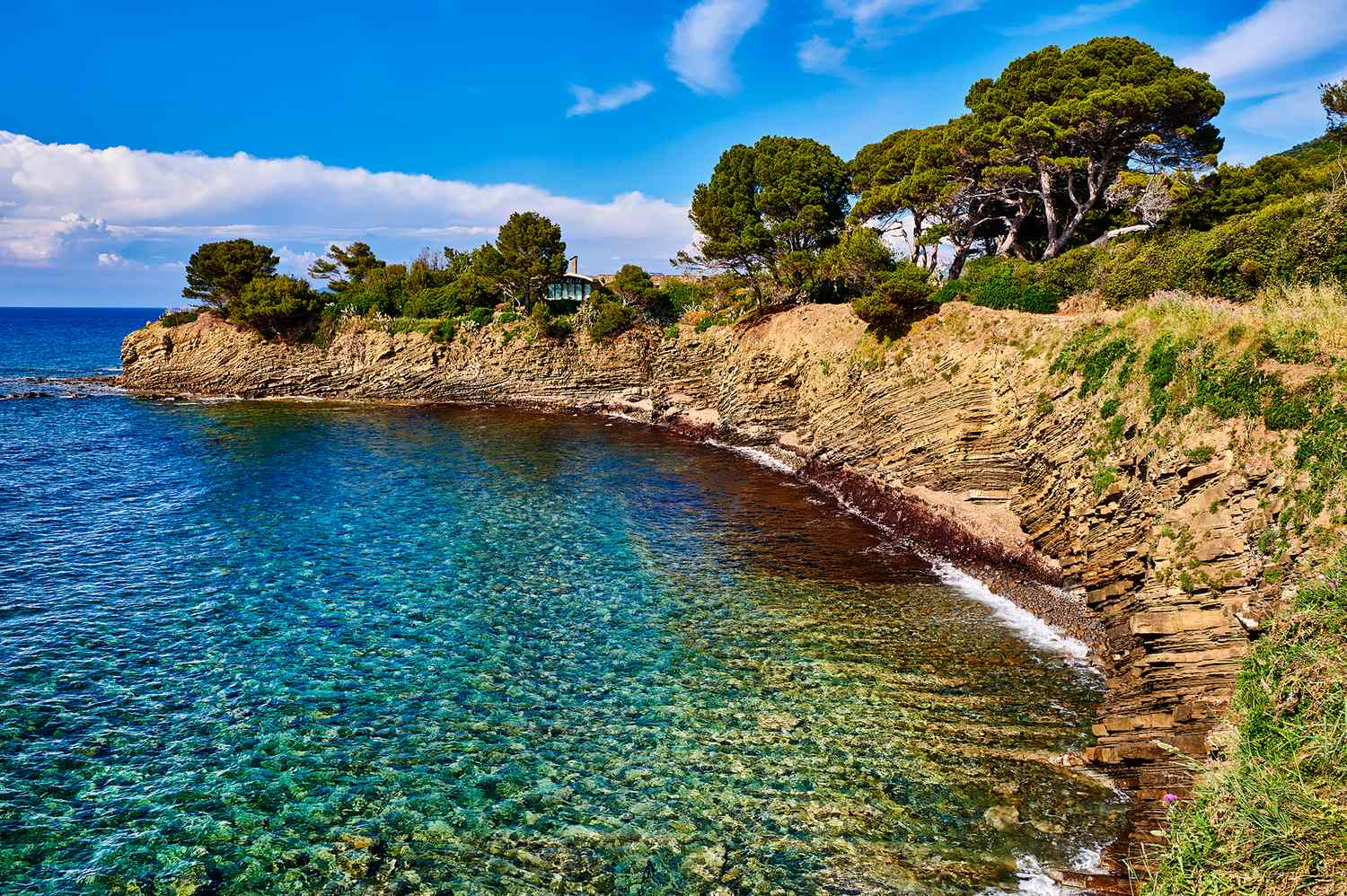
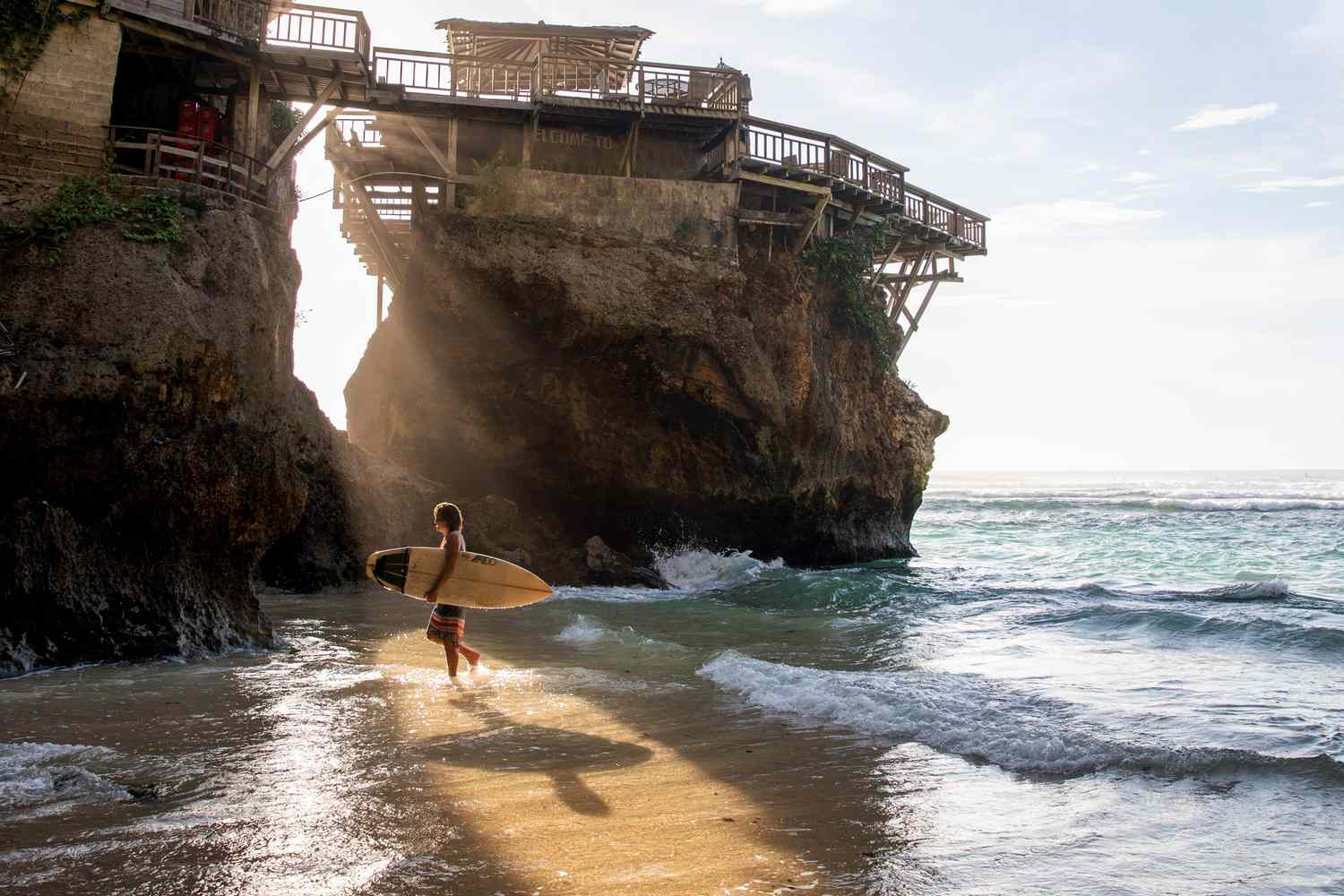
Oban feels like a town caught between two worlds. On one side, the rugged, emerald-draped hills of the Scottish Highlands stand in silent sentinel. On the other, the obsidian waters of the Atlantic beckon with the promise of distant isles and seafaring legends. Many travelers see this place merely as a station on their way to the Inner Hebrides, but to treat it as such is to miss the rhythmic pulse of a town that truly breathes. As you step off the train or park your car, the air greets you with a sharp, saline mist and the distant, haunting cry of gulls. This is the heart of Argyll, a place where history is etched into the stone and every meal tastes of the sea.
Quick Facts
- Population: The town of Oban has a resident population of approximately 8,100, which swells to more than 24,000 people during the peak of the tourist season.
- Nickname: Known globally as the Seafood Capital of Scotland and the Gateway to the Hebrides.
- Top Attraction: McCaig's Tower, the iconic hilltop colosseum offering panoramic views of the bay.
- Transport Hub: The principal terminal for CalMac ferry routes serving Mull, Iona, and the Outer Hebrides.
- 2026 Highlight: The prestigious Clipper Round the World Race stopover occurs from July 10–19.
- Local Economy: Voted Scotland's Town of the Year according to lovelocal.scot, highlighting its vibrant community spirit.
Oban is more than a ferry port; it is an invitation to slow down. This soulful escape combines dramatic Highland landscapes with world-class seafood. Whether you're seeking a unique 17th-century farmhouse or boat trips to Fingal's Cave, our comprehensive Oban travel guide ensures you experience the heart of the Gateway to the Hebrides.
Logistics: Getting to the Soul of the Highlands
Reaching the edge of the Atlantic is part of the alchemy of the journey. For those who choose the rail, the West Highland Line railway offers one of the most cinematic experiences in Europe. Leaving the urban sprawl behind, the train snakes through narrow glens and alongside shimmering lochs that reflect the ever-changing Scottish sky.
Local's Tip: The Crianlarich Split When departing from Glasgow Queen Street, pay close attention to the carriage labels. At the station of Crianlarich, the train physically splits into two. One half heads north toward Fort William and Mallaig, while the other continues west to Oban. Ensure you are in the correct carriage before the split, or you may find yourself looking at the Glenfinnan Viaduct instead of the Oban harbor.
For those preferring the freedom of the open road, a scenic drive from Edinburgh to Oban road trip itinerary is highly recommended. The three-hour journey takes you through the heart of the Trossachs and past the banks of Loch Lomond. As you climb through the "Rest and Be Thankful" pass, the scale of the Highlands begins to reveal itself. The road eventually unfurls toward the coast, where the sky widens and the air turns crisp with salt. Once you arrive, the town center is remarkably walkable, with the promenade connecting the distillery, the harbor, and the steep path leading toward the skyline.
Where to Stay: Rural Retreats and Historic Homes
To truly immerse yourself in the stillness of the region, I suggest looking slightly beyond the bustling harbor hotels. Oban offers several unique places to stay in Oban that allow for a deeper connection with the landscape. While the town center has its charm, there is a profound peace to be found in the surrounding glens where the only sounds are the rustle of the wind and the occasional call of a tawny owl.
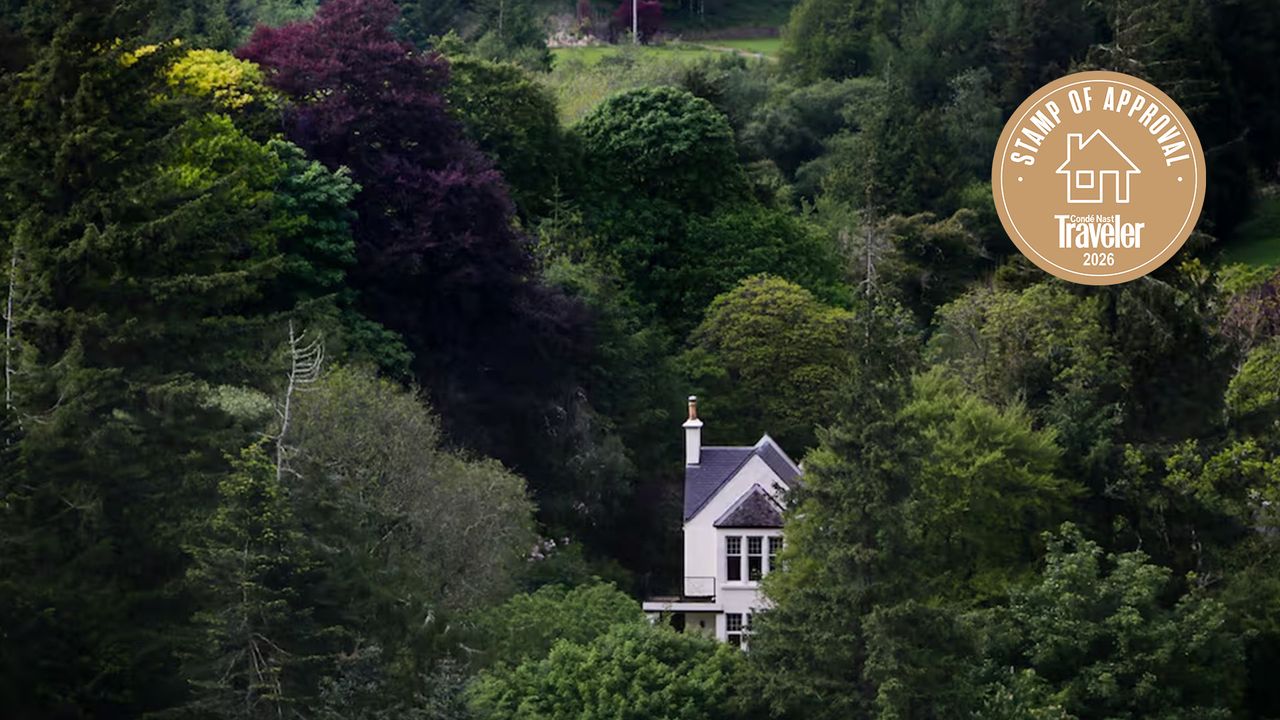
Consider a retreat like Home Farm, a soulful 17th-century farmhouse located just ten minutes from the town center. Staying here feels like stepping into a living history book. These types of unique airbnbs and country homes near oban often feature thick stone walls, roaring peat fires, and windows that frame the rolling Argyll hills like oil paintings. Many of these boutique self-catering cottages have embraced the modern "wild" aesthetic, offering guest amenities like owl-cams and designated stargazing platforms, perfect for the dark skies of the Highlands.
The benefit of staying in these rural pockets is the ability to adopt a hub-and-spoke model of travel. You can spend your mornings exploring the rocky coastline and your afternoons tucked away in a garden with a book, watching the light change on the Firth of Lorn sightings.
Savoring the Seafood Capital: Dining and Distilleries
The culinary identity of Oban is inseparable from the water. As the Seafood Capital of Scotland, the town provides a dining experience that is both sophisticated and wonderfully unpretentious. The true soul of the food scene isn't found in white-tablecloth rooms, but in the green seafood hut perched on the railway pier. Here, you can stand in the harbor breeze, eating fresh mussels, langoustines, and scallops that were brought in by the local boats just hours prior.
For those seeking the best fresh seafood restaurants in Oban harbour, the variety is staggering. You might find yourself tucking into a platter of Loch Fyne oysters or king scallops seared in garlic butter. For travelers with different dietary needs, several local spots now offer innovative vegan seafood alternatives, ensuring everyone can participate in the town's maritime heritage.
No visit is complete without a journey through the Oban Distillery tours. Established in 1794, it is one of Scotland's oldest and smallest distilleries, uniquely nestled right in the heart of the town. Because it cannot expand outward against the cliffs, its production remains small and focused. The tour offers a sensory exploration of the malt-making process, finishing with a dram of the Oban 14-year-old—a single malt known for its balance of autumnal fruit, coastal salt, and a whisper of peat smoke.
Beyond the Harbor: Boat Trips and Island Hopping
While there are many things to do in Oban itself, the magnetic pull of the Inner Hebrides is undeniable. The town serves as the primary gateway for Inner Hebrides exploration, with the blue-and-white CalMac ferry routes departing multiple times a day.
One of the most transformative experiences is taking one of the many Oban boat trips to the island of Staffa. As you approach the island, the sight of the vertical basalt columns—naturally formed hexagonal pillars—is nothing short of otherworldly. Entering Fingal's Cave, where the echoes of the Atlantic create a natural cathedral of sound, you can understand why it inspired Mendelssohn’s Hebrides Overture.
If you visit between May and early August, day trips from oban to staffa and the treshnish isles offer a seasonal window for puffin watching. These charismatic "clowns of the sea" nest in the grassy burrows of the islands, often landing just a few feet away from quiet observers. For a more grounding adventure, the Isle of Kerrera is just a short ferry ride away. This nearly car-free island offers scenic hiking trails leading to the evocative Gylen Castle ruins, which stand on a dramatic cliff edge overlooking the sea.
Keep your eyes on the horizon during your boat tours; wildlife watching boat tours in oban to see seals often yield glimpses of porpoises, minke whales, and golden eagles soaring above the crags.
2026 Calendar of Events
If you are a first-time visitor planning for the future, 2026 promises to be a year of extraordinary vibrancy for Oban. The town's maritime and Gaelic heritage will be on full display through a series of major international and local events.
- International Sea Shanty Festival (June 19–20): This festival fills the harbor with the songs of the sea. It’s a rhythmic, soulful celebration where performers from across the globe bring maritime history to life through music.
- Clipper Round the World Race (July 10–19): Oban will host a fleet of ocean-racing yachts. This is a rare opportunity to see world-class sailors and participate in harbor-side festivities as the town becomes a global nautical hub.
- Argyllshire Gathering Highland Games (August 26–27): For those interested in attending the argyllshire gathering highland games 2026, this is the pinnacle of Highland tradition. You will witness world-class piping, heavy athletics like the caber toss, and traditional Highland dancing.
- Oban Winter Festival (Mid-November – December): For a later visit, this festival transforms the town into a glowing winter wonderland, featuring deer parades, craft markets, and a distinctively Scottish warmth that defies the cold.
Any practical oban travel guide for first-time visitors should emphasize booking accommodation early for these dates, as the town's capacity is reached quickly during these peak moments.
FAQ
Is Oban worth visiting?
Absolutely. Beyond being a transit point for the islands, Oban is a soulful destination in its own right. It offers a rare combination of accessible Highland scenery, world-class culinary experiences, and a deep-rooted history that is easy to explore on foot. Whether you love whiskey, wildlife, or mountain air, the town provides a genuine Scottish experience that feels both intimate and grand.
How many days should I spend in Oban?
Three to four days is often the ideal duration for a first visit. This allows for one full day to explore the town center, the distillery, and McCaig's Tower, a second day for a boat trip to Staffa or the Treshnish Isles, and a third day for hiking on the Isle of Kerrera or exploring nearby historic sites like Dunollie Castle.
What is the best month to visit Oban?
May, June, and September are widely considered the best months. In May and June, you have the advantage of long daylight hours and the peak of the puffin nesting season. September often brings a beautiful clarity to the light and fewer crowds than the peak months of July and August, though the weather remains relatively mild.
What islands can you visit from Oban?
Oban is the primary gateway to several Inner Hebridean islands. The Isle of Mull is the most frequent destination, which serves as the stepping stone to the holy island of Iona. Other easily accessible islands via CalMac or smaller boat tours include Lismore, Kerrera, Staffa, Coll, Tiree, and the Treshnish Isles.
What is Oban famous for?
Oban is most famous for three things: its designation as the Seafood Capital of Scotland due to its incredible fresh harbor-side dining, its role as the Gateway to the Hebrides for island travelers, and its historic 18th-century whisky distillery which sits at the very heart of the town’s layout.