Quick Facts
- Visas: Most travelers require a standard Indian e-Visa, though specific border zones like Sikkim and Arunachal Pradesh necessitate a Restricted Area Permit or Protected Area Permit.
- Connectivity: A local SIM card is essential for obtaining a local number, which is required for OTP verification on digital payment infrastructure and train booking platforms.
- Transport: Seats on Indian Railways are highly coveted; it is best to book tickets up to 120 days in advance to secure your journey across the subcontinent.
- Urban Mobility: To navigate the vibrant chaos of major cities safely and avoid scams, use ride-hailing apps such as Ola or Rapido for transparent pricing.
- Cultural Etiquette: Respect local traditions by dressing modestly—covering shoulders and knees—and always remove your shoes before entering homes or temples.
- Dining Savvy: Prioritize street food hygiene by eating freshly cooked, hot food from stalls with high turnover, and always choose bottled or purified water.
- Contact for Safety: Dial 112 for general emergencies or 1363 for the dedicated tourist helpline while navigating your first time India travel planning.
Travelers to India should embrace the philosophy of Atithi Devo Bhava, an ancient Sanskrit philosophy which treats guests with deep respect as if they were a visiting deity. To navigate this sprawling land efficiently in 2026, visitors must combine this cultural sensitivity with modern India travel tips such as dressing modestly at religious sites and securing a local SIM card to access the nation’s essential digital payment infrastructure. By balancing an appreciation for traditional customs with a grasp of modern logistics like ride-sharing apps and permit requirements, you can ensure a journey that is as seamless as it is spiritually enriching.
The Philosophy of Atithi Devo Bhava: Beyond the Slogan
To step onto Indian soil is to enter a world where the boundary between the mundane and the divine is famously thin. At the heart of this experience is a phrase you will hear whispered in the marble halls of luxury hotels and the dusty lanes of village markets: Atithi Devo Bhava. Rooted in the Taittiriya Upanishad, this Sanskrit verse translates to The guest is god. It is not merely a greeting; it is a moral compass that has guided Indian hospitality for millennia.
In the modern era, this ancient sentiment was revitalized through the Atithi Devo Bhava campaign. Launched by the Ministry of Tourism in 2005, this social awareness initiative was designed to sensitize stakeholders in the tourism industry and the general public to treat travelers with warmth and dignity. The impact has been profound. A government survey on the initiative revealed that 96.8% of respondents agreed with the cultural values promoted by the campaign, while 89.2% expressed a desire to educate others on behaving respectfully toward visitors.
As a traveler in 2026, understanding this ethos helps decode the overwhelming generosity you may encounter. Whether it is a shopkeeper offering you a glass of masala chai or a family inviting you into their home during a religious pilgrimage, these gestures are expressions of a deep-seated cultural duty. To honor this hospitality, your own India travel tips should focus on reciprocating that respect through cultural sensitivity and an open heart.
Modern Indian Hospitality: Navigating the Digital Tech Barrier
While the spirit of hospitality remains ancient, the tools used to deliver it in 2026 are cutting-edge. India has undergone a digital revolution that has fundamentally changed the logistics of travel. The country now operates on a sophisticated digital payment infrastructure that relies heavily on Unified Payments Interface or UPI. For the international visitor, this means that while cash is still useful in remote bazaars, the ability to pay via a phone app is now the standard for everything from high-end boutiques to small tea stalls.
However, there is a catch that often surprises those engaged in first time India travel planning: the necessity of a local number. Most digital services, including the systems for booking Indian Railways tickets or using payment apps, require a One-Time Password or OTP for verification. Upon landing, your first priority should be obtaining a local SIM card at the airport. This local number is the key that unlocks the ease of modern Indian travel.
Navigation and ride-sharing have also been transformed. To avoid the traditional ritual of heavy bargaining with auto-rickshaw drivers, savvy travelers now use ride hailing apps ola and rapido for tourists. These platforms provide fixed pricing and GPS-tracked routes, offering a layer of security and convenience that was once a luxury. Using these apps allows you to move through cities like Mumbai or Bengaluru with the confidence of a local, ensuring you spend less time negotiating fares and more time soaking in the atmosphere.
Pro-Tip for 2026 Tech: Download the apps for Ola and Rapido before you arrive, but wait until you have your local Indian SIM card to register and activate the OTP-verified services.
Cultural Etiquette: Respecting Traditions and Sacred Spaces
India is a tapestry of faiths and traditions, and navigating India travel etiquette and social norms requires a blend of modesty and awareness. The most visible manifestation of this is the dress code, especially when visiting a religious pilgrimage site or a local temple. A useful mnemonic to remember is head, shoulders, knees, and toes. In most sacred sites, you should ensure your shoulders and knees are covered. In many Gurdwaras or mosques, a head covering is required for both men and women.
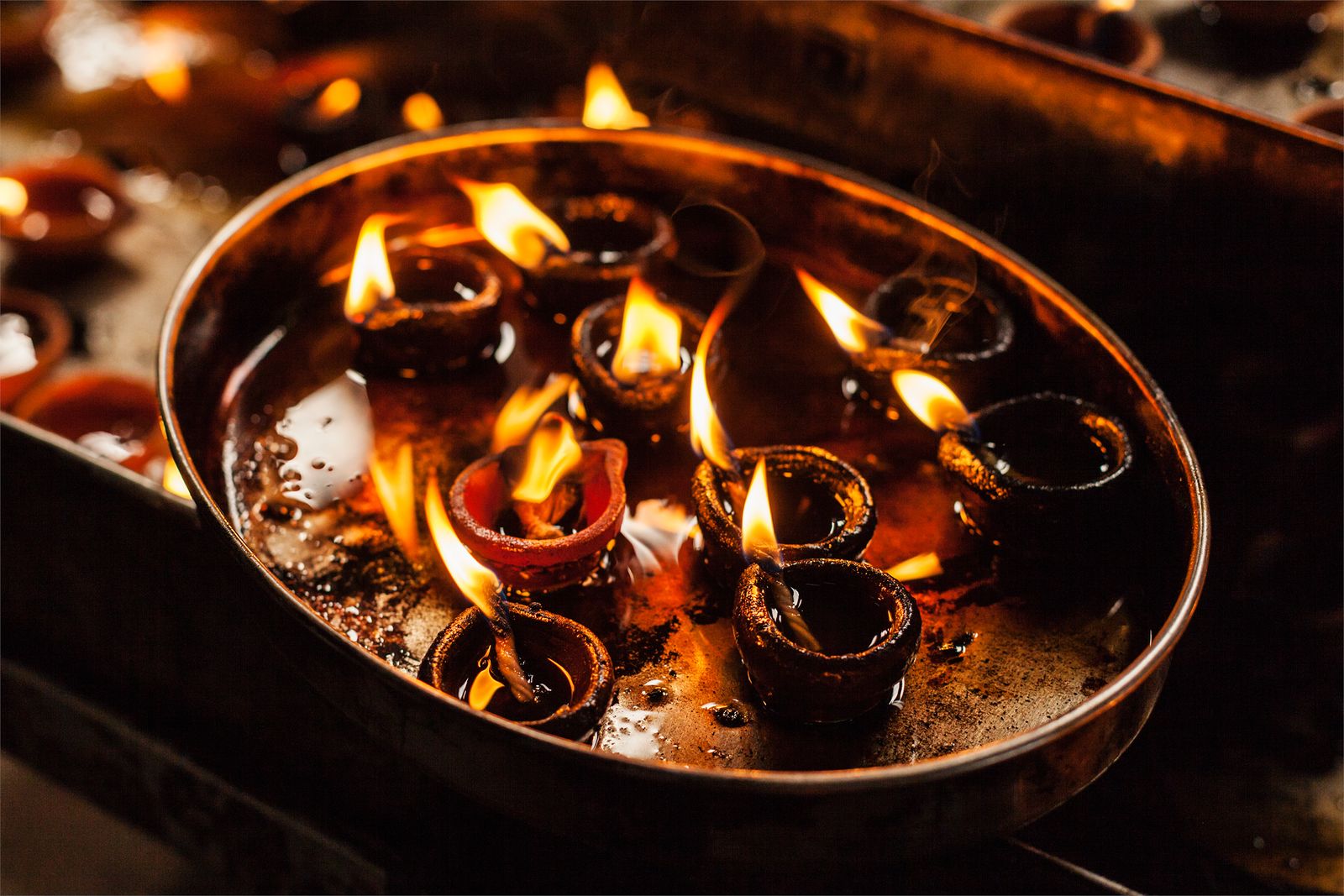
What to wear to hindu temples in india for tourists often involves light, breathable cotton fabrics like a long tunic or a scarf that can be easily repurposed as a wrap. Furthermore, the ritual of removing shoes before entering a home or a place of worship is non-negotiable. You will often see rows of sandals outside doorways; this is a physical manifestation of leaving the impurities of the outside world behind before entering a sanctified space.
Social interactions also carry their own rhythmic cues. The right hand is considered the hand for clean tasks—eating, giving, and receiving—while the left is traditionally reserved for personal hygiene. Even if you are left-handed, try to use your right hand when passing money or food. When it comes to the Namaste greeting, placing your palms together at your chest is a beautiful and universally respected way to acknowledge another person’s presence without the need for physical contact.
Be mindful that public displays of affection are generally frowned upon in most parts of India, particularly in smaller towns and rural areas. While modern metropolitan centers are more relaxed, maintaining a level of decorum in public is a simple way to show respect for local sensibilities.
Regional Nuances: Visas, Permits, and Local Laws
India is not a monolith; it is a collection of states, each with its own linguistic diversity and administrative rules. When you begin your India visa and restricted area permits research, start with the e-Visa, which is available to citizens of most countries. However, your itinerary might take you to sensitive border zones or ecologically protected areas.
Regions such as parts of Sikkim, Arunachal Pradesh, and the Andaman and Nicobar Islands require additional documentation known as a Restricted Area Permit or a Protected Area Permit. These are not merely suggestions; they are strictly enforced for national security. It is vital to learn how to apply for india restricted area permits well in advance, as these often require processing through specific regional offices or registered travel agents.
Administrative nuances also extend to local lifestyle laws. For instance, if you are planning a 2 week india itinerary by region, you might find yourself moving from the party beaches of Goa to the dry states of Gujarat or Bihar, where alcohol prohibition laws are in effect. In these states, the possession or consumption of alcohol can lead to legal trouble unless you have a specific permit often reserved for foreign tourists.
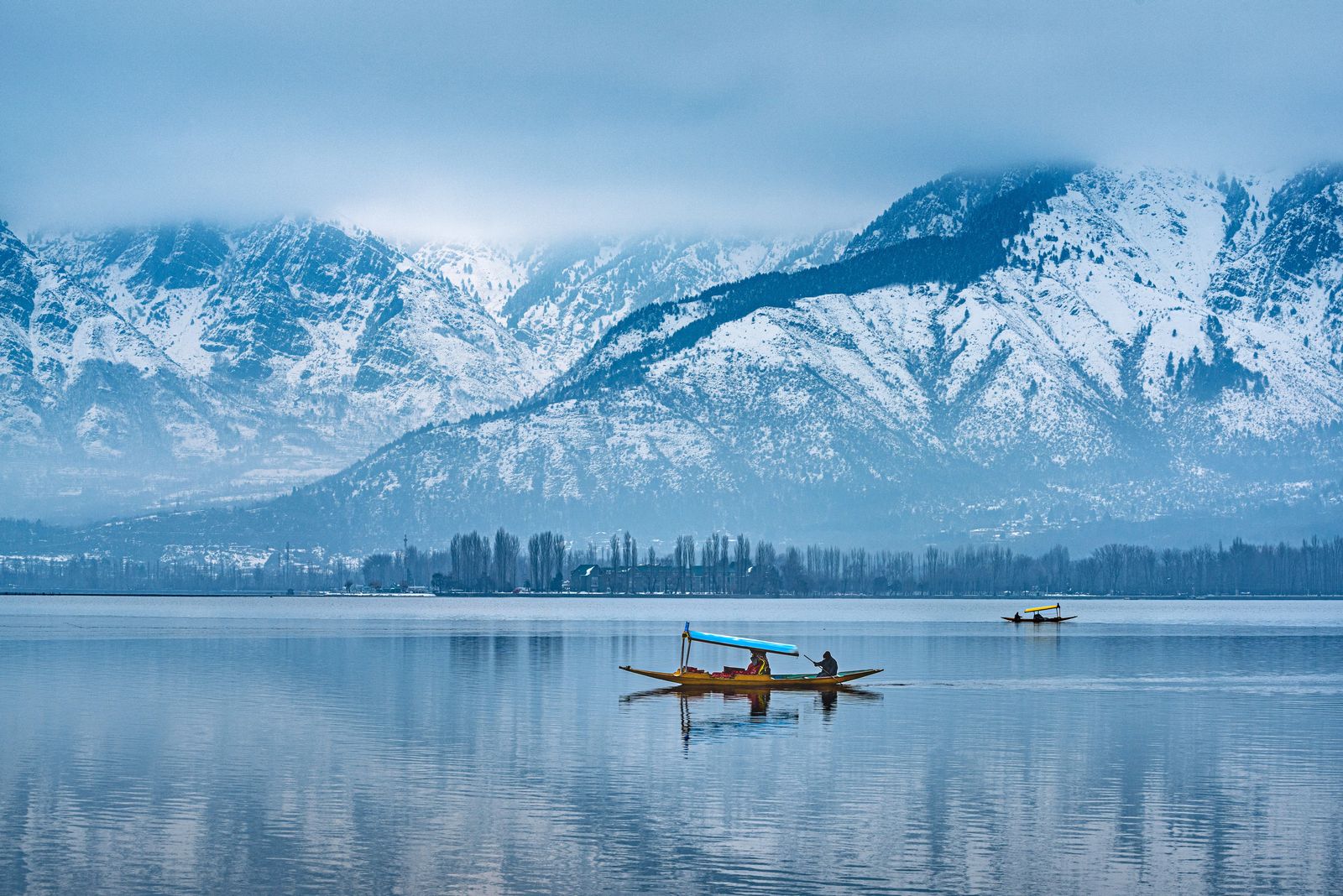
When planning your route, less is often more. India’s vastness can be exhausting if you try to see everything at once. A successful strategy is to focus on one region—such as the Himalayan North or the tropical South—per two weeks of travel, allowing you to truly immerse yourself in the local culture rather than just ticking off monuments.
Health, Safety, and Ethical Immersion
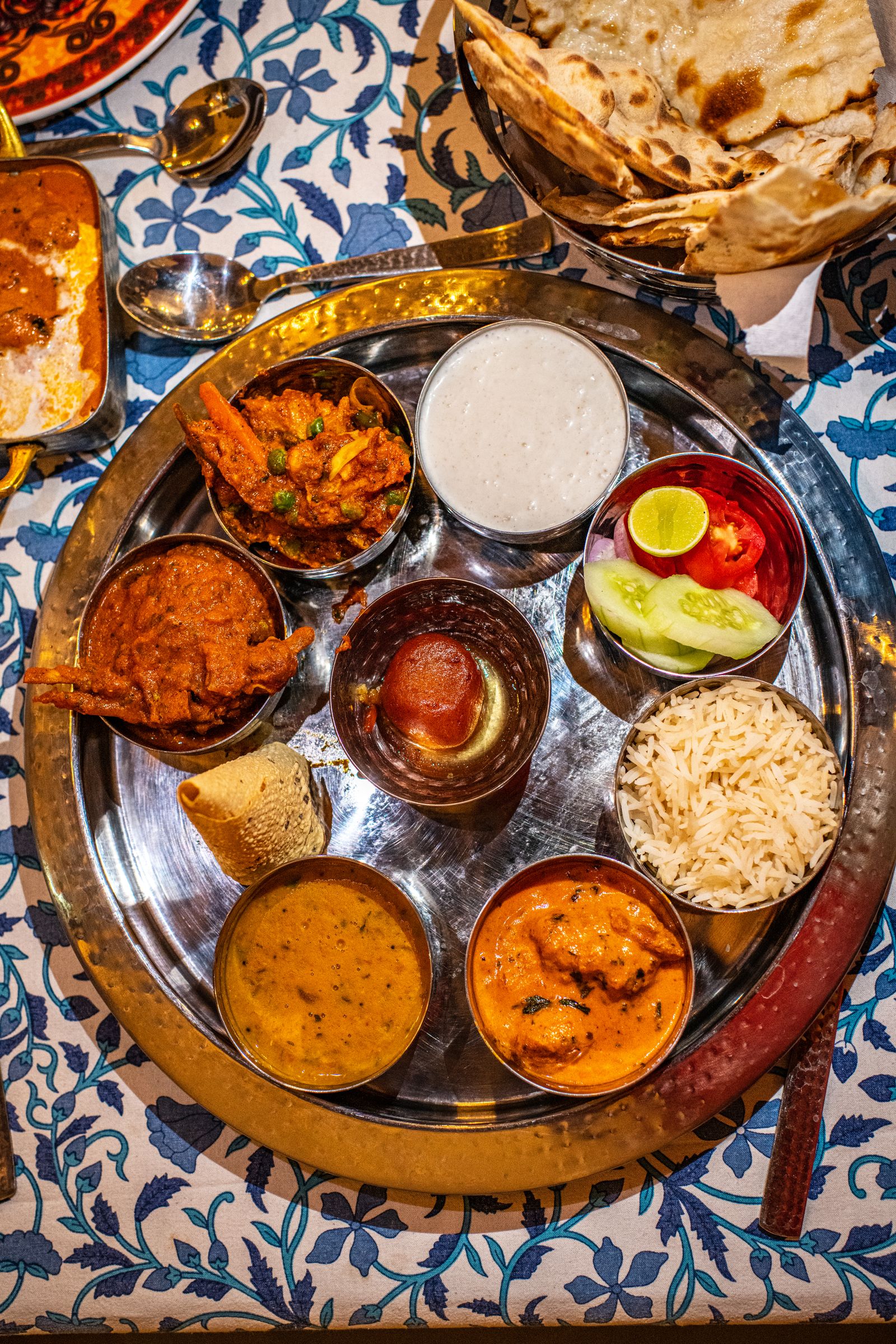
The sensory explosion of Indian cuisine is a highlight for almost every visitor, but it requires a bit of caution to avoid the dreaded Delhi Belly. The best food safety tips for eating street food in india revolve around heat and turnover. Look for stalls where the food is being cooked fresh on a tawa or in a kadhai right in front of you. High-turnover stalls, where locals are lining up, are usually the safest bets as the ingredients are unlikely to be sitting out for long.
Beyond the plate, your safety and ethical impact as a traveler are paramount. For solo female travel, it is advisable to arrive at new destinations during daylight hours and to use ladies-only carriages on the Delhi Metro or local trains when available. For help in any situation, the national emergency number is 112, and the dedicated tourist helpline is 1363.
Ethical immersion also means engaging fairly with the local economy. At small bazaars, you will encounter the country’s incredible textile and craft heritage. While ethical bargaining is part of the culture, it should be done with a smile and a sense of fairness. Remember that a few rupees might mean very little to you but could be significant for a local artisan. Tipping, or baksheesh, is expected for services, with a standard of 5-10% being appropriate in restaurants.
FAQ
What should I wear when traveling in India?
To respect local customs and navigate the weather, opt for modest, loose-fitting clothing made of natural fibers like cotton or linen. Women should consider carrying a light scarf (dupatta) to cover their head or shoulders when entering temples, while both men and women should keep their knees covered in sacred spaces.
Do I need a visa to visit India as a tourist?
Yes, most international travelers require a visa. The Indian e-Visa is a convenient digital option for most. However, if your travels include specific border regions or islands, you may also need to apply for a Restricted Area Permit or Protected Area Permit.
Is it safe for a woman to travel alone in India?
India is generally safe for solo female travelers, but it requires situational awareness. Stick to well-traveled routes, use public transport during the day, and utilize female-only sections on trains and metros. Engaging with other travelers and staying in highly-rated guesthouses can also provide an extra layer of comfort.
What are the do's and don'ts for tourists in India?
Do greet people with a Namaste and use your right hand for eating and transactions. Don't wear shoes inside homes or temples, and avoid public displays of affection. Also, be sure to ask for permission before taking photographs of people, especially in rural areas or during religious ceremonies.
What is the best way to get around India?
For long distances, the extensive Indian Railways network is the best option, provided you book up to 120 days in advance. Within cities, using ride-hailing apps like Ola and Rapido offers a reliable and transparent way to navigate without the need for intense price negotiations.
As you prepare for your journey in 2026, remember that the heart of India is found in its people. By combining practical India travel tips with a genuine respect for the spirit of Atithi Devo Bhava, you will find that the country opens itself to you in ways you never imagined. Prepare your digital tools, respect the ancient codes of the temple, and dive into the aromatic, colorful, and divine tapestry of India.