Quick Facts
- Status: Oregon’s 1st International Dark Sky Place
- Location: Central Oregon (4,164 ft altitude)
- Key Facility: Oregon Observatory (Largest in the US)
- Best Viewing Window: May–August for optimal clarity
- Telescope Count: 36+ professional-grade instruments
- Top Attraction: 30-inch Newtonian telescope
- Key Environment: High-desert climate with zero light pollution
Sunriver is Oregon's first International Dark Sky Place, offering a premier Sunriver stargazing guide experience with low light pollution and a high-desert climate ideal for viewing the Milky Way and deep-sky objects. Located south of Bend, this area provides a pristine environment for observing star clusters and distant galaxies against the legendary backdrop of the Cascade Range and Deschutes National Forest.
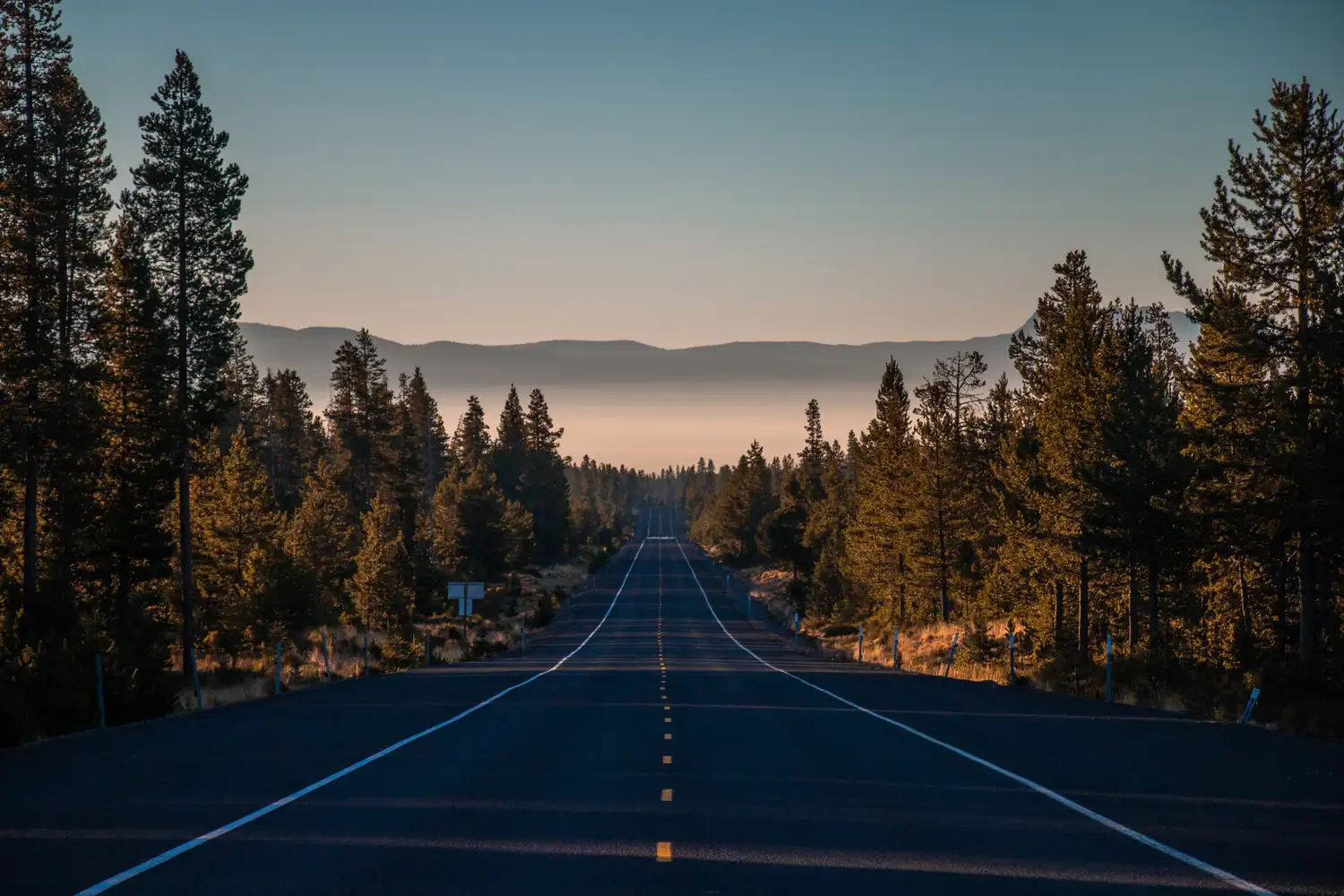
There is a moment, usually about twenty minutes after the sun dips behind the jagged peaks of the Cascades, when the air in Sunriver changes. The heat of the high-desert day evaporates, replaced by a crisp, cool breeze that smells faintly of pine and sage. But the real magic happens another hour later. I remember standing out near the Great Meadow for the first time, looking up, and feeling a genuine sense of vertigo. In most of America, the night sky is a hazy shade of grey. Here, in 2020, Sunriver was designated the first International Dark Sky Place in Oregon by the International Dark-Sky Association, and the difference is staggering.
The Oregon Observatory: A Gateway to the Cosmos
If you want the ultimate introduction to the heavens, you head straight to the Sunriver Nature Center & Observatory. I’ve visited observatories all over the world, but there is something uniquely accessible about this place. It is officially recognized as the largest publicly accessible observatory in the United States and features a massive collection of approximately 30 telescopes on any given night.
When you sign up for Sunriver Nature Center & Observatory nighttime visits, you aren't just looking through a plastic eyepiece. You are peering through serious glass. The crown jewel is their 30-inch Newtonian telescope. Standing on a ladder to reach the eyepiece of that beast at an altitude of 4,164 feet is a rite of passage for any adventurer. I remember the first time I saw the rings of Saturn through it—they looked so sharp I felt like I could reach out and pluck them like a guitar string.
The staff here are more like cosmic guides than laboratory scientists. During the 8pm group sessions, which are far and away the most popular family stargazing activities in Sunriver Oregon, they use high-powered lasers to point out constellations, telling stories that bridge the gap between ancient mythology and modern astrophysics. Unlike traditional planetariums with their static domes, the Oregon Observatory uses a retractable roof system. When the roof slides back, the transition from the cozy, red-lit room to the infinite expanse of the Central Oregon sky is breathtaking.
You will see things here that are invisible to the naked eye. We’re talking about star clusters that look like spilled diamonds on black velvet and deep-sky objects like the Orion Nebula or the Andromeda Galaxy. Because the Sunriver Nature Center and Observatory nighttime experiences are led by experts, you don’t need to know your way around a star chart to have a meaningful experience.
DIY Stargazing: Top Spots in the Central Oregon Wilds
While the observatory is the heart of the action, sometimes I prefer the solitude of the "wild" sky. If you are looking for Sunriver Oregon dark sky viewing that feels a bit more rugged, you need to head a few miles out of the resort area.
One of my favorite top spots for night sky viewing in Sunriver is the area bordering the Deschutes National Forest. If you drive toward the Cardinal Landing Bridge or find a quiet trailhead near the Newberry National Volcanic Monument, the light pollution drops to near zero. It’s sobering to think that 80% of North Americans can no longer see the Milky Way from their homes. In Sunriver, it isn't just visible; it’s a brilliant, architectural arc that dominates the sky.
For a truly epic DIY expedition, I often suggest the Prineville Reservoir. It’s a bit of a drive, but as a certified Dark Sky Park, it offers a level of darkness that is hard to find anywhere else in the Pacific Northwest. Just keep in mind that you may need a vehicle permit for certain areas, and cellular service is notoriously spotty. This is where you really feel the importance of night sky preservation. Without the tireless work of the International Dark-Sky Association and local Sunriver ordinances that require shielded lighting, these views would have been lost years ago.
When you’re out there alone, the silence of the high-desert climate is profound. You’ll hear the occasional hoot of a Great Horned Owl or the rustle of a deer in the brush, but mostly, it’s just you and the ancient light of stars that burned out thousands of years ago. It’s a humbling outdoor adventure that grounds you in a way that few daytime activities can.
Mastering the High Desert: Pro Tips & Gear
Stargazing in Central Oregon is a double-edged sword: the air is clear because it’s dry and high, but that also means temperatures can plummet the second the sun goes down. Even in July, I’ve seen the thermometer drop 30 degrees in a matter of hours. If you’re planning on being out for a long session of Sunriver Oregon dark sky viewing, you need to dress like you’re going on a winter hike. Think layers, wool socks, and a reliable beanie.
For those interested in capturing the experience, let’s talk about astrophotography techniques. You don’t need a ten-thousand-dollar setup, but you do need a tripod. Trying to hold a camera still for a 20-second exposure is impossible. Some essential gear for Sunriver night sky photography include:
- A sturdy tripod to handle the evening winds.
- A wide-angle lens with a low f-stop (f/2.8 is the sweet spot).
- A headlamp with a red-light mode to preserve your night vision.
- Extra batteries, as the cold high-desert climate drains them faster than usual.
- Offline maps or a physical BLM map because of the frequent cell dead zones in the forest.
When I’m setting up for a shot of the Milky Way, I look for "dark sky" pockets where the trees provide a natural frame. Don't be afraid to experiment with your ISO settings; the sky here is dark enough that you can push your camera’s sensor without picking up too much noise.
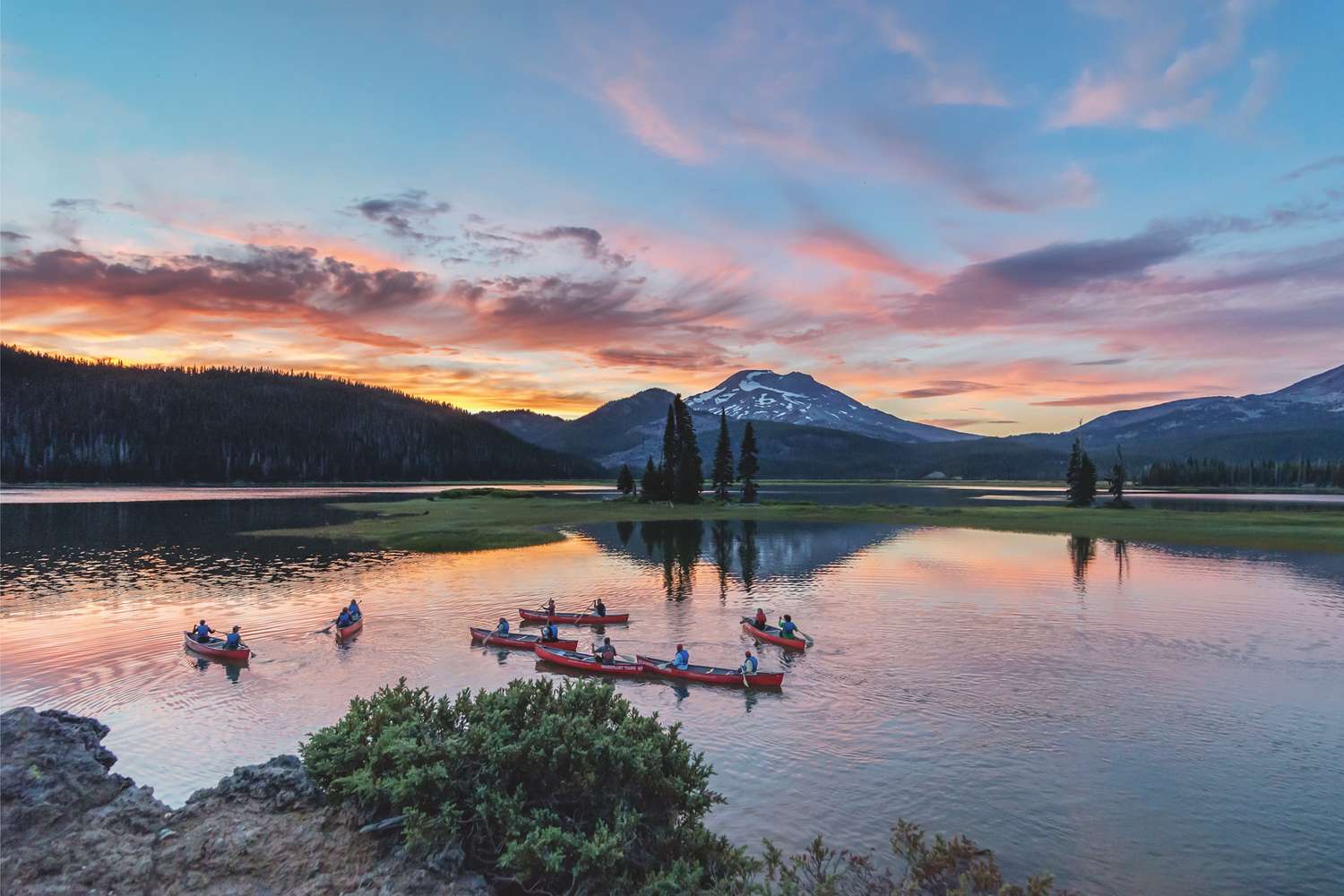
Beyond the night sky, realize that Sunriver is a total playground during the day. You can spend your morning hiking the lava flows or taking a paddle down the Deschutes River. Combining those rugged outdoor activities in Sunriver Oregon with nighttime observation makes for a perfect 24-hour adventure loop. My typical itinerary involves a morning bike ride, an afternoon nap to save energy, and a late-night session at the observatory.

Preparing for Your Visit
To get the most out of your Sunriver Oregon International Dark Sky Place guide, timing is everything. While Sunriver is stunning year-round, the window from May through August is the gold standard. The skies are consistently clear, and the summer constellations, including the "Summer Triangle," are in full view.
If you are planning to visit the observatory, I cannot stress this enough: book your tickets early. The Sunriver Nature Center & Observatory nighttime visits often sell out weeks in advance, especially during the summer months. The 8pm slots are perfect for families, but if you're a hardcore enthusiast, look for later sessions or specialized programs that offer more time on the larger telescopes like the Newtonian telescope.
Lastly, respect the environment. Sunriver’s status as a dark sky community depends on everyone doing their part. Use red filters on your flashlights, keep your porch lights off at your rental, and practice leave-no-trace principles when you're out in the Deschutes National Forest. We are guests in this cosmic theater, and it’s up to us to keep the lights down so the show can continue.
FAQ
Is Sunriver a certified Dark Sky community?
Yes, Sunriver is a certified International Dark Sky Place. It earned this prestigious designation from the International Dark-Sky Association in 2020, making it the first community in Oregon to receive such recognition for its commitment to preserving the night sky through responsible lighting and education.
Can you see the Milky Way from Sunriver?
Absolutely. Due to the low light pollution and the high-desert climate, the Milky Way is clearly visible to the naked eye during the summer months. It appears as a bright, cloudy band of stars stretching across the sky, specifically from late spring through early autumn.
Are there public observatories in Sunriver?
Yes, the Sunriver Nature Center & Observatory is home to the Oregon Observatory, which is the largest publicly accessible observatory in the United States. It offers an incredible array of telescopes and guided nighttime programs for visitors of all ages.
What can you see in the night sky in Central Oregon?
Depending on the season, you can see the planets of our solar system, distant star clusters, the craters of the moon in incredible detail, and deep-sky objects like the Andromeda Galaxy. The high altitude and clear air make it one of the best locations in the country for spotting faint nebulae.
What is the best time of year for stargazing in Sunriver?
The best time of year is between May and August. These months offer the highest frequency of clear, cloudless nights and the most comfortable temperatures for standing outside. This period also provides the best views of the dense center of the Milky Way galaxy.