Quick Facts
- The 91% Stat: A vast majority of working parents experience guilt, but it is a manageable emotion with the right tools.
- Micro-Moments: Research shows 5-10 minutes of deeply focused connection is more impactful than hours of distracted presence.
- The Tangible Anchor: Using physical mascots or transitional objects bridges the gap the physical distance creates.
- Consistent Rituals: Short, predictable goodbye traditions and daily micro-moments provide emotional security for the child.
- Work-Life Integration: Data indicates that parents travel for work more than non-parents, making effective connection strategies essential.
- Predictable Reunion: A scheduled reentry ritual helps children process the complex emotions associated with a parent's return.
To manage parental travel guilt, establish consistent rituals that maintain presence despite physical distance. Brief goodbye traditions, such as having a child help pack a specific accessory for the parent to wear or using a symbolic lipstick heart kiss, create tangible connections. Especially for frequent business trips, maintaining home routines like bedtime stories through video calls or personalized AI-generated storybooks helps normalize the parent's absence and provides children with emotional security.
Reframing the Mindset: Why We Feel Guilt
If you have ever felt a lump in your throat while boarding a plane, you are far from alone. As parents, we often carry an invisible backpack of shame, thinking our absence will somehow damage the bond we have worked so hard to build. However, understanding the source of this feeling is the first step toward conquering it. We need to distinguish between toxic shame—the feeling that we are "bad parents" for working—and healthy responsibility, which is the desire to care for our family’s needs while acknowledging the reality of our careers.
The numbers tell a striking story about the modern parenting experience. A 2024 study on working parents found that 91% experience parental guilt, with 45% citing a lack of quality time as the primary cause. This isn't just an internal struggle; it is a systemic one. Further data from the 2023 Global Business Travel Survey reveals that 44% of parents believe they are traveling for work more than they would prefer, a rate significantly higher than the 25% reported by non-parents.
When we feel this weight, we must focus on connection over perfection. We don't have to be the parent who never leaves; we just need to be the parent who stays emotionally present even when we are geographically distant. Shifting your parental mindset involves understanding that your work provides for your family and models resilience and professional dedication for your children.

Pre-Departure: Setting the Stage for Security
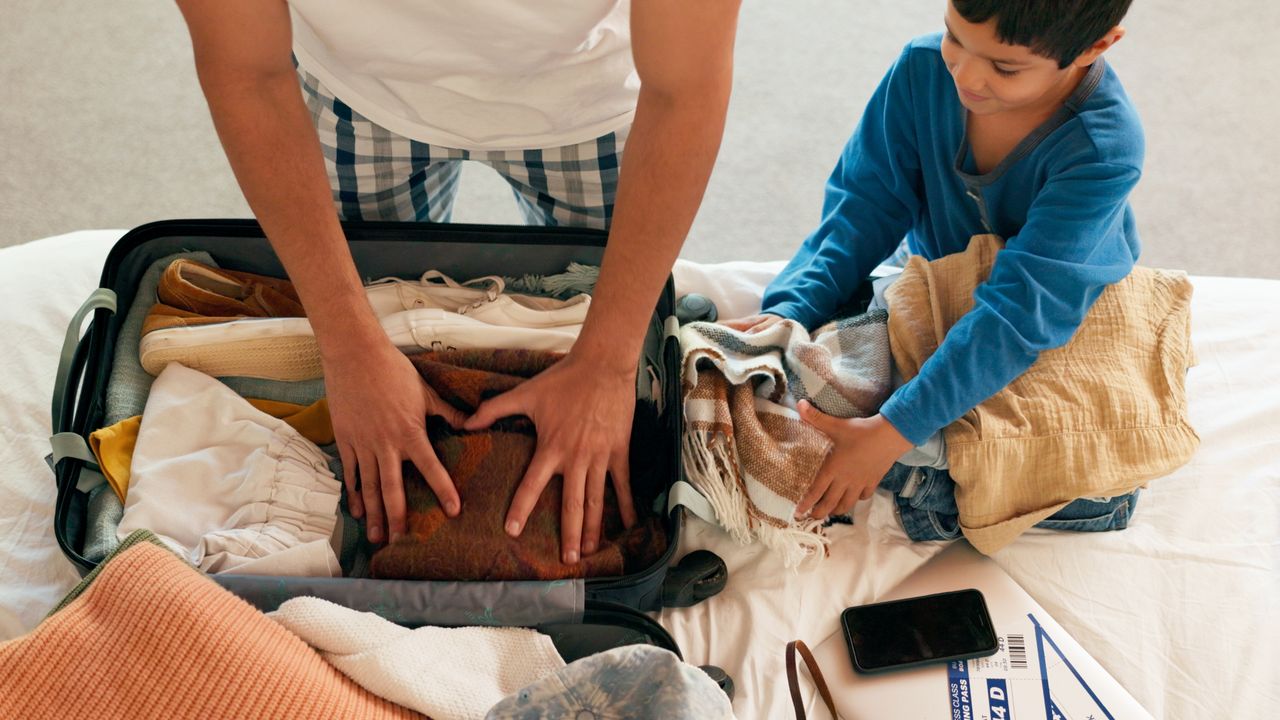
The days leading up to a trip are often the most stressful. Children are intuitive; they sense the looming departure through the sight of an open suitcase or a parent’s distracted mood. To mitigate separation anxiety, we can transform the act of leaving into a series of predictable goodbye traditions. These rituals serve as a roadmap, showing the child that while Mom or Dad is going away, they are also coming back.
One of our favorite pre-departure packing rituals for traveling parents and kids involves a "swap." Let your child choose a small, safe accessory—a scarf, a harmless piece of costume jewelry, or even a specific keychain—for you to carry. In exchange, leave something of yours with them. This creates a tactile memento that reinforces family cohesion.
For younger children, visual aids are essential. A "sleep countdown" calendar allows them to check off each night until your return. Instead of vague phrases like "I'll be home in three days," say "I will be home after you sleep three times." You can also implement a lipstick heart tradition: blow a kiss onto a piece of paper or a small card, and leave it in their lunchbox or under their pillow. These simple goodbye traditions for traveling parents with young children provide a sense of control in a situation where they might otherwise feel powerless.
Staying Connected: Interactive Presence from Miles Away
Once you are on the road, the goal shifts from preparation to active presence. Many of us fall into the trap of "status update" calls—faceless "how was your day?" conversations that often end in one-word answers and frustration. Instead, we want to transition to interactive sessions that leverage micro-moments of true connection.
Think about your traveling parent routines as a way to participate in their world from afar. If you usually read a bedtime story, don't stop just because of the physical distance. Use video platforms to maintain long distance bedtime routines for traveling parents by reading together or using AI story generators to create a personalized tale where your child is the hero.
Here are some creative ways to stay connected:
- The Traveling Mascot: Carry a child's Lego figure or a small stuffed animal in your pocket. Take photos of it at your hotel, the airport, or any local landmarks. Share these digital photo traditions by sending the pictures to your child. It makes them feel like part of your adventure.
- Hotel Room Tours: Children love "secret" spaces. Use FaceTime to give a tour of your hotel room. Let them "rate" the view or the fun soaps in the bathroom. This turns your work trip into a shared story.
- Voice Memo Scavenger Hunts: Send WhatsApp voice memos with clues about where a small treat might be hidden back at home. This interactive element keeps them engaged with you throughout the day.
- The "Rating" Game: If you are at a restaurant, send a photo of your meal and ask them to rate it from 1 to 10. These daily FaceTime games and activities for traveling parents are quick but keep the dialogue flowing naturally.
According to a survey by Best Western International, 62% of business travelers report feeling guilty while traveling for work. However, by establishing traveling parent routines for frequent business trips that focus on these interactive touches, you can significantly reduce that burden.

Age-Specific Connection Anchors
The strategies we use must evolve alongside our children. What works for a toddler will not necessarily resonate with a teenager. Matching your approach to their developmental categories ensures that your efforts actually land.
| Child's Age | Focus Area | Recommended Activity |
|---|---|---|
| 0-3 Years | Sensory Connection | Record your voice singing a favorite song or reading a book to be played at bedtime. |
| 4-8 Years | Visual & Tangible | Start a themed souvenir collection, like travel stickers or snow globes, that they can anticipate. |
| 9-12 Years | Shared Discovery | Use Google Earth to show them exactly where you are and research one "cool fact" about the city together. |
| 13+ Years | Autonomy & Support | Sending a text just to say "thinking of you" or sharing a funny meme that fits an inside joke. |
For school-aged children, writing postcards from every destination is a beautiful way to build an emotional archive. Even if they are too young to read, receiving mail addressed specifically to them reinforces your presence. This practice builds world curiosity and provides a physical reminder of your care that lives on long after the trip ends.
The Reunion: Closing the Emotional Loop
The return home is often the most overlooked part of the travel cycle. We expect a cinematic reunion, but the reality can be messy. Children may act out, show "cold" behavior, or be overly clingy. This is a normal part of processing the reunion and managing the shift in family dynamics.
Healthy reentry rituals help normalize the return and restore attachment security. Avoid the "gift-bombing" trap where you feel you must buy their love with expensive toys. Instead, focus on a predictable "welcome home" activity. This could be as simple as a 15-minute snuggle on the couch without phones or a special tradition like ordering pizza the night you return.
Validate their feelings if they seem upset. Saying, "I bet it was hard that I was away for your soccer game, I missed being there too," validates their complex emotions. By closing the loop with intentionality, you reinforce the message that your bond is strong enough to withstand any geographical gap. Parental travel guilt doesn't have to be a permanent companion; it can be the fuel that drives us to create deeper, more meaningful connections with our children, no matter where the road leads us.
FAQ
How do I overcome parental travel guilt?
Overcoming this guilt starts with reframing your perspective from what you are "taking away" from your child to what you are providing and modeling. Focus on connection over perfection by implementing micro-rituals—like a consistent goodbye tradition or a 5-minute focused video call—rather than trying to compensate with extravagant gifts. Remind yourself that your career is a part of your identity and that children of working parents benefit from seeing professional dedication and resilience.
How can I stay connected with my child while I am traveling?
Consistency is more important than duration. Use digital tools for more than just checking in; engage in shared activities like reading a book together over FaceTime, playing simple digital games, or sharing photos of a traveling mascot in different locations. Tangible anchors, such as leaving a piece of your jewelry or a handwritten note for each day you are gone, provide a physical bridge that helps children feel your presence even when you are miles away.
Does leaving your child for a vacation affect their attachment style?
Brief, planned absences followed by warm, predictable reunions do not typically damage a secure attachment style. Attachment is built on the overall pattern of responsiveness and care over a long period, not isolated incidents of travel. By using goodbye rituals and staying connected with kids during work travel, you provide the emotional security they need to navigate the separation and the reunion healthily.
How do you handle work-related travel guilt as a parent?
Handling work-related guilt requires acknowledging that 91% of parents feel this way, making it a nearly universal experience. Practical steps include setting boundaries with your work schedule while away to ensure you have time for a daily "connection window" and involving your child in your journey. When they understand where you are going and why, the mystery—and the anxiety—around your absence decreases.
At what age is it okay to leave a child with a caregiver for a weekend?
There is no "perfect" age, as it depends on the child's temperament and their relationship with the caregiver. Generally, children over the age of six months can handle short absences if they have a strong bond with the person staying with them. For toddlers and preschoolers, preparation is key; using visual calendars and familiar routines can help them manage the weekend. Always trust your intuition and the specific needs of your family unit.