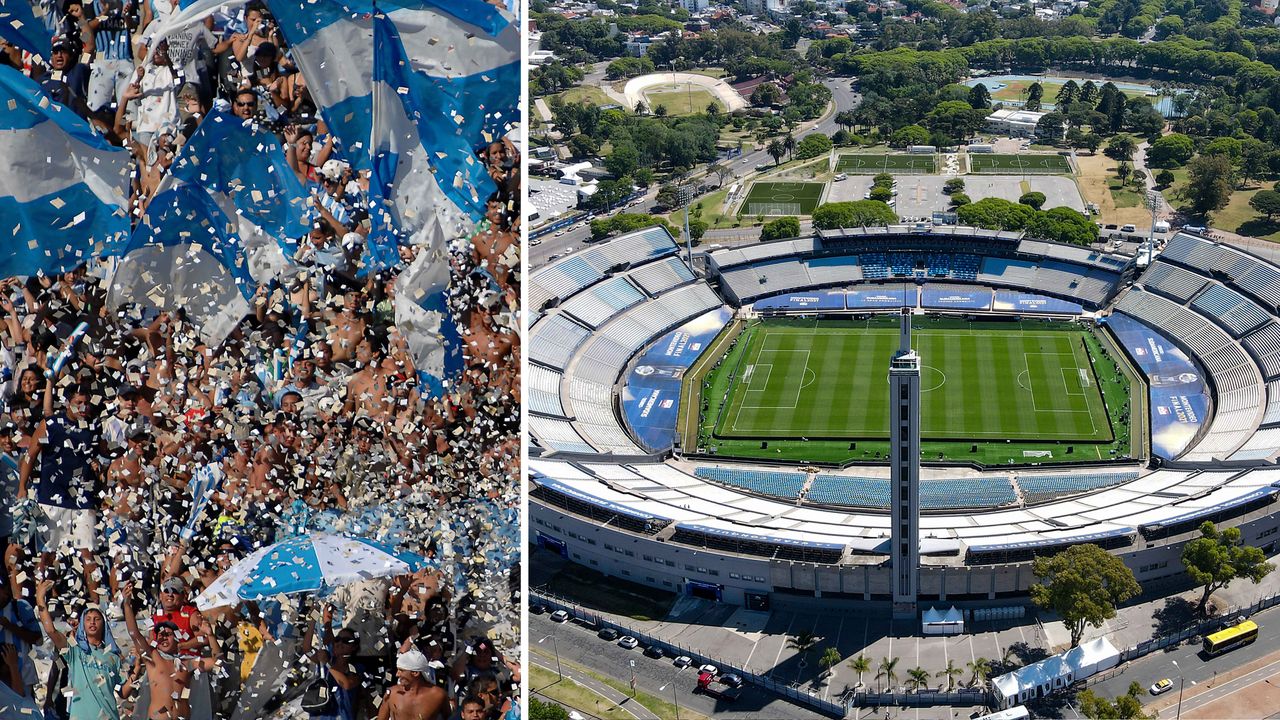
Montevideo exists in a state of beautiful, athletic nostalgia. It is a city where the salt air of the Rio de la Plata mingles with the scent of burning eucalyptus wood from sidewalk grills, and where every conversation eventually drifts toward the pitch. For those who understand that sport is a form of secular worship, this city of 1.3 million people is the undisputed cradle of global football. This montevideo soccer guide explores why this capital remains a Mecca for the beautiful game, from the 1930 world cup history montevideo to current 2026 traveler tips. To walk these streets is to walk through the living memory of the inaugural 1930 tournament.
Quick Facts
- Status: Home to the only FIFA Historical Monument of World Football in the world.
- Club Density: Features 13 first-division clubs based within the city limits.
- History: The only city to host all 18 matches of an inaugural World Cup.
- Philosophy: Defined by Garra charrúa, a cultural spirit of tenacity and resilience.
- Museum: The onsite museum houses the original match ball from the 1930 final.
- Legacy: Uruguay holds four stars on its crest, representing two Olympic soccer gold medals and two World Cup titles.
This montevideo soccer guide reveals that the city earned its status as a soccer Mecca by hosting the first-ever FIFA World Cup in 1930, a feat made possible by Uruguay’s back-to-back 1924 and 1928 Olympic soccer gold triumphs. It remains a place where the history of the sport is not just found in books, but in the brickwork of its stadiums and the daily rituals of its people.
The Cradle of Glory: Why Montevideo Hosted the First World Cup
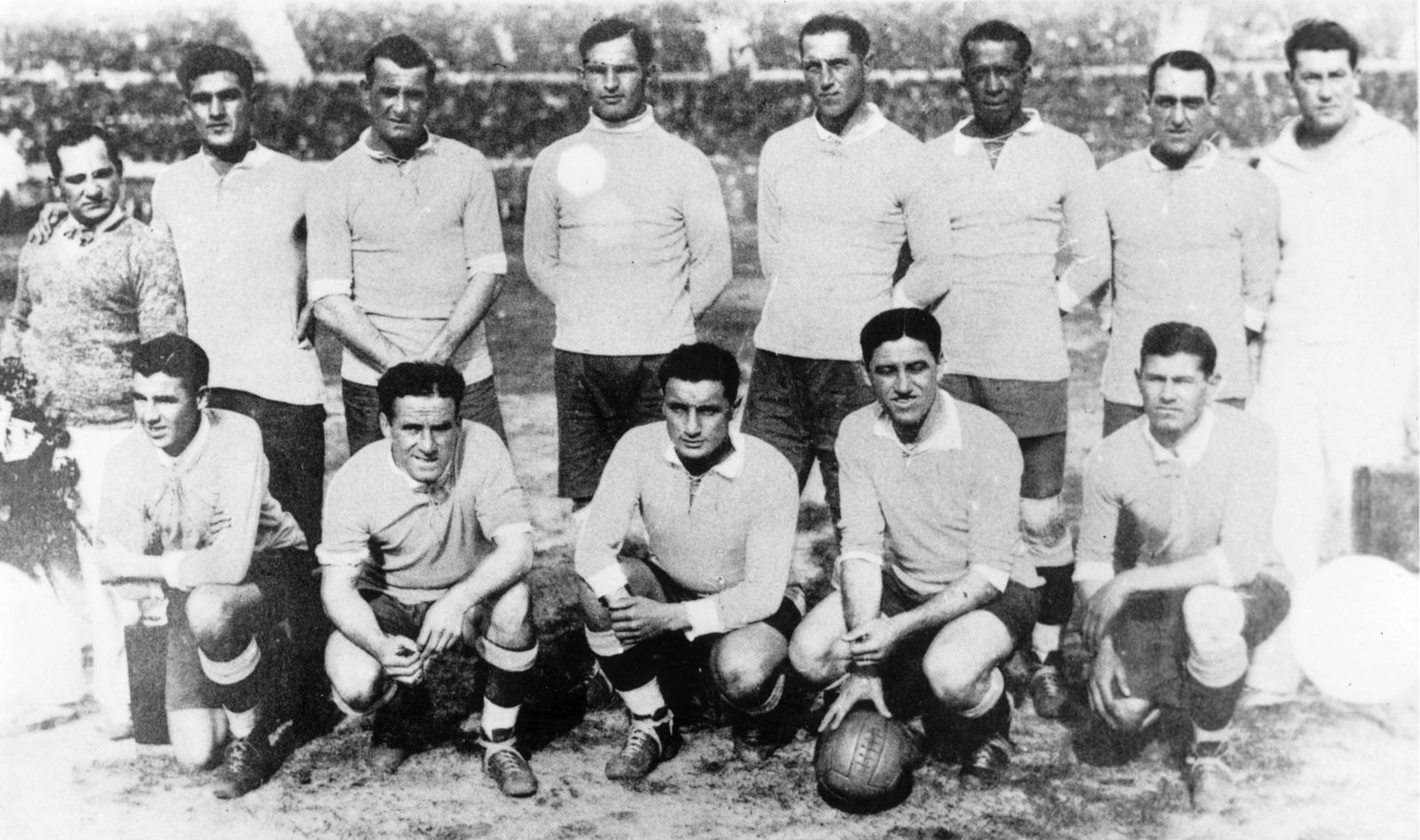
To understand why Montevideo was chosen to birth the world’s greatest sporting event, one must look back to the 1920s. Uruguay was then known as the Switzerland of the Americas, a prosperous social democracy celebrating its 1830 Constitution centennial. Their national team, La Celeste, had stunned the world by winning the Olympic soccer gold in 1924 and 1928. When FIFA decided to create a standalone world championship, Uruguay was the natural choice.
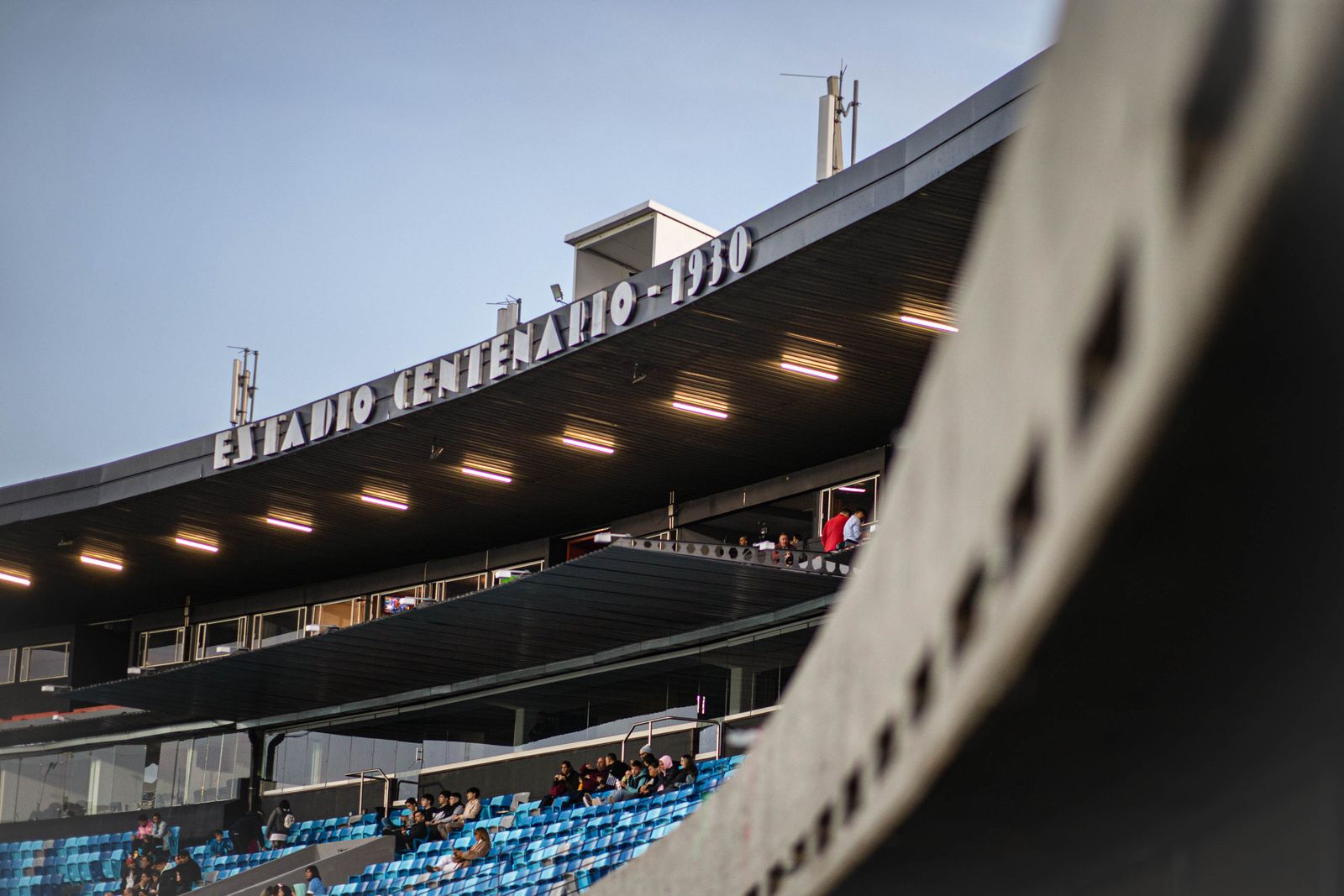
The 1930 FIFA World Cup remains unique in history as the only edition to have all 18 matches played within a single host city, Montevideo. It was an ambitious undertaking. The centerpiece, Estadio Centenario, was designed by architect Juan Antonio Scasso. Built in just nine months, its towering concrete stands were intended to be a monument to democracy and sporting prowess.
During that inaugural tournament, the city saw a total attendance of 590,549 spectators and witnessed 70 goals, which resulted in a high average of 3.89 goals per game. It was here that the lore of Uruguayan football was codified—a mixture of technical elegance and a fierce, undying competitive spirit.
The 4-Star Controversy Visitors often notice that the Uruguayan national jersey features four stars above the crest. While they have won two World Cups (1930 and 1950), FIFA recognized the 1924 and 1928 Olympic tournaments—organized by FIFA before the World Cup existed—as world championships. To a Uruguayan, they are four-time world champions, and the history books in Montevideo reflect this deep-seated pride.
Estadio Centenario: Pilgrimage to a Global Soccer Temple
Stepping into the Estadio Centenario today feels like entering a cathedral where the echoes of 1930 still linger. It is the only stadium in the world to be officially designated as a Historical Monument of World Football by FIFA, an honor bestowed on July 18, 1983.
While the stadium still hosts major matches, your first world cup history sites montevideo visit must begin at the Football Museum (Museo del Fútbol) located under the Olympic Stand. This uruguay football museum guide highlights some truly sacred relics: the original wooden lockers used by the 1930 players, the inaugural match ball, and the blue jerseys worn by the heroes of the Maracanazo.
For a comprehensive visiting estadio centenario museum guide experience, plan to spend at least two hours here. You can climb the Torre de los Homenajes, the iconic 100-meter tower that symbolizes the stadium, offering a panoramic view of the city. The museum is generally open Monday through Friday from 10:00 AM to 5:00 PM, with admission fees around 15 USD. It is a quiet, reverent space that captures the football museum montevideo uruguay highlights better than any documentary.
The Geography of Obsession: City of 13 Clubs
Montevideo’s soccer identity is remarkably dense. Of the 16 teams in the Uruguayan Primera División, 13 are usually based within the capital. This creates a unique urban geography where every neighborhood, or barrio, has its own colors, its own stadium, and its own local legends.
The city is polarized by the two giants: Peñarol vs Nacional. Their rivalry, the Superclásico of Uruguay, is one of the oldest derbies outside of Great Britain. Nacional plays at the historic Gran Parque Central, the site of the very first World Cup match in 1930 (USA vs. Belgium). Peñarol, with its roots in the railway workers' culture of the 19th century, carries a massive, fervent following.
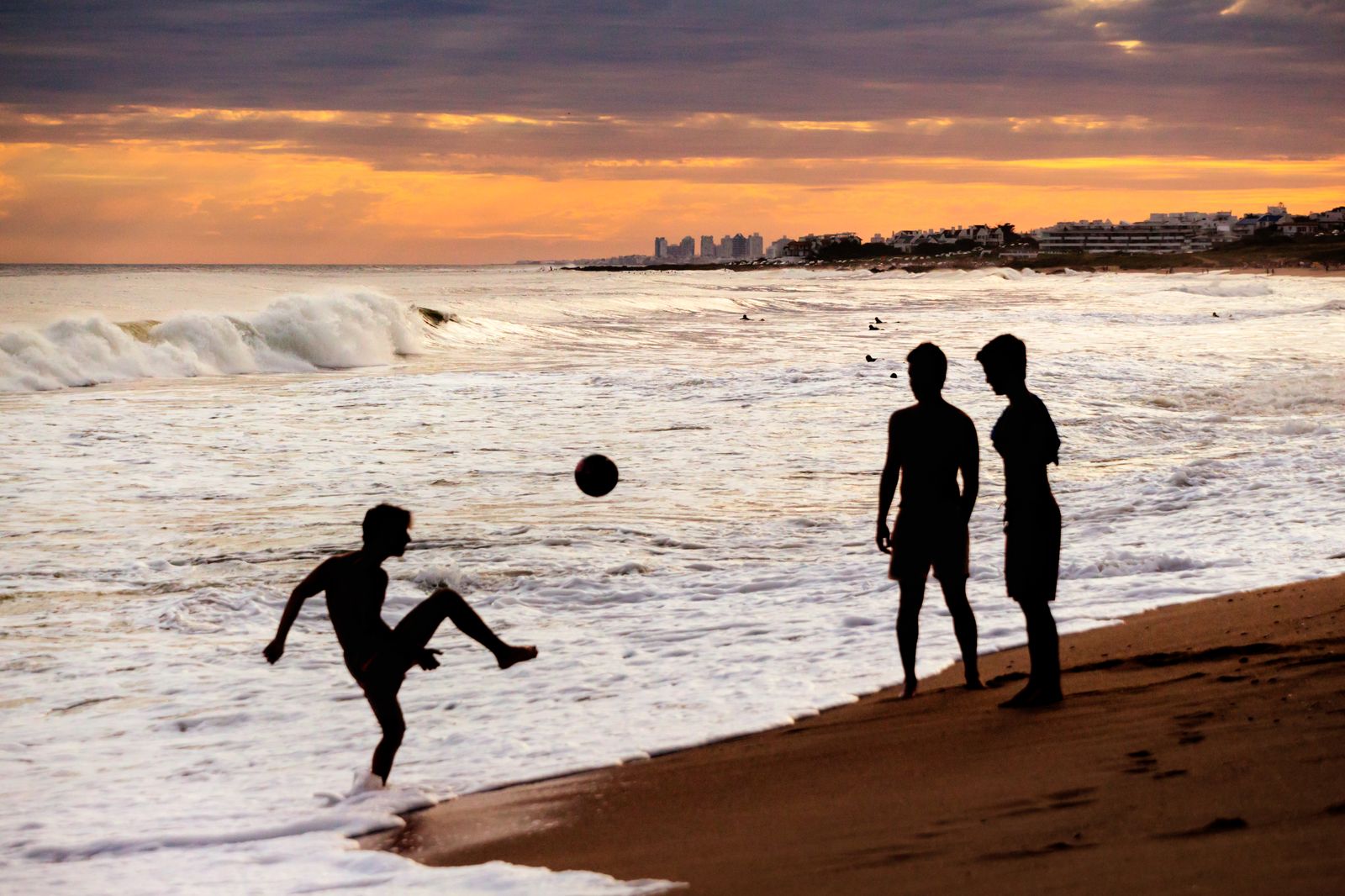
Despite the fame of these large clubs, the heart of the sport beat in the Potrero—the vacant sand lots where children play from dawn until dusk. This is the foundation of Baby fútbol, a national organized league system for children aged 6 to 13. It is a rigorous talent factory that ensures a country of only 3.4 million people can consistently produce world-class players like Luis Suárez and Edinson Cavani.
- Peñarol (Barrio: Peñarol/Manga)
- Nacional (Barrio: La Blanqueada)
- Defensor Sporting (Barrio: Punta Carretas)
- Danubio (Barrio: Jardines del Hipódromo)
- Liverpool (Barrio: Belvedere)
- Cerro (Barrio: Villa del Cerro)
- Wanderers (Barrio: Prado)
- River Plate (Barrio: Prado)
- Fénix (Barrio: Capurro)
- Progreso (Barrio: La Teja)
- Racing (Barrio: Sayago)
- Rampla Juniors (Barrio: Villa del Cerro)
- Boston River (Barrio: Bolívar)
Match Day Traditions: Maté, Choripán, and Garra Charrúa
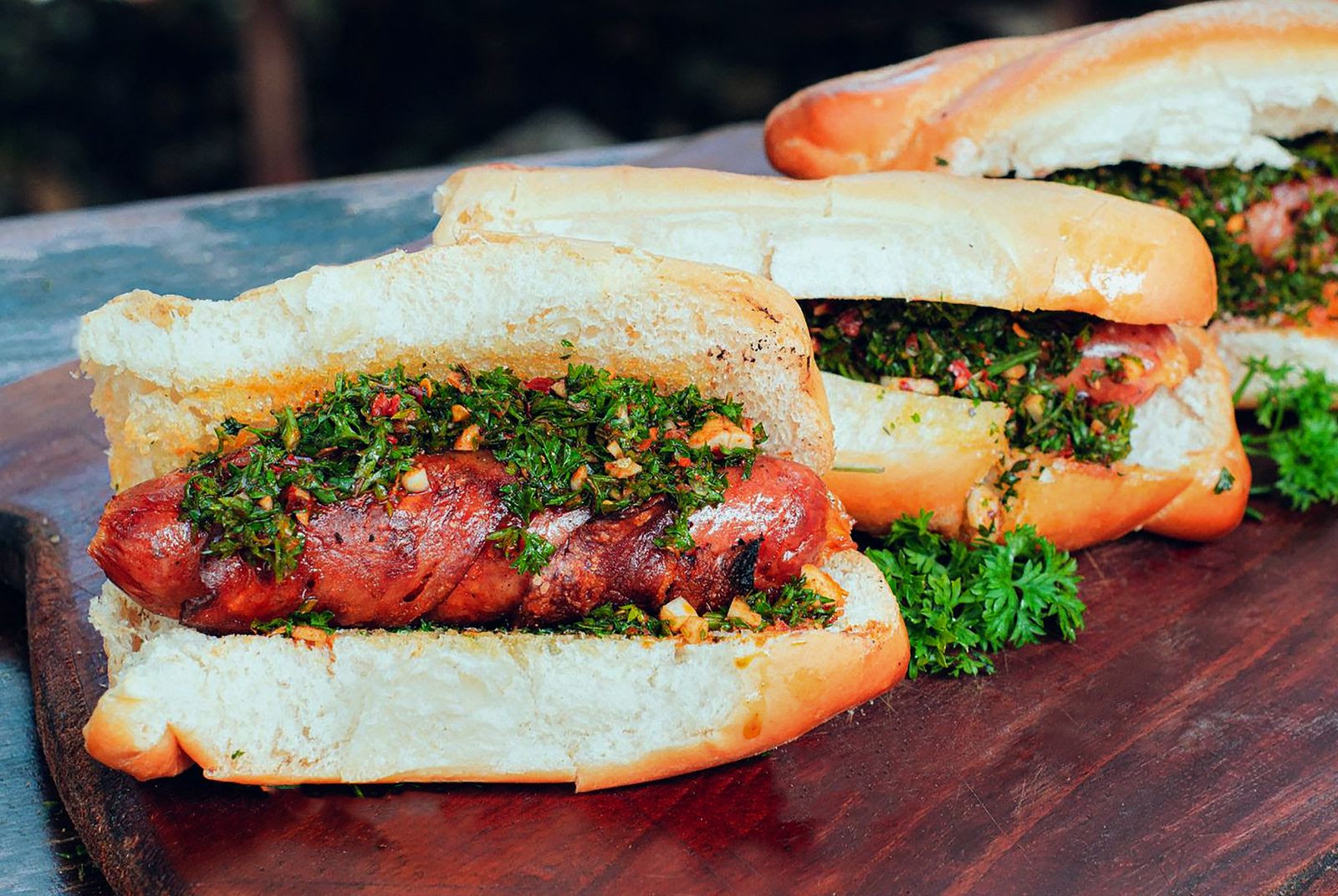
To watch a match in Montevideo is to witness a cultural ritual. Long before the whistle blows, the air around the stadium thickens with the smell of the parrilla. The quintessential uruguayan soccer match day traditions for tourists involves stopping at a sidewalk stand for a Choripán—a crusty bread roll filled with grilled chorizo sausage, usually topped with chimichurri.
As you enter the stands, you will notice a peculiar sight: thousands of fans clutching a thermos under one arm and a gourd in the other. This is Maté culture. Sharing this bitter herbal tea is the ultimate social lubricant in Uruguay, and it is consumed with a focused intensity during even the most stressful moments of a match.
Beneath the tea and the snacks lies the concept of Garra charrúa. It is a term borrowed from the indigenous Charrúa people, signifying a specific type of grit—the ability to win against all odds through sheer force of will. When you see a Uruguayan defender dive head-first to block a shot, you are seeing Garra charrúa in action.
Fan Guide for the 2026 World Cup Era
As the football world looks toward the 2026 World Cup in North America, Montevideo remains the spiritual home for fans who want to connect with the roots of the tournament. While the city won't host matches in 2026, it is preparing for the 2030 Centennial celebration, where it is expected to host the commemorative opening games.
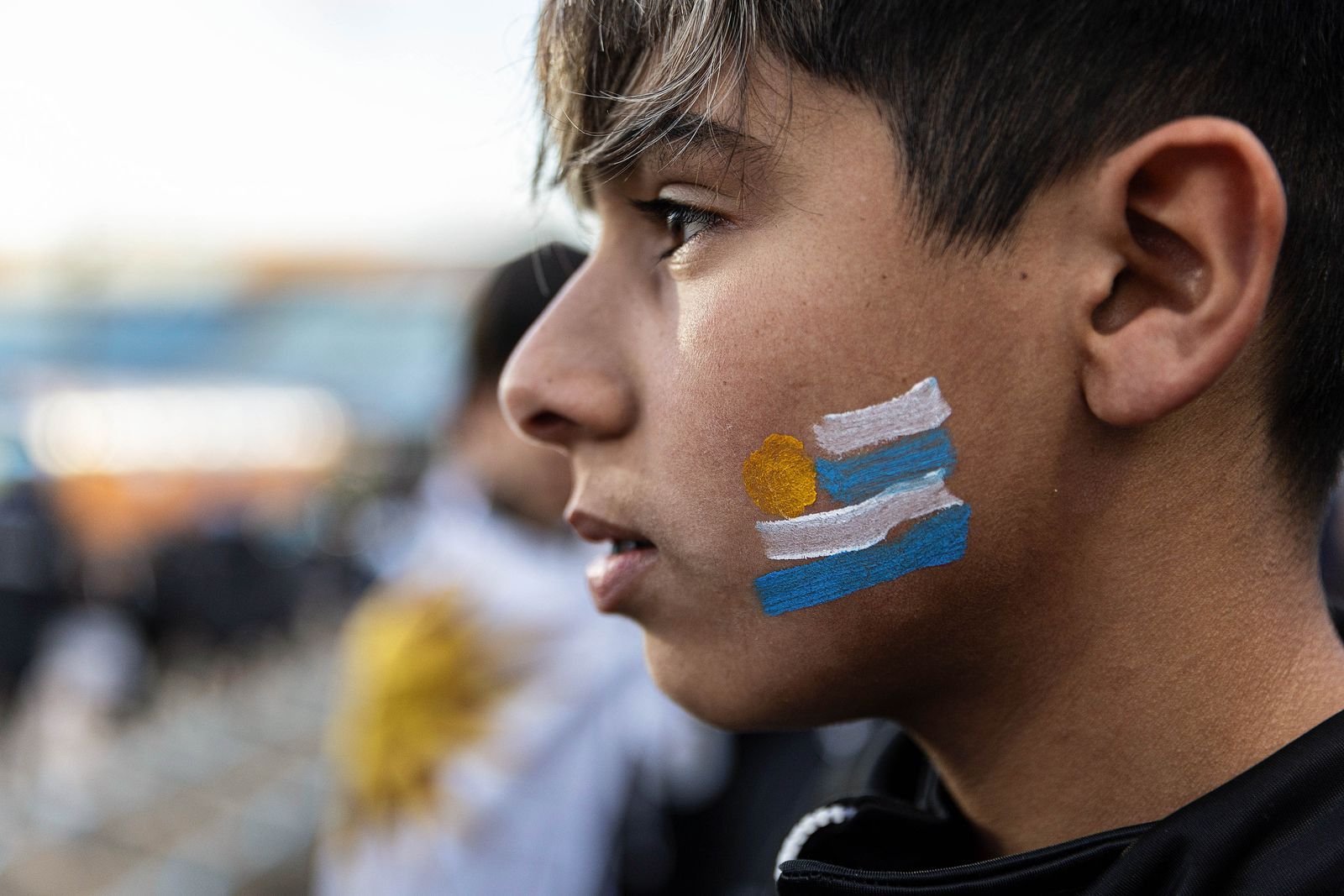
For travelers wondering where to watch 2026 world cup in montevideo, the heart of the action is the Intendencia de Montevideo on Avenida 18 de Julio. Here, the city installs giant public screens where thousands gather, draped in the sky-blue colors of La Celeste.
If you are planning a montevideo soccer travel itinerary, consider booking a specialized tour through organizations like Fanáticos Fútbol Tours or Touruguay. They provide cultural context that goes beyond the scoreline, offering stadium visits and help navigating the local ticket systems. For domestic matches, how to buy soccer tickets in montevideo usually involves using the deboleto.mx platform or visiting local Redpagos or Abitab kiosks, as physical ticket booths at stadiums are increasingly rare for safety reasons.
Pilgrim Checklist
- [ ] Visit the Museo del Fútbol at Estadio Centenario.
- [ ] Take a photo at the Gran Parque Central, site of the first-ever World Cup match.
- [ ] Eat a choripán with extra chimichurri outside the stadium gates.
- [ ] Buy a classic sky-blue La Celeste jersey from the official AUF store.
- [ ] Watch a Baby fútbol match on a Saturday morning in a local park.
FAQ
What is the best way to buy soccer tickets in Montevideo?
The most reliable method is through the official online platform deboleto.mx or via local payment networks like Abitab or Redpagos. Most clubs no longer sell physical tickets at the stadium on match day to manage security and crowd control.
Which professional soccer teams are based in Montevideo?
The vast majority of the Uruguayan first division resides here, including the historical "Big Two," Peñarol and Nacional, alongside traditional clubs like Defensor Sporting, Danubio, and Montevideo Wanderers.
What are the must-visit soccer stadiums in Montevideo?
The Estadio Centenario is the primary destination as a FIFA Historical Monument. Additionally, you should visit Gran Parque Central (Nacional's home and 1930 historic site) and the Estadio Campeón del Siglo (Peñarol’s modern home).
Can you tour the Estadio Centenario and its museum?
Yes, the Football Museum offers guided access to the museum itself and often allows visitors to view the pitch from the stands and climb the Homenajes Tower. It is open most weekdays and is a highlight for any sporting enthusiast.
What is the difference between Peñarol and Nacional?
The rivalry is deeply cultural and historical. Nacional is often associated with the city's traditional elite and was the first club founded by Uruguayans, while Peñarol has its roots in the British railway workers of the 19th century and boasts a massive, working-class fan base.
Join the Pilgrimage to Montevideo
There is a specific kind of magic in Montevideo, a city that does not try to hide its age or its scars. It is a place where the history of football is not tucked away in a dusty archive but is lived and breathed every single day. Whether you are leaning against the concrete walls of the Estadio Centenario or sharing a maté with a stranger in a neighborhood park, you are participating in a century-old conversation about courage, community, and the beautiful game. Before the world descends upon this city for the 2030 Centennial, take the time to visit this Mecca now, while its ghosts are still quiet and its passion remains as raw as a winter wind off the river.