Quick Facts
- The Kidman Factor: Academy Award winner Nicole Kidman marked a personal milestone in January 2026, touching down on Antarctica as her seventh and final continent.
- Top Luxury Trend: The 2026 season signals a shift toward social cruising, where exploration meets 6-star shipboard service and ultra-luxury hospitality once reserved for the Mediterranean.
- Landing Rule: Due to IAATO environmental standards, only 100 passengers may be ashore at once; booking ships with under 200 guests ensures maximum time on the ice.
- New Gateway: Puerto Williams has emerged as the premier logistics hub, featuring sophisticated infrastructure like the new luxury hotel The Cormorant.
- Key Choice: Travelers must decide between the classic adventure of crossing the Drake Passage or the time-saving convenience of a fly-cruise directly to the South Shetland Islands.
- Technical Edge: High-end 2026 voyages utilize Polar Class 6 certification vessels equipped with advanced hull stabilization for a remarkably smooth journey through the Southern Ocean.
A luxury Antarctica cruise in the 2026 season offers an unparalleled blend of rugged discovery and 6-star shipboard service. To capture the most intimate experience, modern travelers should prioritize Polar Class 6 expedition ships with limited guest capacities, ensuring multiple daily Zodiac landings and seamless wildlife encounters in one of the world's last unblemished wildernesses.
The New Era of Antarctica Luxury: The Kidman Milestone
There is a specific kind of silence found only at the bottom of the world—a heavy, velvet quiet that feels both ancient and fragile. For years, the white continent was the exclusive domain of gritty explorers and hardened scientists. However, as we look toward the 2026 season, the narrative has shifted. Antarctica has evolved into a sophisticated social milestone for the discerning traveler, a transition epitomized by Nicole Kidman's visit in January 2026. For the actress, this journey represented the completion of a life-long goal to visit all seven continents, proving that the ice is no longer a place of mere endurance, but one of profound personal reflection and refined grace.
Traveling as a guest of Silversea, Kidman embarked on her Antarctica cruise adventure aboard the vessel Silver Cloud, departing from the scenic shores of Puerto Williams. This was more than a solo expedition; it was a shared family moment that resonated globally, with her Instagram documentation of the trip garnering over 200,000 likes within its first week. This level of visibility has reframed the luxury polar cruise experience as something profoundly aspirational yet accessible for those who seek the pinnacle of travel.
In this new era, the voyage is defined as much by what happens on the ship as what happens on the shore. Imagine returning from a day of watching whale breaching in the Lemaire Channel to a butler-serviced suite, where the temperature is meticulously controlled and a glass of vintage champagne awaits. The ultra luxury Antarctica cruise amenities and services now include world-class spas, heated outdoor pools reflecting the towering glaciers, and gastronomic journeys that rival the finest dining rooms in Paris or London.

Choosing Your Vessel: Why Ship Size and Hull Rating Matter
Selecting the right ship for your Antarctica cruise is perhaps the most critical decision of the planning phase. In the world of luxury expeditions, bigger is rarely better. Current IAATO environmental standards dictate that only 100 people are permitted on land at any given time at most Antarctic landing sites. This means that on a ship carrying 500 passengers, you may spend a significant portion of your day waiting for your turn in a Zodiac. For the most intimate and efficient experience, the sweet spot is a vessel carrying fewer than 200 guests.
One of the most essential Antarctica expedition cruise tips is to look beyond the upholstery and into the steel of the ship itself. For the 2026 season, top luxury cruise lines for Antarctica 2026 season are deploying ships with Polar Class 6 certification. This rating indicates a hull designed to navigate through medium first-year ice, allowing the captain to tuck into smaller, more remote bays that larger ships simply cannot reach. Furthermore, advanced hull stabilization technology has revolutionized the onboard experience. These sophisticated fin stabilizers significantly reduce the rolling motion of the ship, turning what used to be a daunting maritime crossing into a surprisingly stable and graceful ride.
When you step aboard a 6-star shipboard service vessel, you aren't just booking a room; you are gaining access to a floating laboratory and a sanctuary of knowledge. These ships prioritize science as much as service, often featuring onboard marine labs where guests can participate in citizen science programs alongside professional naturalist guides. It is a meticulous balance of high-tech hardware and high-touch hospitality.
The Drake Passage vs. Fly-Cruise: Finding Your Path
For many, the Drake Passage is a rite of passage—a two-day maritime crossing where the Atlantic, Pacific, and Southern Oceans collide. It is a time for maritime lectures, contemplative watching of wandering albatross, and the slow, dramatic reveal of the first icebergs. However, for those with limited time or a sensitive stomach, the Antarctica fly cruise vs Drake Passage pros and cons have become a central debate in luxury travel circles.
The fly-cruise option allows guests to bypass the open sea by taking a chartered flight from Punta Arenas directly to King George Island. In just two hours, you transition from the tip of South America to the heart of the South Shetland Islands, where your luxury expedition vessel awaits. This saves approximately four days of sea travel, allowing for a focused, condensed itinerary that prioritizes time on the ice.
For those choosing the traditional sailing route or the southern departure, staying at Puerto Williams before an Antarctica cruise has become a delightful new ritual. As the southernmost town in the world, Puerto Williams has seen a surge in refined hospitality, most notably with the opening of luxury hotel The Cormorant. This allows travelers to acclimatize in style, enjoying the dramatic scenery of the Beagle Channel before their Antarctica cruise begins. Whether you choose the soaring flight or the legendary sea crossing, the arrival at the Peninsula remains one of the most emotional moments in travel.
Beyond the Shore: 2026 High-Tech Expedition Activities
Modern luxury in the Antarctic is no longer confined to the deck of a ship. The 2026 season introduces "New Ways" to experience the ice through cutting-edge technology and immersive adventure. One of the most sought-after Antarctica cruise activities is submersible exploration. Descending beneath the crystalline water in a state-of-the-art submarine allows guests to witness a world few humans have ever seen—giant sea spiders, glowing jellyfish, and the dramatic underside of icebergs that glow with an ethereal blue light.
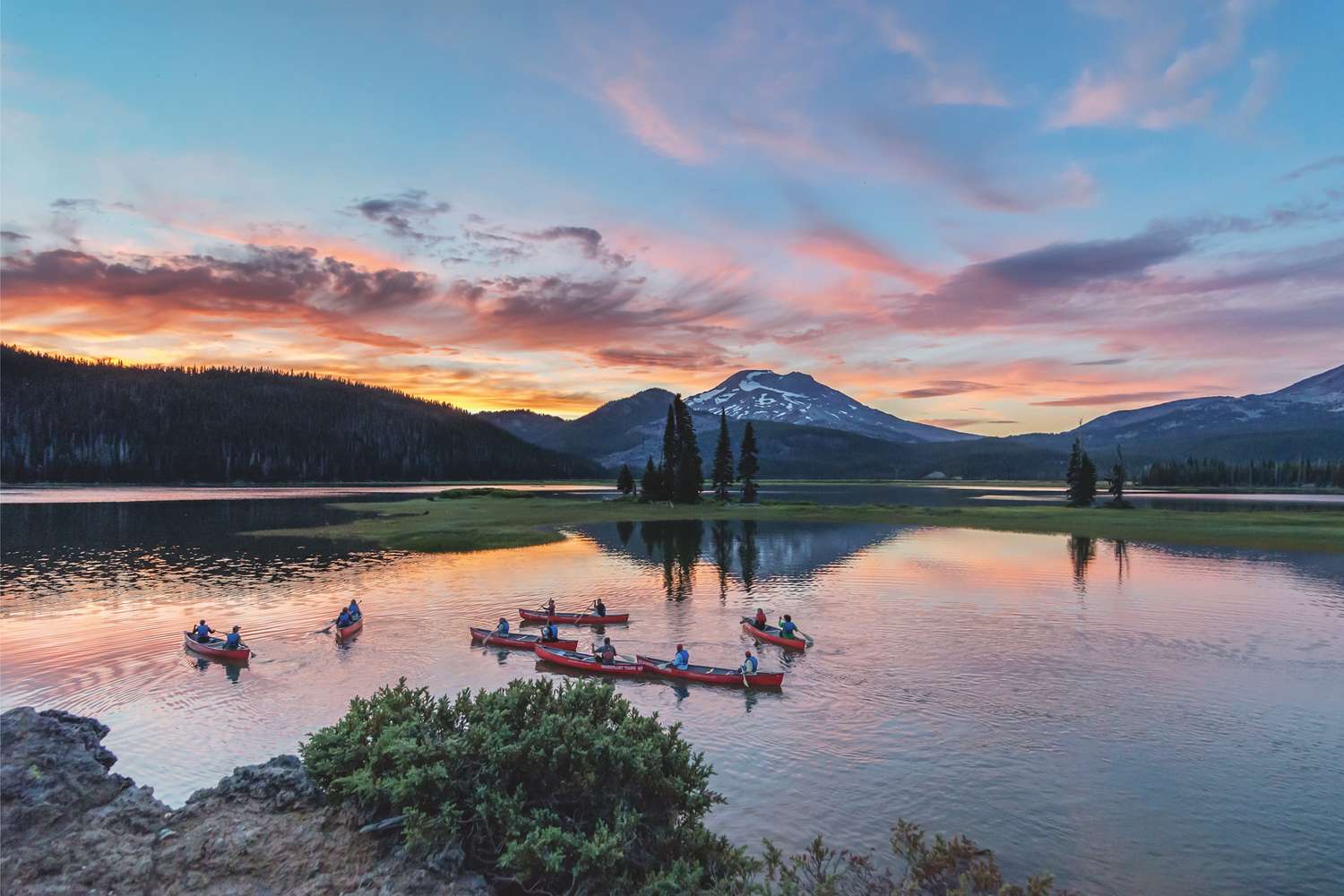
For those who prefer to stay on the surface, sea kayaking offers a silent, sensory-rich connection to the environment. Gliding through the water, you can hear the "Bergy Seltzer"—the crackling sound of thousands of years of trapped air escaping from melting ice. These excursions are always led by a professional discovery team to ensure that interactions with the polar environment are both safe and educational.
Back on board, the intellectual journey continues. High-definition marine science presentations and deep-dive lectures on glaciology transform the trip from a sightseeing tour into a transformative educational experience. Navigation through the iconic Lemaire Channel, often referred to as Kodak Gap due to its staggering beauty, is made even more profound when an expert naturalist is standing beside you, explaining the geological forces that carved the narrow passage.
The Wildlife Calendar: Deciding When to Go
Nature operates on its own meticulous schedule in the Southern Ocean. While the Antarctica cruise season generally runs from November to March, the specific month you choose will dictate the best wildlife sightings on an Antarctic expedition.
| Month | Wildlife & Landscape Highlights | Sensory Experience |
|---|---|---|
| November | Giant icebergs and pristine snow; penguin courtship begins. | The feeling of a world waking up; pure, unblemished white landscapes. |
| December | Penguin chicks hatch; long daylight hours (up to 20+ hours). | The frenetic energy of life; adorable, fluffy chicks everywhere. |
| January | Peak season; inquisitive penguin chicks; prime time for continental landings. | High-summer in the south; the sun skimming the horizon at midnight. |
| February | Exceptional whale breaching; humpbacks and orcas are abundant. | The haunting song of whales echoing off glacier walls. |
| March | Dramatic sunsets; fur seals are playful; late-season whale watching. | Brilliant shades of pink and orange paint the evening sky. |
Whether you are witnessing vast penguin rookeries in the Antarctic Sound or watching a pod of whales breach in the crystal-clear waters of the Peninsula, the timing of your voyage is the final ingredient in a perfect itinerary. The destination offers a landscape that is both intimidating in its scale and intimate in its details—a true masterpiece of the natural world.
FAQ
What is the best month to cruise to Antarctica?
The best month depends on your interests. December and January are ideal for seeing penguin chicks and enjoying the longest daylight hours. February and March offer the best opportunities for whale watching as the ice has retreated, allowing ships to push further south.
How much does an average Antarctica cruise cost?
For a luxury expedition experience, prices typically start around $12,000 to $15,000 per person. Ultra-luxury voyages on ships like those used by Nicole Kidman, which include all-suite accommodations, butler service, and private flights, can range from $25,000 to over $50,000 depending on the suite category and itinerary length.
Where do cruises to Antarctica depart from?
Most cruises depart from Ushuaia, Argentina, or Puerto Williams, Chile. Some fly-cruise itineraries depart from Punta Arenas, Chile, flying directly to King George Island to meet the ship.
Are you allowed to step on land in Antarctica?
Yes, but landings are strictly regulated by IAATO. Only 100 people are allowed at a single landing site at one time. Visitors must follow "Leave No Trace" principles, including biosecurity checks of clothing and boots, to protect the fragile ecosystem.
What is the difference between a cruise and an expedition to Antarctica?
A traditional cruise focuses on shipboard amenities and scenic cruising from a distance. An expedition is designed for immersion, utilizing Zodiac boats, kayaks, and sometimes helicopters or submersibles to get guests off the ship and into the environment for educational and adventurous encounters.