Quick Facts
- Core Risk: A major energy supply chain disruption originating at the Strait of Hormuz is currently impacting 75% of regional oil supplies.
- Air Travel Impact: Travelers are seeing a 10% to 15% increase in airfare for destinations like Thailand, paired with significant 2026 Asia flight cancellations on domestic routes.
- Ground Restrictions: South Korea has initiated an odd-even vehicle system, while Sri Lanka requires any foreign visitor to use a National Fuel Pass for petrol.
- Hospitality Adjustments: Major hotel chains in the Philippines and Bangladesh are implementing energy conservation protocols, including reduced air-conditioning and scheduled load shedding.
- Strategic Advice: A strict 72-hour verification window for all flight and train bookings is now the industry-standard operating procedure for regional transit.
The 2026 Asia fuel shortage, triggered by the Strait of Hormuz closure, has placed the regional travel industry into emergency mode. From Vietnam's flight cuts to South Korea's vehicle rationing, travelers must navigate a landscape of rising costs and reduced mobility. This regional transport challenge requires travelers to pivot from private car rentals to robust public transit infrastructure and to prepare for hospitality service reductions throughout their stay.
The Roots of the 2026 Crisis: Why Your Asia Trip is Impacted
To understand the current logistical hurdles facing travelers, one must look at the macro-economic pressures currently squeezing the region. The crisis began with a sharp escalation in Middle Eastern geopolitical tensions, leading to a bottleneck in the Strait of Hormuz. Because the Middle East accounts for 60% of the region's crude oil imports and nearly 45% of the oil products refined or consumed there, any disruption in that corridor has an immediate and visceral effect on Asian energy security.
The resulting oil market volatility saw Brent crude spike consistently above $112 per barrel throughout the first half of the year. For the average traveler, this is not just a headline; it is a direct driver of increased costs at the pump and the airport. The high dependency on imported energy means that nations like Vietnam, Thailand, and the Philippines have very little cushion when supply chains falter. Consequently, we are seeing a regional shift where national energy emergency declaration protocols are becoming the new baseline for tourism operations.
As of early 2026, the emergency oil stockpiles in many Southeast Asian nations have fallen below the 90-day recommended safety margin. This has forced governments to choose between maintaining domestic power grids and fueling the tourism sector. For the traveler, this means that the reliability of transport that was once taken for granted in 2024 and 2025 has been replaced by a need for constant vigilance and logistical flexibility.
Aviation in Emergency Mode: Navigating Cancellations and Surcharges
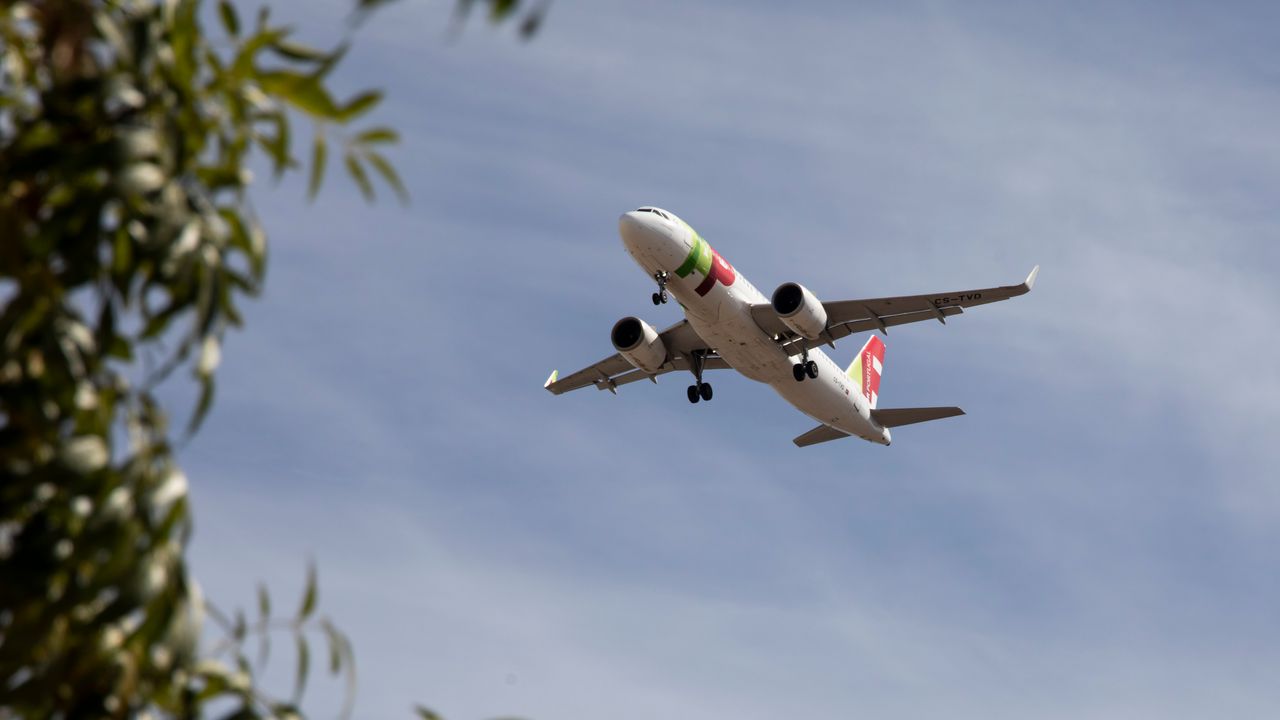
The aviation sector has been the most visible casualty of the Asia fuel shortage. Airlines are grappling with jet fuel reserves that are at their lowest levels in a decade, leading to a tactical retreat in flight frequency. Airline seat capacity across the Southeast Asian market declined by 3.1% in May 2026 compared to the previous year, with Indonesia witnessing the steepest decline at 7%.

Vietnam Airlines has been forced to reduce its domestic flight network status by cutting 23 weekly flights. This creates a significant ripple effect for travelers trying to move between Hanoi, Da Nang, and Ho Chi Minh City. Furthermore, the financial burden is being passed directly to the consumer. Jet fuel prices in the Asia and Oceania region reached $208.79 per barrel in March 2026, which has contributed to a direct 10% to 15% increase in airfares for travel to Thailand.
- Check Status Frequently: Do not rely on flight confirmations made months in advance. The standard 2026 Asia flight cancellations travel advice is to verify your flight status at the 72-hour, 24-hour, and 6-hour marks.
- Anticipate Surcharges: Many low-cost carriers in the region are now applying "energy recovery fees" at check-in. Budget an additional $20-$40 per leg for these unexpected costs.
- Prioritize Hub Cities: Direct flights between major hubs like Singapore, Tokyo, and Seoul remain more stable than secondary routes to smaller islands or regional provinces.
According to recent industry analysis, the current airline logistics are prioritized based on fuel efficiency. Flights using older, less fuel-efficient aircraft are being grounded first, which often means regional and domestic routes are hit harder than long-haul international corridors.
Ground Mobility: From Taxi Scarcity to Driving Bans
Once you land, the challenge of managing transport during SE Asia fuel rationing begins. Ground transit has undergone a radical transformation. In high-traffic hubs like Suvarnabhumi Airport in Bangkok, the available taxi fleet has dropped by nearly 50% as drivers struggle to secure affordable fuel. This has led to long wait times and a surge in the use of public transit infrastructure like the Airport Rail Link.
In South Korea, the government has moved beyond mere recommendations. The car rental restrictions in South Korea 2026 are governed by an odd-even vehicle system in major metropolitan areas. If your rental car’s license plate ends in an even number, you cannot drive on odd-numbered calendar days in Seoul. This restriction applies to tourists and locals alike, and public servants have been banned from using private vehicles entirely to preserve the national energy emergency declaration reserves.
Travelers visiting Sri Lanka must navigate the Sri Lanka National Fuel Pass for tourists guide. All vehicles, including those rented by visitors, are capped on their weekly fuel purchases via a digital QR code system. Without this pass, you simply cannot buy petrol. For those moving between cities, the reliable intercity transport in Vietnam during fuel shortage periods is now restricted to the national rail system, which is prioritized for energy allocation over private bus companies.
"The shift from private to public transit is no longer a choice of sustainability; it is a necessity of availability. Travelers who insist on private car rentals in 2026 will find themselves spending more time in fuel queues than at tourist sites." — Regional Transport Analyst, Singapore.
Daily Life and Hospitality: Load Shedding and Service Reductions
The impact of the energy crisis extends into the very rooms travelers stay in. hospitality service reductions are becoming common as hotels struggle with the high costs of running backup generators. In the Philippines, the government has mandated four-day institutional workweeks for many sectors to curb energy consumption. This has resulted in some museums and tourist offices being closed on Fridays or Mondays.
The impact of energy shortages on Asia hotel services is most evident in the climate control. Many luxury properties in Manila and Colombo have implemented energy conservation protocols that cap air-conditioning temperatures at 24°C (75°F) in public areas. Additionally, travelers should be prepared for load shedding schedules in countries like Bangladesh and Sri Lanka. These planned power cuts often occur during off-peak energy usage hours, but they can affect lighting and elevator services.
- Verify Backup Power: Before booking, contact your hotel to confirm they have a functioning generator and what services it covers. Some smaller boutique hotels may shut down non-essential lighting or pool pumps during power cuts.
- Remote Work Impact: In countries like the Philippines, the push for remote work mandates has cleared out many business districts, meaning some dining and retail options in these areas have reduced their hours or closed entirely.
- Retail Curfews: Bangladesh and parts of Egypt have introduced strict 6 PM or 9 PM retail curfews. Plan your evening dining and shopping accordingly to avoid arriving at closed doors.
Regional Risk Dashboard: A Country-by-Country Safety Guide
Navigating the regional transport restrictions Asia has in place requires a country-specific approach. The following table summarizes the risk levels and primary restrictions for common 2026 destinations.
| Country | Risk Level | Primary Impact | Key Regulation |
|---|---|---|---|
| Vietnam | Medium | Domestic flight cuts | Reduction of 23 weekly flights on local routes |
| South Korea | Low | Urban driving limits | Odd-even vehicle system in Seoul/Busan |
| Thailand | Medium | Taxi scarcity | 50% reduction in airport taxi availability |
| Sri Lanka | High | Fuel rationing | National Fuel Pass digital QR system for all |
| Bangladesh | High | Power availability | 6 PM retail curfews and daily load shedding |
This dashboard highlights that while some countries like South Korea have the infrastructure to manage the crisis with minimal traveler disruption, others like Sri Lanka and Bangladesh require significant itinerary adjustments. When planning, prioritizing urban stays with reliable infrastructure can help mitigate the risks of rural supply disruptions.
FAQ
Why is there a fuel shortage in Asia?
The crisis is primarily driven by the closure of the Strait of Hormuz, a critical maritime corridor through which 75% of Asia's oil imports flow. This bottleneck, combined with low emergency oil stockpiles in many Southeast Asian nations, has created a severe supply-demand imbalance that has driven prices up and forced government intervention.
Which Asian countries are most affected by fuel shortages?
Sri Lanka, Laos, and Bangladesh are currently experiencing the highest impact due to their limited foreign exchange reserves and high dependency on imported fuel. Vietnam and Thailand are facing moderate impacts, specifically in the aviation and ground transport sectors, while Japan and Singapore remain relatively stable but more expensive.
How are Asian governments responding to the fuel crisis?
Governments are implementing a variety of energy conservation protocols. These include the National Fuel Pass in Sri Lanka, odd-even driving restrictions in South Korea, and four-day institutional workweeks in the Philippines. Many nations have also issued a national energy emergency declaration to prioritize fuel for essential services and public transit infrastructure.
How does the fuel shortage affect transportation and logistics in Asia?
The shortage has led to a 3.1% decline in regional seat capacity and frequent 2026 Asia flight cancellations. On the ground, taxi fleets in major cities have been reduced, and private car rentals are often restricted or made difficult by long petrol station queues. Public rail and bus systems are being prioritized but are often operating at maximum capacity.
Are fuel prices in Asia increasing significantly?
Yes, jet fuel prices reached over $208 per barrel in early 2026, leading to airfare increases of up to 15% for major tourist destinations. On the ground, the cost of private transport and tour services has risen as providers add fuel surcharges to cover the volatility in the energy supply chain.