Quick Facts
- Best Access: Whistler and Blackcomb lifts reach over 2,280 meters for immediate high-alpine entry.
- Safety Standard: Approximately 80% of Canadian avalanche fatalities occur in BC; an AST-1 certification is the absolute minimum requirement.
- Top Route: The Spearhead Traverse is a legendary 35-kilometer horseshoe connecting two world-class resorts.
- Parking Logistics: Overnight tourers must use designated areas like Blackcomb Lot 4 to avoid towing.
- Rescue Stats: BC Search and Rescue teams responded to approximately 1,960 incidents and rescued more than 2,100 individuals in 2024.
- Economic Impact: Outdoor recreation is a powerhouse, with adventure tourism contributing $4.8 billion to the BC economy in 2023.
- Gear Must-Have: A sleeping pad with an R-value of 7.5 or higher is essential for winter camping or unheated hut stays.
British Columbia's rugged terrain offers the world's most rewarding backcountry skiing. To successfully earn your turns, you need more than just fitness; you need a strategic approach to safety and logistics. Whether you are looking for backcountry skiing for beginners British Columbia or planning the Spearhead Traverse, this guide covers the training, gear, and zones required to navigate the Coast Mountains safely. To begin backcountry skiing in British Columbia, adventurers must prioritize safety by completing an Avalanche Canada safety course and acquiring essential rescue gear, including a transceiver, probe, and shovel. Popular entry-level zones include the Musical Bumps near Whistler, where lift access provides efficient entry to high-alpine terrain for those learning to use climbing skins and alpine touring bindings.
Introduction to Earning Your Turns in BC
There is a specific kind of silence you only find in the Coast Mountains when the lifts stop humming and the only sound is the rhythmic inhalation of cold air and the sliding of climbing skins against frozen crystals. I’ve spent years exploring these ranges, and I can tell you that earning your turns here is a rite of passage. It transforms a simple downhill run into a narrative of effort, navigation, and deep respect for the wilderness.
In British Columbia, the term "backcountry" isn't a marketing buzzword; it is a vast, unforgiving landscape that spans millions of hectares. For the uninitiated, the scale is the first thing that hits you. These aren't just hills; they are jagged, glacially carved behemoths that demand a high level of technical proficiency. Knowing how to earn your turns in rugged BC terrain starts with a mindset shift. You are no longer a passenger of a resort's safety team; you are your own guide, your own weather forecaster, and your own rescue party.
The rewards, however, are unparalleled. You get access to old-growth forests, massive glaciers, and the kind of "blower" powder that made this province famous. But before you step off the groomers, you need to understand the infrastructure that makes this access possible.
Resort-to-Backcountry: The Hybrid Entry Model
One of the best things about backcountry skiing British Columbia is that you don't always have to start your day with a four-hour bushwhack through dense cedar forests. The "Hybrid Entry" model is my personal favorite for maximizing vertical. Places like Whistler and Blackcomb offer a specific backcountry lift pass—a single-ride ticket that whisks you up into the alpine, effectively bypassing the valley floor grind.
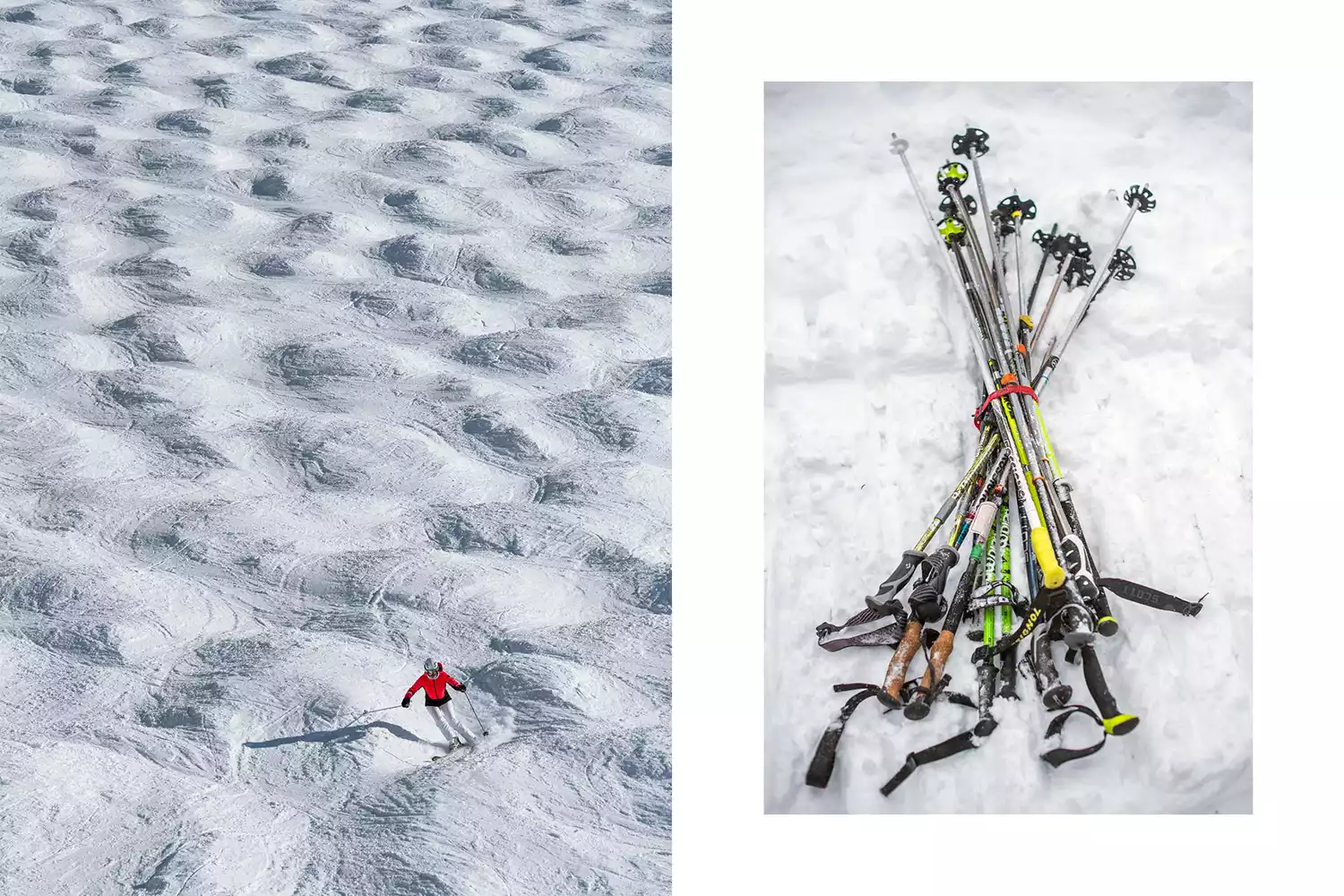
For those focusing on backcountry skiing for beginners British Columbia, the Musical Bumps are the perfect classroom. Accessed from the top of the Peak Express on Whistler Mountain, this area offers rolling terrain that is excellent for practicing your transitions. You’ll learn how to peel climbing skins without letting them blow away in the Pacific winds and how to manage your layers before you overheat on the climb.
However, playing the hybrid game requires knowing the local rules. Proper Whistler backcountry lift access and parking rules are strictly enforced. If you are heading out for an overnight mission, do not—I repeat, do not—park in the day lots. You need to head to Blackcomb Lot 4 for designated overnight parking. It sounds like a small detail until you return from a three-day tour to find your vehicle hauled away.
The Spearhead Traverse: BC’s Ultimate High-Alpine Goal
If there is a holy grail for ski touring in the Coast Mountains, it is the Spearhead Traverse. This 35-kilometer horseshoe route travels through the Fitzsimmons Range, crossing spectacular glaciers and mountain passes. It is a true test of mountain craft. I remember my first time across—the sheer scale of the Deckchair and Trorey glaciers makes you feel incredibly small.
Any comprehensive Spearhead Traverse Whistler guide will tell you that timing is everything. While experts can "speed-tour" it in a single long day, most people take two or three days to truly soak in the environment. This is where the Spearhead Traverse Whistler hut system guide becomes essential. The opening of the Kees and Claire Hut at Russet Lake has been a game-changer.
Previously, doing the Spearhead meant lugging a 50-pound pack with a four-season tent and a stove. Now, you can significantly reduce your pack weight. The Kees and Claire Hut provides a warm, sophisticated refuge with bunks and cooking facilities, allowing you to focus on the skiing rather than survival. This modernization has made the traverse more accessible, but don't let the comfort of the hut fool you; the terrain between the mountains remains serious and requires competent glacial travel skills and a solid understanding of snowpack analysis.
Touring vs. Cat Skiing: Choosing Your Adventure
While I am a purist when it comes to self-propulsion, I often get asked about the choice between traditional backcountry ski touring vs cat skiing. Both have their place in the BC powder landscape. Touring is about the journey—the mindfulness of the skin track and the satisfaction of reaching a summit under your own steam.
On the flip side, cat skiing is the heavy-hitter for vertical. In regions like Rossland or the Kootenays, cat skiing provides an efficient alternative for powder seekers who want to maximize their downhill laps. You trade the quiet of the skin track for a diesel-powered ride to the top, ensuring you get 15,000 to 20,000 vertical feet of untracked snow in a single day.
| Feature | Backcountry Ski Touring | Cat Skiing |
|---|---|---|
| Physical Effort | High (90% uphill) | Low (seated in a heated cab) |
| Pace | Slow, contemplative | Fast-paced, high-repetition |
| Cost | Low (initial gear investment) | High (daily seat rates) |
| Terrain Access | Unlimited (wherever you can walk) | Limited to operator tenure |
| Best For | Wilderness connection and fitness | Maximum powder laps and social groups |
Whether you choose the slow-burn of alpine touring or the mechanized efficiency of cat skiing, both require you to be a student of the mountains. Neither exempts you from the need to understand snow safety.
Safety and Gear: The BC Mountain Survival Kit
We need to talk about the reality of these mountains. British Columbia is beautiful, but it is also powerful. Roughly 80% of all Canadian avalanche fatalities over the last ten years occurred right here in BC. This isn't to scare you off, but to emphasize that avalanche safety courses and resources in British Columbia are not optional—they are your lifeline.
Before setting foot in the backcountry, you must complete at least an AST-1 course. This training teaches you how to use your avalanche transceiver, probe, and shovel, but more importantly, it teaches you how to read the terrain. You’ll learn to identify "avi paths" and how to use the daily bulletins from Avalanche Canada to make informed decisions.
Your essential gear list for BC backcountry powder should include:
- Safety Trinity: A modern 3-antenna avalanche transceiver, a 3-meter probe, and a metal shovel.
- Layers: The Coast Mountains are notoriously damp. Use a moisture-wicking base layer, a breathable mid-layer for the climb, and a robust GORE-TEX shell for the descent.
- Navigation: Don't rely solely on your phone. A physical map, compass, and an external GPS device are mandatory for when the "cloud ceiling" drops to your boots and deletes your visibility.
- Repair Kit: An extra ski strap (the duct tape of the backcountry), a multi-tool, and spare batteries for your beacon.
Mastering the transition—the act of switching from skinning to skiing—is another secret to success. Practice at home. You want to be able to rip your skins and lock your alpine touring bindings in under two minutes. In a blizzard, every second you spend fumbling with gear is heat leaving your body.
FAQ
Where is the best backcountry skiing in BC?
While Whistler is the most accessible, the "Powder Highway" in the Kootenay and Selkirk Mountains offers some of the most consistent snow on the planet. Rogers Pass is widely considered the crown jewel of BC ski mountaineering, though it requires specific permits and advanced navigation skills.
What gear do I need for skiing in the BC backcountry?
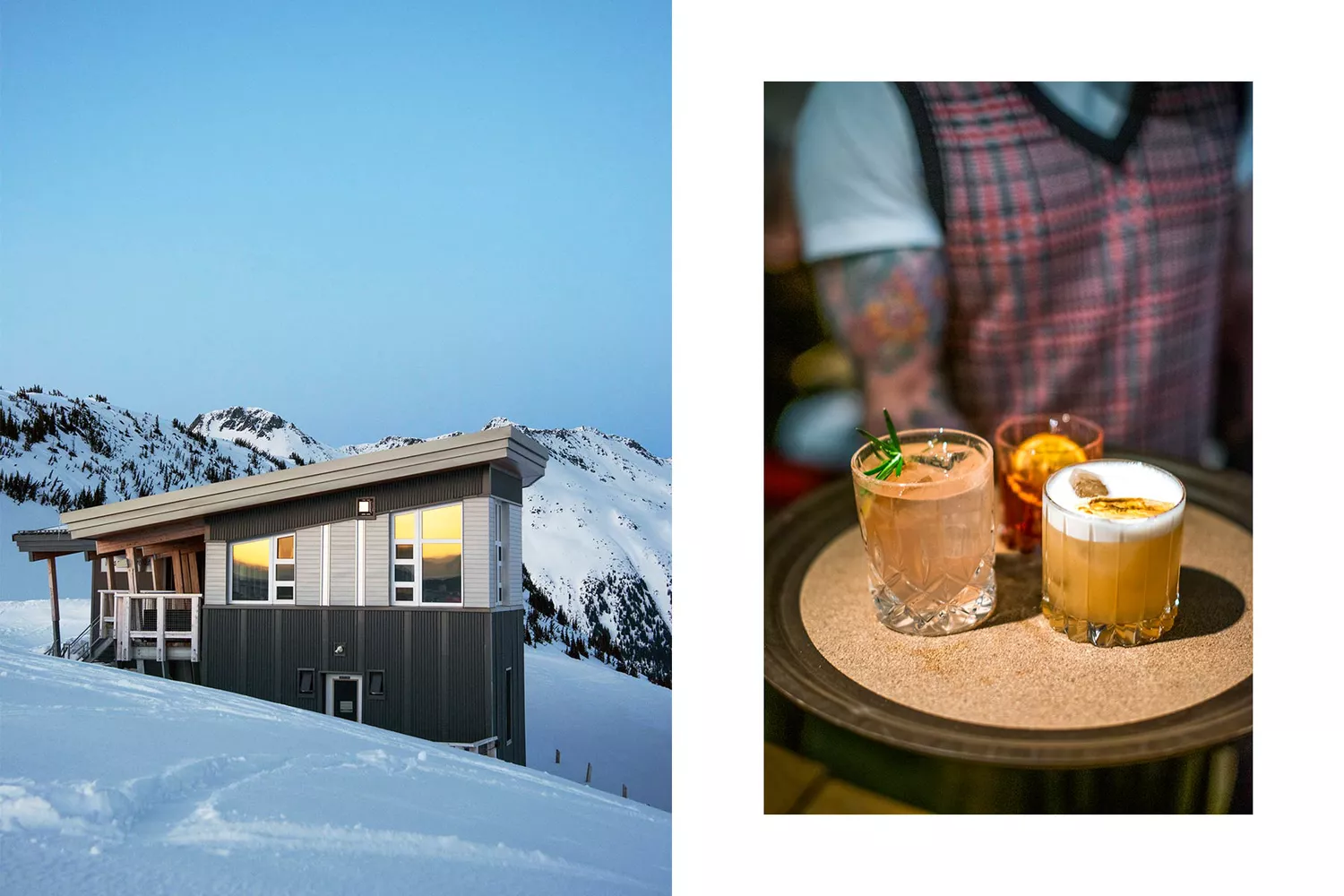
At a minimum, you need a transceiver, probe, and shovel. For the actual skiing, you’ll need alpine touring bindings (which allow your heel to lift for walking), climbing skins that stick to the bottom of your skis, and collapsible poles. A high-quality backpack with an airbag is also highly recommended.
Do I need a guide for backcountry skiing in BC?
If you are new to the area or new to backcountry skiing, a guide is the best investment you can make. Local ACMG (Association of Canadian Mountain Guides) experts don’t just keep you safe; they find the best snow and teach you the nuances of local snowpack analysis that take years to learn independently.
What is the best time of year for backcountry skiing in British Columbia?
The season typically runs from December through May. February and March are usually the sweet spots for deep powder and a settled snowpack. April and May are prime for high-alpine traversals like the Spearhead, as there is more daylight and the glacial bridges are often at their thickest.
What avalanche training is required for BC backcountry?
An AST-1 (Avalanche Skills Training Level 1) is the industry standard for recreational skiers. If you plan on leading your own groups or heading into more complex terrain, moving up to an AST-2 is highly recommended to deepen your understanding of snow stability and group management.
Explore the BC Backcountry This Winter
The adventure tourism sector contributed $4.8 billion to the provincial economy in 2023 for a reason: BC is the premier destination for those who want to push their limits. But remember, the mountains will always be there. The most successful backcountry skiers are the ones who know when to turn back.
Respect the statistics, respect your partners, and respect the snow. Whether you are skinning through the Fitzsimmons Range or exploring a quiet corner of the Kootenays, earning your turns in British Columbia is one of the most profound ways to experience the natural world. Get the training, get the gear, and I’ll see you on the skin track.