Best Japanese Skincare: An Expert 2026 Shopping Guide
Quick Facts
- Philosophy: Prioritizes skin barrier protection and long-term prevention over aggressive treatments.
- Must-Buy Retailer: Visit @cosme for real-time user rankings and Matsumoto Kiyoshi for deals.
- Top Value Find: Melano CC Vitamin C Essence (often half the price in Japan compared to international shipping).
- 2026 Tech Trend: Focus on micro-bubble cleansing (Sofina iP) and preservative-free raw serums (Yunth).
- Shopping Tip: Keep your passport handy; most major drugstores offer 10% tax-free savings on the spot for tourists.
- Key Category: Facial care dominates the local market, making up roughly 90% of total sales.
Planning a trip to Tokyo? As a beauty expert who spends half her life scouting viral trends, I never leave without an extra suitcase specifically for the best Japanese skincare. In 2026, J-Beauty is more innovative than ever, focusing on skin barrier protection and hydration layering rather than the harsh acids common in the West. Japanese skincare prioritizes long-term health through deep hydration and gentle cleansing rather than aggressive resurfacing. Key products for any haul include Biore UV sunscreens, Melano CC serums, and Hada Labo lotions, which offer clinical efficacy at a fraction of the cost you will find abroad.
The J-Beauty Masterclass: Terminology You Need to Know
Before you dive into the sea of neon lights at a Shibuya drugstore, you need to understand the J-beauty philosophy. While Western routines often focus on fixing problems after they appear, the Japanese skincare routine essentials are built around the concept of skin barrier protection. This means keeping the outermost layer of your skin so healthy and hydrated that issues like sensitivity and premature aging never get a chance to start.
A cornerstone of this approach is the double cleansing method. You start with an oil-based cleanser to melt away makeup and pollutants, followed by a gentle foaming wash to clean the skin itself. This ensures your pores are clear without stripping your face of its natural oils.
You also need to decode the labels. In Japan, what we call a toner is usually labeled a "Lotion" (Kesho-sui). It isn't meant to "tonify" or strip the skin but to provide the first layer of hydration. Then comes the "Milk" (Nyuji) or emulsion, which acts as a lightweight moisturizer. This hydration layering is how Japanese women achieve that coveted "bouncy" skin texture. Many of these products utilize fermented rice water or camellia oil, traditional ingredients that have been refined by modern Japanese lab technology to deeply penetrate the skin.
Expert Tip: In 2026, look for the term "Medicated" (Yakuyo) on labels. This is a PMDA-approved designation in Japan meaning the product contains active ingredients like tranexamic acid or dipotassium glycyrrhizate at concentrations proven to achieve a specific result, such as brightening or soothing inflammation.
Drugstore Holy Grails: Affordable Finds Worth the Hype
The Japanese drugstore is a wonderland where clinical-level science meets affordable prices. The Japanese skincare market is massive, estimated at 14.38 billion USD in 2025, and this scale allows brands to offer incredible formulations for under $20.
If you are heading to Don Quijote—the famous discount megastore affectionately known as "Donki"—there are a few don quijote japan skincare must buys you cannot miss. First is the Melano CC Intensive Spot Essence. This vitamin C serum is a cult favorite for treating hyperpigmentation and acne scars because the specialized packaging prevents the vitamin C from oxidizing.
Second is the Hada Labo Gokujyun Premium Lotion. It contains seven different types of hyaluronic acid to provide moisture retention that lasts all day. Finally, no trip is complete without stocking up on Biore UV Aqua Rich Watery Essence. It is widely considered one of the best japanese sunscreens with no white cast because it feels like a splash of water and sits perfectly under makeup.
| Product Name | Japan Price (Approx. USD) | International Price (Approx. USD) |
|---|---|---|
| Melano CC Essence | $8.00 | $18.00 - $25.00 |
| Hada Labo Premium Lotion | $9.00 | $16.00 - $22.00 |
| Biore UV Aqua Rich (85g) | $7.00 | $15.00 - $20.00 |
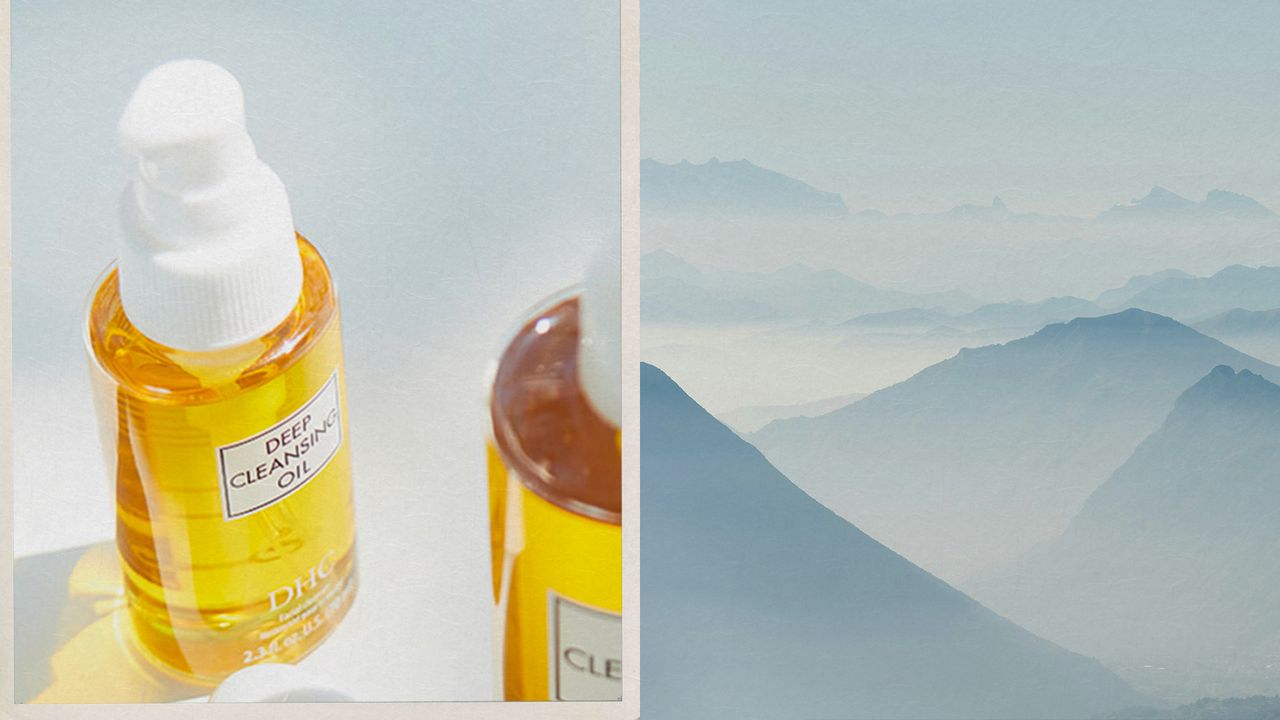
| DHC Deep Cleansing Oil | $12.00 | $28.00 |
When seeking affordable japanese drugstore skincare products worth the hype, don't overlook "Pair Acne Cream." It is a staple for spot treatments because it is anti-inflammatory rather than drying. Unlike Western benzoyl peroxide creams that leave skin flaky, this treats the blemish while respecting the skin barrier.
Expert’s Rice-Based Selection: Glowing Skin Essentials
One trend that remains evergreen is the use of rice in beauty. This year, the best japanese rice based skincare for glowing skin is the Keana Nadeshiko Rice Mask. These thick, serum-soaked sheet masks use 100% Japanese-produced rice serum to minimize the appearance of pores.
The secret lies in the sheet mask technology. J-beauty masks often use high-quality materials that adhere perfectly to the face, ensuring the fermented rice water and rice bran oil are absorbed effectively. If you have sensitive skin, rice-based products are fantastic because they provide gentle brightening and hydration without the irritation often caused by chemical exfoliants.
For those focusing on top rated japanese skincare for sensitive skin barrier, I also recommend the Curel Intensive Moisture Cream. It is formulated with ceramides specifically for "dry, sensitive skin," a category that is hugely popular in Japan. It’s a no-frills moisturizer that does exactly what it says: heals the skin.
The Advanced 2026 Haul: High-Tech and Luxury Picks
If you have room in your budget for luxury, head to the department stores in Ginza. This is where you find the cutting-edge of the Japanese beauty shopping guide. The market here is highly sophisticated, as Japanese consumers exhibit the highest per capita expenditure on skincare products globally.
Currently, I am obsessed with the "milk-first" routine pioneered by Albion. Instead of putting on lotion first, you apply their specialized balancing milk to a cotton pad to soften the skin's surface, making everything you apply afterward twice as effective. Another 2026 favorite is the Sofina iP Base Care Serum. It uses high-concentration carbonated micro-bubbles that are smaller than pores to boost blood circulation and prepare the skin for hydration.
Japanese sunscreens continue to dominate because of their advanced UV protection filters. Unlike the US, Japan updates its approved filters frequently, allowing for formulas that are incredibly light but offer high-stakes protection. Brands like Shiseido’s Anessa utilize "Heatforce" and "Aqua Booster" technology, where the sunscreen actually becomes stronger when it comes into contact with heat, sweat, or water.
- Albion Exage Milk: A luxury must-have for soft, velvet-like skin texture.
- Decorté Liposome Advanced Repair Serum: Uses multi-lamellar liposomes to deliver time-release moisture.
- Yunth Raw Vitamin C: Comes in single-use packets to ensure the highest potency for brightening.
Local Shopping Guide: Where to Find Everything
Knowing where to shop is just as important as knowing what to buy.
- @cosme Tokyo (Harajuku): This is the flagship store for the most famous review site in Japan. The shop is organized based on @cosme store rankings, meaning you can see exactly which mascara or cleanser is currently the #1 favorite among Japanese locals. It is the best place to find top-rated J-beauty products in one spot.
- Matsumoto Kiyoshi / Sundrug: These are your classic drugstores. They often have the best deals on staples like DHC oil or sheet masks. Look for the "Tax-Free" sign at the entrance.
- Don Quijote: Go late at night (most are open 24 hours!) to avoid the crowds. It's the best place for fun, viral items and bulk packs of sheet masks.
- Isetan or Mitsukoshi (Ginza): Go here for the white-glove luxury experience. You’ll find brands like Clé de Peau Beauté, SK-II, and Decorté with expert consultants who can analyze your skin.
Keep in mind that facial care is the heart of the industry, representing nearly 90% of the total market share as of 2024. This means that even in the smallest neighborhood drugstore, you are likely to find a high-quality selection developed by world-class cosmetic scientists.
FAQ
What is the difference between Japanese and Korean skincare?
While both emphasize hydration, Japanese skincare (J-beauty) often focuses on a "less is more" approach with multi-functional products and a heavy emphasis on skin barrier protection and texture. Korean skincare (K-beauty) is famous for its 10-step routines, trendy ingredients like snail mucin, and achieving a "glass skin" look. J-beauty aims for "mochi skin"—firm, matte-yet-bouncy, and healthy.
Why are Japanese sunscreens considered the best?
Japanese sunscreens use advanced UV protection filters that are often not yet approved in other regions like the US. These filters allow for very high SPF and PA++++ protection without the greasy texture or white cast. They are designed to be cosmetically elegant, meaning they feel more like a light primer or moisturizer than a traditional sunblock.
What are the essential steps in a Japanese skincare routine?
A standard japanese double cleansing routine for beginners involves an oil cleanser followed by a foaming cleanser. This is followed by a "lotion" (hydrating toner), possibly a serum (like vitamin C or hyaluronic acid), and finished with a "milk" or cream to lock in moisture. The goal is hydration layering to maintain a supple barrier.
Is Japanese skincare good for acne-prone skin?
Yes, but the approach is different. Instead of drying out the skin with harsh alcohols, Japanese products for acne-prone skin often use anti-inflammatory ingredients like tea tree, salicylic acid in low doses, or dipotassium glycyrrhizate. Brands like "Pair" and "Acnes" focus on pore refining and reducing redness while maintaining moisture levels to prevent the skin from overproducing oil.
If you are planning your trip, remember to leave some space in your luggage. The sheer variety and the sophistication of the products mean you will inevitably find something you can't live without. Don't forget to ask for your tax-free discount at the register—it’s essentially a 10% discount on your entire haul. Happy shopping, and may your skin be as bouncy as a fresh piece of mochi!