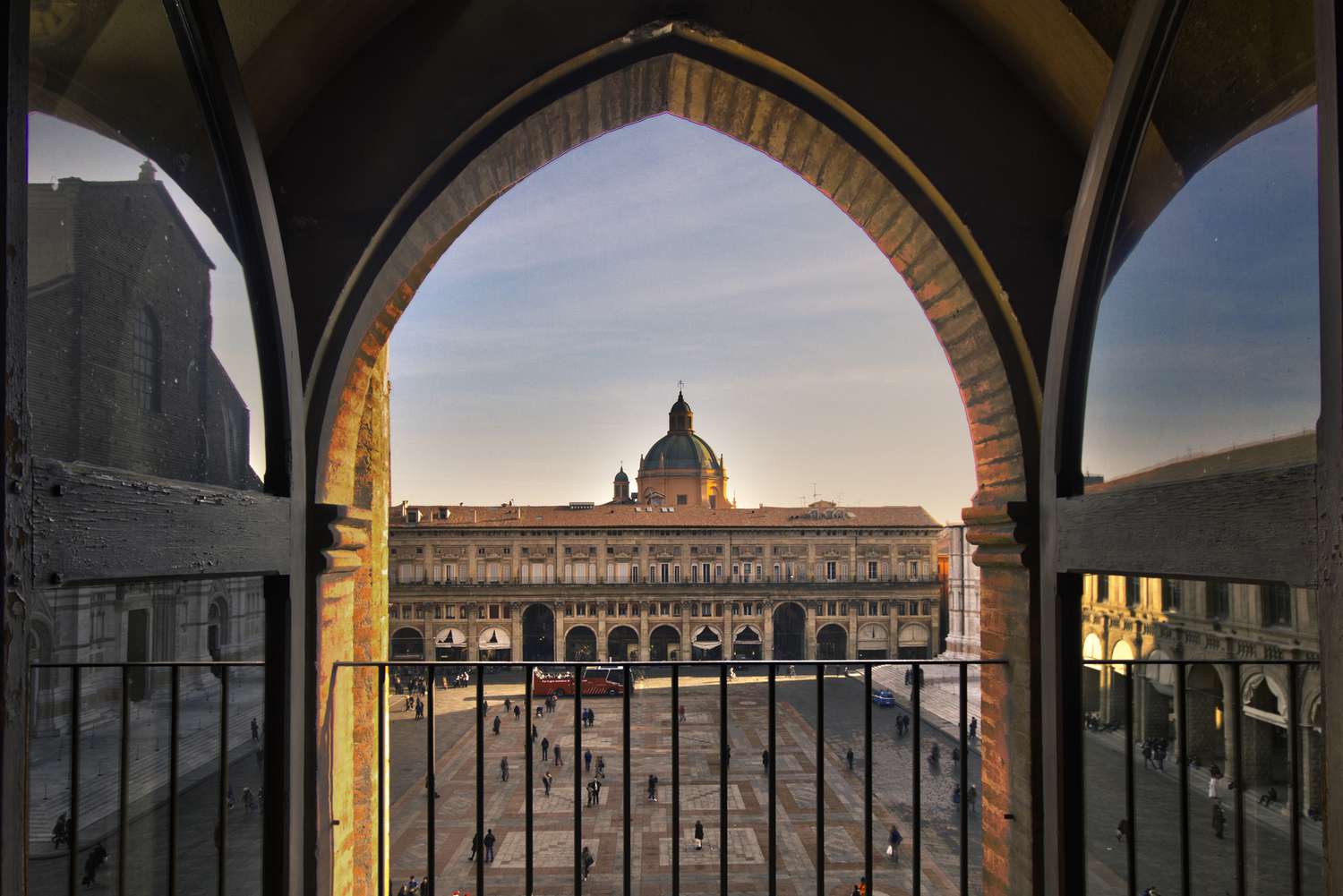
Quick Facts
- UNESCO Status: Inscribed in 2021, recognizing 12 distinct sections of the architectural landscape.
- The Record: The Portico di San Luca is the world’s longest covered walkway, stretching 3,796 meters.
- Architecture: The city features 62 kilometers of porticos in total, with 38 kilometers in the historic center.
- Nicknames: Bologna is known as La Dotta (The Learned), La Grassa (The Fat), and La Rossa (The Red).
- Must-Try Dish: Authenticity lies in tagliatelle al ragù; locals never serve this sauce with spaghetti.
- Transport: The Marconi Express monorail connects the airport to the city center in just 7 minutes.
Bologna’s UNESCO-listed porticos span nearly 40 miles, defining the city’s architectural identity through a system of medieval arcades that provide shelter for pedestrians. This Bologna travel guide explores how the world’s longest covered walkway at San Luca and the city’s vibrant culinary heritage create a European destination that is both historically dense and sensory-rich.
The Three Faces of Bologna: An Introduction
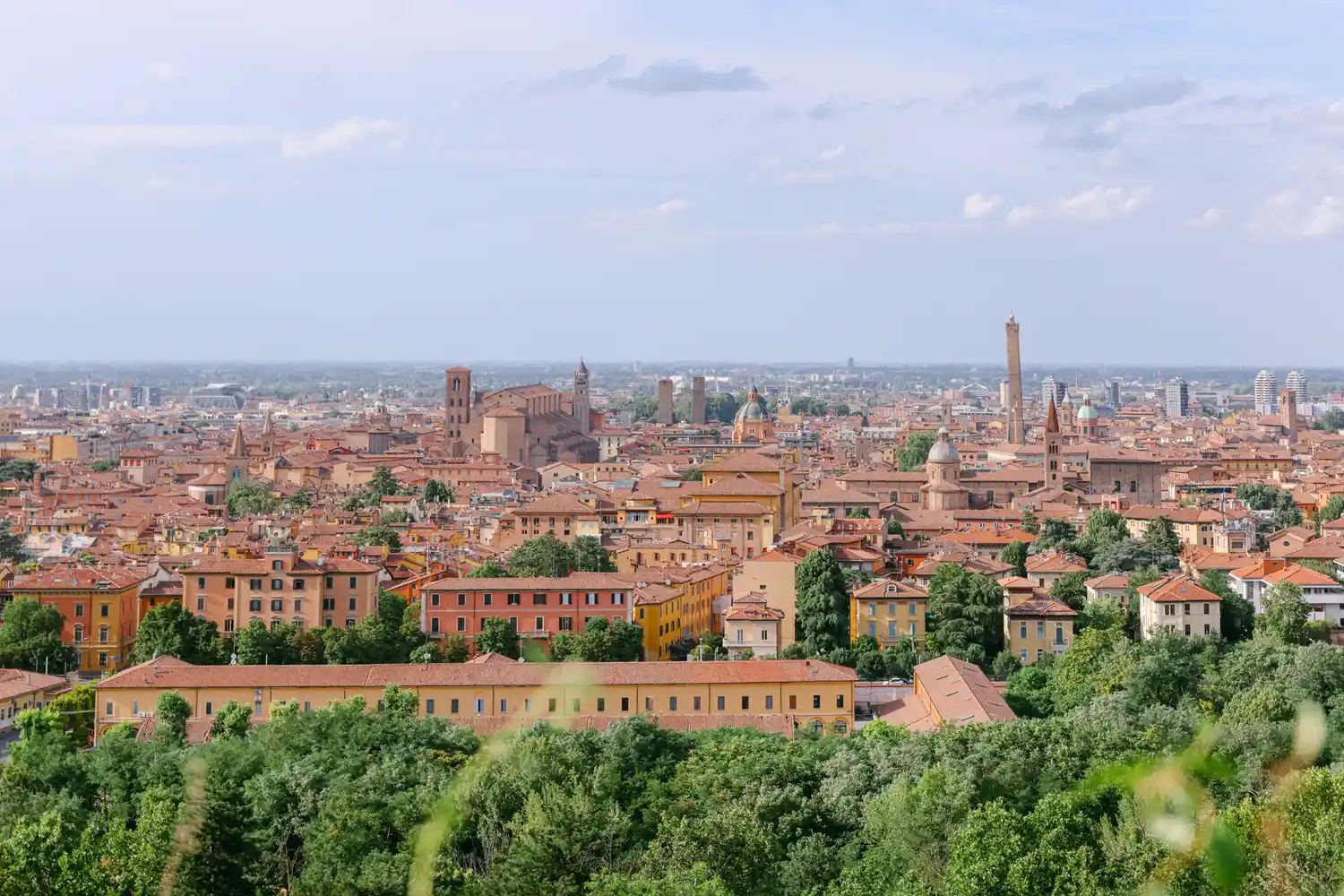
To walk through Bologna is to move through a living, breathing gallery of terracotta and ochre. Unlike the high-octane museums of Florence or the grand ruins of Rome, Bologna’s beauty is ambient. It is found in the rhythmic shadows cast by miles of vaulted ceilings and the scent of simmering meat sauce wafting from basement windows. For those planning a 3 days in Bologna itinerary for food and history, the city reveals itself through three distinct personas: La Dotta (the learned home of Europe’s oldest university), La Grassa (the culinary heartbeat of Italy), and La Rossa (named for the red-shaded bricks and its legendary political history).
As we approach 2026, the city has refined its balance between ancient preservation and modern accessibility. The northern Italian heritage found here is not a relic but a daily experience. Whether you are seeking a hilltop sanctuary or a hidden medieval canal, this urban walkway design ensures that even on a rainy afternoon, the city remains an open-air invitation to explore.
La Rossa: Walking the UNESCO Porticos
The architectural soul of the city is undeniably its Italian arcades. These structures were not born from a desire for aesthetics alone but from a 1288 City Ordinance that mandated all new houses build a portico to expand living space while keeping public thoroughfares open. This medieval street layout created a social fabric where the private and public realms overlap. Today, the porticos of Bologna span a total length of approximately 62 kilometers throughout the city, with 38 kilometers located within the historic center.
A walking route for Bologna porticos UNESCO hike often begins at the wooden arches of Casa Isolani on Via Maggiore, one of the few remaining examples of 13th-century timber construction. From there, the city transitions into more regal stone vaults and Renaissance designs. However, the ultimate pilgrimage is the trek to the Sanctuary of the Madonna di San Luca.
For those attempting the journey, climbing Portico di San Luca tips and distance are essential logistics to keep in mind. The climb begins at Porta Saragozza and covers a world-record distance of 3,796 meters in length and featuring 666 individual arches. The number of arches is often whispered to represent the devil (the serpent), with the sanctuary at the top representing its defeat. The walk is steep but rewarding, offering panoramic views of the Emilia-Romagna region that transition from urban rooftops to rolling green hills. Because of their historical and social value, UNESCO inscribed the porticos of Bologna as a World Heritage Site in July 2021.
Local Tip: If you are visiting during the summer, the San Luca hike is best performed at dawn or dusk. The arches provide shade, but the humidity of the Po Valley can be taxing. Wear comfortable shoes; the centuries-old paving stones are polished smooth and can be slippery after a light rain.
La Grassa: A Foodie’s Guide to the Culinary Capital
If the porticos are the city’s bones, the food is its beating heart. In Bologna, eating is a serious cultural endeavor. This is the culinary capital of Italy, and nowhere is this more evident than in the Quadrilatero district. This ancient market area, tucked behind Piazza Maggiore, has been the center of trade since the Middle Ages. Here, the air is thick with the aroma of aged cheese and cured meats.
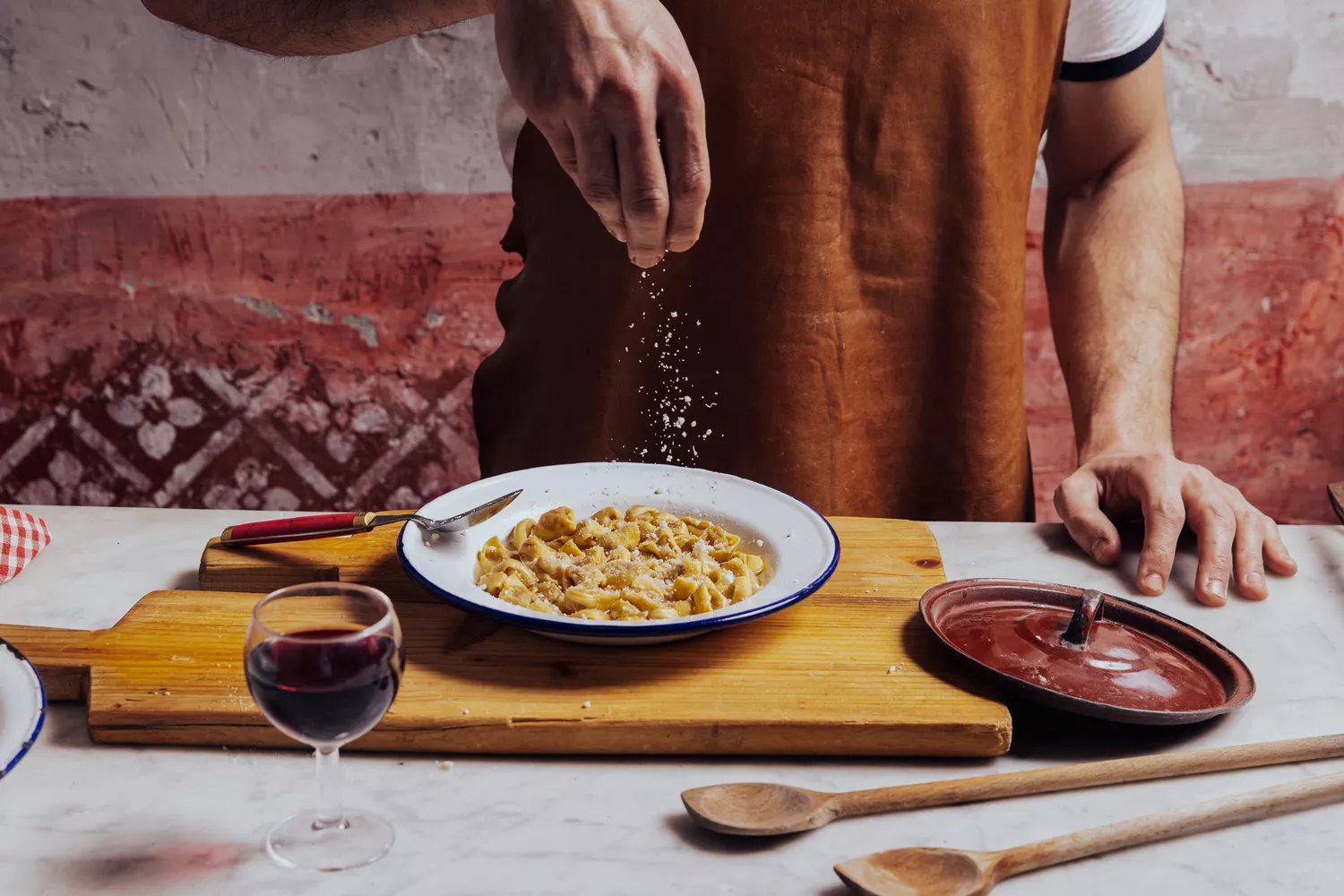
One of the most important things to remember in any Bologna food guide is to skip the spaghetti. The world-famous Bolognese sauce is known locally as ragù, and it is strictly served with tagliatelle al ragù. The wide, flat strips of handmade egg pasta are designed to catch the heavy, meat-based sauce in a way that thin spaghetti simply cannot.
Beyond the pasta, look for Mortadella Bologna PGI, the noble ancestor of what Americans call "baloney," though the two share little in common. True mortadella is silk-smooth, studded with cubes of fat and black pepper, and often served with a glass of sparkling Pignoletto. When searching for authentic restaurants for tortellini and lasagna in Bologna, head away from the main squares toward the university district. Look for "osteria" or "trattoria" signs where the menus are handwritten and the Tortellini en brodo (small meat-filled pasta served in a rich capon broth) is prepared by a sfoglina—a pasta-making matriarch who spends her morning rolling translucent sheets of dough.
La Dotta: History, Towers, and Secret Windows
Bologna is home to the University of Bologna, founded in 1088, making it the oldest university in the Western world. This academic weight earned it the title La Dotta. The student population brings a youthful energy to the medieval streets, filling the bars around Piazza Verdi with lively debate and Aperol spritz.
While many visitors flock to the Basilica di San Petronio to see the world’s longest indoor sundial, there are more elusive treasures to find. A hidden canals and secret windows in Bologna guide will lead you to Via Piella. Here, a small terracotta window opens onto the Canale di Reno, a sight that makes you feel as if you’ve been transported to a miniature Venice, a reminder of the city's ancient network of waterways that once powered its textile mills.
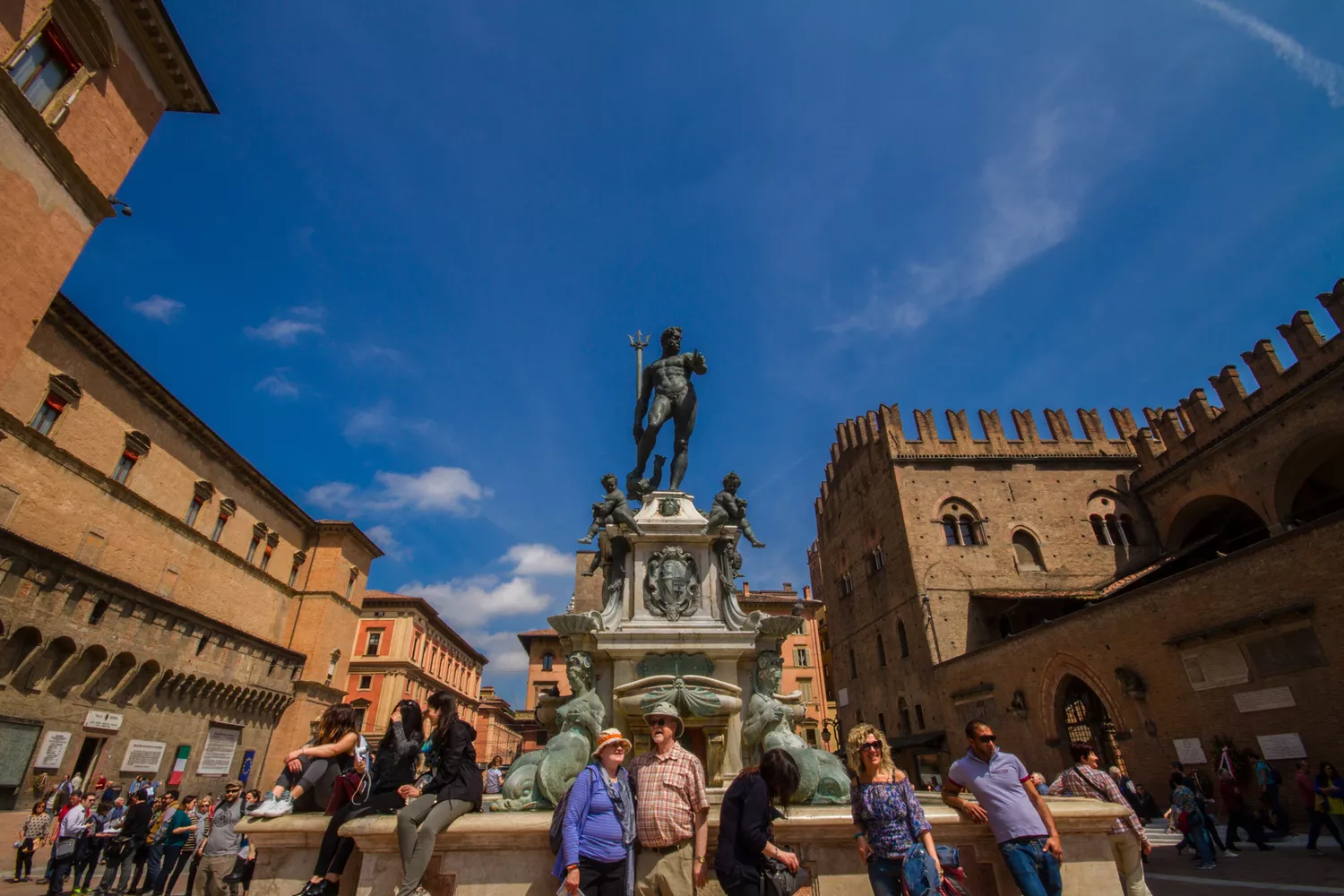
No visit to the center is complete without acknowledging the towers. In the 12th century, the skyline was thick with nearly 100 stone towers. Today, the Two Towers (Asinelli and Garisenda) remain the most famous. Climbing the 498 steps of the Asinelli Tower is among the best things to do in Bologna for those who have no fear of heights. For a more ground-level secret, visit the Whispering Walls at the Palazzo del Podestà near the Fountain of Neptune. If you speak into one corner of the vaulted walkway, a person in the opposite corner can hear you with haunting clarity—a trick once used by priests to hear the confessions of lepers.
Travel Logistics for 2026
Navigating Bologna has become remarkably efficient thanks to infrastructure upgrades. The Marconi Express is a monorail service that whisks travelers from the airport to the central train station in just 7 minutes. Priced at approximately €23 for a return ticket, it is the gold standard for ease of access.
When deciding where to stay in Bologna city center vs university district, consider your priorities. The city center is better for those who want quiet nights and proximity to high-end shopping and the main museums. The university district, while louder and grittier, offers cheaper dining and a more local, bohemian atmosphere. For first time visitors, a hotel near Via dell’Indipendenza provides a central anchor point between the train station and the historic hub of Piazza Maggiore.
The unique beauty of this city is that the porticos act as an urban umbrella. Whether you are visiting in the heat of July or the misty damp of November, you can walk almost the entire city center without ever needing an actual umbrella. This architectural choice makes Bologna a perfect year-round destination for those who value slow, immersive travel.

FAQ
Is Bologna worth visiting?
Absolutely. Bologna offers a more authentic, less crowded experience than Venice or Florence. It is a city that feels lived-in rather than curated for tourists, making it the perfect destination for food lovers and history buffs who want to experience the real Italy.
How many days do you need in Bologna?
Three days is the ideal amount of time to see the main highlights. This allows for one day to explore the historic center and towers, one day for a food-focused tour of the markets and traditional trattorias, and a third day for the hike up to San Luca and a visit to the city's secret canals.
What is Bologna famous for?
The city is globally famous for being the birthplace of Bolognese sauce (ragù), lasagna, and mortadella. Architecturally, it is renowned for its UNESCO-protected porticos and for hosting the oldest university in the Western world.
What are the top things to do in Bologna?
The most iconic activities include climbing the Asinelli Tower for city views, walking the 666 arches of the Portico di San Luca, exploring the Quadrilatero food markets, and marveling at the Basilica di San Petronio. Don't miss the chance to find the secret window on Via Piella.
How do you get around Bologna?
The historic center is immensely walkable and largely pedestrianized. For longer distances, the local bus system is excellent. To reach the city from the airport, the Marconi Express monorail is the fastest and most convenient method of transport.
Get Lost in the Arches
There is a specific kind of magic in allowing yourself to get lost in Bologna. The city is designed for the wanderer. You might start your morning looking for a specific museum and end it three hours later, still under the shelter of the porticos, having discovered a hidden courtyard or a coffee shop that has been serving the same neighborhood for a century.
Bologna doesn't demand your attention with massive monuments; it earns your affection through its atmosphere. As you walk the world's longest portico or share a plate of pasta in a sun-drenched square, you aren't just a visitor—you are part of a thousand-year-old conversation. Download a local walking map, leave the main thoroughfares, and let the terracotta arches lead you.