Quick Facts
- The ROI of Romance: Approximately 87% of travelers combining work and leisure report significantly higher job satisfaction.
- The Golden Rule: The companion must act as a 'Brand Extension' of the employee's professional reputation at all times.
- Etiquette Framework: Follow the 'Three Bs' during all social interactions: Be busy, Be balanced, Be brief.
- Financial Integrity: Strictly separate all personal expenses from reimbursable corporate costs to maintain professional trust.
- Meeting Protocol: Never host business meetings in private hotel rooms; utilize lobbies, executive lounges, or high-end hotel amenities.
- Companion Independence: A successful business trip plus-one prioritizes their own solo sightseeing itinerary to avoid distracting the working partner.
- Relationship Heath: Bringing a partner can mitigate the fact that 49% of business travelers feel travel disrupts their work-life balance.
Bringing a business trip plus-one is a growing trend, with 87% of bleisure travelers reporting higher job satisfaction when they can share their journey with a loved one. However, success requires a sophisticated blend of social intelligence and clear personal boundaries to protect your professional decorum and ensure corporate objectives remain the priority.
A business trip plus-one should prioritize independence by creating their own daytime itinerary to avoid distracting the working partner. Success in this role relies on being busy, balanced, and brief, ensuring that professional boundaries are respected throughout the journey. As an extension of the host traveler, the companion must maintain proper decorum to protect the employee's professional reputation while supporting them during sanctioned social events.
The Protocol of Permission: Before You Book
Before the scent of expensive leather luggage fills your hallway, the very first step in planning a shared journey is navigating the internal landscape of your company. Every organization carries its own unspoken rhythm and corporate culture regarding family or partners. While approximately 32% of business travelers now bring a significant other along, this modern shift toward bleisure travel still requires a foundation of transparency and tact.
Start by auditing your company handbook, but don't stop there. Observe the subtle social cues of your leadership. Is this a firm that values the separation of church and state, or one that views a spouse as a vital part of the professional family? Once you have a sense of the land, have an open conversation with management. Frame the presence of your partner as a way to maintain work-life integration during a demanding period, rather than a distraction.
Proper trip coordination involves more than just booking an extra seat on the plane. It requires letting your colleagues know, quite casually, that your partner will be joining you for the evening portions of the trip. This prevents any awkward surprises when you check into the hotel or if a colleague suggests an impromptu late-night work session. By establishing this business trip plus-one etiquette guide early on, you transform your partner from a "hidden guest" into a respected, albeit independent, part of the travel experience.

Setting the 'Rules of Engagement'
The allure of a new city can often blur the lines between a romantic getaway and a high-stakes professional assignment. To avoid the friction that arises when work calls interrupt a candlelit dinner, you must establish clear personal boundaries and work-leisure boundaries before the wheels leave the tarmac. Traveling together is often seen as the ultimate test, with 73% of respondents in a recent survey agreeing that it reveals the true depth of a relationship.
Establish "off-limits" hours where the working partner is completely unavailable. During these windows, the companion should lean into the joy of solo exploration, perhaps visiting a local gallery or enjoying a quiet afternoon at a café. This independence is the secret sauce of travelling with a partner on business. It removes the guilt from the professional and the boredom from the partner.
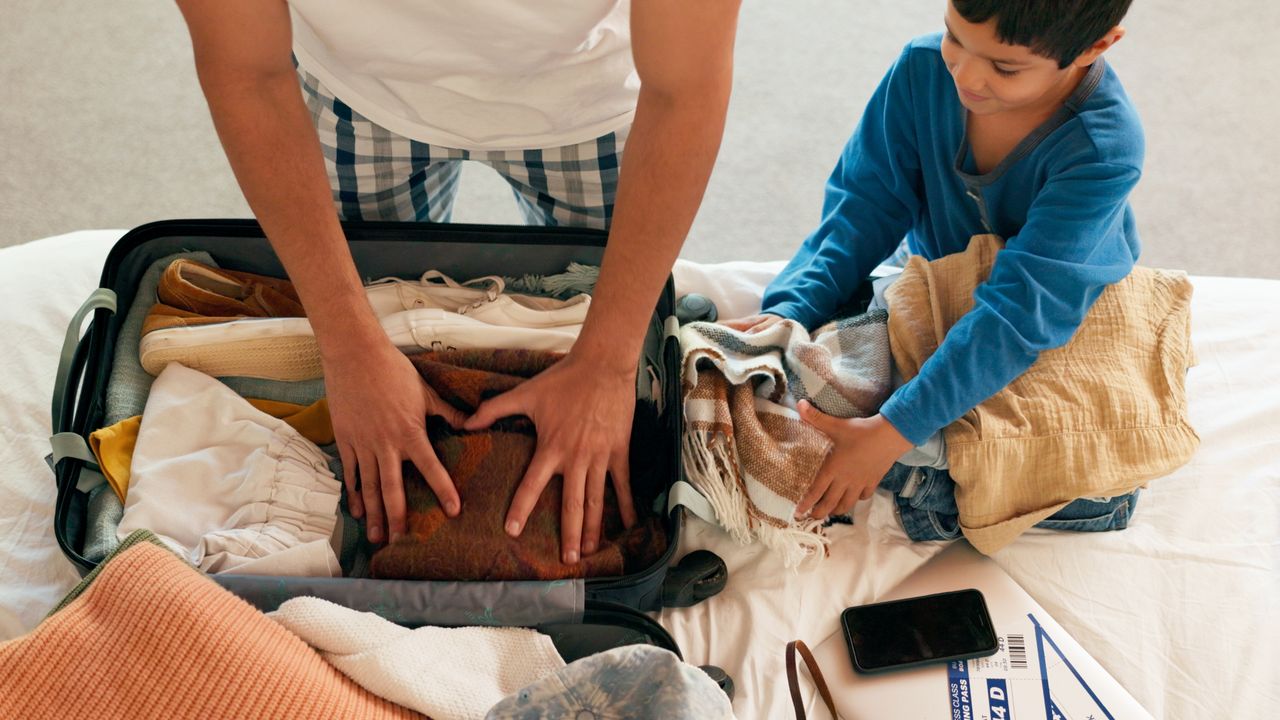
A refined tip for the sophisticated traveler: adopt a "pack for two trips" strategy. Your wardrobe should reflect two distinct personas. For the professional, crisp tailoring and understated elegance; for the companion, outfits that transition seamlessly from solo sightseeing to a semi-formal cocktail hour. This mental and physical separation helps both of you stay in the right headspace, ensuring that when you finally do reunite for the evening, the transition from work to romance is as smooth as a vintage silk scarf.
The Plus-One Playbook: Social Intelligence in Action
When the sun sets and the networking begins, the role of a business trip plus-one shifts from solo explorer to a vital brand extension. You are there to enhance your partner's professional standing, not to dominate the room or dive too deep into office politics. This delicate dance requires high social intelligence and an understanding of when to shine and when to retreat.
Handling networking dinners as a business plus-one is an art form. You want to be approachable and engaging, but your primary goal is to support the professional narrative. If you find yourself in a conversation about a project you know nothing about, practice the "Redirect and Reconnect." Briefly acknowledge the topic, then steer the conversation toward more universal subjects like travel, local cuisine, or the beauty of the hotel amenities.
Expert Tip: The Three Bs To maintain professional decorum at any corporate-sanctioned social event, always remember the Three Bs.
- Be Busy: Have your own interests and stories so you don't seem overly dependent on your partner for entertainment.
- Be Balanced: Be warm and friendly to everyone, regardless of their rank, without being overly familiar.
- Be Brief: Know when to move on from a conversation so your partner can continue their professional networking.
Maintaining a professional reputation with a plus-one means being prepared for the occasional awkward social cue. If you are mistakenly introduced as a business partner, a gentle, smiling correction—"I’m actually just here to enjoy the city while he works"—is all that is needed. It shows confidence and removes any potential for professional embarrassment later.
| Social Setting | Do | Don't |
|---|---|---|
| Networking Cocktail Hour | Arrive on time, hold your drink in your left hand to keep your right hand dry for handshakes. | Hover near your partner or interrupt mid-sentence during a work-related discussion. |
| Corporate Group Dinner | Listen more than you speak. Be the one who remembers people's names and hometowns. | Complain about the food, the service, or the length of the partner's working day. |
| Casual Hotel Bar Meetup | Keep the conversation light and focused on the destination exploration experiences. | Discuss sensitive company information or complain about the partner's boss. |
| Cultural Differences | Research local customs, such as tipping in Japan versus India, before you arrive. | Assume your home-country etiquette applies globally; stay observant and adaptable. |
Logistics of Leisure: Hotel Selection and Expenses
The choice of sanctuary can make or break the experience for a business travel companion. When selecting your home away from home, look beyond the proximity to the office. Prioritize hotels with best hotel amenities for business trip companions—think expansive spas, world-class wellness centers, or a concierge team that excels at planning solo activities for business trip partners. A hotel that feels like a destination in itself ensures that while the working traveler is in meetings, the partner is enjoying a restorative and sensory-rich experience.
One of the most critical aspects of bleisure travel is the ethical management of Reimbursable vs. personal expenses. Nothing tarnishes a professional reputation faster than an expense report filled with a partner's room service or spa treatments. Maintain two separate credit card files: one for the corporate-approved costs (the room itself, work-related meals) and one for everything else (the partner's flights, extra meals, and personal luxury purchases). This level of financial integrity is non-negotiable.
Planning solo activities for business trip partners shouldn't be an afterthought. Utilize the hotel concierge early. Whether it’s a private tasting of local olive oils or a guided architectural walk, these experiences allow for destination exploration that provides the partner with their own stories to share at dinner. Research shows that 61% of couples credit specific shared trips with helping to reignite their romance, and that spark is often found in the shared stories brought back after a day apart.
FAQ
Can I bring a plus-one on a business trip?
In most cases, yes, though it depends heavily on your company's specific travel policy and corporate culture. It is modern standard to allow partners to accompany employees as long as it does not incur additional costs for the employer or interfere with professional duties. Always verify with your HR or department head before making reservations.
Who pays for the expenses of a plus-one on a business trip?
The employee is almost always responsible for all costs specifically associated with the companion. This includes their airfare, meals, and any additional room surcharges. While the base cost of the hotel room is usually covered by the company, any incremental costs—such as a larger room or additional resort fees—should be paid personally to maintain clear financial boundaries.
Is it professional to bring a partner on a business trip?
It is increasingly seen as a positive way to manage work-life integration, provided the companion respects professional decorum. As long as the partner remains independent during working hours and acts as a gracious brand extension during social events, it can actually enhance your professional image by showing you are a well-balanced individual.
What is the etiquette for bringing a companion on a work trip?
The core of etiquette here is ensuring the partner remains a "silent support" rather than an active participant in business meetings. They should follow the Three Bs (Busy, Balanced, Brief) and never intrude on work-specific time. Transparency with your team and keeping a low-maintenance profile are the hallmarks of a sophisticated business trip plus-one.
How do I balance work duties and spending time with a guest during a trip?
The key is to set realistic expectations before the trip begins. Recognize that work travel can be exhausting, with 70% of frequent travelers reporting that time away can put a strain on relationships. Prioritize quality over quantity; spend your evenings fully present with your partner, but let them explore the destination independently during the day while you focus on your professional objectives.