Quick Facts
- Reopening Date: Full Highway 1 access is restored as of January 14, 2026.
- Recommended Route: South-to-North (Santa Barbara to Monterey) for the best coastal views nearest the passenger side.
- Top Luxury Stay: The Inn at Mattei's Tavern, recognized as a premier 2025 hotel destination in California.
- Must-See Landmark: Bixby Creek Bridge, soaring roughly 260 feet above the canyon floor.
- Wildlife Peak: October through February for Monarch butterflies and Elephant Seals.
- Logistics: Regional flight access via SBA, SLO, or SMX; Amtrak Pacific Surfliner for rail enthusiasts.
The best stops on a California Central Coast road trip include the iconic Bixby Creek Bridge and McWay Falls in Big Sur, the historic Hearst Castle in San Simeon, and the Danish-themed town of Solvang. Travelers should also visit Monterey’s Cannery Row for marine life viewing and Santa Barbara’s State Street for luxury shopping. These locations offer a mix of dramatic coastal scenery, Mediterranean-style architecture, and unique cultural experiences along the Pacific Coast Highway.
Logistics & Planning: Getting to the Central Coast
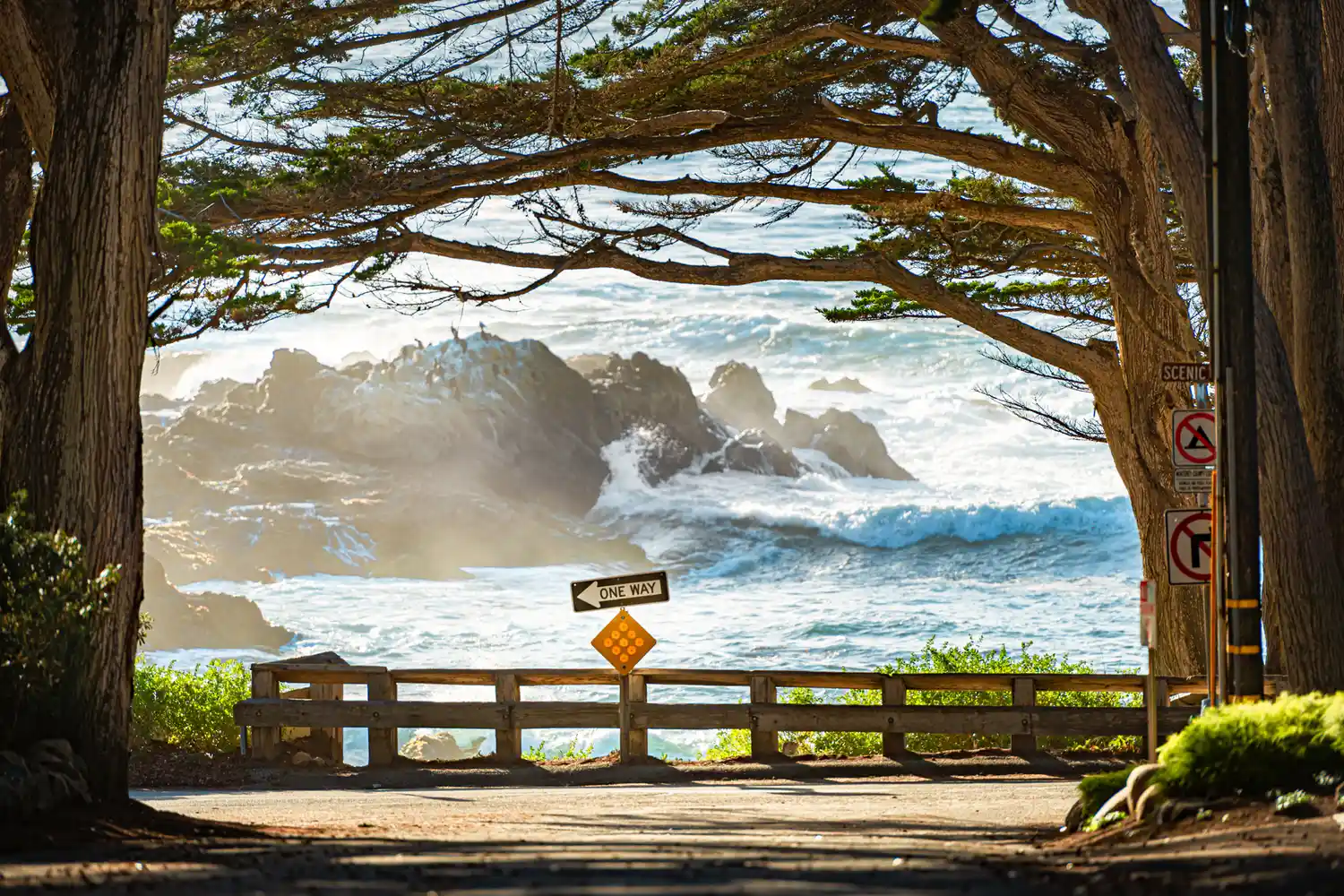
Planning a California Central Coast road trip itinerary in 2026? With the full reopening of Highway 1 scheduled for January, there has never been a better time to experience the Pacific Coast Highway PCH. This legendary route, which stretches approximately 656 miles along the California coastline, is officially designated as an All-American Road for its unparalleled beauty.
For those flying in, three regional airports offer convenient access without the congestion of LAX or SFO:
- SBA: Santa Barbara Municipal Airport (The most aesthetic terminal in the state).
- SLO: San Luis Obispo County Regional Airport (Perfect for the wine country).
- SMX: Santa Maria Public Airport (Centralized location for northern Santa Barbara county).
If you prefer a slow travel philosophy, consider taking the Amtrak Pacific Surfliner through Central Coast territory. The rail line offers coastal views that even the highway cannot reach, specifically through the Vandenberg Space Force Base coastline. Regardless of your transport, always check CalTrans road conditions before departure, as the Santa Lucia Mountains are prone to seasonal changes that can affect local access.
Stop 1: The American Riviera: Santa Barbara to Solvang
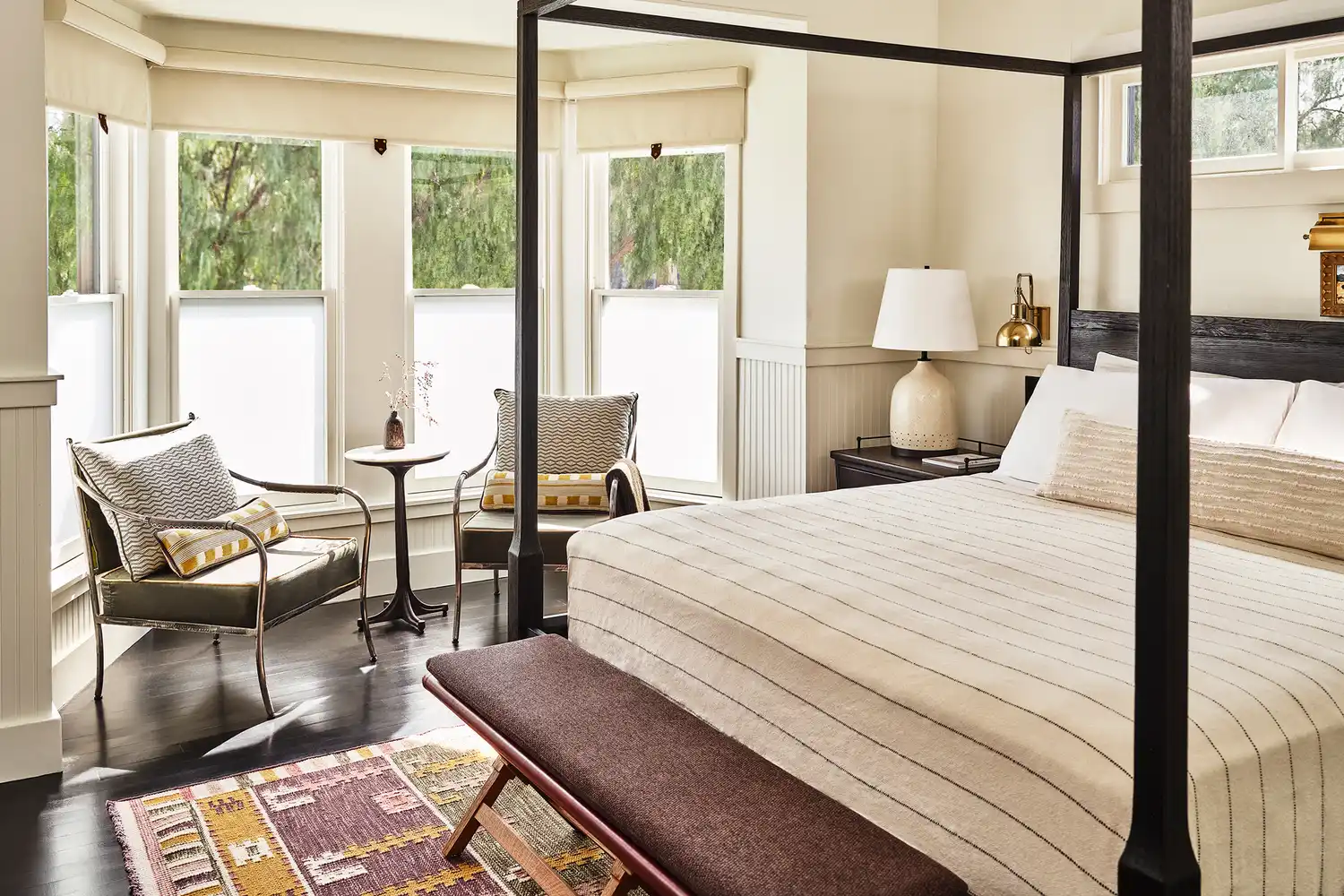
Our journey begins in Santa Barbara, a city that perfectly blends Mediterranean charm with modern luxury. Start your morning in the Funk Zone, a converted warehouse district now home to boutique tasting rooms and street art. For a refined stay, The Inn at Mattei’s Tavern provides a sophisticated retreat that epitomizes the modern luxury of the Santa Ynez Valley. Originally a stagecoach stop in the 1880s, it has been reimagined as the region’s premier luxury boutique hotels along the California Central Coast opportunity.
Heading inland toward the Santa Ynez Valley, the scenery shifts from coastal bluffs to rolling oak-studded hills. Here, you will find some of the best wineries in Central Coast California, specializing in cool-climate Syrah and Pinot Noir. No trip through this valley is complete without experiencing the authentic Danish experiences in Solvang California.
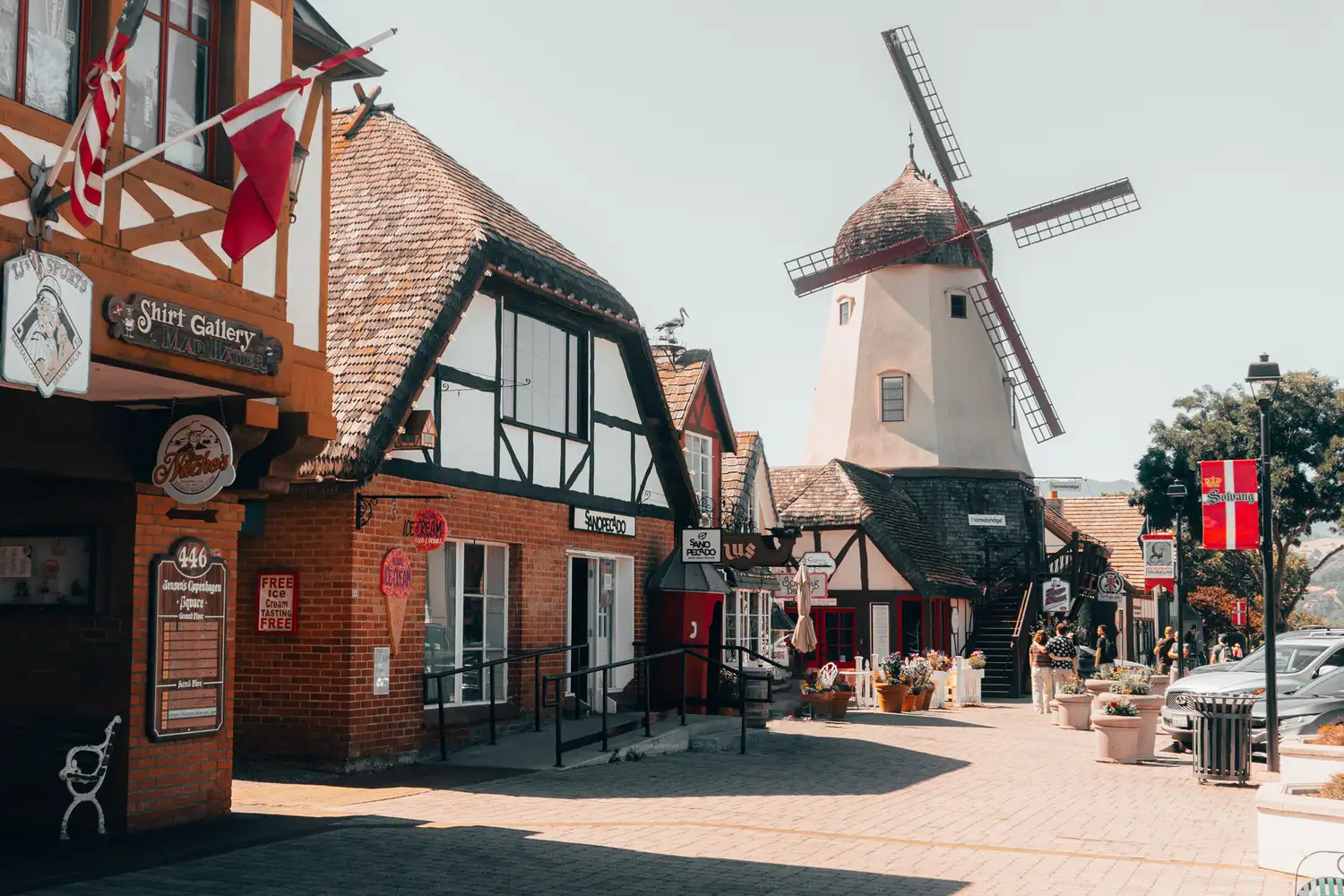
Solvang feels like a slice of Scandinavia transported to the Pacific. From its signature windmills to the scent of fresh poelser and aebleskiver wafting from local bakeries, it is a visual delight for any photographer. For foodies, the region is home to several Michelin recognized restaurants in Central Coast California, including Six Test Kitchen, where the focus is on hyper-local ingredients sourced from the nearby hills and sea.
Pro-Tip: When visiting Solvang, park your car in the free public lots on the outskirts of the village and explore on foot. The European style boutiques and hidden courtyards are best discovered at a walking pace.
Stop 2: Vines & Vizcaya: San Luis Obispo to San Simeon
Continuing north, San Luis Obispo (SLO) offers a youthful, energetic vibe fueled by the local university and a world-class farm-to-table cuisine scene. The region’s economic health is a testament to its popularity; the Central Coast region generated more than $9.3 billion in total travel spending in 2023, which supported tens of thousands of local jobs.
For those wanting a deep dive into the wine culture, a wine tasting guide for Paso Robles and San Luis Obispo would emphasize the diversity of the American Viticultural Area AVA designations here. Paso Robles is famous for its bold Rhone blends, while the offshore breezes in the Edna Valley produce crisp Chardonnays.
Just north of the vineyards lies the staggering Hearst Castle. Planning a visit to Hearst Castle and San Simeon requires booking in advance, as the 165-room estate remains one of the state's most visited landmarks. After touring the Neptune Pool and the Gothic Study, drive a few miles further to the Piedras Blancas rookery. Depending on the best time of year to drive California Central Coast, specifically between October and February, you can witness thousands of Northern Elephant Seals during their breeding and molting seasons.
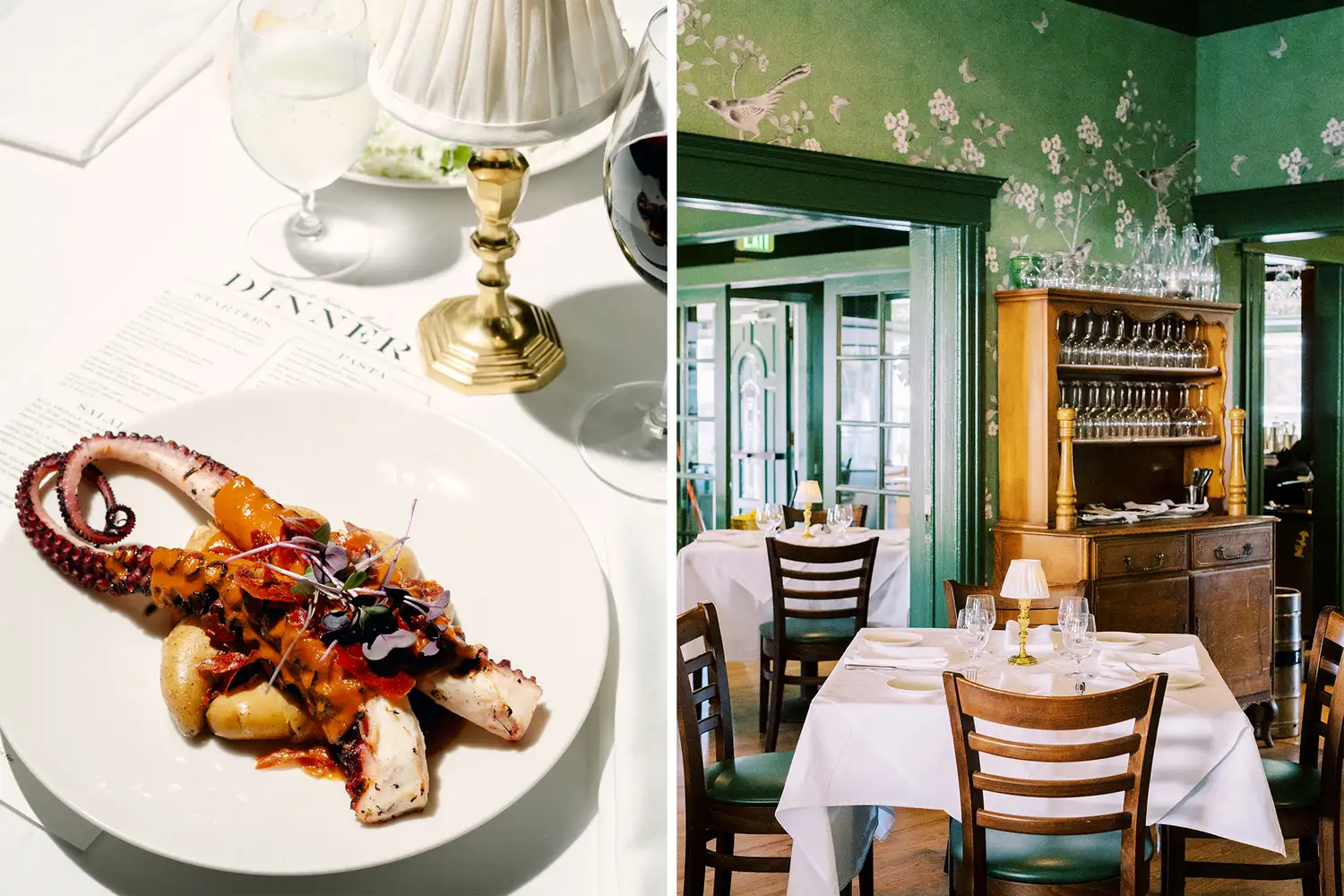
Dining in SLO has reached new heights recently. Michelin-recognized dining at spots like Nate's On Marsh turns a coastal road trip into a premier culinary tour, blending Italian influences with the freshest Central Coast produce.
Stop 3: The Rugged Edge: Big Sur to Monterey
This is the stretch that makes Highway 1 famous worldwide. As you enter Big Sur, the Santa Lucia Mountains drop precipitously into the Pacific. The crown jewel of this section is the Bixby Creek Bridge. It is one of the highest single-span concrete bridges in the world, soaring roughly 260 feet above the canyon floor.
Further north, McWay Falls offers a rare "tidefall"—a waterfall that empties directly onto the beach (or into the ocean at high tide). For those who enjoy the outdoors, the scenic hiking trails in Big Sur and Point Lobos offer access to coastal redwood forests and hidden coves where sea otters play in the kelp forests.
As you conclude the drive in Monterey, the atmosphere changes from rugged isolation to historic maritime charm. Stroll through Cannery Row, made famous by John Steinbeck, and visit the Monterey Bay Aquarium. If you are visiting in 2026, the Monterey Jazz Festival continues to be a highlight of the late summer season, drawing global talent to the coast.
Pro-Tip: Parking at Bixby Creek Bridge can be extremely difficult. Arrive before 9:00 AM for the best light (the "golden hour") and a guaranteed spot to set up your tripod.
Responsible Travel & Best Times to Visit
Traveling through the Central Coast is a privilege, and the Big Sur Pledge encourages visitors to respect the natural landscape and local communities. This includes packing out all trash and staying on designated trails to protect the fragile cliffside ecosystems.
The best time to visit the California Central Coast is year-round, but each season has its own personality:
- Summer: Be prepared for the marine layer, locally known as "June gloom." This fog often hugs the coast until the afternoon, providing a moody, atmospheric backdrop for photography.
- Autumn: This is arguably the prime season. The skies clear, the harvests begin in Paso Robles, and the temperatures remain mild.
- Winter: Ideal for wildlife viewing and the Cambria Christmas Market, though you should keep an eye on CalTrans road conditions during heavy rain years.
- Spring: The hills turn a brilliant emerald green, and wildflowers bloom along the cliff edges, particularly near Point Lobos.
FAQ
What is the best month to visit the Central Coast?
September and October are widely considered the best months to visit. During this time, the summer fog has dissipated, the temperatures are comfortably warm, and the summer crowds have thinned out, making it the perfect window for a Highway 1 scenic drive stops tour.
What are the top attractions on the California Central Coast?
The most iconic attractions include the Bixby Creek Bridge and McWay Falls in Big Sur, the historic Hearst Castle in San Simeon, the Danish village of Solvang, and the world-renowned Monterey Bay Aquarium. For wine lovers, the vineyards of Paso Robles and the Edna Valley are essential stops.
How long does it take to drive the Central Coast?
While the direct drive from Santa Barbara to Monterey takes about 5 hours, a proper California Central Coast road trip itinerary should span at least 3 to 5 days. This allows sufficient time for wine tasting, hiking in Big Sur, and exploring the small towns like Cambria and Cayucos without rushing.
What is the Central Coast of California known for?
The region is famous for its dramatic coastal cliffs, world-class wine regions, and unique cultural pockets like the Danish-inspired Solvang. It is a hub for high-end farm-to-table cuisine, luxury boutique hotels, and some of the most spectacular wildlife viewing opportunities in North America, including elephant seals and monarch butterflies.
Where exactly does the Central Coast of California start and end?
Geographically, the Central Coast typically begins north of Los Angeles County (specifically around Ventura or Santa Barbara) and extends to the southern edge of the San Francisco Bay Area (Monterey and Santa Cruz counties). This 300-mile stretch offers the most diverse scenery along the entire Pacific Coast Highway.