Quick Facts
- Location: Loveland, Colorado (East of Promenade Shops at Centerra)
- Hours: Open Daily 6:00 AM – 10:00 PM
- Admission: Free to the public year-round
- Accessibility: 100% wheelchair-accessible 1.5-mile walking paths
- Collection: 82 permanent monumental stone sculptures across 26 acres
- Highlights: 8 thematic areas, native plant gardens, and summer music series
Experience a cultural bridge in Northern Colorado at the Chapungu Sculpture Park. Located in Loveland, this 26-acre sanctuary houses the largest collection of Zimbabwean Shona sculpture in the US. Chapungu Sculpture Park is a free-admission outdoor gallery at Centerra that features 82 hand-carved stone masterpieces organized into universal human themes. Whether you're visiting for the serene trails or the Sounds of Centerra events, it offers a unique blend of art and nature.
The Spirit of the Eagle: Origins and Meaning
To understand the heart of this landscape, one must first learn the name. Pronounced Cha-POON-goo, the word refers to the Bateleur eagle, a bird of great significance in Zimbabwe that is believed to bring good fortune and serve as a protector. This spirit of protection and Cultural Heritage is woven into the very fabric of the park, which stands as a testament to the vision of Roy Guthrie. Guthrie was a pivotal figure in promoting African art, establishing the original Chapungu gallery in Harare in 1970.
The expansion to Northern Colorado Tourism in 2007 was a deliberate effort to create an international home for these incredible works. It was not merely about placing art in a field; it was about building a bridge between the high plains of Colorado and the granite hills of Zimbabwe. As you walk through the park, you are witnessing an Artistic Legacy that celebrates Shona Artistry, a movement that gained worldwide recognition mid-century for its ability to pull profound emotion from cold, hard rock. Visiting Chapungu Sculpture Park from Denver takes about an hour, but the experience transports you much further, offering a meditative space where contemporary African art meets the rugged beauty of the Rocky Mountain foothills.
Stones and Soul: The 8 Universal Themes
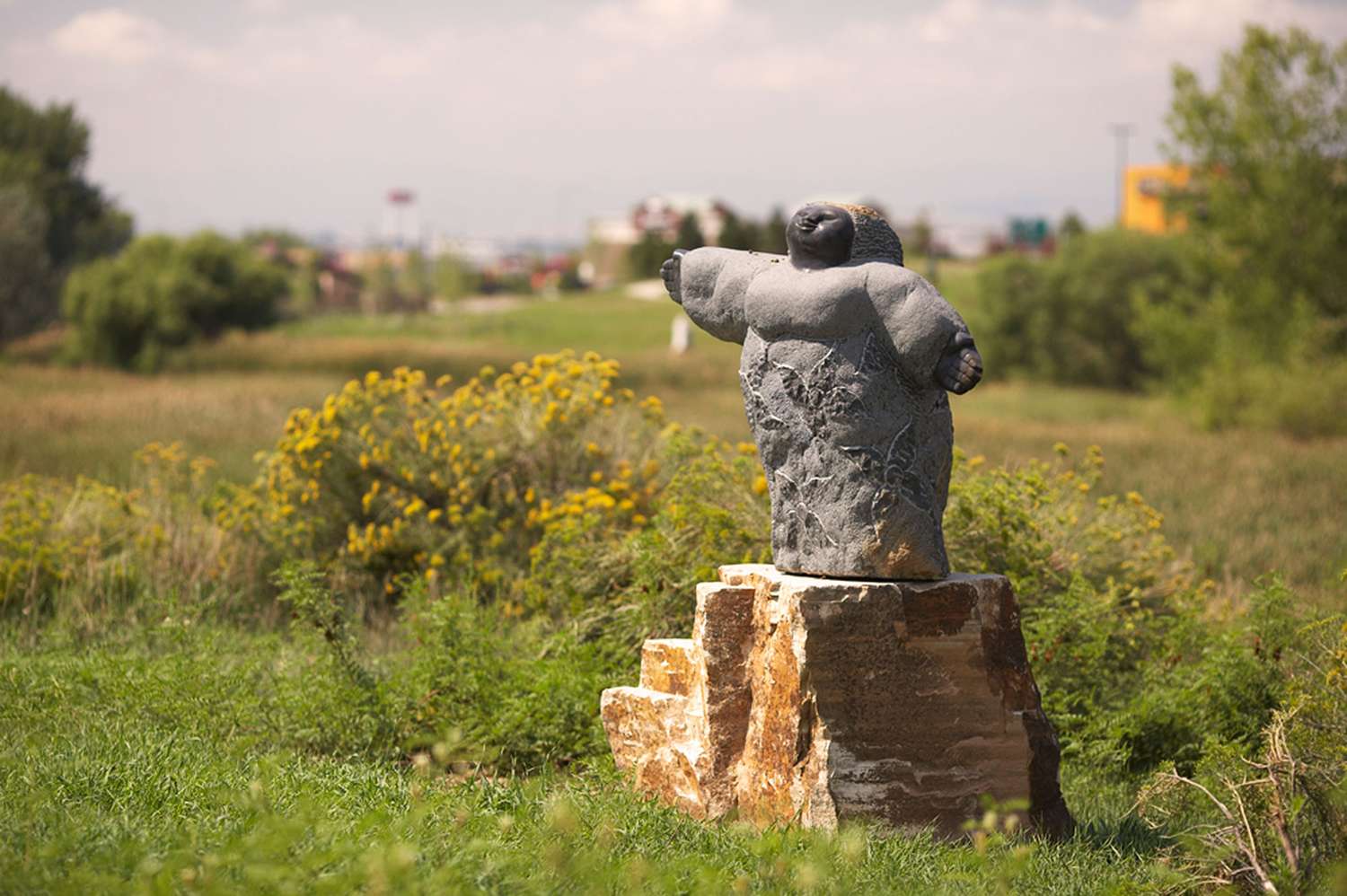
The stones themselves—vibrant green Serpentine Stone, translucent Opal stone, and the dense, dark Springstone—are more than just materials. They are the voices of artists who believe that every rock possesses a spirit. The sculptor's task is not to impose a shape, but to release the form already waiting within. These Hand-carved Masterpieces represent a deep Ancestral Symbolism, often exploring the delicate balance between the physical and spiritual worlds.
The Zimbabwean Shona sculpture collection in Loveland is thoughtfully curated into eight universal themes, allowing visitors to navigate the human experience through stone. As you wander, look for these specific sections:
- The Family: Exploring the bonds between generations.
- The Spirit World: Works that reach beyond the tangible.
- The Role of Women: Celebrating strength, motherhood, and leadership.
- Village Life: Scenes of daily community and tradition.
- Nature and Environment: The interconnectedness of all living things.
- The Elders: Honoring wisdom and the passage of time.
- Social Change: Reflecting on the evolution of society.
- The Great Spirit: Representations of the divine and the eternal.
Each piece is a part of the Loveland Colorado public art collection, serving as an Outdoor Gallery that invites touch and contemplation. The abstract and metaphorical forms speak across languages, making it a true Community Sanctuary.
Exploring the 26-Acre Sanctuary
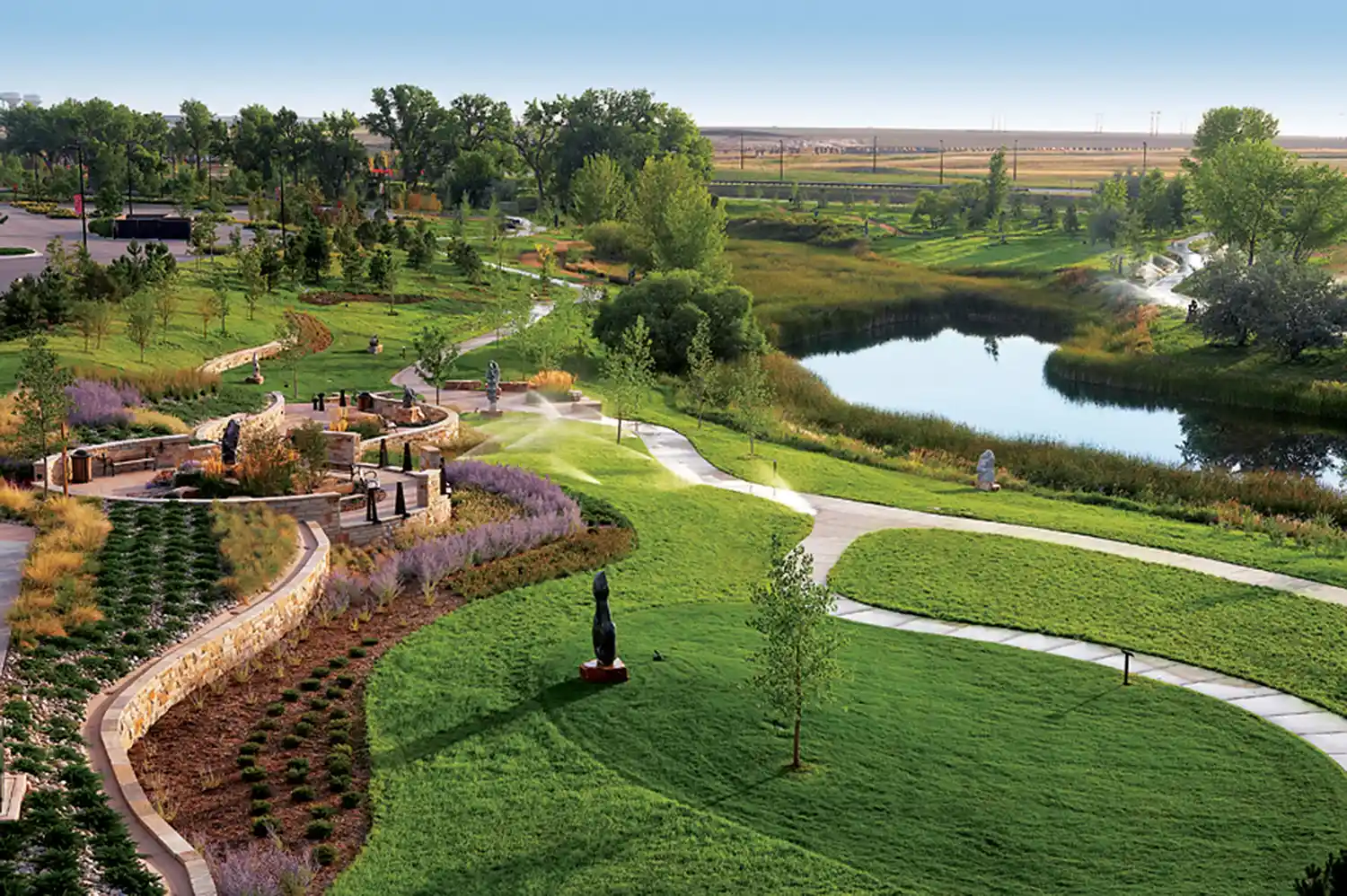
The park is as much a triumph of landscape architecture as it is of sculpture. Spread across 26 acres, the grounds were designed to reflect the native Colorado ecosystem while providing a complimentary backdrop for the Zimbabwean stone sculptures Loveland locals have come to love. The site’s landscape includes a 1.5-mile walking trail that follows the gentle curve of the Greeley-Loveland Canal.
This is a place where botanical beauty meets artistic intent. The grounds are home to approximately 2,900 native shrubs and trees and roughly 7,000 ornamental grasses. These pollinator-friendly environments provide a sensory experience that changes with the light. In the morning, the dew clings to the grasses, and the low sun catches the polished surfaces of the serpentine. It is widely considered the best time of year to visit Chapungu Sculpture Park during the late spring and autumn when the native colors are most vibrant.
For those with mobility considerations, the Chapungu Sculpture Park wheelchair accessible walking paths are meticulously maintained. The flat, paved surfaces ensure that these monumental works are accessible to everyone, making it one of the premier family friendly activities at Chapungu Sculpture Park. Children often find themselves drawn to the smooth textures of the stones, while adults can find quiet nooks for reflection along the water.
Beyond the Sculptures: Events and Retail
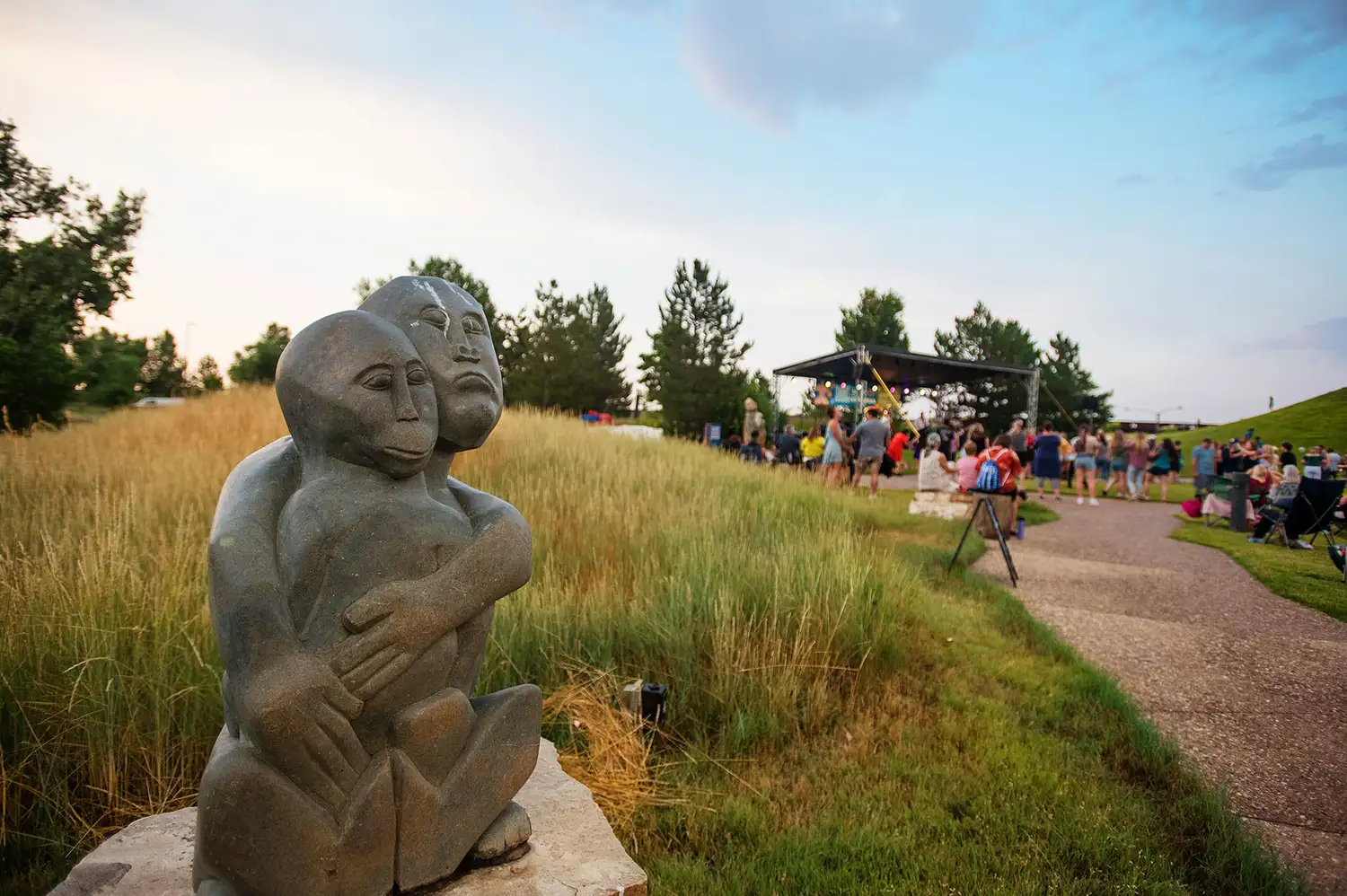
While the park is a silent retreat most of the year, it transforms during the summer months. The Great Lawn becomes the stage for the Sounds of Centerra events, a beloved tradition in Northern Colorado. This community music series brings live performances to the park, allowing families to picnic among the sculptures while enjoying local bands. Finding the Sounds of Centerra summer music series schedule is easy through the local Centerra community calendar, and the performances are free to the public.
One of the unique aspects of this park is its Chapungu Sculpture Park proximity to shops and dining. Located just east of the Promenade Shops at Centerra, you can spend a morning lost in Shona artistry and then walk across the street for a curated lunch or a bit of retail therapy. This juxtaposition of a tranquil cultural site next to a modern shopping district makes it an ideal urban sanctuary for those who want a full day of exploration without the need for extensive travel.
FAQ
What is there to see at Chapungu Sculpture Park?
Visitors can explore a permanent collection of 82 hand-carved Zimbabwean stone sculptures set within 26 acres of landscaped gardens. The park features a 1.5-mile walking trail, native Colorado plant life, and eight thematic areas that tell the story of the Shona people through contemporary art.
Is Chapungu Sculpture Park free to visit?
Yes, admission to the park is free to the public year-round. The park is a gift to the community, maintained as a sanctuary for art, nature, and cultural education, and it is open daily from early morning until evening.
Where is Chapungu Sculpture Park located?
The park is located in Loveland, Colorado, specifically situated east of the Promenade Shops at Centerra. It is conveniently positioned near the Greeley-Loveland Canal and is easily accessible for those traveling from Denver or Fort Collins via I-25.
Are dogs allowed at Chapungu Sculpture Park?
Yes, leashed dogs are welcome to accompany their owners on the walking paths. Visitors are asked to remain on the designated trails and ensure they clean up after their pets to help preserve the native gardens and the integrity of the sculpture displays.
What is the significance of the Shona stone sculptures?
The Shona stone sculptures represent a world-renowned art movement from Zimbabwe that blends contemporary aesthetics with deep ancestral spiritual roots. The artists use traditional hand-carving techniques to transform indigenous stones into metaphorical shapes that explore universal human experiences like family, faith, and the natural world.