Quick Facts
- 2026 Highlight: A rare Total Solar Eclipse will cross Greenland on August 12, 2026, making it the premier destination for celestial viewing.
- New Logistics: The expansion of Nuuk Airport with a 2,200m runway will allow direct Nuuk Airport international flights from major international hubs like Newark.
- Connectivity: Despite its remote reputation, Greenland has 81.3% of the total population using the internet as of 2024.
- Top Itinerary: West Greenland remains the most popular route for its accessible UNESCO sites and the massive icebergs of Disko Bay.
- Sustainability: With a visitor-to-local ratio of roughly 3:1, current development focuses on high-value, low-impact sustainable tourism development.
- Vessel Choice: Polar icebreakers and expedition ships are essential for navigating the 27,000 miles of coastline where no roads exist between towns.
A Greenland expedition cruise is the most practical way to explore the island's 27,000-mile coastline and remote Inuit settlements, facilitated by 2026's expanded airport hubs in Nuuk and Ilulissat. These voyages provide the necessary infrastructure to witness the island's deep fjords and calving glaciers while providing comfortable access to the Danish realm.
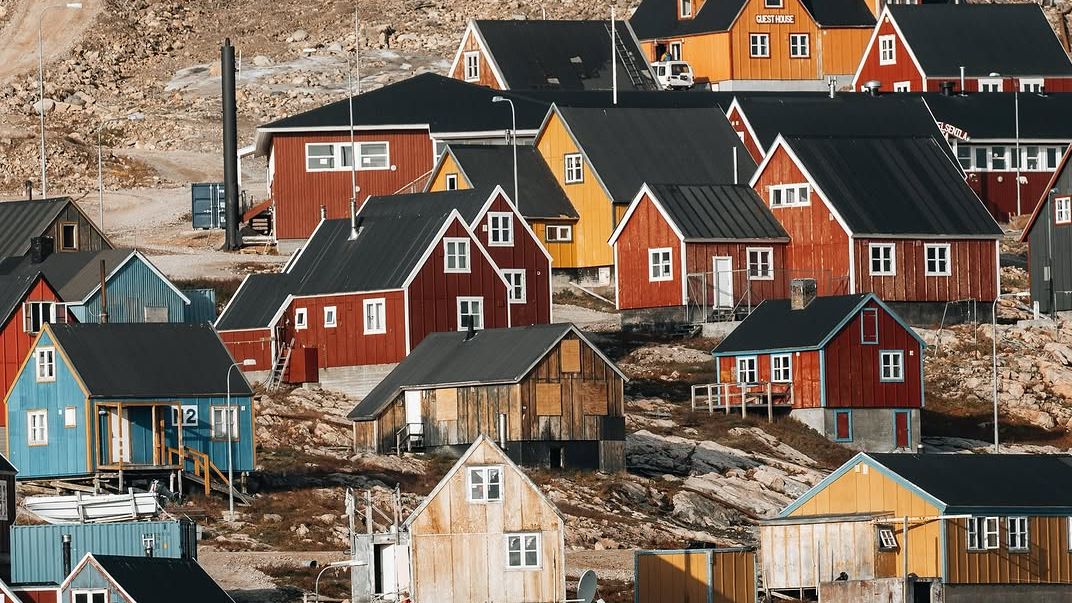
For decades, Greenland has existed in the traveler’s imagination as a final frontier, a place where the map ends and the ice begins. Yet, as we look toward the 2026 travel season, this perception is undergoing a radical shift. The island is moving from a peripheral Arctic outpost to an accessible, deeply connected cultural destination. This evolution is driven by significant infrastructure investments and a growing global interest in the human element of the North.
Traveling through Greenland is a lesson in geography. Over 80% of the landmass is covered by the Greenland Ice Sheet, a remnant of the last ice age that influences everything from the local weather to the primary modes of transport. Because there are no roads connecting the colorful coastal towns, the sea remains the lifeblood of the nation. It is here that a Greenland expedition cruise proves its value, acting as a mobile basecamp that navigates the ice-choked waters where traditional vessels cannot go.
The 2026 Gateway: Nuuk Airport and Modern Connectivity
The arrival of 2026 marks a turning point for Arctic travel logistics. Historically, the hurdle for any traveler planning a trip to Greenland was the multi-leg journey, often requiring a stopover in Kangerlussuaq followed by a transfer on a small Dash-8 prop plane. This is changing with the massive expansion of the runway at Nuuk Airport. The new 2,200m runway is designed to accommodate large narrow-body and wide-body aircraft, allowing for direct flights from international cities such as Newark and Copenhagen.
This shift in Nuuk Airport international flights is about more than just convenience; it fundamentally changes the entry point for expedition cruises. Travelers can now land in the capital city, experience its burgeoning culinary scene and modern museums, and board their vessel within the same afternoon. The logistics of flying to Nuuk for Arctic cruise departures have been streamlined, reducing the total travel time from North America and Europe by nearly half in many cases.
While the physical infrastructure is expanding, digital connectivity has already reached impressive heights. Data from early 2024 shows that there were 70,500 active cellular mobile connections in the territory, which is equivalent to 124.3% of the total population. This high level of mobile penetration means that even in a remote fjord, you are often closer to a 4G signal than you might expect. For the cruise passenger, this means the ability to share high-resolution images of a calving glacier in real-time, bridging the gap between the ancient landscape and the modern world.

West vs. East: Choosing Your Expedition Itinerary
Choosing the right itinerary is the most critical step in a Greenland expedition cruise planning guide for 2026. The island is so vast that the experience of the West coast is almost entirely different from that of the East.
The West coast is the cultural and economic heart of the country. Here, approximately 88% of residents living in urban centers find their homes in towns like Nuuk, Sisimiut, and Ilulissat. A Western itinerary focus is often on the dramatic Disko Bay icebergs, where the Sermeq Kujalleq glacier pumps massive blocks of ice into the sea. This region is also rich in history, featuring Norse ruins that tell the story of Eric the Red and the medieval settlements that survived for centuries in the subarctic climate conditions.
In contrast, East Greenland is rugged, isolated, and governed by the rhythm of the ice. Regions like Scoresby Sound—the largest fjord system in the world—offer a different kind of scale. Here, the mountains rise vertically from the sea, and the human presence is limited to tiny, resilient communities like Ittoqqortoormiit. An East vs West Greenland cruise itinerary comparison often comes down to a choice between cultural depth and wilderness immersion.
| Feature | West Greenland | East Greenland |
|---|---|---|
| Primary Attraction | Disko Bay Icebergs & Ilulissat Icefjord | Scoresby Sound & High Arctic Scenery |
| Accessibility | High (Direct flights to Nuuk/Ilulissat) | Low (Often requires flights via Iceland) |
| Cultural Focus | Modern Inuit life & UNESCO Norse ruins | Traditional hunting and subsistence living |
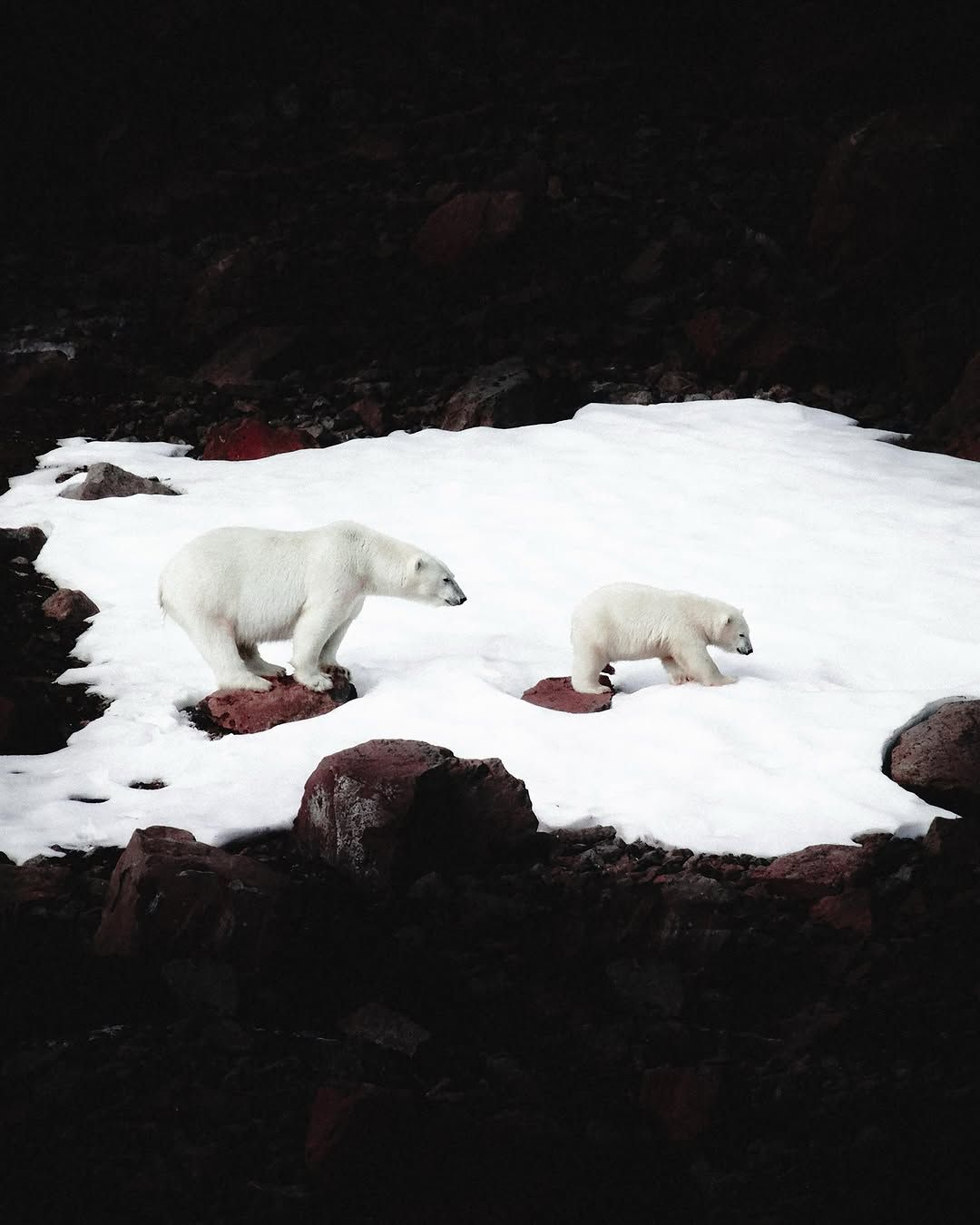
| Wildlife | Humpback whales, seals, and eagles | Polar bears, muskoxen, and narwhals |
| Cruise Style | Cultural exchange & shore landings | Wilderness exploration & Zodiac cruising |
Authentic Connections: Greenland Remote Settlement Travel
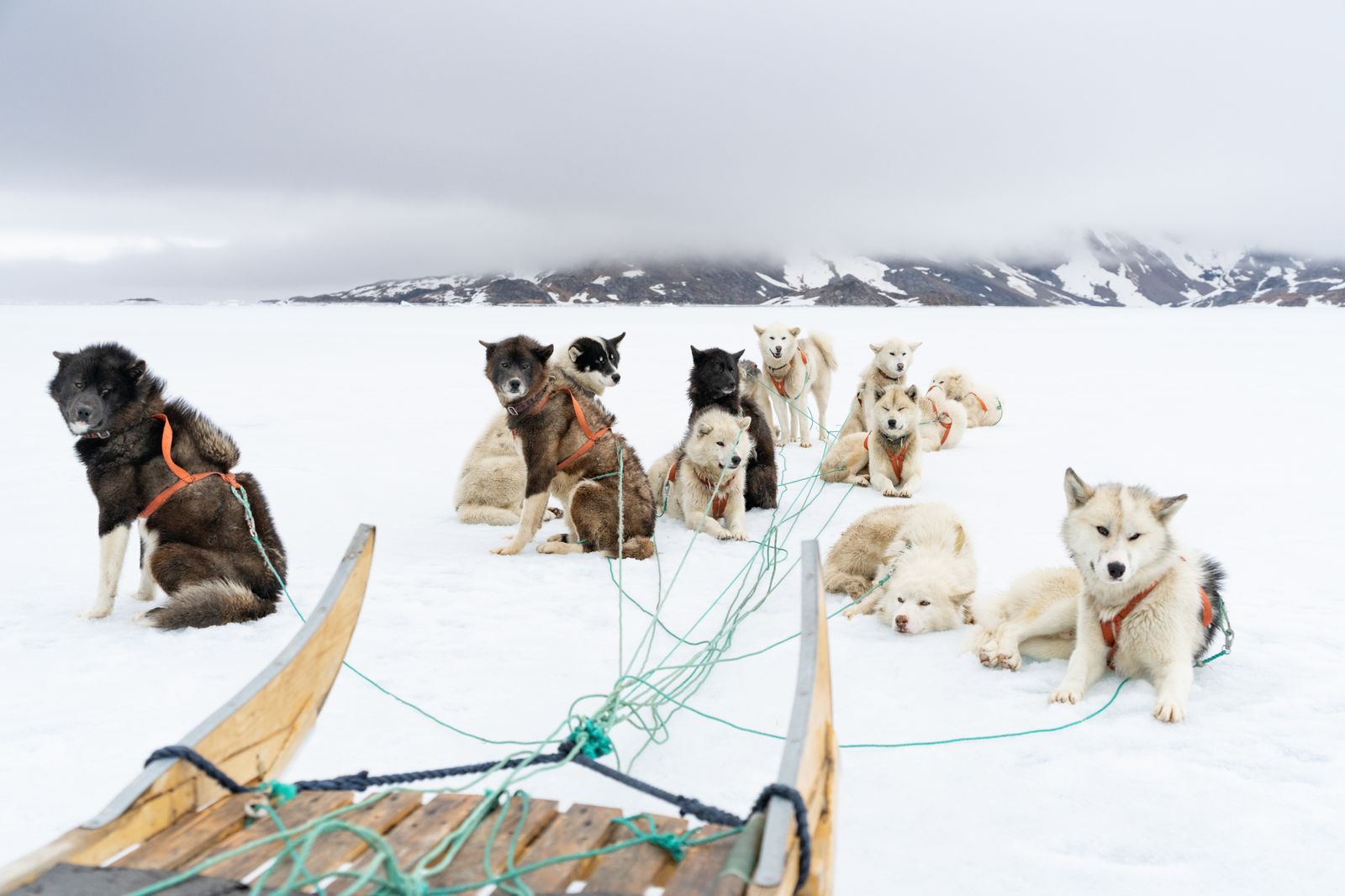
One of the most rewarding aspects of contemporary Arctic travel is the opportunity for Greenland remote settlement travel. These visits are not just about sightseeing; they are about understanding how communities thrive in one of the most extreme environments on Earth. In places like Igaliku or Tasiilaq, the arrival of an expedition ship is a significant event.
Connecting with local Inuit communities on Greenland cruises requires a thoughtful approach. Expert naturalists on board often provide lectures on the Thule culture and the modern challenges of the Danish realm, preparing guests for respectful engagement. In these settlements, travelers might witness an authentic qilaut or Inuit drum dancing performance, a tradition that has been revived as a powerful symbol of cultural identity.
Adhering to Greenland cultural etiquette tips is essential for maintaining the balance between tourism and local life. For instance, visitors should always ask for permission before taking photographs of residents and should prioritize buying handicrafts from local artisans. In these remote outposts, the logistical challenges are real; the community may rely on a single ship arriving once every few months for essential supplies. Understanding this context transforms a simple shore landing into a deep, meaningful exchange.
Planning for 2026: Seasons and the Solar Eclipse
If you are looking for the best time for Greenland cruises to see Disko Bay icebergs, the peak summer months of July and August are unrivaled. The midnight sun provides 24 hours of light, allowing for late-night Zodiac shore landings among the grounded bergs. However, the date that every Arctic enthusiast has circled on their calendar for 2026 is August 12.
On this day, a Total Solar Eclipse will pass directly over the fjords of East and West Greenland. Seeing the corona of the sun against a backdrop of Arctic biodiversity and towering icebergs is expected to be a once-in-a-lifetime event. Expedition ships are already positioning themselves to be in the path of totality, offering specialized lectures from astronomers alongside their usual team of marine biologists and historians.
Wildlife sightings during this window are also at their peak. You might see fin whales or humpbacks feeding in the nutrient-rich waters near the glacial calving sites. On land, the tundra is in bloom, and muskoxen can often be spotted on the hillsides of the long fjords. Planning for 2026 requires early booking, as the influx of "eclipse chasers" combined with the limited capacity of expedition vessels means that space will be at a premium.
Pro Tip: When visiting remote settlements, consider the Greenland remote settlement visit etiquette for cruise passengers by supporting the local economy. Small-scale tourism operators often provide the most authentic experiences, from guided hikes to home-stay meals, which directly benefit the community.
FAQ
What is the best time of year for a Greenland expedition cruise?
The primary season runs from June to early September. July is excellent for long days and accessibility to most fjords, while August is the best time for Greenland cruises to see Disko Bay icebergs in their most dramatic forms as the summer melt peaks. Late August also offers a chance to see the northern lights as the nights begin to darken.
What wildlife can you see on a cruise to Greenland?
Greenland offers exceptional Arctic biodiversity. Depending on your itinerary, you can expect to see several species of whales, including humpback, minke, and fin whales. On land, muskoxen, Arctic foxes, and reindeer are common. In the more remote northern and eastern regions, there is always the possibility of spotting a polar bear on the sea ice.
Where do Greenland expedition cruises usually depart from?
Starting in 2026, many cruises will depart directly from Nuuk or Ilulissat due to the improved Nuuk Airport international flights. However, some itineraries still begin in Reykjavik, Iceland, or Svalbard, Norway, crossing the Denmark Strait to reach the East Greenland coast.
What is the difference between a standard cruise and an expedition cruise to Greenland?
A standard cruise usually stays in deeper waters and visits only the larger ports with established piers. A Greenland expedition cruise uses smaller, ice-strengthened vessels that can enter narrow fjords. These trips emphasize education and shore explorations using Zodiac boats, allowing passengers to land in uninhabited areas or tiny settlements that larger ships cannot access.
Do I need a visa for a Greenland cruise?
Greenland is part of the Kingdom of Denmark but is not a member of the Schengen Area. However, the visa rules generally align. Citizens of the US, Canada, UK, and EU typically do not need a visa for stays up to 90 days. Always check the specific requirements for your nationality before booking your Greenland expedition cruise.