Our Top Picks
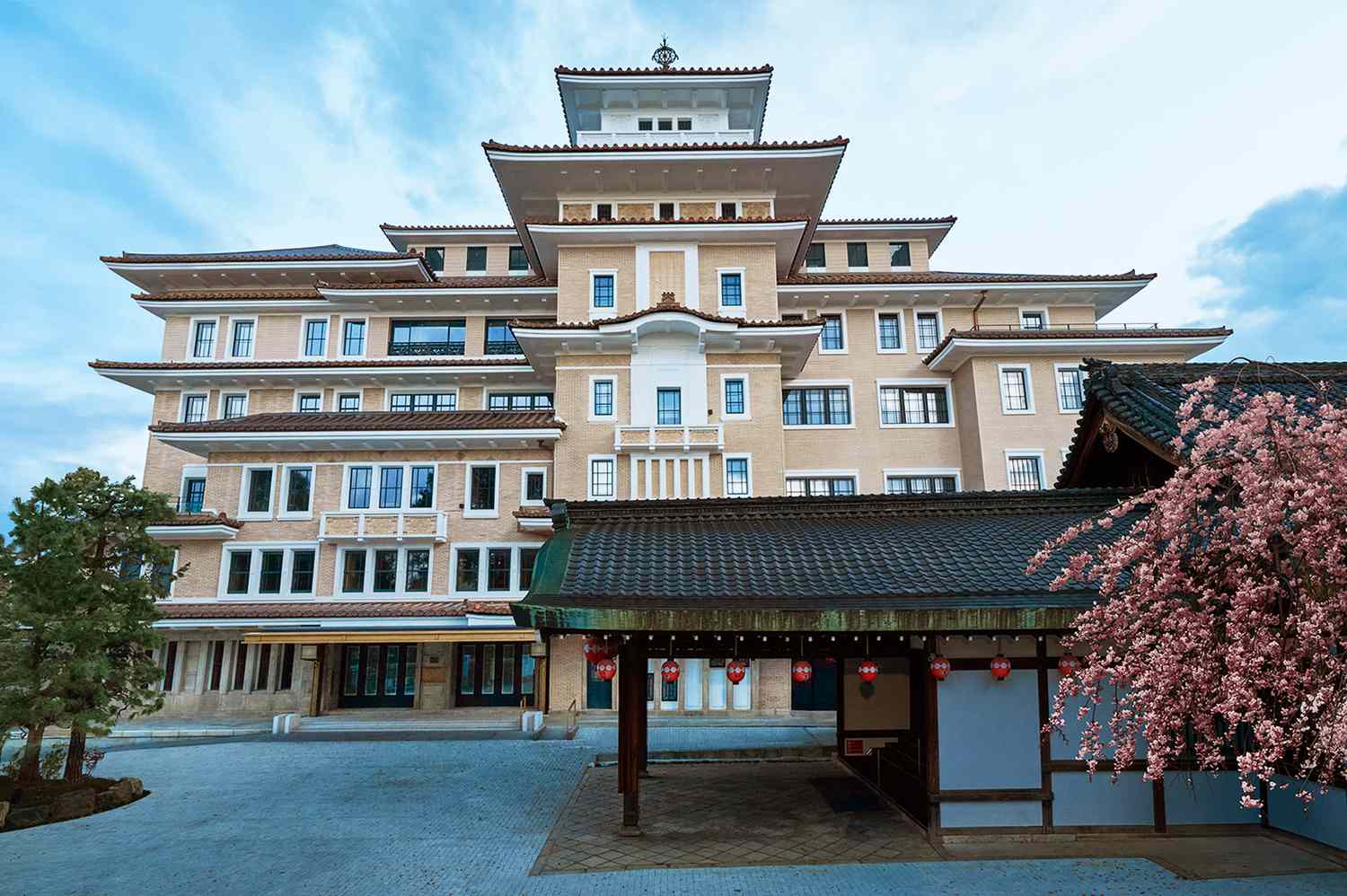
- Best for Culture Lovers: The Heritage Suites located in the restored Yasaka Kaikan main building, offering a profound connection to the 1936 architecture.
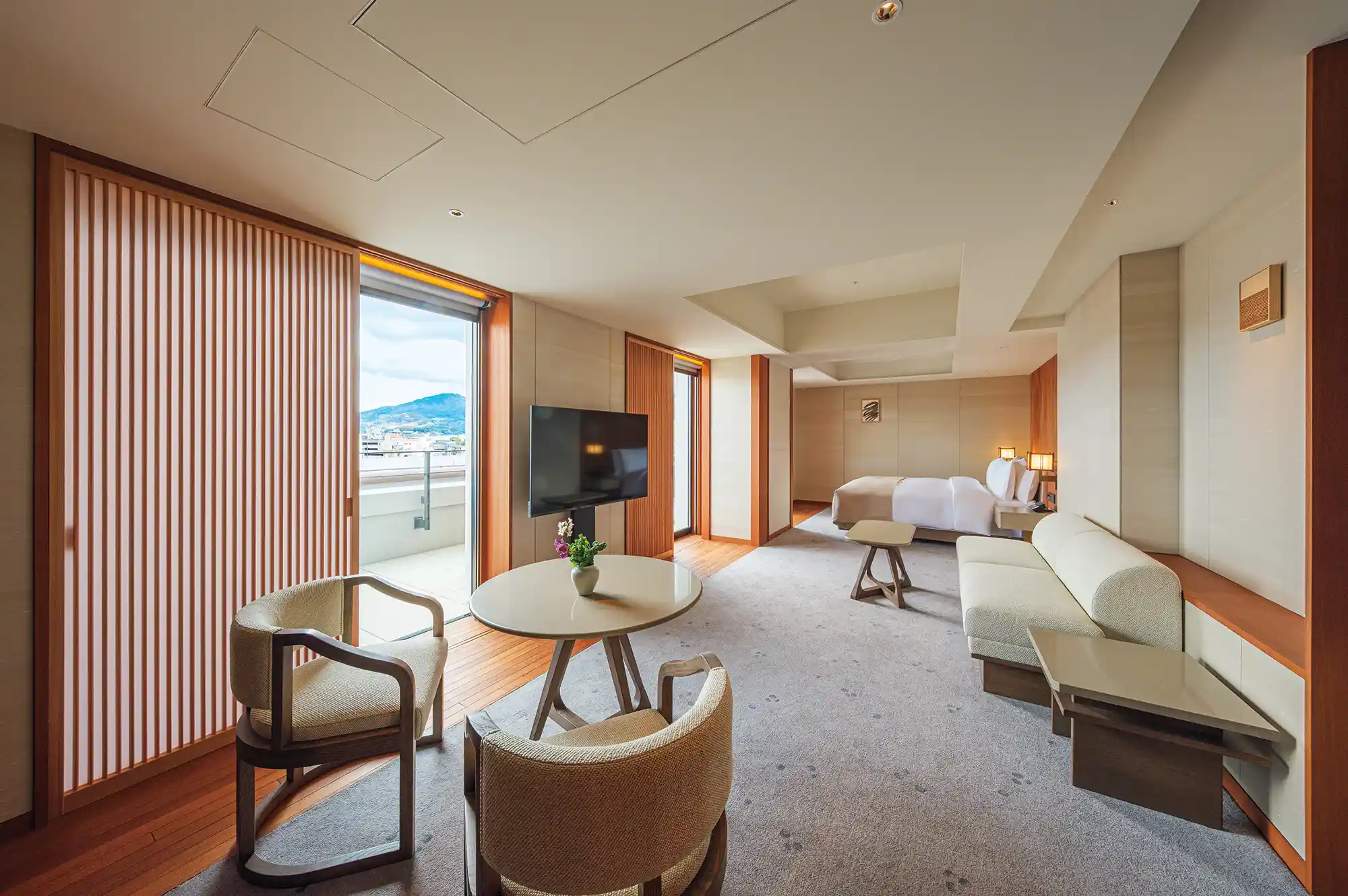
- Best for Minimalists: The North Wing rooms, which emphasize Japanese craftsmanship through aromatic wood flooring and woven bamboo blinds.
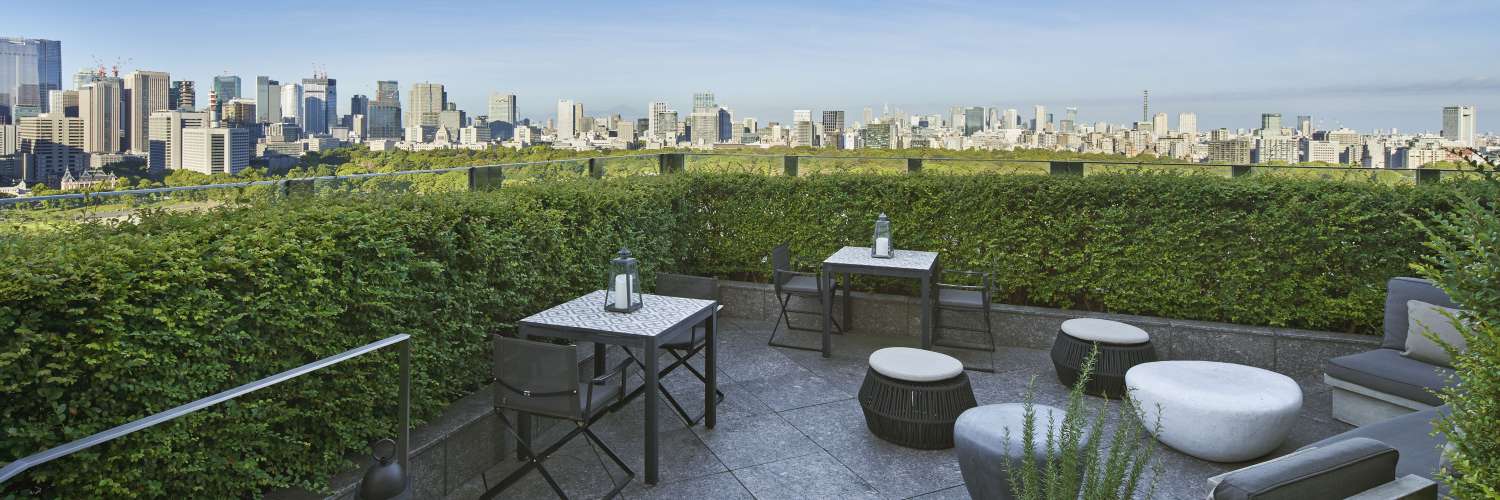
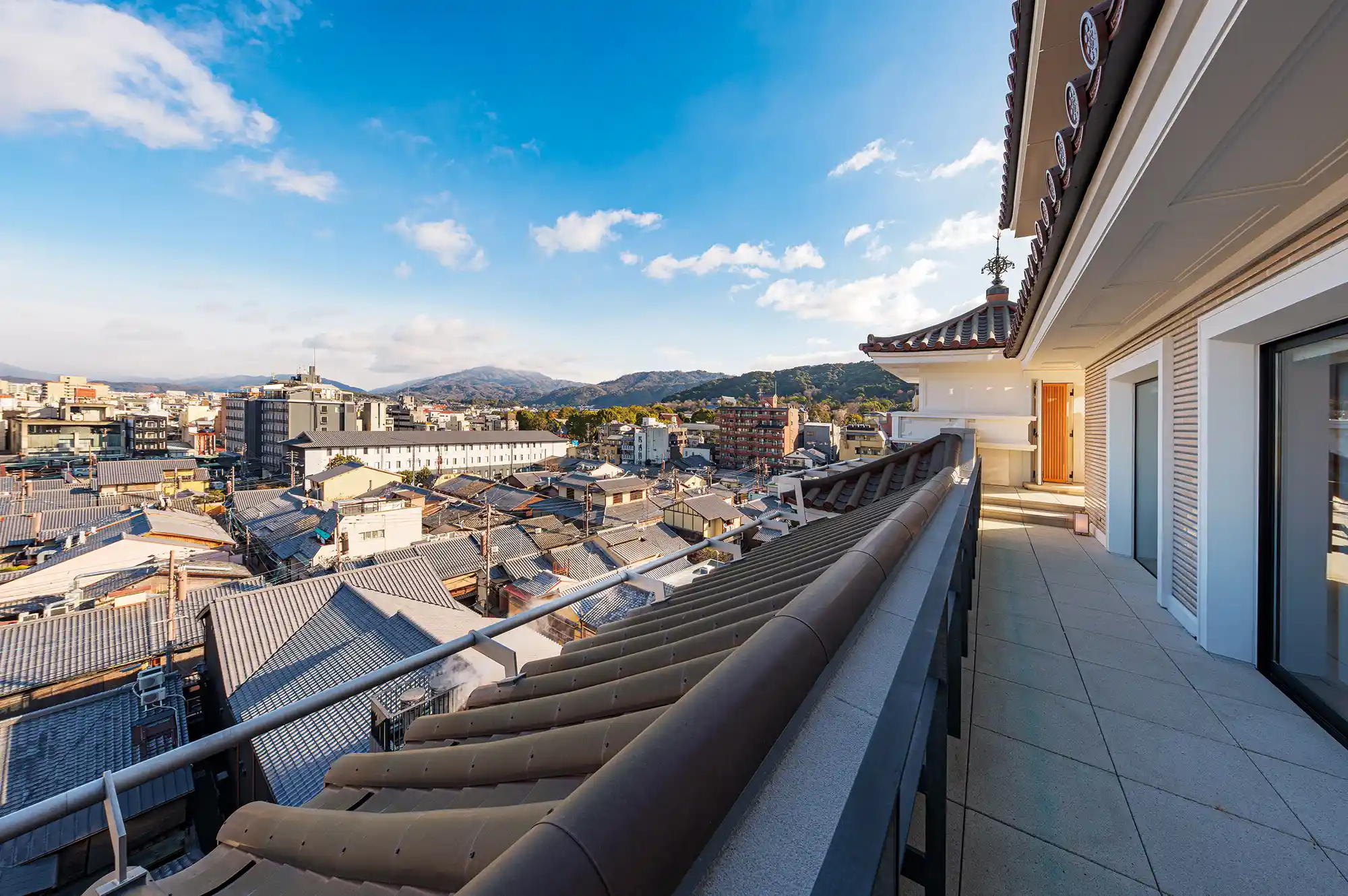
- Best Exclusive Amenity: The 24-seat guest-only rooftop bar, providing 31.5-meter views over Gion Kobu that are otherwise impossible to find in the district.
The Imperial Hotel Kyoto is a luxury boutique property housed in the restored 1936 Yasaka Kaikan theater. Managed by the legendary Imperial Hotel brand, this 55-room sanctuary offers the only 100-foot high views in Gion, serving as a cultural bridge to Kyoto's ancient traditions and standing as one of the best luxury hotels in Gion.
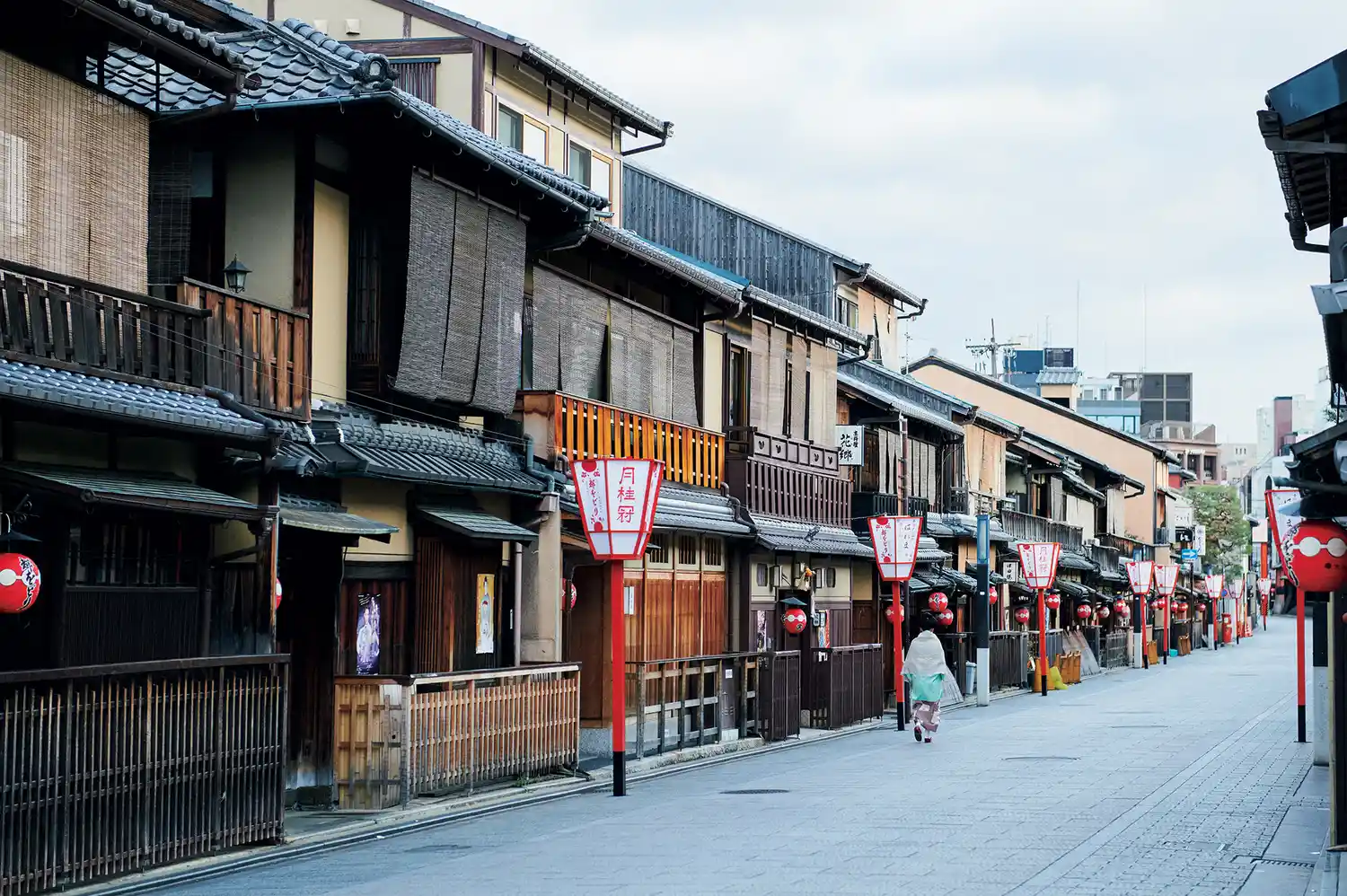
The Imperial Hotel Kyoto has finally opened its doors within the historic Yasaka Kaikan, offering a rare blend of Showa-era theater heritage and modern luxury. As one of the best luxury hotels in Gion, it provides an unparalleled vantage point over the Machiya rooftops, inviting travelers into a world where time seems to slow down. For those seeking upscale Kyoto Gion accommodation, this property represents more than just a place to sleep; it is a meticulously preserved piece of the city's soul, reimagined for the modern connoisseur of travel.
A Living Landmark: The Yasaka Kaikan Restoration
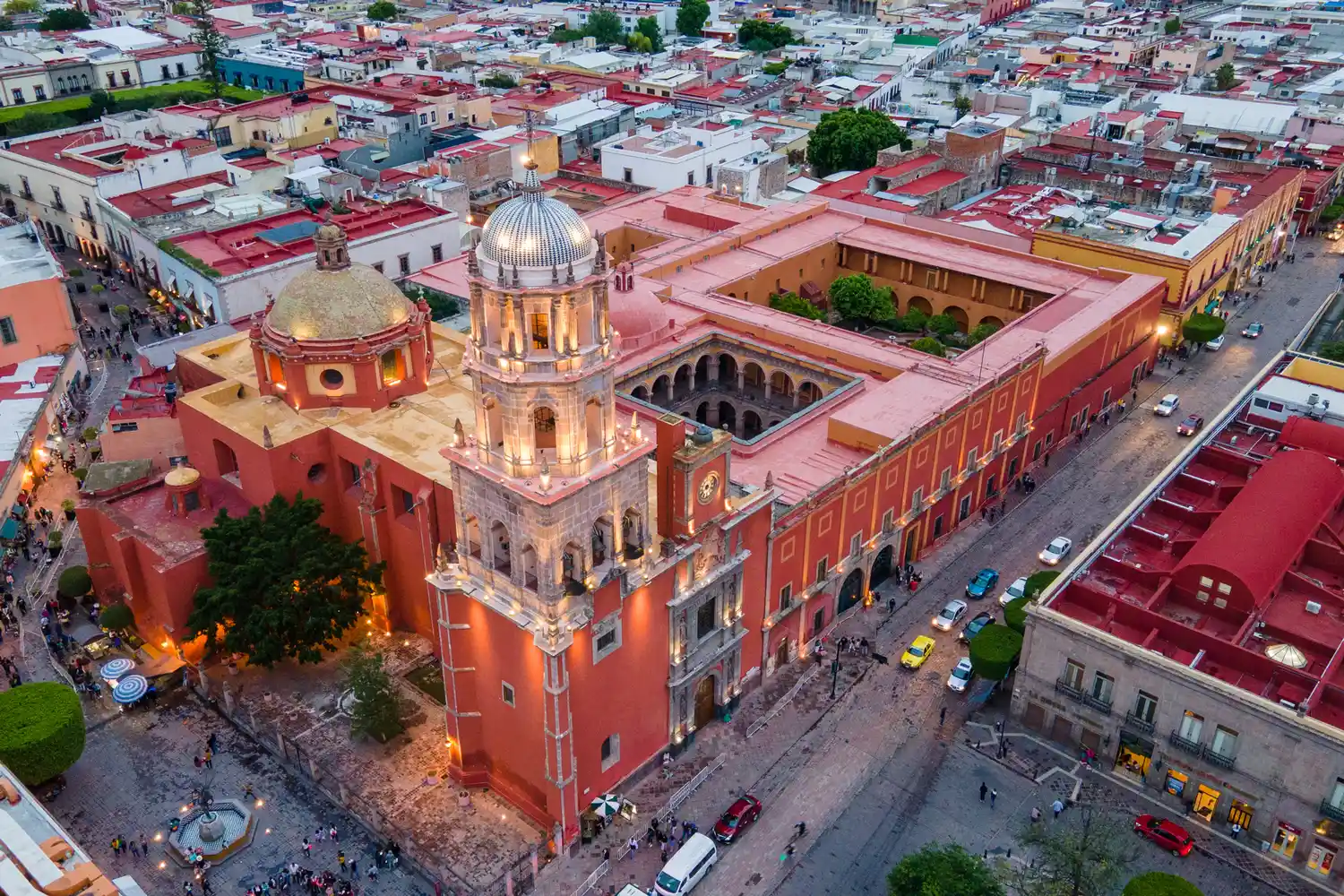
To understand the Imperial Hotel Kyoto is to understand the gravity of its provenance. The building was originally the Yasaka Kaikan, a theater completed in 1936 that served as a cultural heart for the Gion Kōbu district. Designated as a national Tangible Cultural Property, the structure demanded a restoration process that was as much an archaeological endeavor as it was an architectural one. Led by the visionary Tomoyuki Sakakida architect, the project sought to maintain the Modern Heritage of the site while introducing the refined comforts expected of a world-class sanctuary.
One of the most remarkable feats of this restoration was the preservation of the building's skin. During the renovation process, 16,387 original exterior tiles were preserved and reused to maintain the historical integrity of the building. This dedication to detail ensures that the façade remains a faithful witness to the Kyoto of nearly a century ago.
Furthermore, the hotel benefits from a unique architectural loophole. While the Gion district typically enforces a strict 12-meter height restriction to preserve its traditional skyline, the Imperial Hotel Kyoto was permitted to maintain its original stature. It is the only structure in the Gion Kobu district permitted to exceed the local restriction, with its main building reaching a height of 31.5 meters. This allows for a rare perspective—a 100-foot high vantage point that reveals the undulating gray-tiled roofs of the neighborhood and the misty Higashiyama mountains beyond.
Choosing Your Sanctuary: North Wing vs. Main Building
Selecting a room at the Imperial Hotel Kyoto requires a choice between two distinct atmospheres: the airy, modern Japanese minimalism of the North Wing or the historic, storied elegance of the main building. An Imperial Hotel Kyoto room types comparison reveals a deep respect for local materials, regardless of which wing you choose. Throughout the property, the presence of cedar, zelkova wood, and silk wallpaper creates a sensory experience that is quintessentially Kyoto.
The North Wing is designed to evoke the feeling of a modern Machiya. Rooms here are characterized by aromatic wood flooring and woven bamboo blinds that filter the afternoon light into soft, golden patterns. It is an exercise in restraint and tranquility. In contrast, the accommodations in the main building feel like a bridge to the past. The Heritage Suites, for instance, utilize the high ceilings and unique window placements of the original theater architecture, offering a sense of scale that is rare in Kyoto Gion accommodation.
| Feature | Main Building (Heritage) | North Wing (Contemporary) |
|---|---|---|
| Design Inspiration | 1936 Showa-era Theater | Traditional Kyoto Machiya |
| View Orientation | Panoramic Gion & Mountains | Serene Courtyard & Neighborhood |
| Key Materials | Restored silk, heritage hardware | Cedar, zelkova, bamboo blinds |
| Atmosphere | Grand, historical, evocative | Warm, minimalist, aromatic |
| Signature Room | Yasaka Suite (1,108 sq ft) | North Wing Terrace Rooms |
For the ultimate indulgence, the Imperial Suite features a private terrace equipped with a tatami gazebo. Here, you can sit and watch the lantern light of Hanamikoji Street begin to flicker as dusk falls, all while surrounded by the impeccable Omotenashi hospitality that has defined the Imperial brand for over a century. These exclusive guest amenities at Imperial Hotel Kyoto ensure that every stay feels like a private residence rather than a hotel room.
Culinary Poetry and the Grotto Spa
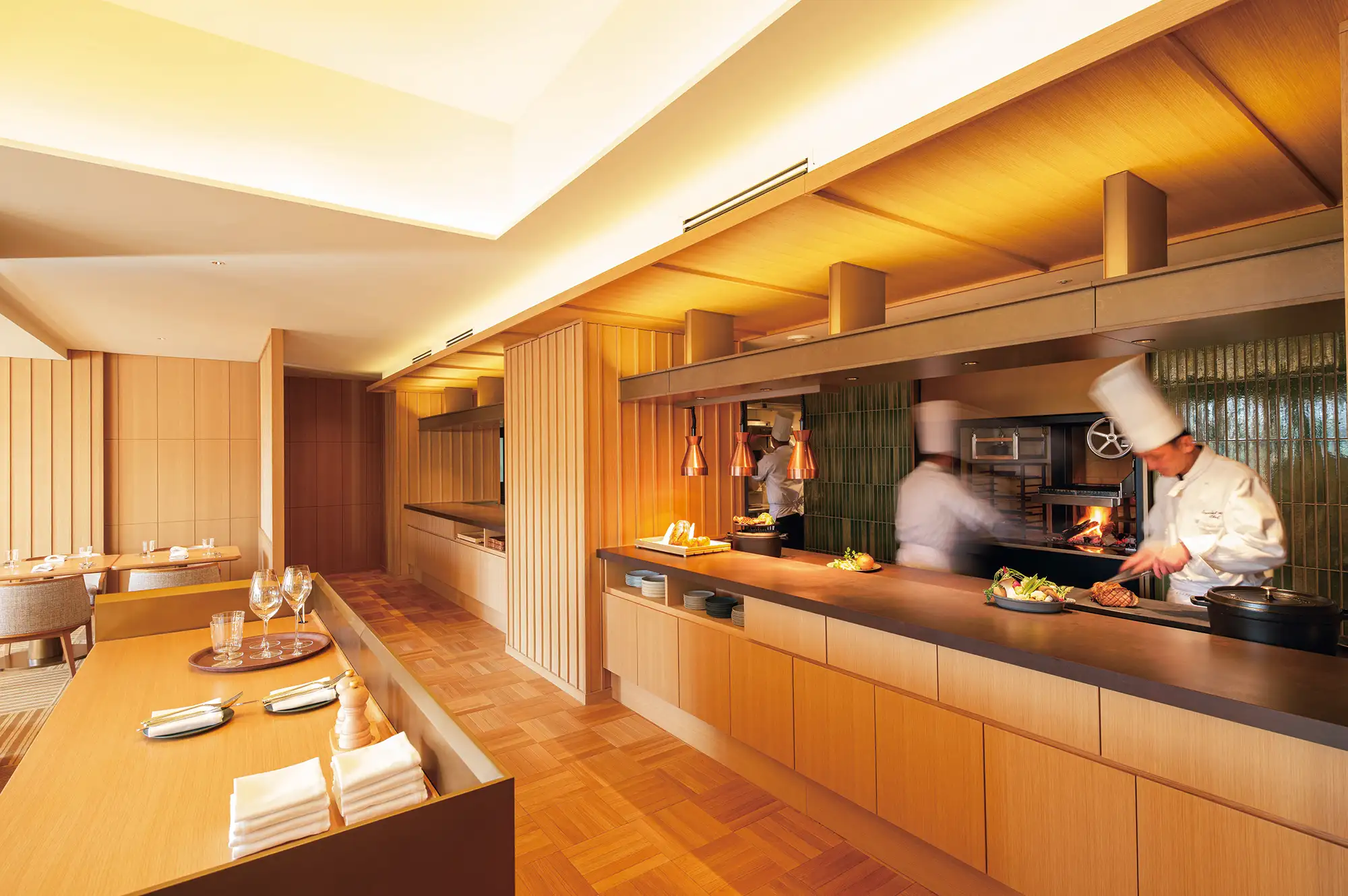
Dining at the Imperial Hotel Kyoto is an exploration of the seasons, far removed from the standard hotel fare. The signature restaurant, Ren, introduces a French dining guide that is uniquely adapted to the Japanese landscape. The menu follows the 24 solar terms, a traditional East Asian calendar that divides the year into 24 distinct micro-seasons. This allows the chefs to highlight the exact moment of peak flavor for local ingredients, such as Kyoto bamboo shoots in the spring or the delicate sweetness of fall persimmons.
This French fine-dining approach provides a sophisticated contrast to the Kaiseki dominance of the surrounding Gion district. The open kitchen at Ren allows guests to witness the ballet-like precision of the culinary team, turning each meal into a performance.
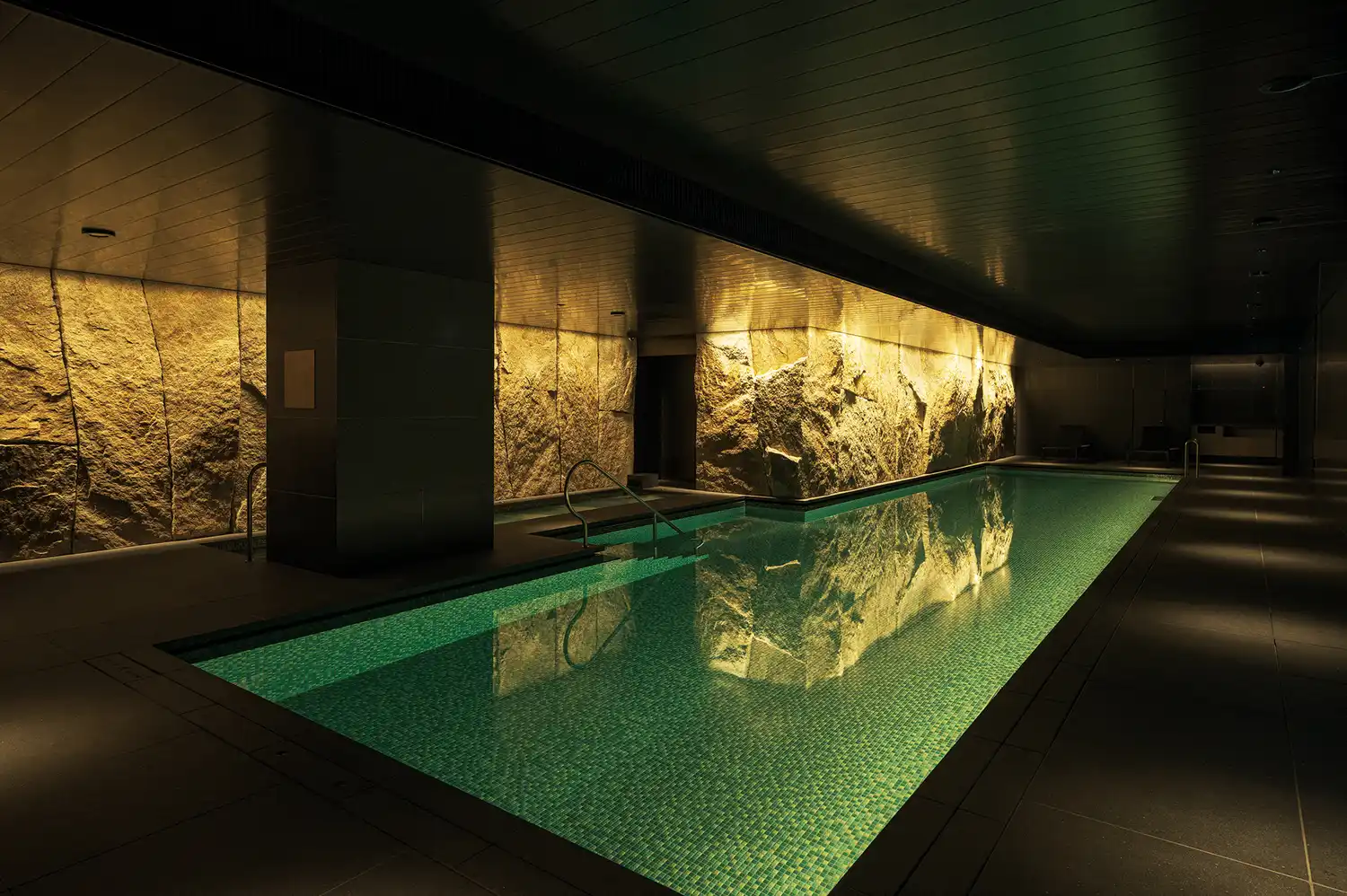
After a day of exploring the winding alleys of Gion Kōbu, the hotel's wellness facilities provide a dramatic retreat. The underground swimming pool is designed to evoke a secluded cave or grotto, offering a subterranean sanctuary that feels worlds away from the city above. The pool area features massive 1.5-ton boulders sourced from Shikoku Island, adding a raw, elemental energy to the space. This Imperial Hotel Kyoto underground pool and spa review would be incomplete without mentioning the evocative lighting, which mimics the way sunlight filters into a hidden spring, creating an ethereal atmosphere for relaxation.
The Gion Gatekeeper: Exclusive Cultural Access
What distinguishes the Imperial Hotel Kyoto from other properties, such as the nearby Park Hyatt Kyoto, is its role as a gatekeeper to the often-opaque world of Gion culture. While Park Hyatt offers spectacular hillside views, the Imperial Hotel Kyoto sits directly within the fabric of the Gion Kobu district, sharing a wall with the very theater where the legendary Miyako Odori (Cherry Blossom Dance) is performed.
The hotel's concierge team acts as a vital link to the Geiko and maiko culture. Guests have access to exclusive seating at the Miyako Odori and can arrange for private, concierge-led Maiko encounters within the hotel's refined event spaces. This Imperial Hotel Kyoto concierge maiko experience guide highlights the property's commitment to "Modern Heritage"—preserving customs not as museum pieces, but as living, breathing experiences.
For a quiet moment of reflection, the hotel offers a guest-only rooftop lounge. At 31.5 meters high, it provides a panoramic perspective of the city that is simply unavailable elsewhere in Gion. Sipping a signature cocktail while looking down upon the historic Gion Kōbu district creates a profound sense of connection to the city's history. It is a place to contemplate the enduring beauty of Kyoto, far above the bustle of the crowds.
Logistics and Luxury Planning
The Imperial Hotel Kyoto is a boutique gem within the legendary hotelier’s portfolio, quite a contrast to the grand-scale "Grand Old Lady" flagship in Tokyo. It features just 55 guest rooms and suites, ensuring an intimate level of service. The property officially opened on March 5, 2026, and reservations are highly sought after, particularly during the cherry blossom and autumn foliage seasons.
Pricing for this sanctuary typically starts at 164,500 JPY per night, reflecting its status as a premier luxury landmark. For those arriving from Kyoto Station, the most seamless experience is a short taxi ride, which brings you directly to the elegant arrival area hidden away from the main thoroughfare of Hanami-koji.
Editor’s Tip: If you are traveling as a single family and need multiple interconnected rooms, be sure to book well in advance. Due to the boutique nature of the property and the constraints of the historic 1936 building, the hotel excels at romantic escapes and cultural pilgrimages rather than large-group logistics.
FAQ
When is the Imperial Hotel Kyoto scheduled to open?
The property officially opened its doors to guests on March 5, 2026, marking a significant milestone in the restoration of the Gion district.
What is the history of the building housing the Imperial Hotel Kyoto?
The hotel is located within the restored Yasaka Kaikan, a structure originally built in 1936 as a theater and cultural center. It is a registered Tangible Cultural Property of Japan, and the restoration project was careful to preserve over 16,000 of its original exterior tiles.
How many rooms does the Imperial Hotel Kyoto have?
This is a boutique-scale property with only 55 guest rooms and suites, offering an intimate and highly personalized experience for guests.
What are the dining options at the Imperial Hotel Kyoto?
The main dining venue is Ren, a French fine-dining restaurant that creates menus based on the 24 solar terms. The hotel also features the Old Imperial Bar for classic cocktails and an exclusive guest-only rooftop lounge.
How does the Imperial Hotel Kyoto compare to the Imperial Hotel Tokyo?
While the Tokyo flagship is a grand, large-scale hotel with hundreds of rooms, the Kyoto property is a boutique "Modern Heritage" hotel. It focuses on integrating into the historical Gion neighborhood and offers a more intimate atmosphere compared to the bustling metropolitan feel of the Tokyo location.