Quick Facts
- Distance: 2,704 miles (4,352 km) between Sydney and Perth.
- Duration: 4 days/3 nights (Westbound) or 5 days/4 nights (Eastbound).
- World Record: 297 miles of perfectly straight track across the Nullarbor Plain.
- New for 2026: High-luxury Australis and Aurora suites launch.
- Service Levels: Platinum, Gold Twin, and Gold Single.
- Atmosphere: All-inclusive slow travel through the diverse Australian Outback.
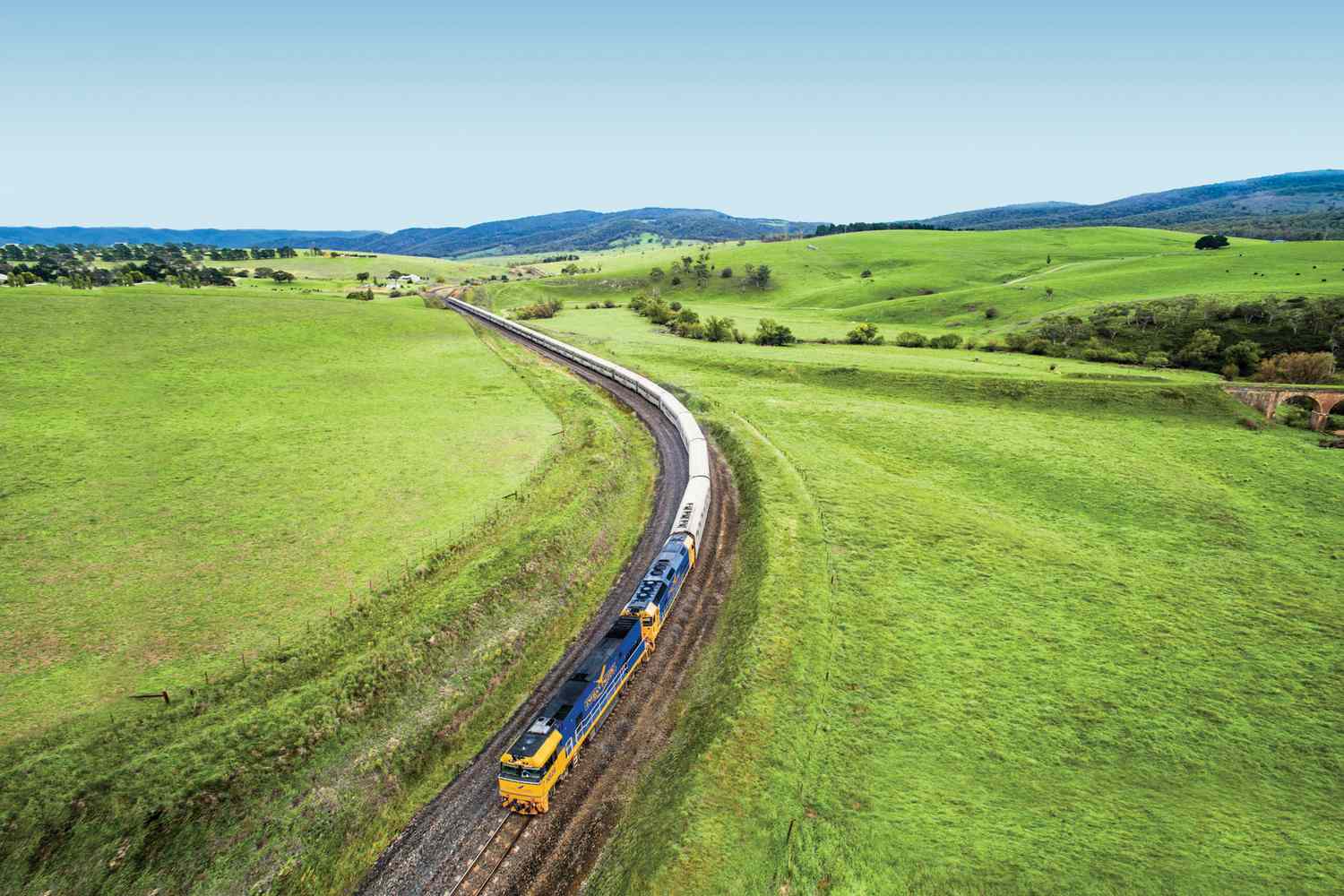
The Indian Pacific train represents one of the world's most epic rail adventures, a 4,352-kilometer (2,704-mile) transcontinental crossing between Sydney and Perth. Whether you are traversing the legendary Nullarbor Plain or enjoying all-inclusive dining in the Blue Mountains, this guide covers the essential logistics for 2026 travelers. This all-inclusive experience features regional dining and off-train excursions in locations such as Broken Hill, Adelaide, and the gold-mining hub of Kalgoorlie, offering a sophisticated window into the heart of the continent.
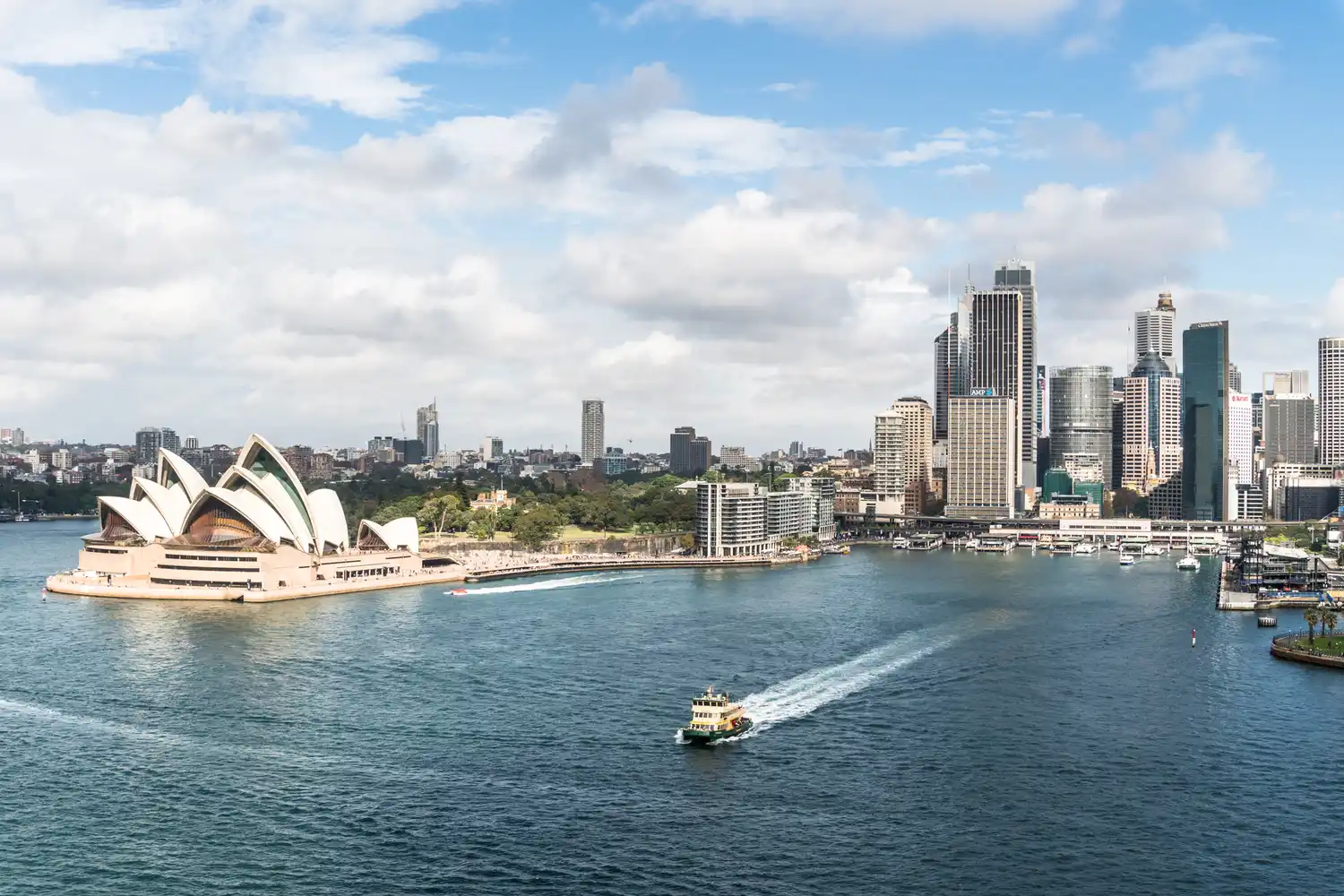
Traveling Australia by the Numbers
To understand the scale of this Australia coast-to-coast train trip, one must look at the geography. The route covers a total of 4,352 kilometers (2,704 miles), making it one of the longest rail journeys in the world. As the train moves away from the coast, it traverses a 478-kilometer (297-mile) section across the Nullarbor Plain, which stands as the longest straight stretch of railway track on the planet.
A full one-way journey on the Indian Pacific typically takes between 65 and 75 hours to complete, spanning four days and three nights of immersive travel. Along the way, you pass through towns that redefine the word remote; the railway outpost of Cook has a resident population of just four people, while Rawlinna, a key stop for starlit dinners, is home to only two.
Choosing Your Route: Eastbound vs. Westbound
The decision between traveling Sydney to Perth or Perth to Sydney involves more than just a change in direction; it alters the rhythm and duration of your experience.
The Westbound journey (Sydney to Perth) is often the choice for those who want to watch the scenery build in intensity. After departing the Pacific coast, the train climbs into the sandstone ridges of the Blue Mountains. This direction is characterized by a specific schedule that allows for a morning arrival in Adelaide and a late-night arrival in Kalgoorlie.
Conversely, the Eastbound journey (Perth to Sydney) is slightly longer, often spanning five days. Many seasoned travelers prefer the Indian Pacific train east to west vs west to east logic because the Eastbound route offers a different perspective on the Nullarbor Plain, including a classic sunrise experience at Rawlinna. While the landscapes remain the same, the timing of the off-train excursions changes, meaning you might see a sunset in one direction that you would see at dawn in the other.
Regardless of the direction, the train provides a profound sense of slow travel. It is a transition from the lush, temperate east through the arid red center and finally into the Mediterranean climate of Western Australia.
Cabin Categories: From Gold Service to 2026 Luxury Suites
The onboard experience on the Indian Pacific train is partitioned into service levels that dictate your cabin size, dining access, and lounge privileges. Understanding Indian Pacific cabin categories is essential for matching the journey to your expectations of comfort.
The most popular choice is Gold Service. In the Gold Twin configuration, compact cabins feature a 3-seater lounge that converts into upper and lower sleeping berths by night. These cabins include a small private en-suite bathroom. For solo travelers, the Gold Single offers a cozy longitudinal bed and shared bathroom facilities at the end of the carriage. Both Gold tiers provide access to the Queen Adelaide Restaurant, where seasonally inspired menus reflect the regions the train is passing through.
For those seeking more space, Platinum Service offers cabins nearly double the size of Gold Service. These cabins feature panoramic windows, allowing you to watch the Outback landscapes unfold from the comfort of a full-size lounge by day, which transforms into double or twin beds by night. Platinum guests also enjoy access to the Platinum Club, a dedicated lounge and dining car serving premium wines and multi-course meals.
Looking ahead to 2026, Journey Beyond Rail is introducing the Australis and Aurora suites. These represent a new pinnacle of luxury rail travel in Australia. These ultra-luxury suites will feature queen-sized beds, separate sitting areas, and enhanced en-suite bathrooms, alongside exclusive benefits such as private station transfers.
Comparison of Service Tiers
| Feature | Gold Service | Platinum Service | Australis & Aurora Suites (2026) |
|---|---|---|---|
| Cabin Type | Twin or Single Berths | Double or Twin Beds | Queen Bed |
| Bathroom | Private (Twin) / Shared (Single) | Full En-suite | Premium En-suite |
| Window Size | Large Picture Window | Panoramic Floor-to-Ceiling | Panoramic Floor-to-Ceiling |
| Dining | Queen Adelaide Restaurant | Platinum Club | Platinum Club / In-Suite Option |
| Space | 35 - 55 sq ft | Approx. 82.5 sq ft | Maximum Space / Sitting Area |
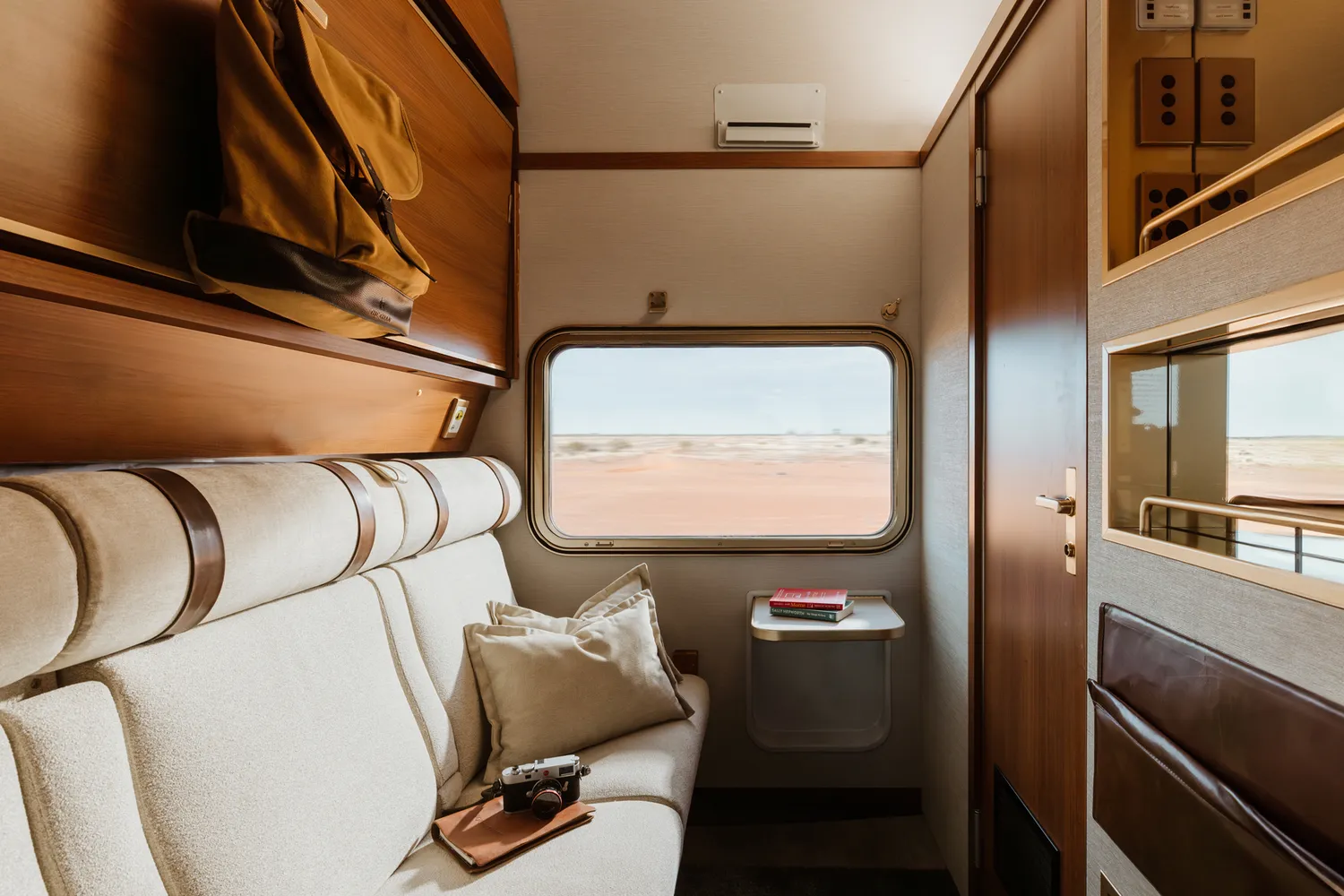
When debating Indian Pacific gold service vs platinum service, the primary difference lies in the cabin footprint and the exclusivity of the dining car. Platinum Service offers a more residential feel, whereas Gold Service maintains the classic, snug charm of traditional rail travel. For the ultimate upgrade, the Indian Pacific luxury suites Australis and Aurora amenities will include refined interior finishes and additional personalized service.
The Itinerary: Top Off-Train Excursions
The beauty of the transcontinental crossing is that the experience is not confined to the tracks. The Indian Pacific stopover guide highlights a series of curated excursions that allow passengers to stretch their limbs and engage with the local history.
The first major stop for those heading west is Broken Hill. Known as the Silver City, this town was built on the world’s largest silver, lead, and zinc deposit. A visit here often includes exploring the Living Desert Reserve and the famous Sculptures Symposium, where massive sandstone carvings sit atop a hill overlooking the vast Barrier Ranges.
As the train enters South Australia, Adelaide provides a different sensory experience. Travelers can choose to explore the city’s North Terrace cultural precinct or take a gourmet detour. The best Indian Pacific off train excursions guide always includes the Barossa Valley or McLaren Vale wine regions. These excursions allow you to sample world-class Shiraz while learning about the region’s German and British agricultural roots.

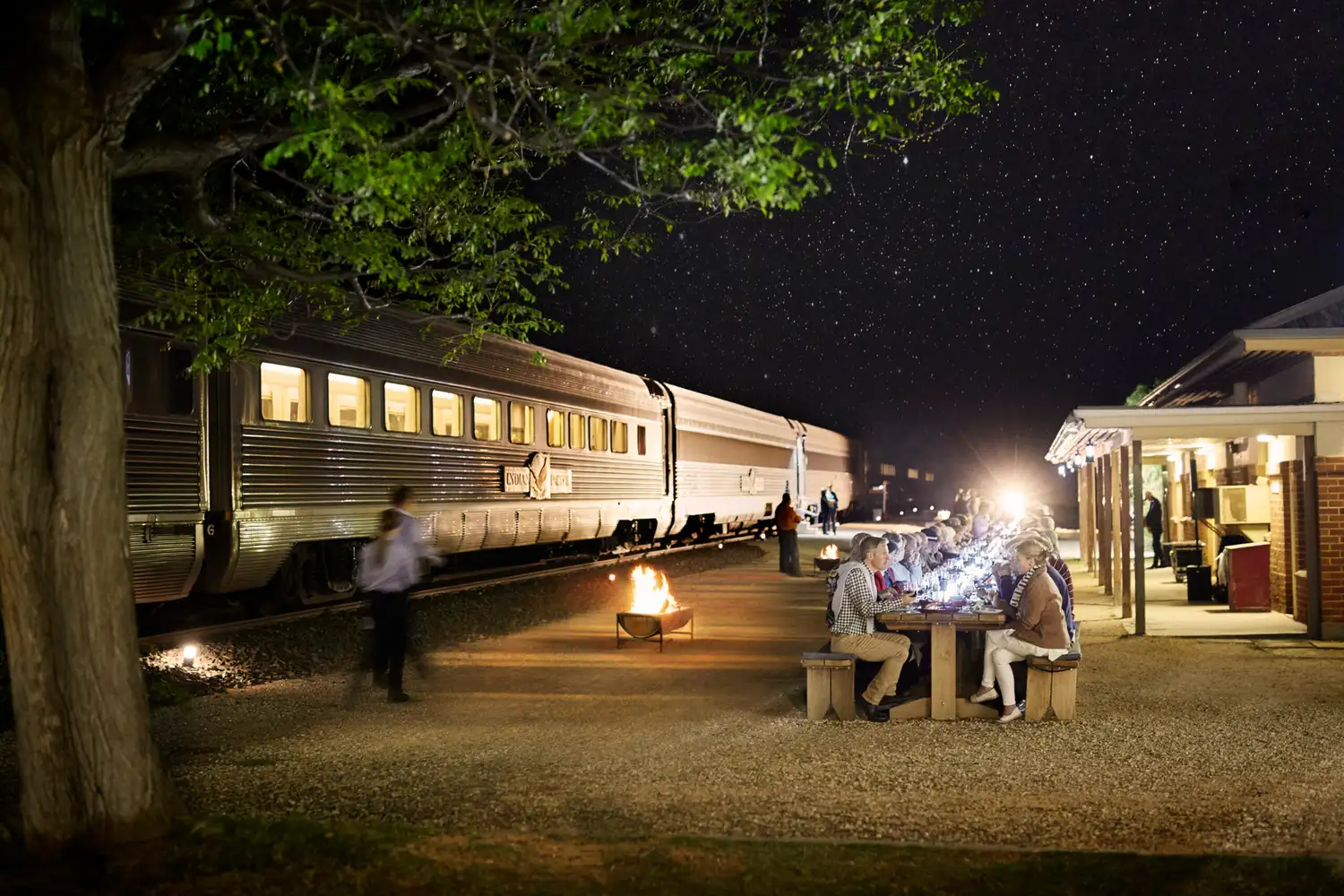
The journey then moves into the most legendary part of the Trans-Australian Railway: the Nullarbor Plain. Here, the train stops at Rawlinna or Cook. These are not towns in the traditional sense, but remote outposts. In Rawlinna, the crew sets up a long-table dinner on the station platform under a canopy of stars. It is an evocative experience, eating regional fare in the middle of a desert that stretches for thousands of miles in every direction.
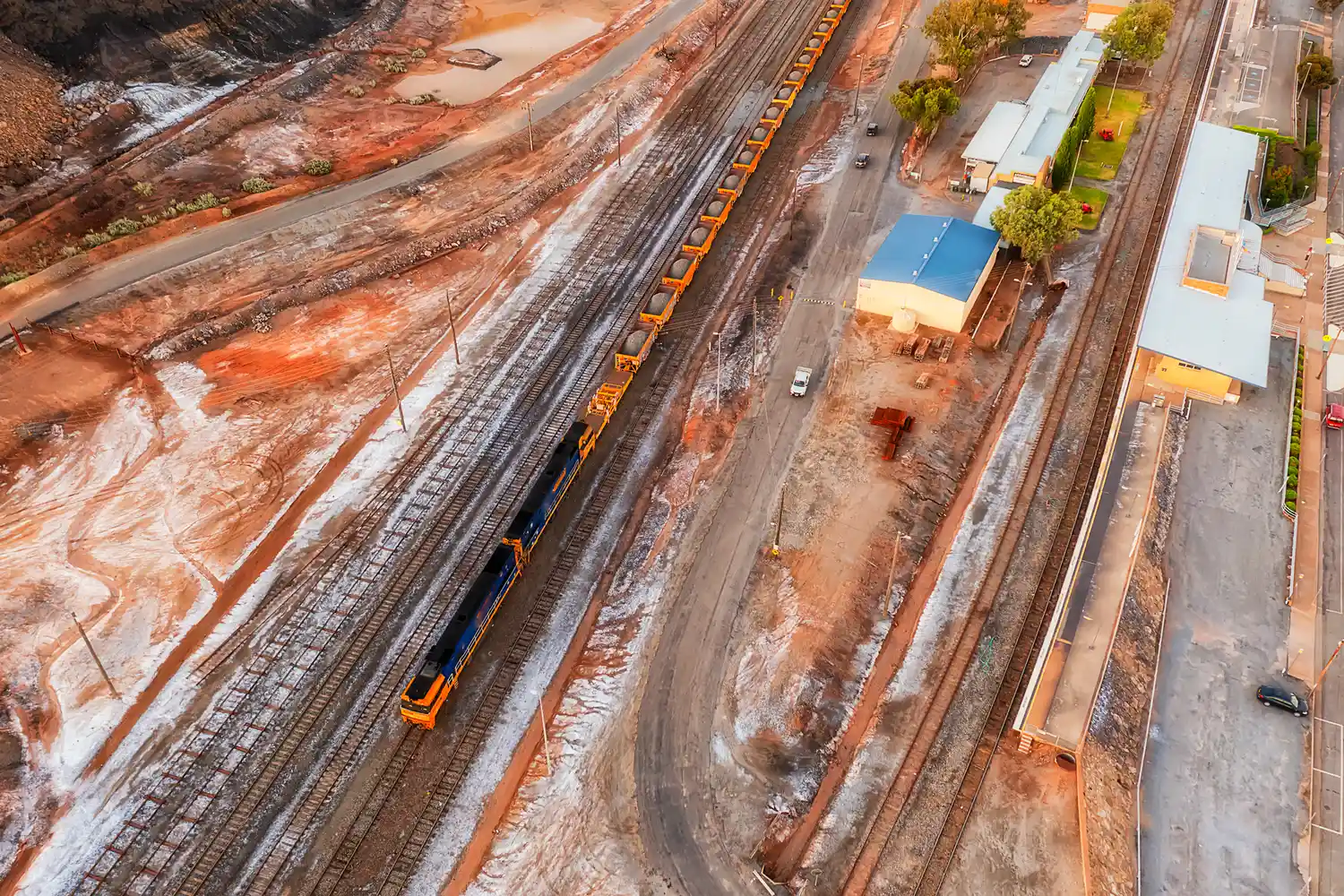
The final leg involves a stop in Kalgoorlie, the heart of the Western Australian goldfields. Here, you can witness the sheer scale of the Super Pit, one of the world's largest open-cut mines, which operates 24 hours a day to extract the gold that has defined this region since the late 19th century.
Planning Essentials: Best Time and Packing Tips
Preparation is key for a four-day journey across such varying climates. The best month to travel on Indian Pacific train is typically during the Australian autumn (March to May) or spring (September to November). During these months, the daytime temperatures in the Outback are mild, making it comfortable to participate in the walking tours in Broken Hill or the wine tastings in Adelaide.
Winter journeys offer crisp air and stunningly clear night skies for stargazing, but the temperatures on the Nullarbor Plain can drop below freezing once the sun sets. Summer travel (December to February) can be intense, with temperatures often exceeding 40 degrees Celsius (104 degrees Fahrenheit), though the train’s air conditioning provides a reliable sanctuary.
When considering what to pack for Indian Pacific train trip, the most important rule involves your bags. There are strict Indian Pacific train luggage allowance and rules because cabin space is limited. Each passenger is permitted checked luggage (up to 30kg per bag), which is stored in a dedicated van and is inaccessible during the journey. For your cabin, you should use soft-sided luggage or a small carry-on. Hard suitcases are difficult to store in the compact Gold Service cabins.
Finally, manage your digital expectations. While the train is a feat of engineering, it passes through some of the most remote geography on earth. Mobile connectivity is largely limited to the Telstra network and even then, only near towns. Most of the journey across the Nullarbor is a digital detox. There is no Wi-Fi on board, encouraging passengers to look out the window or strike up a conversation in the Outback Explorer lounge.
FAQ
How long does the journey on the Indian Pacific take?
A full one-way trip between Sydney and Perth typically takes between 65 and 75 hours. This spans four days and three nights for the Westbound route, and can extend to five days and four nights for the Eastbound route depending on the specific seasonal schedule.
What stops does the Indian Pacific train make?
The train makes several strategic stops for off-train excursions and technical requirements. Key locations include Broken Hill in New South Wales, Adelaide in South Australia, and the remote railway outposts of Cook and Rawlinna on the Nullarbor Plain. The final stop before Perth is the gold-mining city of Kalgoorlie.
What is the difference between Gold and Platinum cabins?
Gold cabins focus on clever use of space with berths that fold away into seating and smaller en-suite bathrooms. Platinum cabins are roughly double the size, featuring double or twin beds that do not need to be folded away for seating, much larger panoramic windows for viewing the landscape, and access to the exclusive Platinum Club lounge.
What is the best time of year to ride the Indian Pacific?
The optimal times are the shoulder seasons of autumn (March to May) and spring (September to November). These periods offer the most temperate weather for excursions, avoiding the extreme heat of the desert summer and the biting cold of the winter nights in the Outback.
Are there off-train excursions included in the price?
Yes, the Indian Pacific is an all-inclusive experience. The price of your ticket includes all onboard meals, beverages, and a variety of off-train excursions at each major stop. Some locations offer multiple excursion options, allowing you to choose between cultural tours, nature walks, or culinary experiences.
Is there a luggage limit for the Indian Pacific train?
Yes, passengers can check in up to two bags of 30kg each, but these are stored in the luggage car and cannot be accessed during the trip. For the cabin, you are encouraged to bring a small overnight bag. Soft-sided bags are highly recommended as they are easier to store in the overhead compartments or under seats than rigid suitcases.