Quick Facts
- Organization Founded: Water.org, co-founded in 2009 by Matt Damon and Gary White.
- Primary Focus: Addressing the global water and sanitation crisis through innovative financial models.
- Impact Milestone: As of October 2024, the organization has reached more than 70 million people with access to safe water or sanitation.
- Core Innovation: The WaterCredit system, a microfinance solution that empowers local communities to fund their own long-term water solutions.
- Global Need: Projections for 2026 suggest 239 million people will require aid due to a combination of climate change and conflict, creating a $33 billion funding gap.
- Key Partners: Collaborative efforts with organizations like UNICEF and the Food and Agriculture Organization (FAO) to maximize humanitarian aid impact.
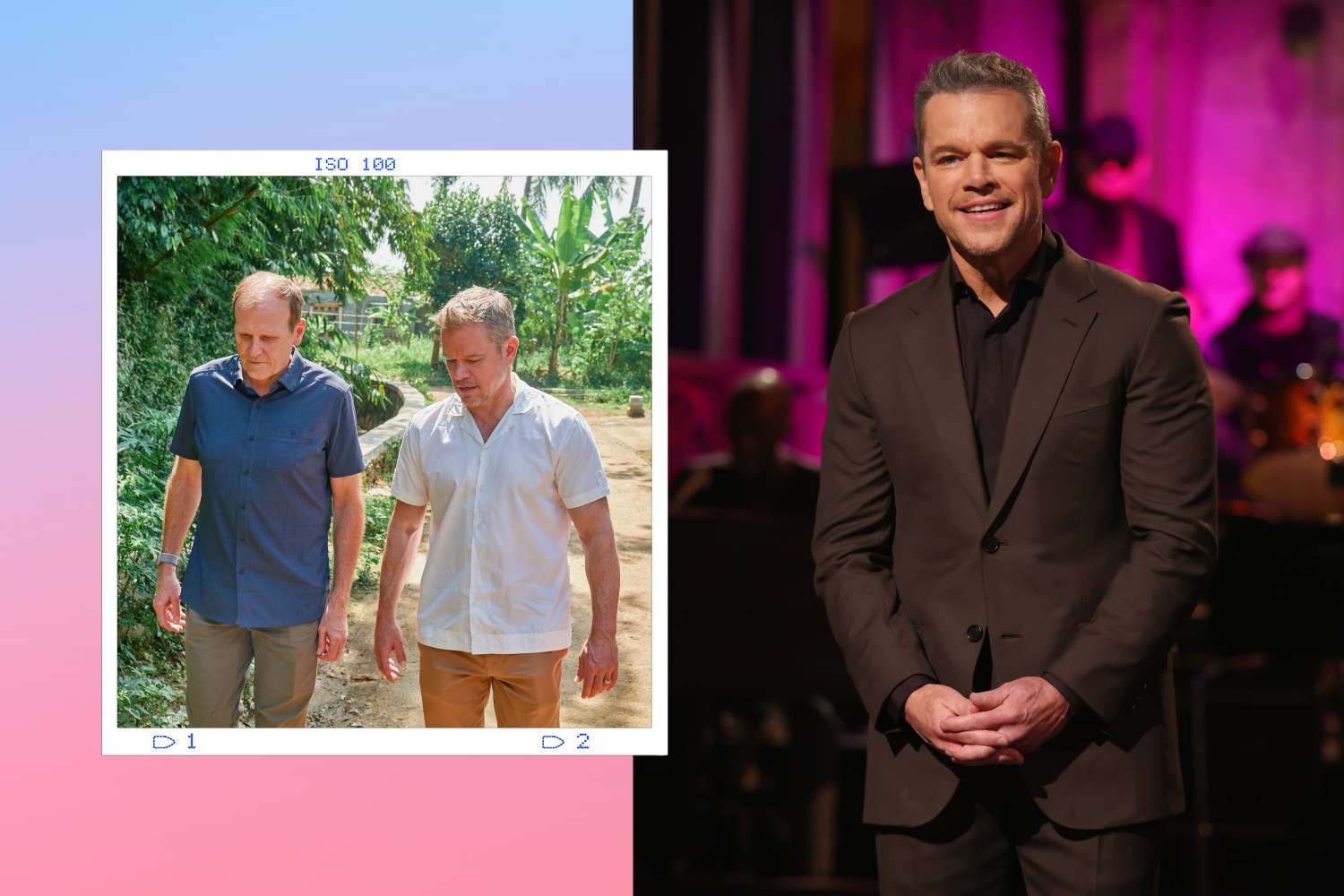
Matt Damon contributes to global humanitarian efforts primarily through Water.org, an organization he co-founded with Gary White. His humanitarian mission focuses on solving the global water and sanitation crisis by providing access to clean water through innovative microfinance solutions like the WaterCredit system. Through celebrity advocacy and social impact partnerships, Damon works to empower local communities in developing nations by creating sustainable access to essential resources.
The Mexico Spark: How Teenage Travel Seeded a Vision
Travel has a unique way of dismantling the barriers we build between ourselves and the rest of the world. For Matt Damon, this shift began long before the bright lights of Hollywood, sparked by a single passport stamp in Cuernavaca, Mexico. At age 15, Damon embarked on a journey that would redefine his understanding of global citizenship. This was not a vacation in the traditional sense; it was a profound cross-cultural immersion facilitated by his mother, a professor of early childhood education who believed in the pedagogical power of the road.
Walking through the streets of Mexico and later Guatemala, Damon was confronted with the stark realities of the sanitation crisis and systemic poverty. These early experiences provided more than just a change of scenery; they offered a lesson in human commonality. He saw children his own age navigating a world without the safety nets he took for granted. For any young person planning an international humanitarian mission, these formative "exposure trips" are often the catalyst for a lifetime of service.
The travel tips for humanitarian work often emphasize the importance of listening over speaking. In those early years, Damon learned that the most effective way to engage with a foreign culture is to witness its challenges without judgment. This early exposure seeded the idea that a global humanitarian mission is not about "saving" people, but about removing the obstacles that prevent them from thriving. The dusty roads of Central America taught him that talent is universal, but opportunity is not—a realization that would eventually drive him to find Gary White and build a platform for sustainable change.
From Charity to Sustainability: The Zambia Field Visit
Every traveler has a "pivot point"—a moment where a destination changes your internal compass. For Damon, that moment occurred during a field visit to Zambia. While trekking through rural communities, he encountered a young girl who spent hours every day walking to collect water. This wasn't an isolated incident; it was a symptom of a broader sanitation crisis that kept children out of school and trapped families in a cycle of poverty.
Initially, Damon approached the problem through the lens of traditional charity. However, his travel through developing nations revealed a recurring flaw: many wells drilled by well-meaning humanitarian aid organizations eventually fell into disrepair because there was no local infrastructure to maintain them. He realized that to maximize humanitarian aid impact, the focus needed to shift from temporary relief to long-term resilience.
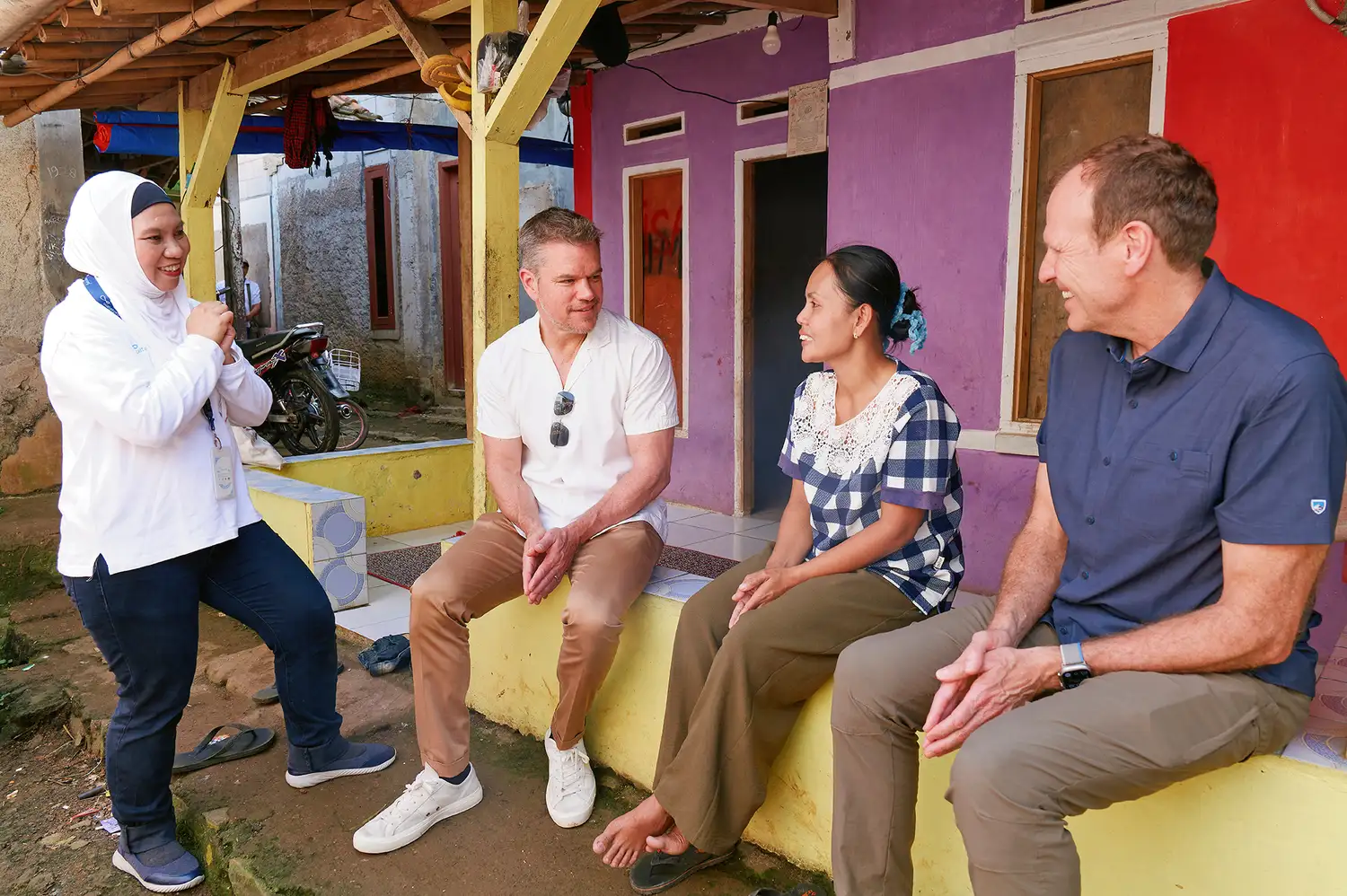
This led to the development of the WaterCredit system, a paradigm shift in how we approach humanitarian aid examples. By applying microfinance solutions to the water sector, Water.org began empowering local communities to take out small loans for water connections or toilets. These loans are paid back at high rates, and the capital is then recycled to help more families. This model proves that people living in poverty are not subjects of charity, but customers with a right to participate in their own development.
Tech Spotlight: The WaterCredit System Unlike traditional grants that provide a one-time fix, the WaterCredit system utilizes microfinance to bridge the gap between those who need water and the financial resources to obtain it. It works by partnering with local financial institutions to provide affordable loans for water and sanitation. This market-driven approach ensures that the solutions are culturally appropriate and locally maintained, creating a sustainable ecosystem of health and dignity.
The 2026 Humanitarian Landscape: Addressing the Trifecta
As we look toward the 2026 landscape, the challenges facing any global humanitarian mission are becoming increasingly complex. The sector is currently grappling with what experts call the "Trifecta of Crisis": Conflict, Climate Change, and Contagion. With a projected $33 billion funding gap, the traditional models of aid are being pushed to their limits.
Water.org's work is increasingly focused on how climate change disrupts clean water access. Droughts in sub-Saharan Africa and flooding in Southeast Asia are making sustainable development a race against time. In these developing nations, the goal is to build public health outreach programs that can withstand environmental shocks. Recent data suggests that locally led efforts are 12% more efficient at delivering aid, a statistic that underscores why Damon’s organization prioritizes local leadership.
The contemporary humanitarian mission must also account for the 239 million people globally who will likely require assistance by 2026. This scale of need requires more than just celebrity advocacy; it requires systemic change. By integrating resilience building into every project, humanitarian aid organizations can ensure that a community’s access to water doesn't vanish when the next dry season arrives or when the news cameras leave.
Leading by Example: Ways to Support Humanitarian Causes
Damon’s journey offers a roadmap for those wondering how to contribute to a better world. You don’t need to be a movie star to have a significant impact. Effective humanitarian aid instances often start with small, intentional actions that prioritize long-term solutions over short-term fixes.
If you are looking for ways to support humanitarian causes, consider the following strategies:
- Support Vetted Organizations: Look for groups that emphasize transparency and local empowerment. Notable humanitarian aid examples include UNICEF for child health, the Food and Agriculture Organization (FAO) for food security, and Water.org for sustainable water solutions.
- Engage in Social Impact Partnerships: Many brands now offer products where a portion of the proceeds goes directly to clean water access. The "Get Blue" campaign is a prime example of how everyday purchases can fund global change.
- Education and Advocacy: For students, humanitarian aid examples for students can include organizing local fundraisers or using digital platforms to raise awareness about the global water crisis.
- Prioritize Sustainable Development: When choosing where to donate, look for initiatives that focus on infrastructure and training rather than just distributing goods. This ensures that your contribution helps build a future where aid is no longer necessary.
By following these best humanitarian aid organizations to support, individuals can help close the funding gap and ensure that clean water becomes a reality for the millions still waiting for it. Damon’s story reminds us that travel is not just about seeing new places; it’s about seeing the world with new eyes and acting on what we discover.
FAQ
What is the meaning of humanitarian mission?
A humanitarian mission is a coordinated effort by organizations or individuals to provide aid, support, and protection to people in need, typically in response to crises such as natural disasters, war, or systemic poverty. The ultimate goal is to alleviate suffering, maintain human dignity, and strengthen the resilience of vulnerable populations.
What are examples of humanitarian activities?
Common humanitarian activities include providing clean water access and sanitation, delivering emergency food supplies, offering medical assistance in conflict zones, and implementing microfinance solutions to help communities build sustainable businesses. It also involves long-term projects like building schools or developing drought-resistant farming techniques.
Who is the number one humanitarian aid?
While "number one" can be subjective, the United Nations (including agencies like UNICEF and the World Food Programme) is often considered the largest provider of humanitarian aid globally. Organizations like the International Red Cross and various non-governmental organizations like Water.org also play leading roles in specific sectors like health and water security.
Where is the biggest humanitarian crisis right now?
As of late 2024 and heading into 2025, several regions face severe crises. Conflict-driven displacement and food insecurity in Sudan, the ongoing humanitarian needs in Gaza and Yemen, and the climate-induced challenges in the Horn of Africa are currently among the most urgent situations requiring global attention.
Who is eligible for humanitarian assistance?
Eligibility is generally based on need rather than political or social affiliation. People displaced by war, victims of natural disasters, and those living in extreme poverty without access to basic necessities like clean water or healthcare are the primary recipients of humanitarian assistance. Organizations prioritize those who are most vulnerable, including children, the elderly, and the displaced.