Quick Facts
- 2025 Status: Officially named Italy’s Borgo dei Borghi (Village of Villages).
- UNESCO Status: Part of the Late Baroque Towns of the Val di Noto since 2002.
- Top Attraction: Sanctuary of Santa Maria La Stella featuring Andrea della Robbia’s Nativity.
- Culinary Must-Try: Cassatelline della zia monaca and prickly pear mostarda.
- Best Access: The Treno della Ceramica historic train ride from Catania.
- Unique Experience: Gourmet dining in authentic private home restaurants.
- Cultural Landmark: The Abbey of San Benedetto, the third-largest Benedictine monastery in Sicily.
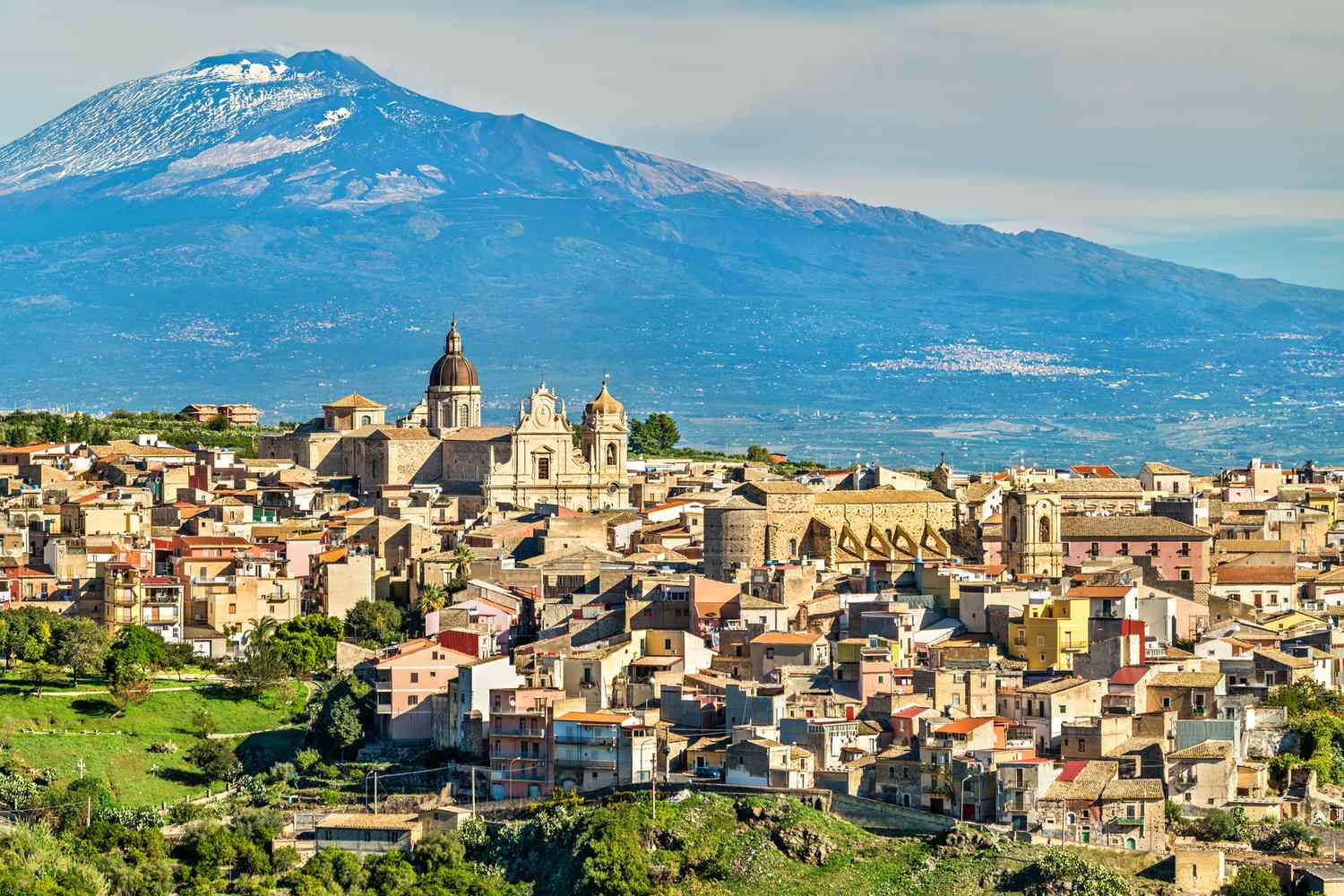
Militello Val di Catania is a UNESCO-listed town in southeastern Sicily, recently crowned Italy's Borgo dei Borghi for 2025. This architectural treasure, rebuilt in honey-colored limestone after the 1693 earthquake, offers a quieter, more authentic immersion into the Val di Noto region's Baroque heritage than its famous neighbor, Noto.
The Glory of Borgo dei Borghi 2025: Why Militello is Trending
There is a specific kind of golden light that only dances across the Iblean plateau in the late afternoon, a warmth that seems to emanate from the stone itself rather than the sky. For years, this radiance was a secret kept by the locals of Militello Val di Catania. However, the secret was unveiled to the world when the town was officially named Italy’s Borgo dei Borghi 2025, topping a prestigious national competition broadcast on Rai Italia.
The Rai Italia broadcast, hosted by Camila Raznovich, saw this Sicilian jewel beat out twenty other historic contestants for the title. The victory has sparked a tourism bloom across the southeastern Sicily countryside, as travelers look for undiscovered Sicilian hidden gems that offer a respite from the over-trafficked coastal hubs. Winning this title isn't just about aesthetics; it is a recognition of a community that has meticulously preserved its soul, from the rhythmic clinking of ceramic glazes to the slow-simmered sauces of its kitchens.
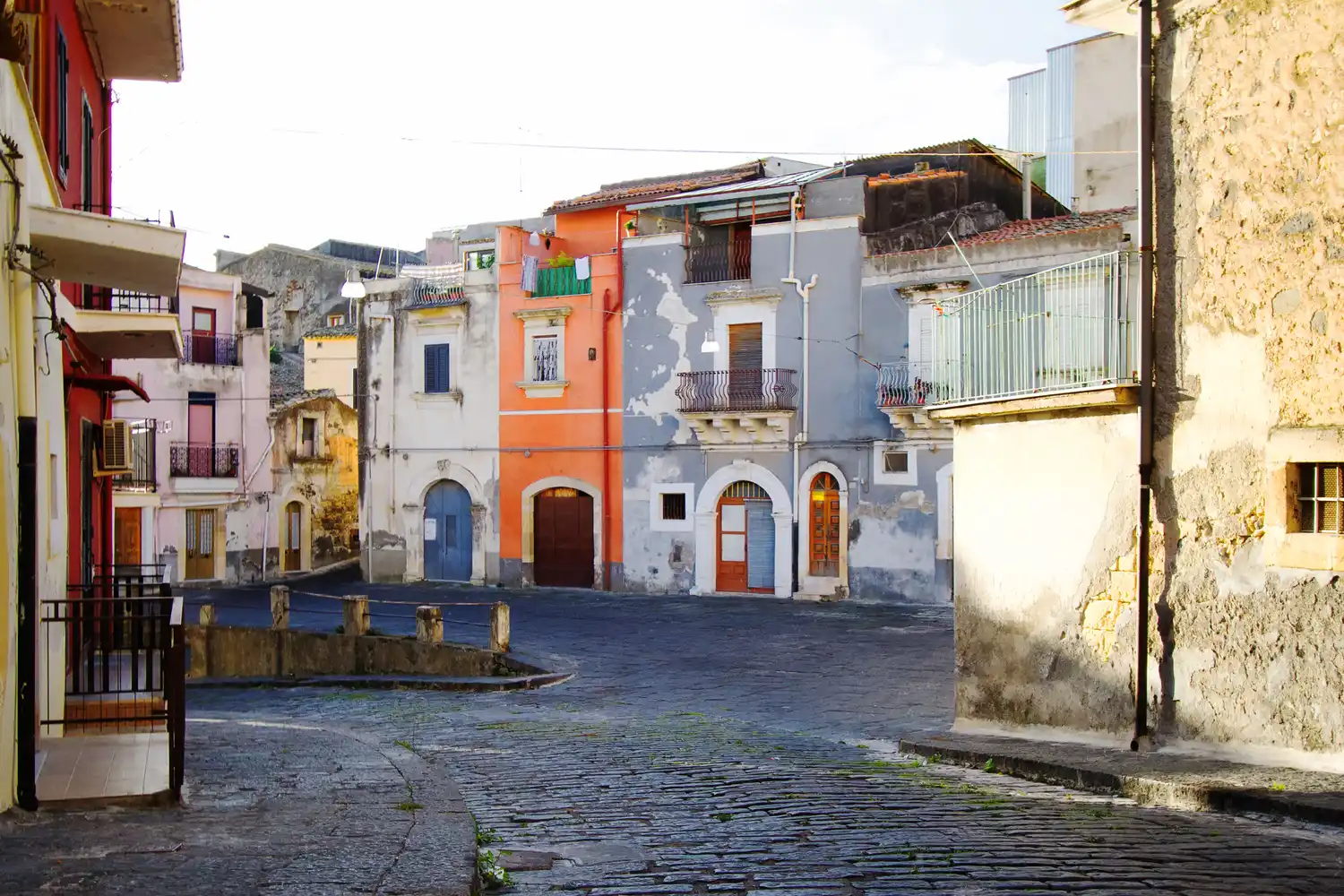
As you walk through the central square, you can feel the weight of this new accolade. It is a town that has suddenly found itself on every enthusiast's Militello Val di Catania travel guide for first-time visitors, yet it remains stubbornly, wonderfully itself. The locals still gather in the shadows of the palazzi to discuss the harvest, and the scent of citrus blossoms still dominates the air.
Echoes of 1693: A Masterclass in UNESCO Baroque Architecture
To understand the face of Militello Val di Catania, one must understand the tragedy that birthed it. In 1693, a cataclysmic earthquake leveled much of southeastern Sicily. This disaster became the unexpected catalyst for the late Baroque reconstruction, a period of feverish artistic rebirth that transformed the region. In 2002, Militello was inscribed on the UNESCO World Heritage List as one of the eight Late Baroque Towns of the Val di Noto, a testament to the architectural ambition of the era.
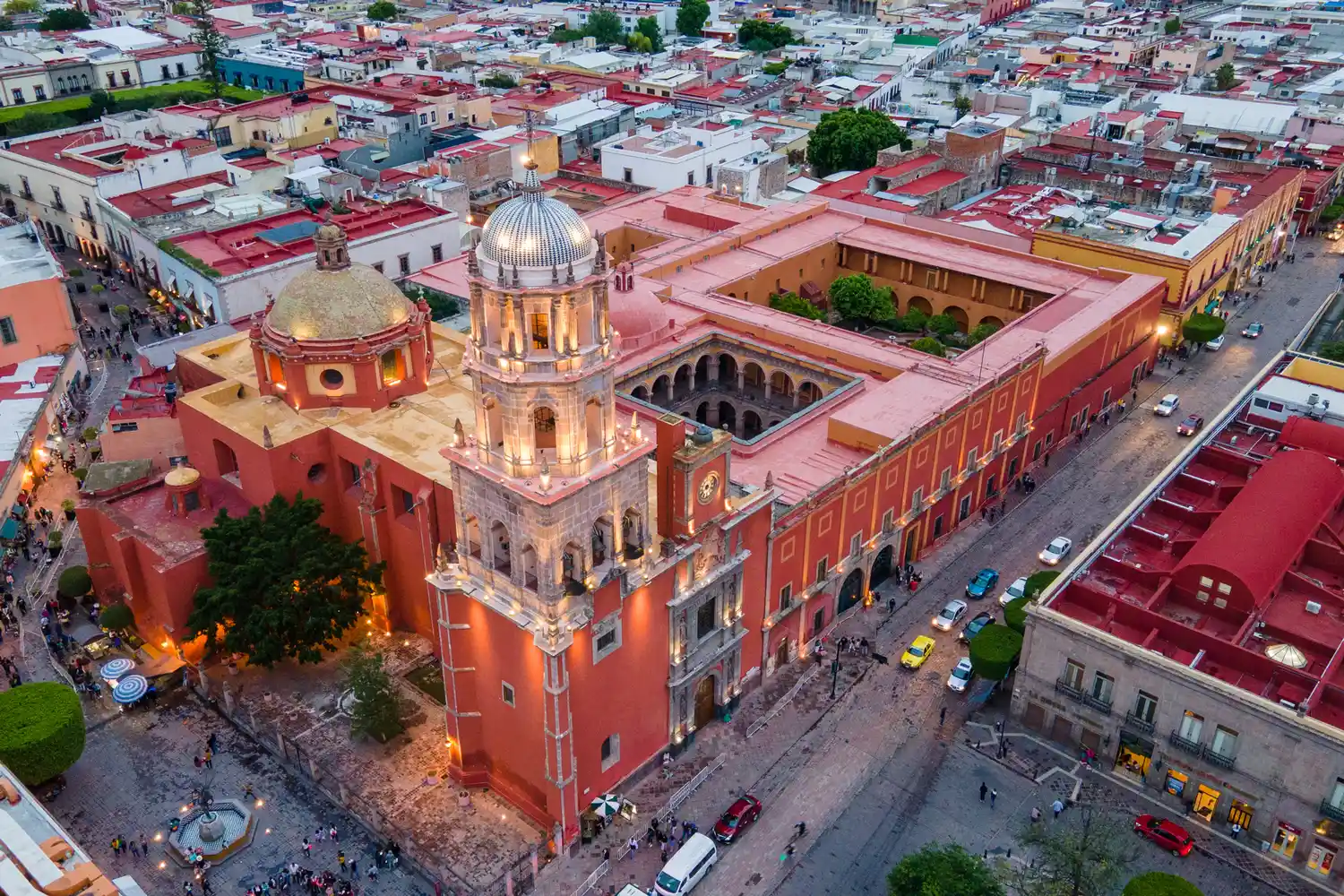
Unlike the basalt-heavy, charcoal-hued streets of Catania, Militello was built primarily with honey-colored limestone. This choice of material gives the town a theatrical luminescence. On a UNESCO Baroque architecture walking tour in Militello, the visual narrative is one of triumph over ruin.
The Sacred Landmarks
One cannot discuss the town’s heritage without mentioning the Mother Church of San Nicolò and the Sanctuary of Santa Maria la Stella. The former boasts the first reinforced concrete dome in Sicily—a daring engineering feat for its time—while the latter is a feast for the eyes. Behind its ornate facade lies a wealth of art, including a stunning terracotta Nativity by Andrea della Robbia.
The town's architectural heritage is staggering, featuring over twenty churches and numerous noble palaces, highlighting the power of the ruling Barresi and Branciforte families. Among these, the former Abbey of San Benedetto stands out; it is recognized as the third-largest Benedictine monastery in Sicily. Walking through its cloisters, you can almost hear the echoes of the monks' footsteps against the polished stone.
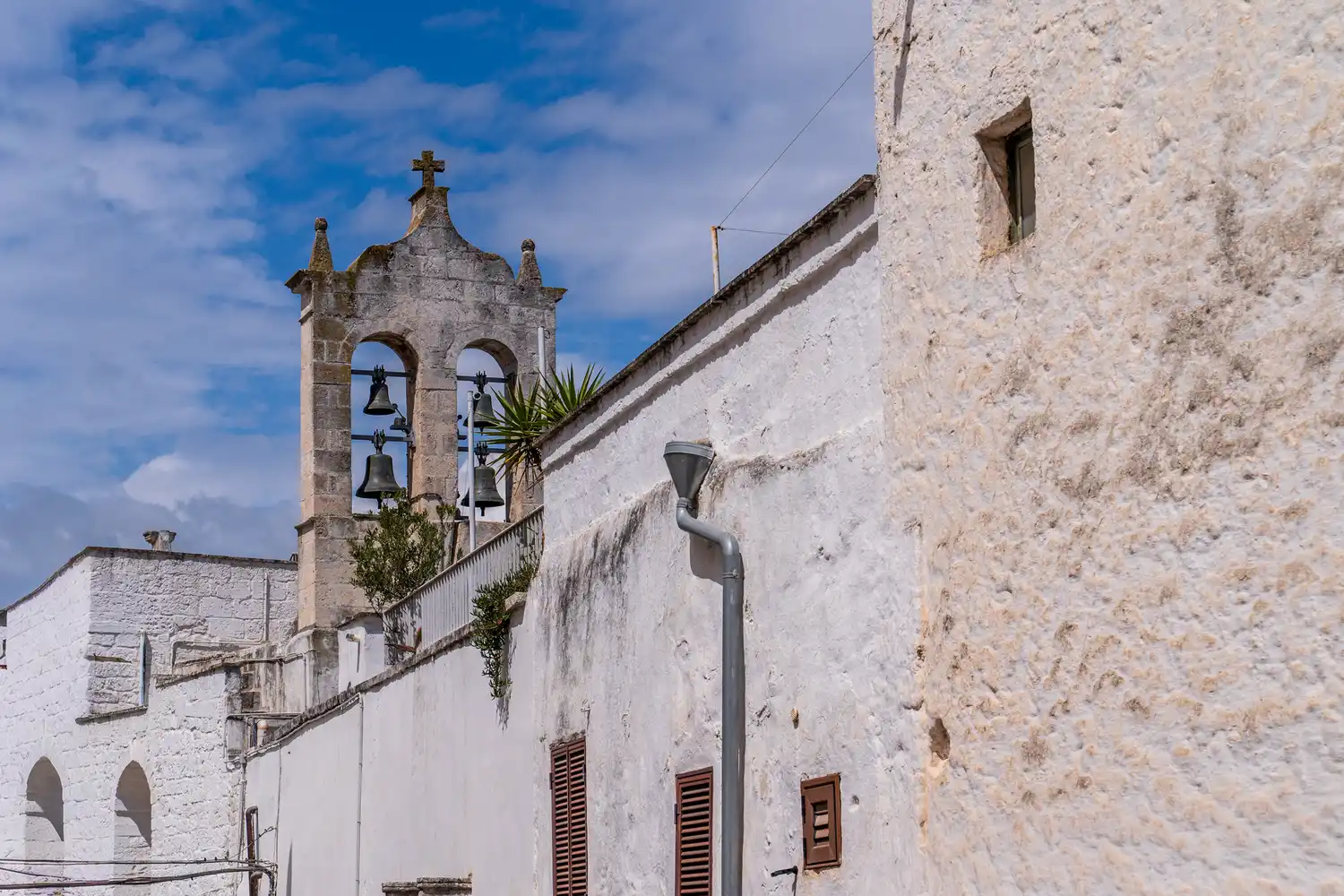
The noble palazzi, such as Palazzo Baldanza-Denaro, flanking the main thoroughfares, are characterized by their "mascheroni"—grotesque stone masks carved into the balconies to ward off evil spirits. These details transform a simple stroll into a vivid history lesson, illustrating why Militello Val di Catania is considered an open-air museum of UNESCO Baroque architecture Val di Noto.
Savoring the Slow Life: Home Restaurants and Niche Delicacies
For me, the true heart of any destination is found in its kitchen. In Militello, the culinary scene is defined by a beautiful intimacy. Recently, a culture of authentic home restaurant experiences in Militello Val di Catania has flourished. Establishments like Il Vicolo tra i Santi allow travelers to dine in private residences, where recipes are passed down like precious family heirlooms.
The flavors here are deeply tied to the Sicilian hinterland. You might be served scacciata, a savory stuffed flatbread that varies from house to house, or pasta dressed with wild fennel and toasted breadcrumbs. But it is the sweets that truly capture the town's spirit.
- Cassatelline della zia monaca: These are not your standard Sicilian cassata. These delicate pastries are filled with a mixture of chocolate, almonds, and traditional spices, historical recipes supposedly perfected by "Aunt Nun."
- Mostarda di Fichi d'India: In the autumn, the scent of prickly pear jelly filling the air is unmistakable. This mostarda is a thick, dark preserve often enjoyed with local cheeses, capturing the essence of the sun-drenched hills.
- Brioche col tuppo and Almond Granita: No morning in Sicily is complete without this staple. The brioche, with its characteristic "hat" (tuppo), is the perfect vessel for scooping up velvety almond or coffee granita.
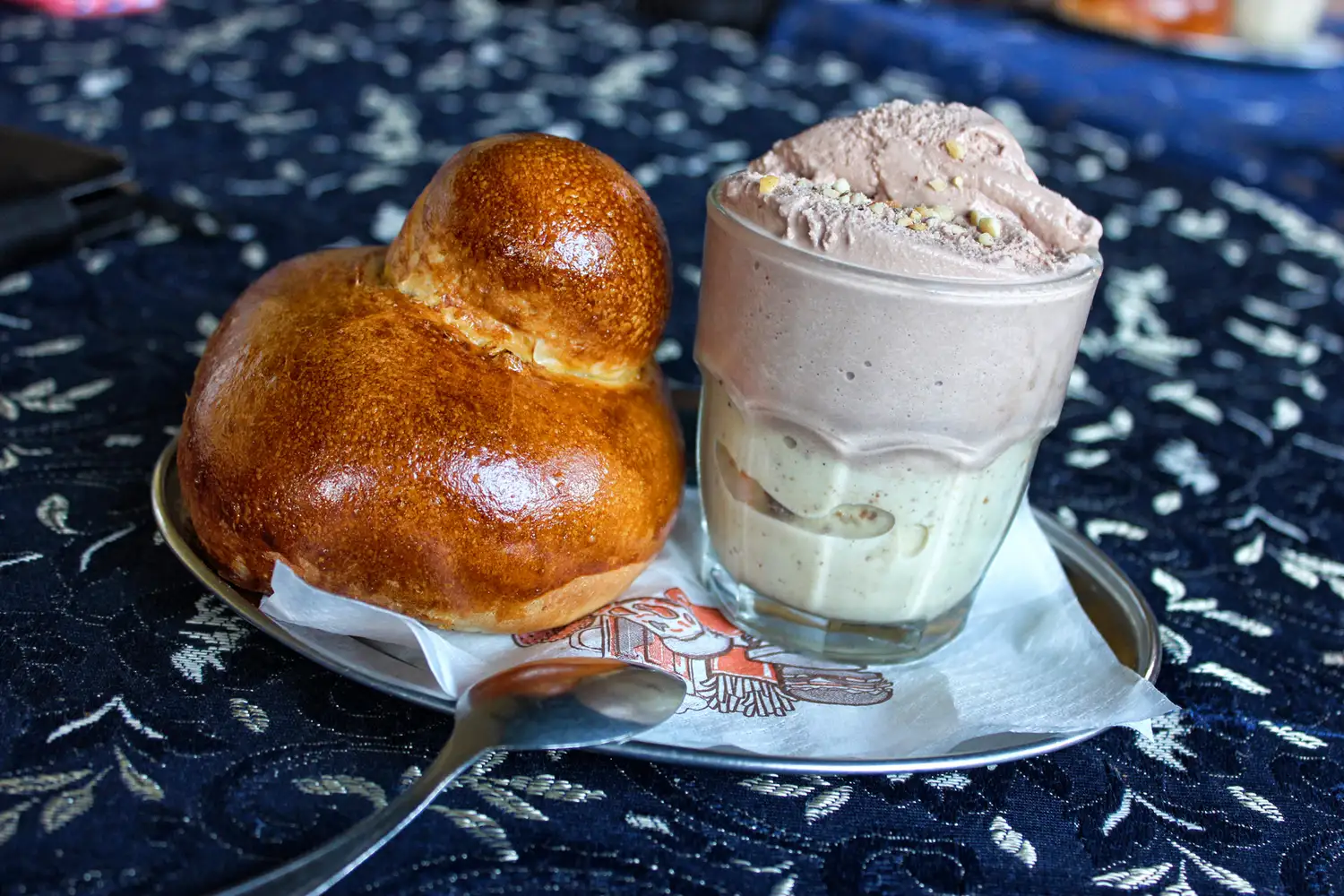
Sitting in a local cafe, watching the world go by with a glass of blood orange juice, you realize that Militello offers something the more famous coastal towns have lost: the luxury of time. This is slow food at its most literal and most profound.
Beyond the Piazzas: Oxena Waterfalls and Medieval Legends
While the Baroque center is the main draw, the surroundings of Militello Val di Catania offer a different kind of beauty. The town is perched on the edge of the Iblean plateau, where the landscape breaks into rugged canyons and lush river valleys.
A short journey from the town center leads to the Cascate dell’Oxena waterfalls. Visiting Cascate dell’Oxena waterfalls near Militello is a sensory shift; the dry heat of the town is replaced by the cool mist of falling water and the scent of wild mint. It is a popular spot for a picnic, offering a glimpse into the wilder side of the Sicilian landscape.
For those drawn to the darker threads of history, the town has deeper Norman architectural roots. At the archaeological park of Santa Maria la Vetere, one can find the remnants of the town's pre-1693 existence. The ruins of the Barresi-Branciforte Castle carry legends of medieval intrigues and tragic murders, providing a "gritty" narrative contrast to the polished elegance of the Baroque rebuild. It is here that you truly feel the layers of time—from the Sicels and Romans to the Normans and the Spanish—that have shaped this Borgo dei Borghi Sicily 2025.
Practical Logistics: The Treno della Ceramica and Road Trips
Reaching this hidden gem is part of the adventure. While many visitors arrive via car from Catania, navigating the winding scenic routes like the SS417 and SP25i, there is a more romantic option. The Treno della Ceramica historic train ride to Militello is a vintage rail experience that connects the "ceramic cities" of the region. Riding in the restored carriages as they chug through the limestone hills is a journey back in time, offering views of the countryside that you simply cannot see from the highway.
When to Visit
- Spring (April - June): Ideal for hiking to the Oxena waterfalls and enjoying the wildflowers.
- August: The town comes alive for the Festa del Santissimo Salvatore, with processions that showcase the deep religious devotion of the community.
- Autumn: The season of the prickly pear harvest and the best time for tasting the fresh mostarda.
Whether you are here for the UNESCO Baroque architecture Val di Noto or the quiet rhythm of a village that time almost forgot, Militello Val di Catania promises a journey that is as much about the soul as it is about the sights. It is a place where every stone has a story, and every meal is an invitation to stay just a little bit longer.
FAQ
Is Militello in Val di Catania worth visiting?
Absolutely. As the 2025 Borgo dei Borghi winner, it offers a rare combination of world-class UNESCO architecture, authentic Sicilian food culture, and a tranquil atmosphere that is increasingly hard to find in more famous destinations like Noto or Taormina.
What are the top things to do in Militello in Val di Catania?
The highlights include touring the Mother Church of San Nicolò, visiting the Sanctuary of Santa Maria La Stella to see the Robbia terracotta, exploring the ruins of the Barresi-Branciforte Castle, and hiking to the Cascate dell’Oxena waterfalls. Don't miss a meal at a local home restaurant.
How far is Militello in Val di Catania from Catania?
The town is approximately 50 kilometers (31 miles) southwest of Catania. By car, the journey takes about one hour. Alternatively, you can take a regional train or the special Treno della Ceramica during the tourism season.
Why is Militello in Val di Catania a UNESCO World Heritage site?
It was inscribed in 2002 as part of the Late Baroque Towns of the Val di Noto. The town is recognized for its exceptional architectural and artistic achievement in the post-1693 earthquake reconstruction, representing the final flowering of Baroque art in Europe.
What is the best time of year to visit Militello in Val di Catania?
Spring and early autumn offer the most pleasant weather for walking tours and nature hikes. However, visiting in August during the religious festivals provides the most vibrant cultural experience, though it can be quite hot.
What are the traditional dishes of Militello in Val di Catania?
Essential tastes include the cassatelline della zia monaca pastries, prickly pear mostarda, savory scacciata flatbread, and the classic Sicilian breakfast of almond granita with a brioche col tuppo.