Quick Facts
- Top Distinction: El Chato in Bogotá is officially recognized as the number one restaurant in Latin America for 2026.
- Biodiversity Benchmark: Colombia has meticulously cataloged 3,805 edible plant species, which accounts for over half of the world's known edible plant diversity.
- Core Philosophy: The movement is defined by territorial cuisine, where chefs act as anthropologists, sourcing ingredients like Amazonian tucupí and Andean cacay nuts.
- Budget Recommendation: Expect to spend approximately $201 for a premier 10-course tasting menu for two at top-tier establishments.
- Regional Heroes: Bogotá leads in innovation, Cartagena excels in Caribbean research-based fusion, and Medellín focuses on hyper-local farm-to-table ethics.
- Social Impact: Culinary tourism in 2026 heavily supports post-conflict social enterprises and women-led collectives in regions like Comuna 13.
Modern Colombian cuisine has evolved into a global leader in territorial gastronomy, utilizing the country's status as a biodiversity hotspot to create world-class dining experiences. By 2026, restaurants like El Chato and Leo have redefined fine dining using Amazonian superfoods and ancestral cooking techniques, transforming the act of eating into a profound exploration of diverse ecosystems and cultural heritage.
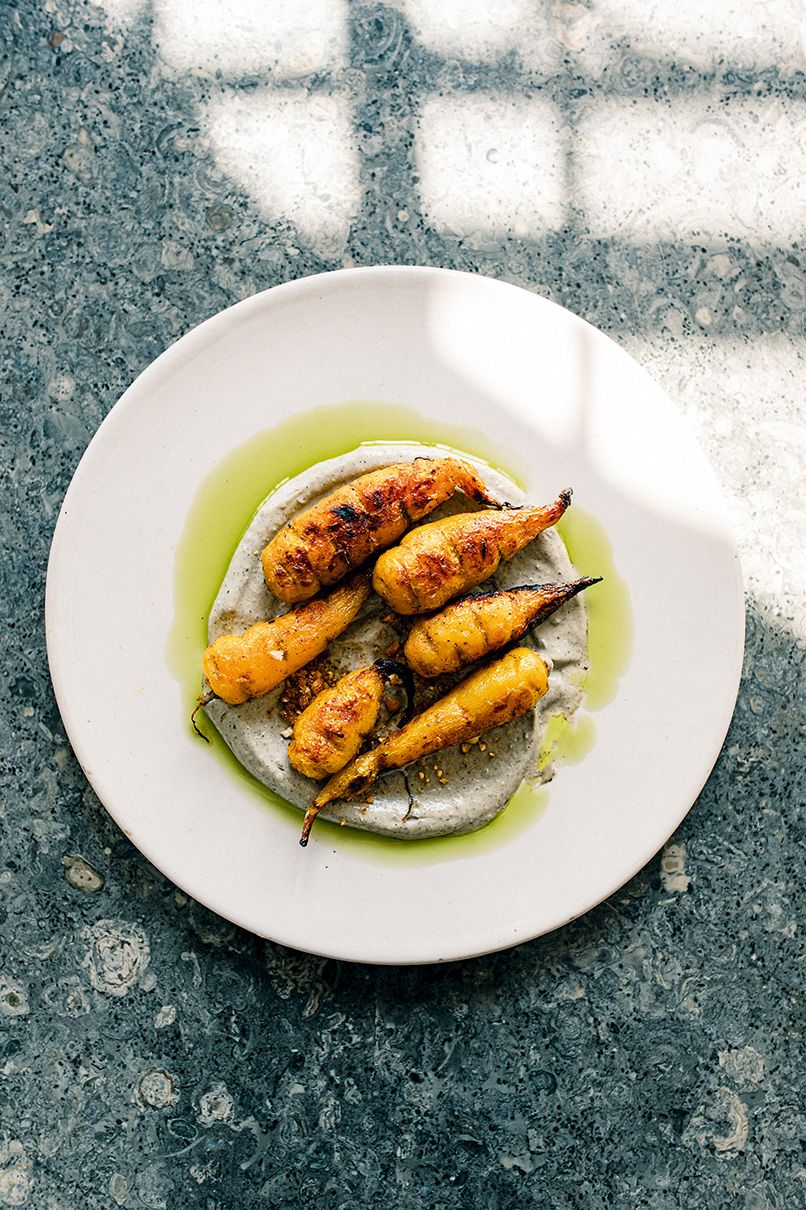
Bogotá: High-Altitude Innovation and Indigenous Ingredients
Standing at 2,640 meters above sea level, the air in Bogotá is crisp, thin, and heavy with the scent of eucalyptus and woodsmoke. This high-altitude capital has become the beating heart of the experimental food scene. For the culinary traveler, understanding modern Colombian cuisine begins here, where the plate serves as a canvas for the country’s 3,805 edible plant species. The city’s best restaurants in Bogotá and Medellín have moved away from imitating European techniques, moving instead toward a deep, umbilical connection with the soil.
At the forefront of this movement is El Chato, helmed by Alvaro Clavijo. Ranked as a leader in Latin American gastronomy for 2026, the restaurant highlights how indigenous Colombian ingredients in fine dining can be elevated through rigorous technique. Here, the humblest ingredients—like the native herb guascas traditionally used in ajiaco soup—are reimagined. You might find chicken hearts grilled to a smoky perfection paired with Andean tubers that offer a surprising high-altitude crunch. For those wondering how much to budget for a tasting menu at El Chato 2026, the experience remains remarkably accessible for international travelers, providing a world-class journey through Colombia’s varied altitudes for a fraction of the price of a London or New York equivalent.
Then there is Leo, the eponymous restaurant of Leonor Espinosa. A meal here is a masterclass in the cycle of biodiversity. Espinosa spends months in remote territories, from the Pacific mangroves to the Amazonian rainforest, to understand the ancestral wisdom of local communities. Her menu often features the controversial yet delicious mojojoy worms or the deeply savory Amazonian tucupí, a fermented black cassava sauce that adds an umami depth comparable to the finest aged balsamics. These recommended tasting menu experiences for first-time visitors to Leo Bogotá are not just about flavor; they are about understanding the ecological soul of the nation.
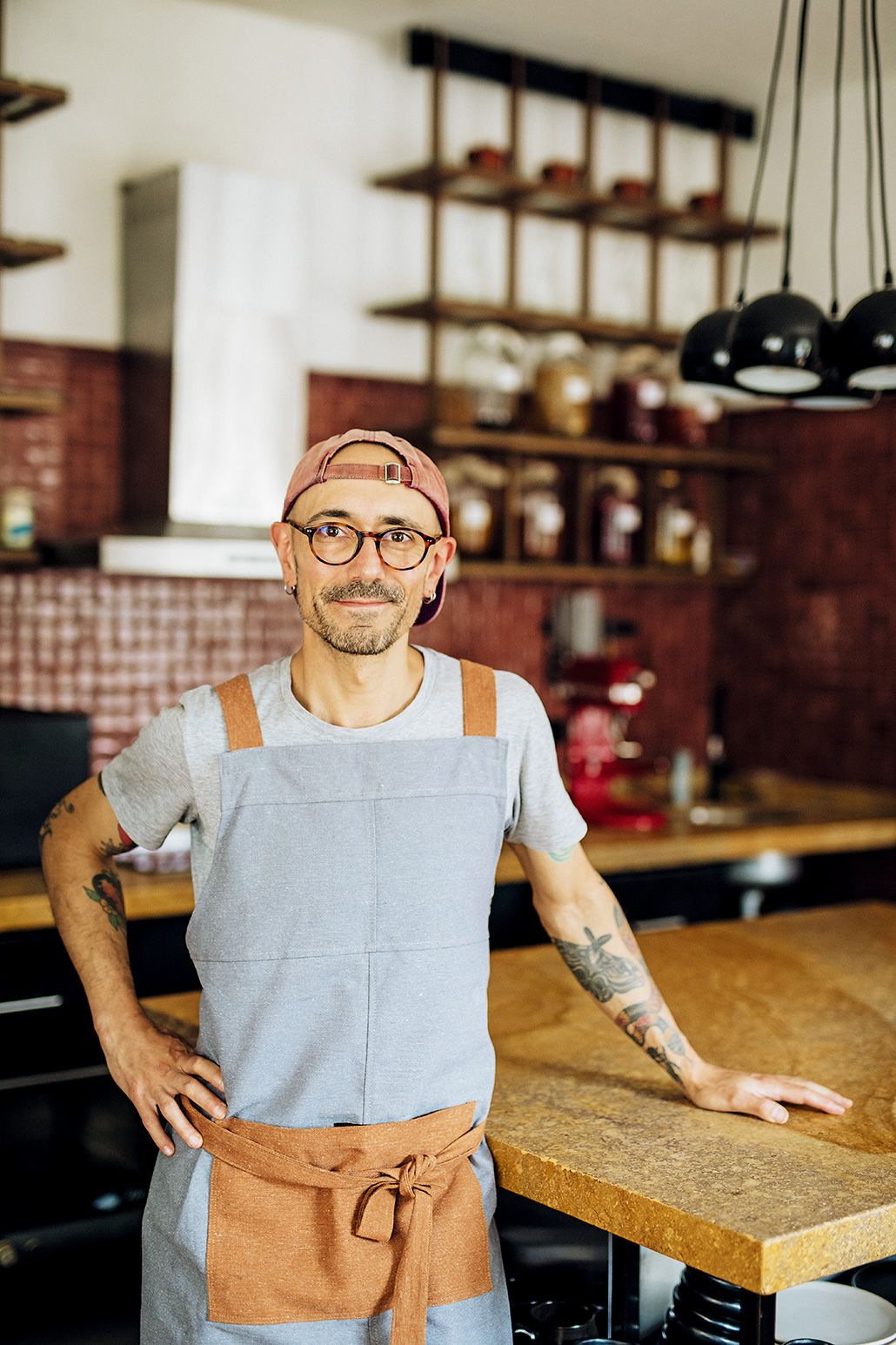
The Rise of Territory-Focused Venues
Beyond the heavyweights, smaller venues like Mini-Mal and Salvo Patria are carving out a niche by focusing on social change. They source rare flora and fauna from biodiversity hotspots across the Amazon, Caribbean, and Pacific regions. Identifying modern Colombian dishes using Amazonian tucupí and macambo becomes a hunt for hidden gems in these cozy, wood-paneled bistros. These spots offer some of the best fine dining restaurants in Bogotá for indigenous ingredients for those who prefer a more relaxed, neighborhood atmosphere.
Expert Tip: Altitude Adjustment When dining at 2,640 meters, your digestion slows and the effects of alcohol are amplified. To fully enjoy your tasting menu, stay hydrated with sparkling water and perhaps start your evening with a coca leaf tea to help your body acclimate to the thinning Andean air.
Cartagena: Caribbean Fusion and Mangrove Biodiversity
Descending from the Andes to the humid, sun-drenched coast of Cartagena, the culinary narrative shifts from earthy tubers to the vibrant, saline world of the Caribbean. The walled city, with its bougainvillea-draped balconies and colonial grandeur, provides a backdrop for a seafood revolution. Modern Colombian cuisine in the north is as much about Afro-Colombian heritage as it is about the sustainable management of the surrounding mangroves.
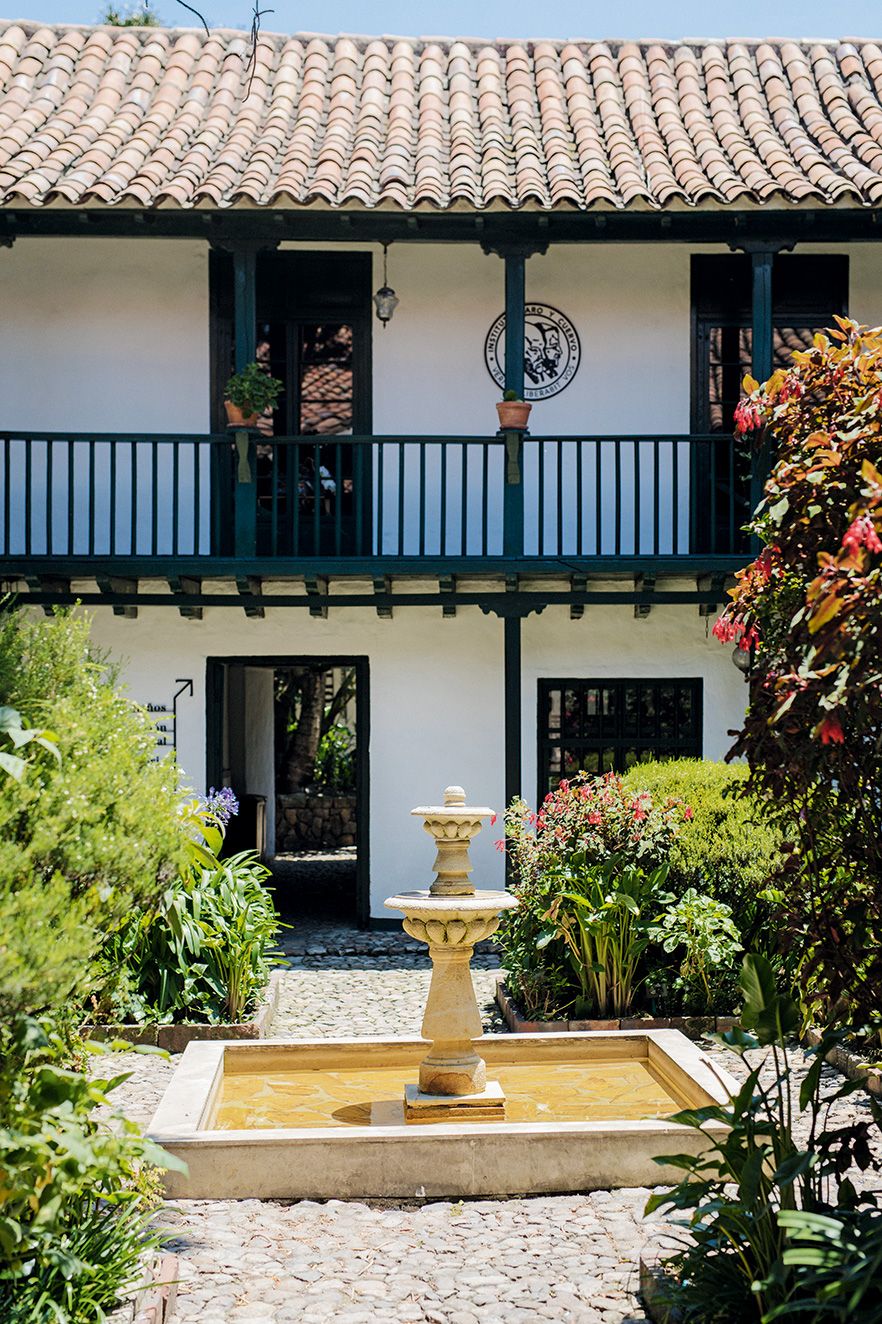
For the most compelling Cartagena gourmet dining recommendations, one must look toward Celele. This restaurant is the result of years of research through the Caribe Lab project. The menu explores the arid landscapes of the Guajira desert and the lush coastal plains. You will encounter gourmet Caribbean seafood recommendations in Cartagena's walled city that you won't find on any other menu, such as sea snails or dehydrated prawn curries that pop with heat and acidity.
Other essential stops include Alma, located within the Casa San Agustín. Known for its sophisticated seafood casserole, Alma bridges the gap between traditional coastal comfort and the elegance of modern plating. Meanwhile, Mistura offers a stunning Caribbean-sushi fusion, proving that the local catch—when treated with Japanese precision—can yield extraordinary results. These chefs often utilize ingredients from local mangroves, ensuring that every bite supports sustainable coastal agriculture and the preservation of endemic species.
Medellín & The Amazon Connection: Farm-to-Table in the City of Eternal Spring
In Medellín, the transformation is palpable. Once known for its turbulent history, the city has reinvented itself as a hub for hyper-local sourcing and coffee-infused innovations. The El Poblado and Laureles districts are now teeming with bistros that prioritize the farmer-to-chef relationship. This guide to farm-to-table dining in Medellín's El Poblado district wouldn't be complete without mentioning Sambombi, a bistro where the menu changes based on what the morning harvest brings from the surrounding Antioquian mountains.
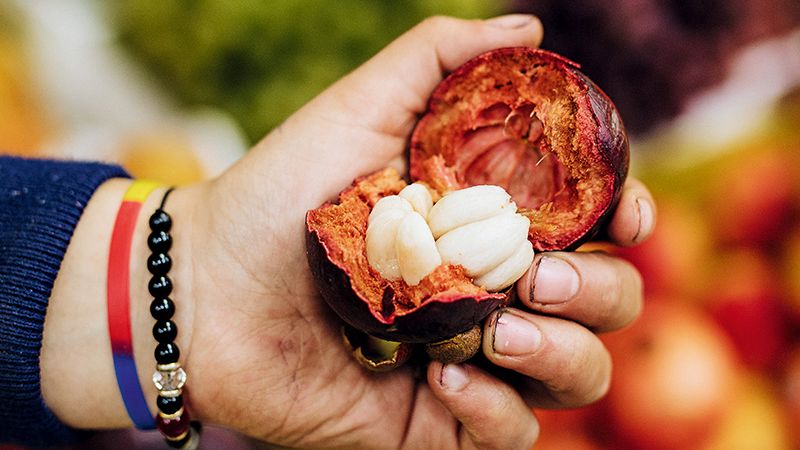
The connection to the Amazon is particularly strong in Medellín. The Colombian Amazon serves as a vital culinary lung for the country, hosting 388 recorded species of wild edible fruits. At La Chagra, diners can experience a 10-moment Amazonian menu that incorporates these rare fruits, many of which are unknown even to most Colombians. The use of Amazonian superfoods like camu-camu and copoazú brings a tart, tropical vibration to the palate that is entirely unique to this region.
Gastronomy as a Tool for Recovery
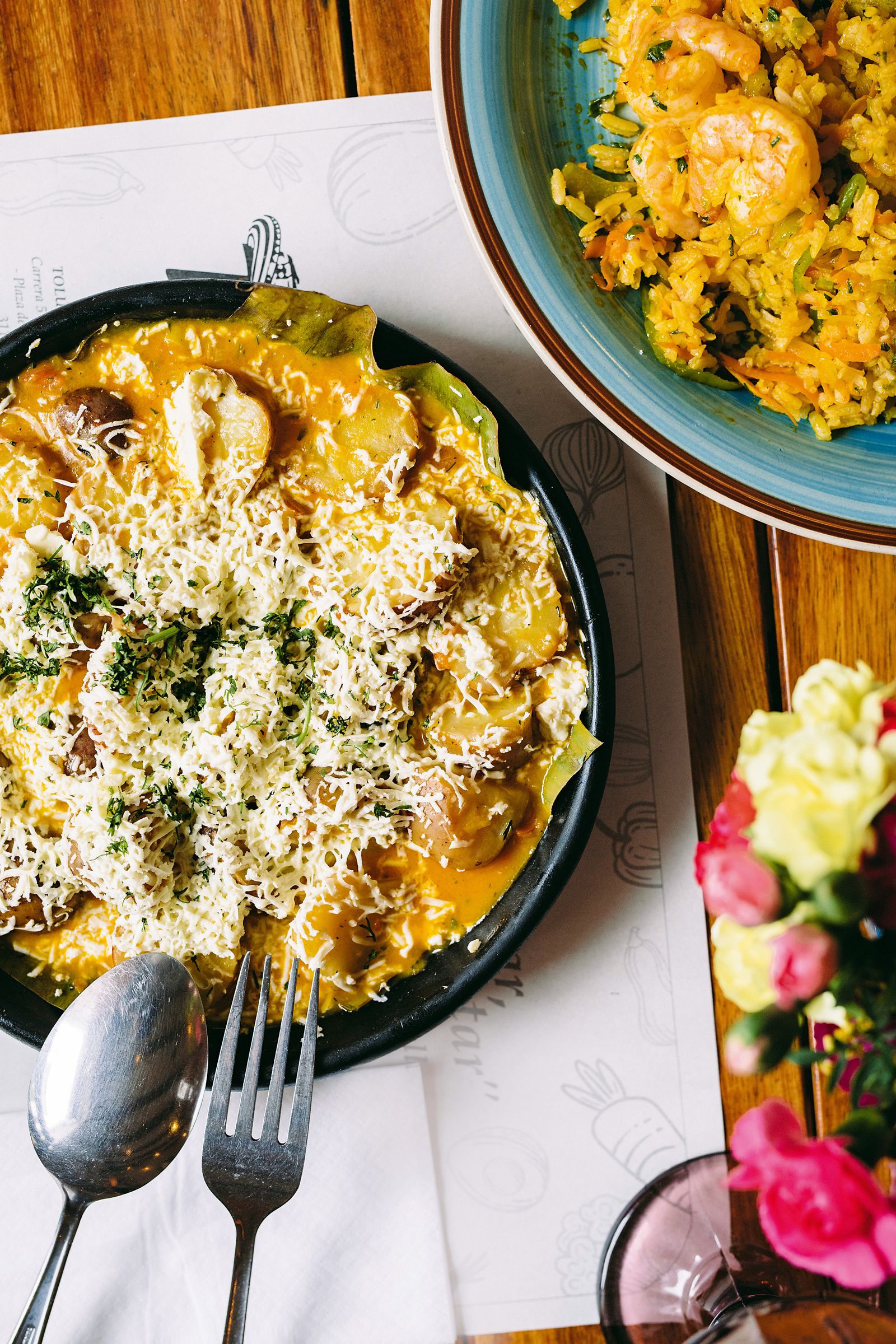
Perhaps the most moving aspect of the best restaurants in Bogotá and Medellín is their commitment to social empowerment. In Comuna 13, women-led collectives like Berracas de la 13 provide authentic Pacific-inspired dishes. These women, many of whom were displaced by conflict, use their culinary skills to support community recovery. Eating their succulent seafood stews or traditional empanadas offers aรสชาติ (taste) of resilience. It is a reminder that in Colombia, food is more than sustenance; it is a vehicle for peace and economic empowerment.
Planning Your 2026 Culinary Tour: Reservations and Logistics
Embarking on a journey through the new culinary landscape of Colombia requires a bit of foresight. By 2026, the secret of Colombia’s gastronomic prowess is firmly out, and the demand for tables at top-tier establishments has soared.
When considering practical tips for booking reservations at Colombia's top 50 restaurants, the most important rule is to plan ahead. For El Chato or Leo, booking 2-3 months in advance is now the standard. Many of these restaurants have transitioned to a prepaid booking model to ensure sustainability for their small-scale suppliers.
Regarding the logistics of the meal itself, take note of the tradition. Modern Colombian culinary practices still utilize 130 different species of leaves specifically for wrapping and preparing regional dishes. Whether it is a tamal wrapped in bijao leaves or a piece of fish steamed in a banana leaf, this ancient technique remains a cornerstone of the modern kitchen.
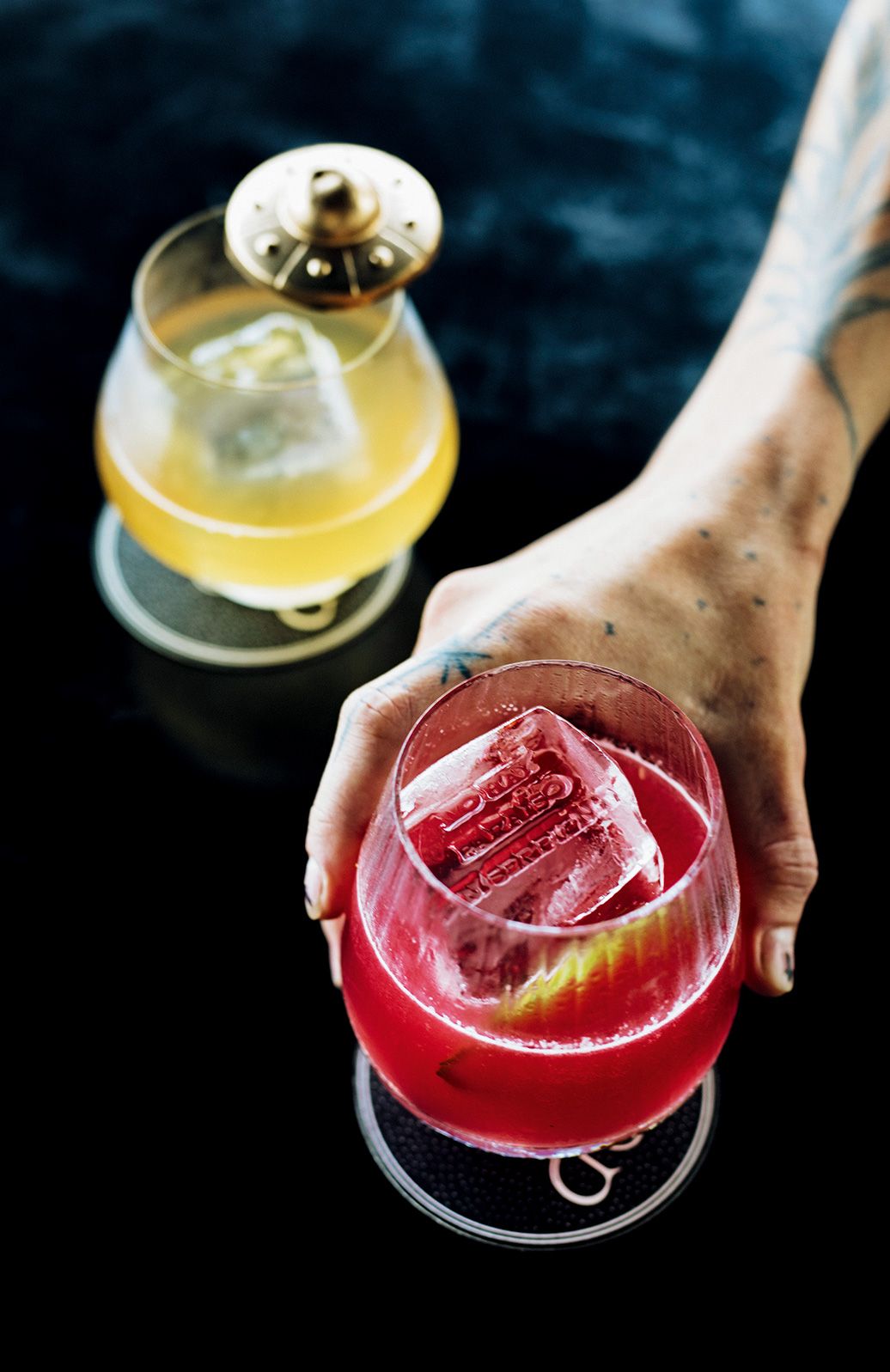
For luxury travelers, the My Tab cost model provides a transparent way to manage expenses at fine dining venues. Expect that artisanal distillates, such as viche (a fermented sugarcane spirit from the Pacific coast), will be a highlights of your bar bill. These spirits are a vital part of the cultural journey, offering a smoky, grassy profile that pairs beautifully with the bold flavors of modern Colombian cuisine.
FAQ
What defines modern Colombian cuisine?
Modern Colombian cuisine is characterized by a territorial approach to cooking, where chefs prioritize indigenous ingredients and ancestral techniques over international trends. It is a movement that celebrates the country’s status as a biodiversity hotspot, using ingredients like Amazonian fruits, Andean tubers, and Pacific seafood to tell a story of the land and its people. This style of cooking often blends high-end molecular techniques with traditional wood-fire or fermentation methods.
How does modern Colombian food differ from traditional recipes?
While traditional Colombian food is known for its hearty, comforting staples like bandeja paisa or ajiaco, the modern version focuses on deconstructing and elevating these flavors. The contemporary movement explores a much wider range of the 3,805 edible plant species found in the country, many of which were previously ignored in urban kitchens. It also places a heavy emphasis on aesthetic plating, sustainability, and direct trade with small-scale farmers and indigenous communities.
What are the key ingredients used in contemporary Colombian cooking?
The pantry of the modern chef is vast, but several standout ingredients define the 2026 landscape. These include tucupí (a spicy, black cassava sauce), mojojoy (edible larvae), cacay nuts (a nutrient-dense Andean nut), and a staggering variety of rare fruits like gulupa and lulo. Additionally, the use of diverse leaves for wrapping and cooking, alongside artisanal spirits like viche and chirrinchi, is essential to the flavor profile.
Who are the top chefs leading the modern Colombian food movement?
The movement is led by visionary figures like Leonor Espinosa of Leo, who has been instrumental in mapping the country’s edible biodiversity. Alvaro Clavijo of El Chato has brought Bogotá to the top of the global rankings with his focus on Andean ingredients. In Cartagena, Jaime Rodríguez and Sebastián Pinzón of Celele are leading the Caribbean research front, while younger chefs in Medellín and Cali are increasingly focused on hyper-local, farm-to-table ethics.
How do modern Colombian chefs incorporate indigenous ingredients?
Chefs work directly with indigenous and Afro-Colombian communities to source ingredients that are often endemic to specific micro-climates. They integrate these into fine dining menus through various techniques—such as fermenting tucupí into glazes, using powdered ants as a seasoning agent, or incorporating rare rainforest fruits into complex desserts. This collaboration not only introduces diners to new flavors but also provides vital economic support to remote regions.