Quick Facts
- 2026 Vibe: Authentic, raw, and uncrowded; a perfect window to see the country before it catches up to its southern neighbor.
- Daily Budget: $45-$65 per person for mid-range travel, offering significantly more value for luxury seekers.
- Must-Do: Tackle the rush of volcano boarding at Cerro Negro or find your flow at the luxury surf resorts on the Emerald Coast.
- Strategic Entry: Save time and money by flying into Liberia (LIR) and using a land crossing to reach the southern highlights.
- Savings: Travelers can expect to pay 40% to 60% less than in Costa Rica for comparable mid-range dining and stays.
- Adventure: Home to the largest freshwater lake in Central America and two 500-year-old colonial cities still celebrating their heritage.
Why follow the crowds to San José when the raw magic of Nicaragua awaits? In 2026, the Nicaragua travel guide story is one of authenticity and unbeatable value. As the superior Nicaragua vs Costa Rica travel alternative, this land of lakes and volcanoes offers everything from world-class surf breaks to 500-year-old colonial heritage without the high price tag or tourism fatigue.
Why Nicaragua Now: The Authentic Alternative for 2026
Nicaragua serves as a compelling alternative to Costa Rica for travelers seeking a more authentic and cost-effective experience. While Costa Rica is highly developed and often more expensive, Nicaragua offers similar biodiversity and world-class surfing without the crowds. In 2024, the nation reported an average daily tourist expenditure of approximately $43.90 per person, a figure that stands in stark contrast to Costa Rica's average daily spending, which often ranges between $138 and $206. This economic reality means that luxury is far more accessible here, allowing adventure travelers to upgrade their stay without breaking the bank.
The shift toward Nicaragua is already well underway. According to the World Travel & Tourism Council, international visitor arrivals in 2024 saw a 142% increase compared to 2019 levels, outstripping the growth rates of neighboring regional destinations. Travelers are realizing that the best places to visit in Nicaragua for authentic nature offer the same tropical biodiversity found elsewhere but with a sense of off-the-beaten-path discovery. Whether you are navigating the volcanic topography of the interior or the pristine Pacific coastline, the 2026 traveler finds a country that has matured its infrastructure while guarding its soul.
| Feature | Nicaragua (2026) | Costa Rica (2026) |
|---|---|---|
| Avg Daily Spend | ~$44 USD | $138 - $206 USD |
| Tourism Density | Emerging & Relaxed | Mature & Busy |
| Architecture | 500-year-old Colonial Heritage | Primarily Modern / Sustainable |
| Infrastructure | Improving rapidly; good main roads | Highly developed; premium pricing |
| Vibe | Raw Magic & Authentic | Polished & Pura Vida |
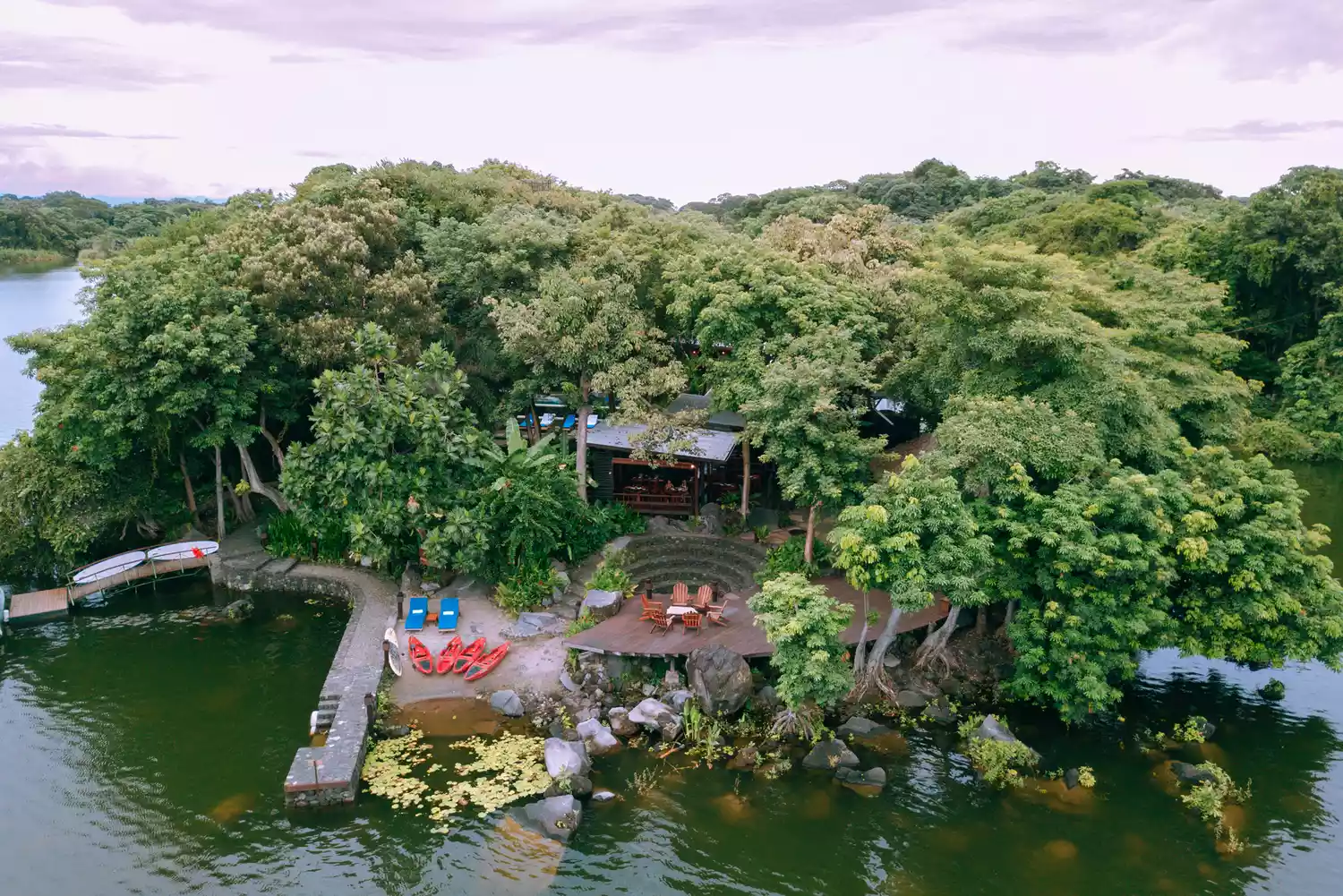
The Emerald Coast: Luxury Surf & Wellness
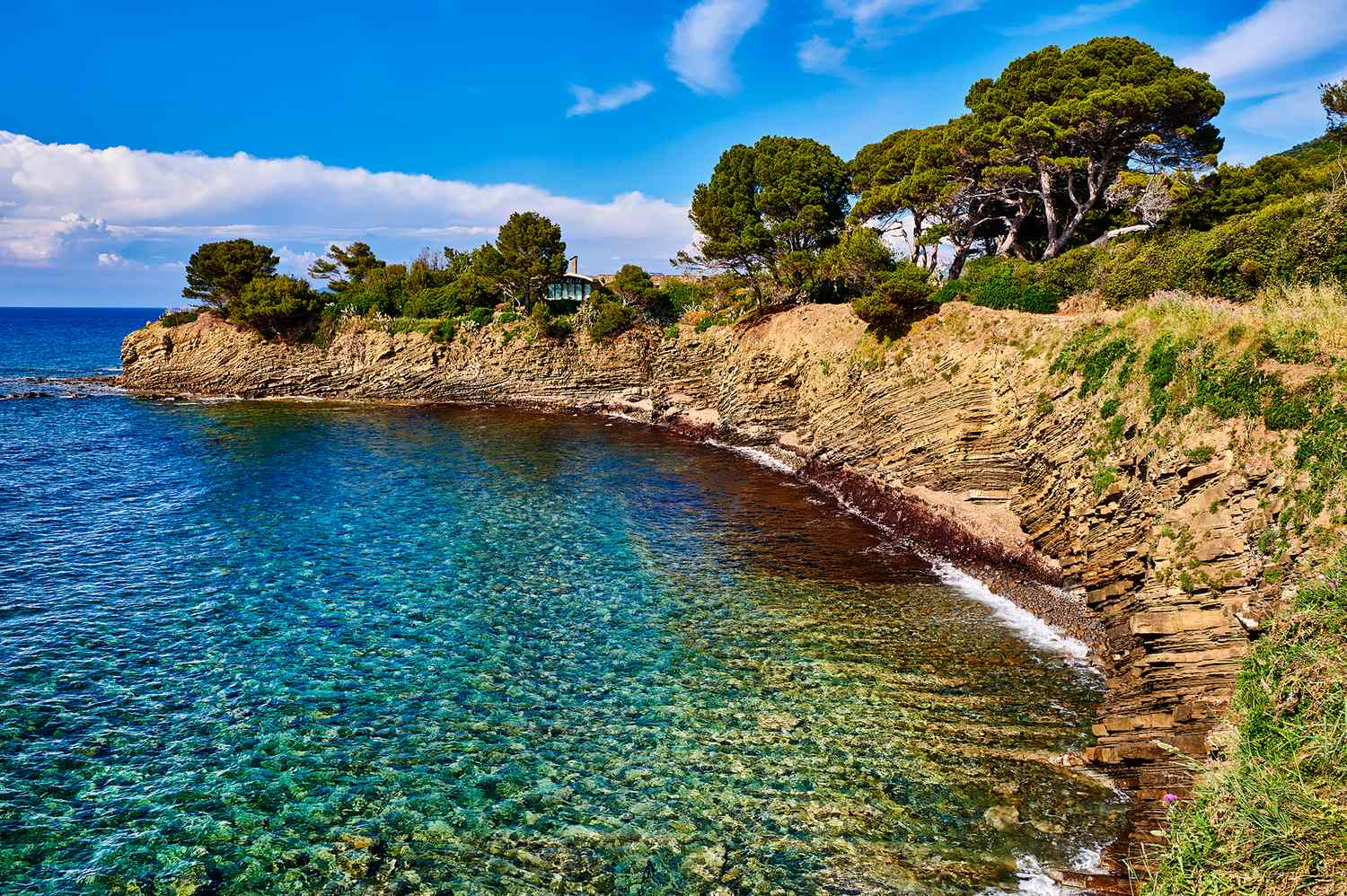
If your goal is world-class surfing paired with wellness, look no further than the Emerald Coast. This stretch of the Pacific coastline is unique because of the Lake Nicaragua effect. The massive freshwater lake creates consistent offshore winds nearly 300 days a year, grooming the waves into perfect barrels. While luxury surf resorts Nicaragua might have once been a well-kept secret, the 2026 scene is sophisticated yet intimate.
The region is defined by its boutique eco-lodges and expansive properties like Rancho Santana, which spans 2,700 acres of rugged coastline. You can spend your morning catching legendary surf breaks and your afternoon in a high-end wellness retreat perched on a cliffside. For those new to the sport, the Emerald Coast offers sandy bottom breaks perfect for learning, while pros can hire boats to access remote outer reefs. The recent completion of the Emerald Coast highway has made hopping between these luxury surf resorts Emerald Coast Nicaragua easier than ever, though the area retains its tranquil, secluded atmosphere.
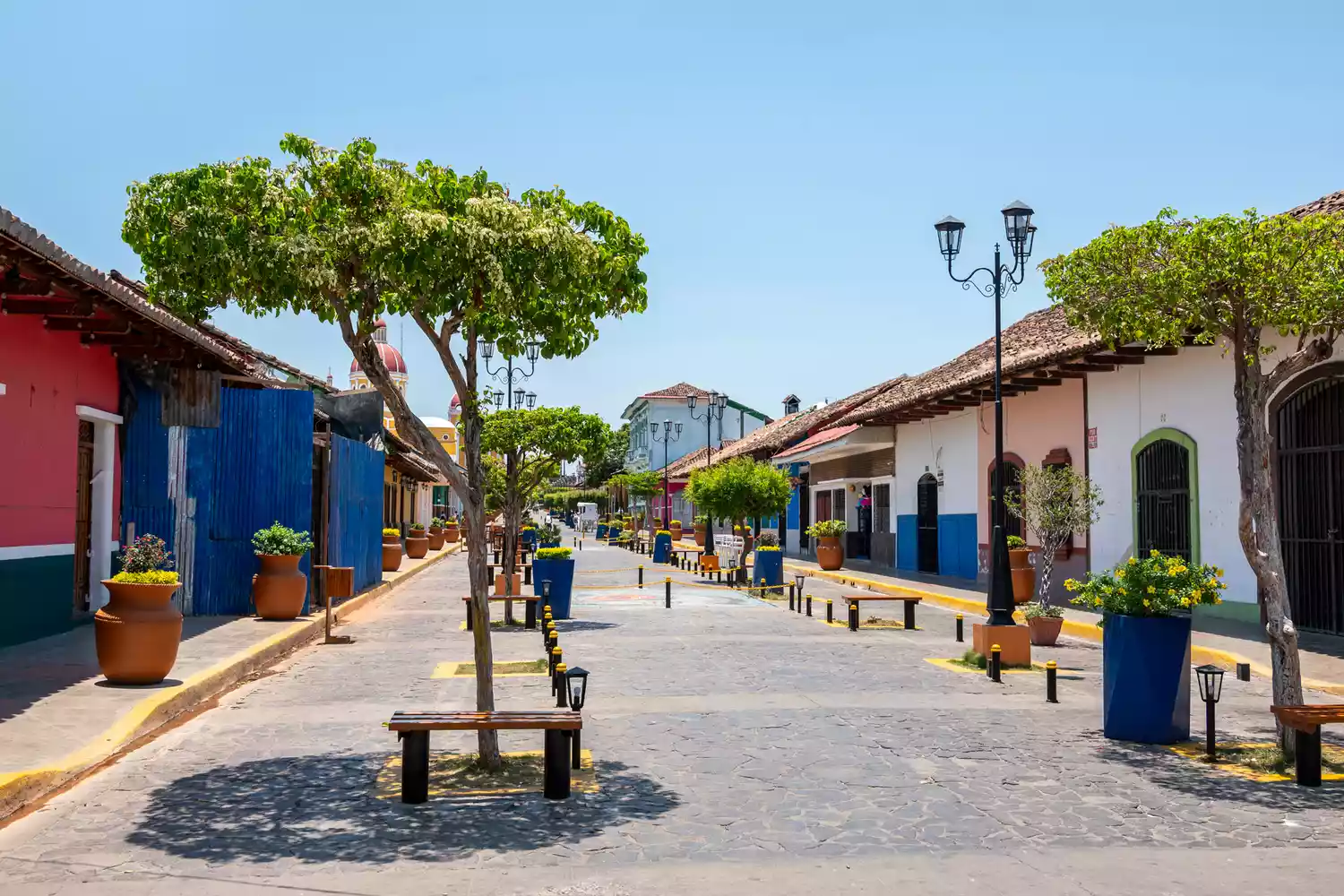
Colonial Heart & Volcanic Soul: Granada to León
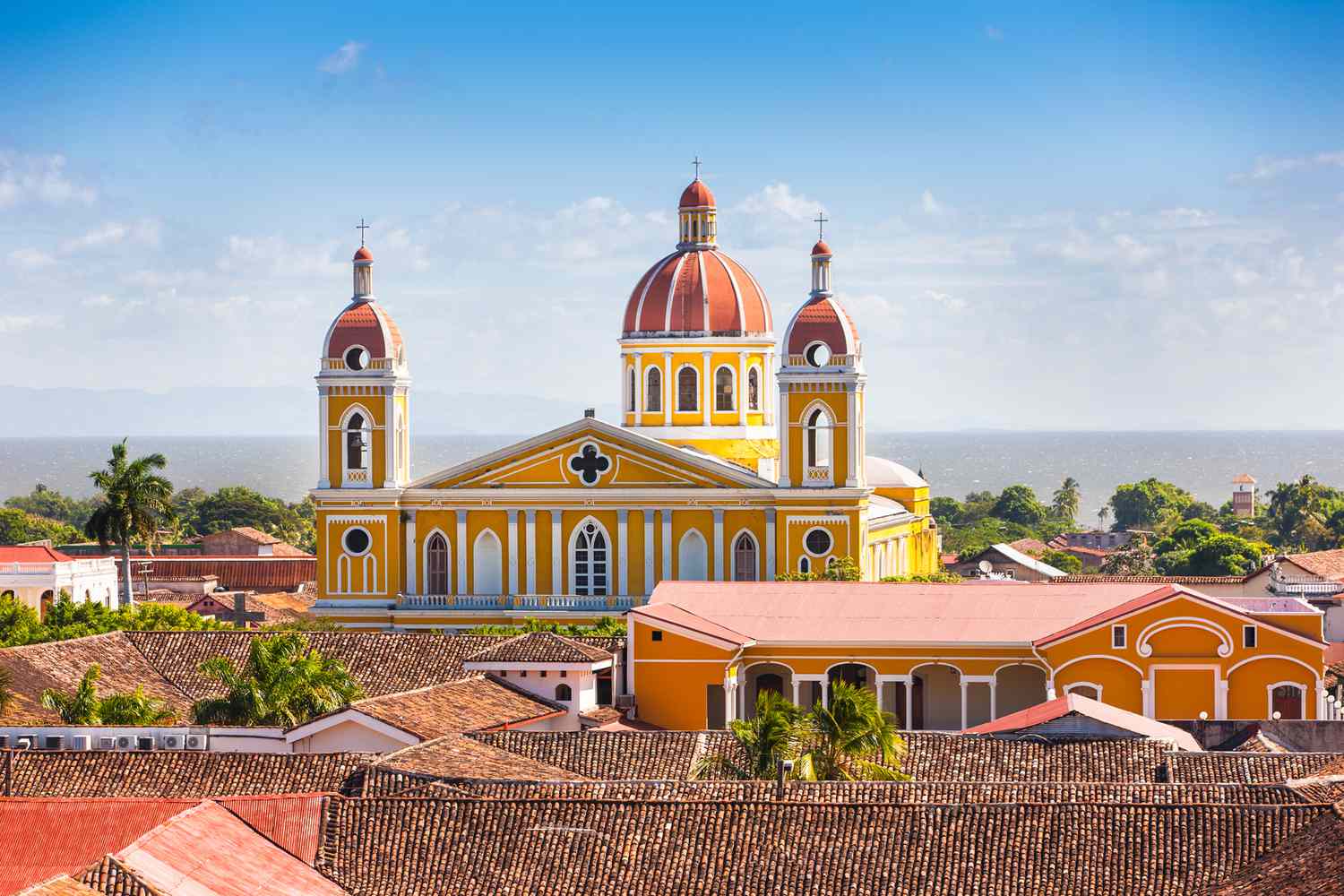
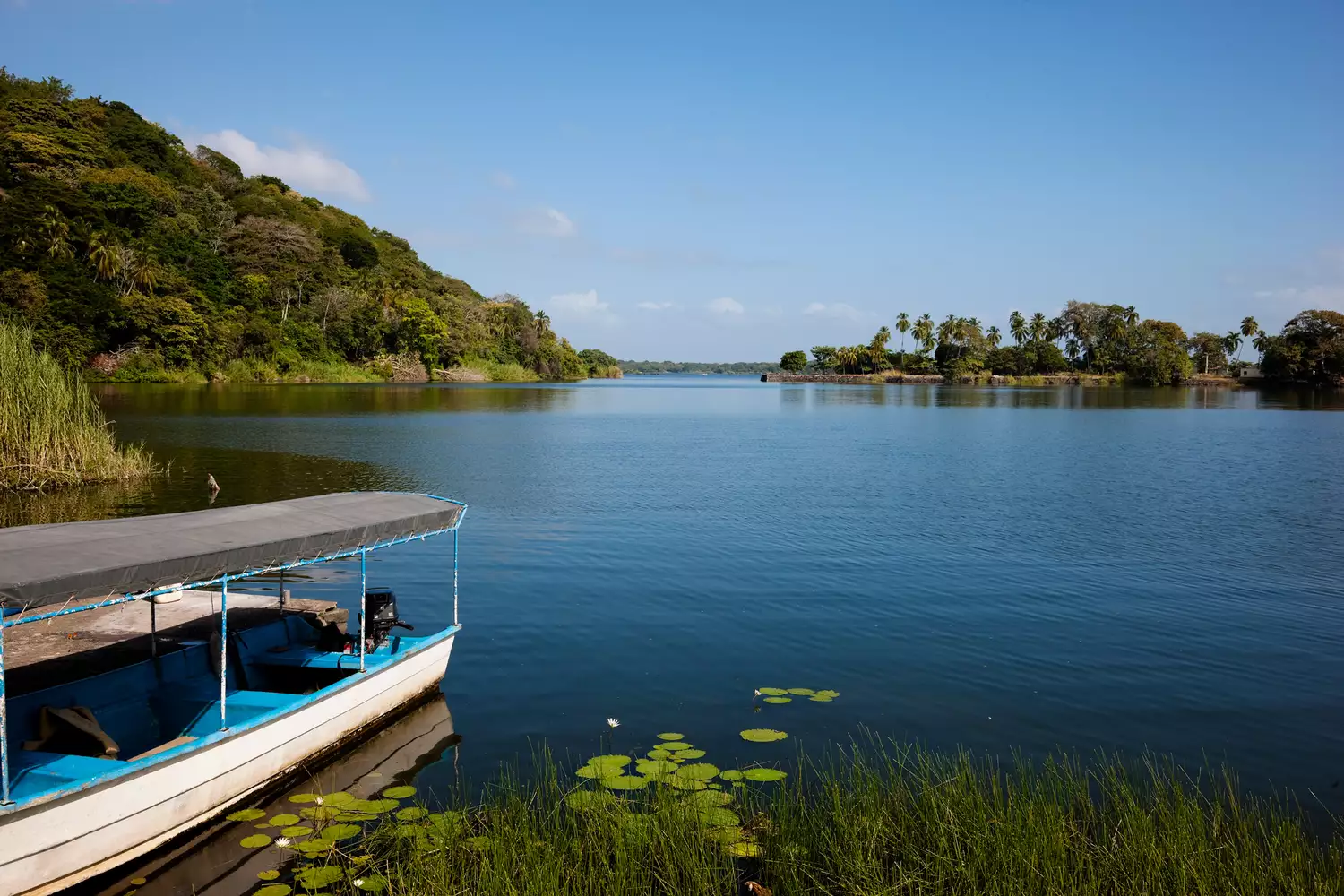
Exploring the interior means choosing between two of Central America's most storied cities. The colonial cities Nicaragua itinerary Granada and Leon usually begins in Granada, founded in 1524. Recently celebrating its 500th anniversary, Granada feels like a living museum with its meticulously restored cathedrals and horse-drawn carriages. It offers a Parisian-style elegance with vibrant cafes and courtyards that provide a refined base for day trips to the Isletas of Lake Nicaragua.
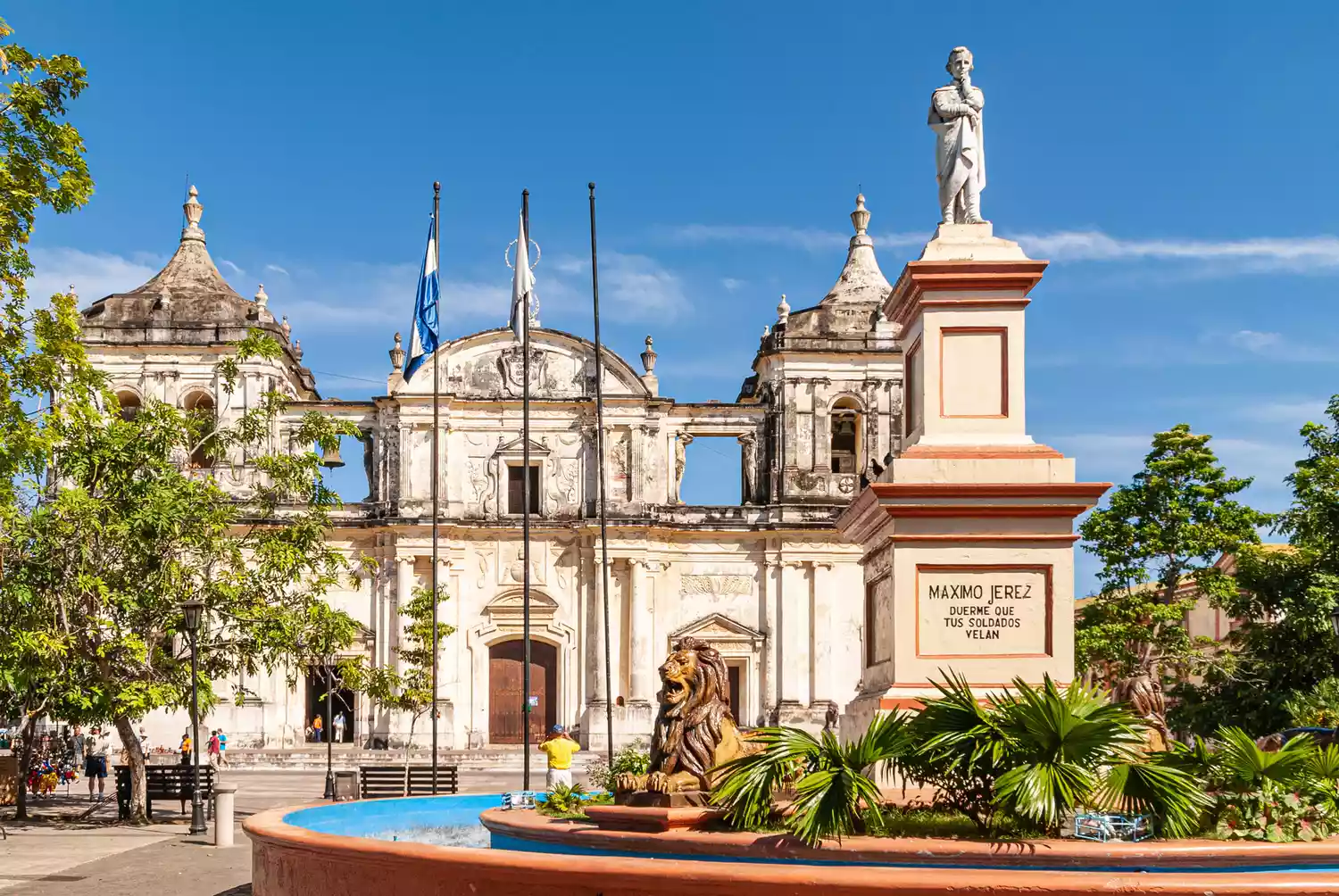
In contrast, León offers a gritty, intellectual energy. As the former capital and a hub for the country’s revolutionary history, León is where you find the largest cathedral in Central America, a UNESCO World Heritage site. This is also the launching point for one of the most unique adventures in the world: volcano boarding Cerro Negro guide for beginners. You will hike up the black ash slopes of a young volcano and then slide down on a wooden sled, reaching speeds of up to 40 miles per hour. It is a sensory-rich experience that perfectly captures the Nicaraguan spirit.
Insider Insight: For the best volcano boarding experience, book an early morning slot. Not only is the heat more manageable, but the lighting on the volcanic peaks of the Maribios chain is spectacular for photos.
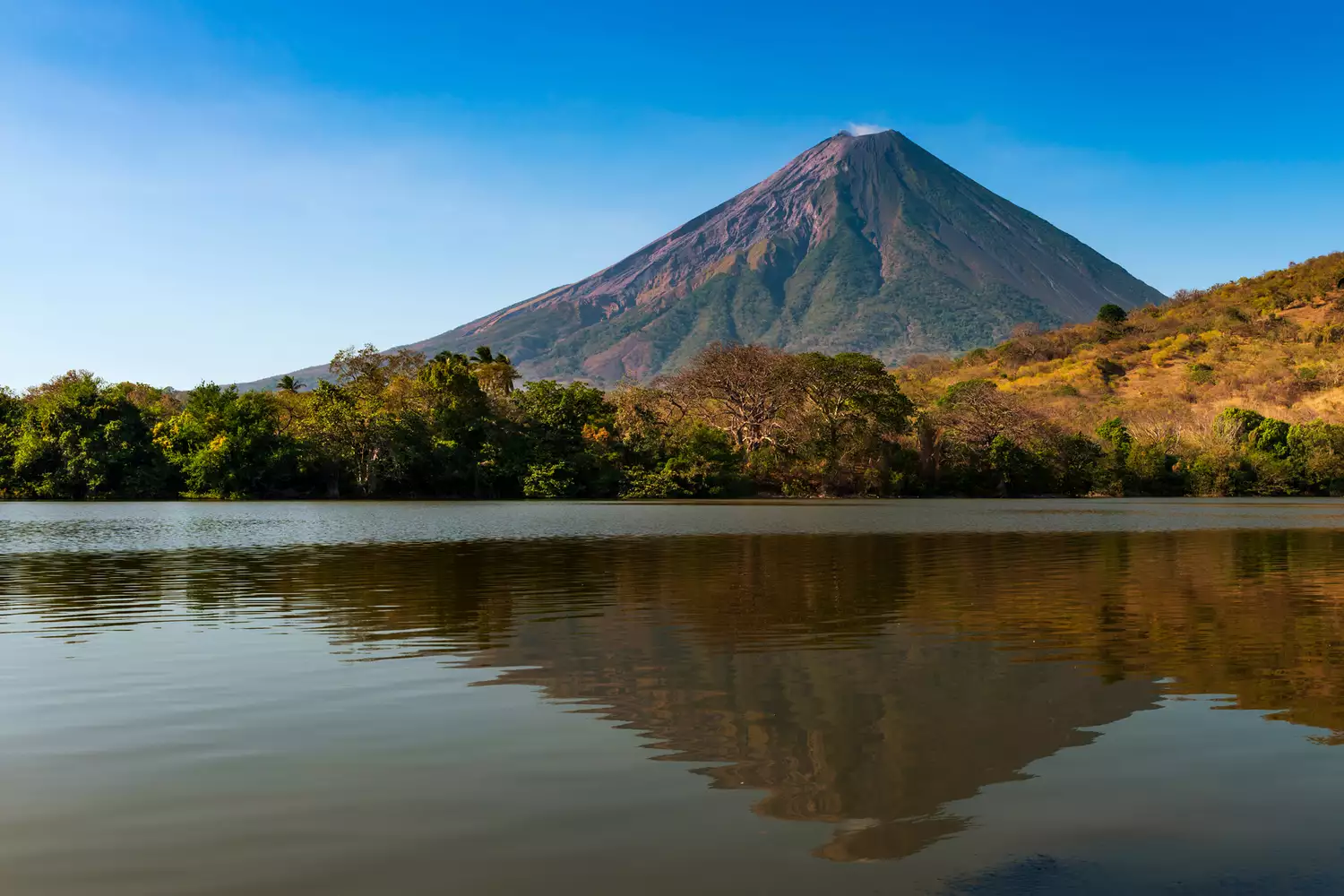
Continuing south, you arrive at Ometepe Island, the world’s largest freshwater volcanic island. Formed by two volcanoes—Concepcion and Maderas—rising from Lake Nicaragua, Ometepe is a designated UNESCO Biosphere Reserve. It is a place where time slows down. You can kayak through marshlands teeming with tropical biodiversity or hike the muddy trails of the cloud forests to find hidden waterfalls.
Ask Yourself: Granada or León?
- Do you prefer cobblestones and photogenic courtyards? Choose Granada. Its boutique hotels and lakefront setting are unmatched for charm.
- Are you looking for history and a bit of edge? Choose León. The university vibe and revolutionary murals provide a deeper cultural context.
- Is volcano boarding your top priority? León is your base for Cerro Negro.
- Want your pick of island day trips? Granada provides instant access to over 300 islands in the lake.
Remote Escapes: Corn Islands & Indio Maíz
For those who truly want to unplug, the Caribbean side of Nicaragua offers a different world. The Corn Islands—made up of Big Corn and the car-free Little Corn Island—are a Caribbean dream minus the mega-resorts. Little Corn Island travel tips for budget travelers often emphasize how affordable seafood is here; a plate of fresh lobster can cost less than a burger in most Western cities. There are no cars, just walking paths, swaying palms, and some of the best scuba diving and snorkeling in the region.
If your heart is set on the jungle, the Indio Maíz Reserve is the ultimate frontier. Located in the southeastern corner of the country, this reserve is one of the most critical stretches of rainforest in Central America. Here, sustainable ecotourism isn’t just a buzzword; it’s a way of life. You will need a guide to enter, and the reward is sightings of jaguars, tapirs, and hundreds of bird species in a landscape that feels entirely untouched by the modern world.
2026 Logistics: The Liberia Airport Hack & Getting Around
Planning a trip to Nicaragua in 2026 requires some strategic thinking about arrival. While flying into Managua (MGA) is the standard route, many savvy travelers use the Liberia airport hack. By flying into Liberia (LIR) in Costa Rica, you are often closer to the southern Emerald Coast and San Juan del Sur than if you flew into Nicaragua’s capital.
Traveling from Costa Rica to Nicaragua by land via the Peñas Blancas border is a well-trodden path. It is often cheaper and faster for those heading to the beaches or Ometepe. Once inside the country, the Nicaragua dry season travel guide for 2026 recommends private transfers for inter-city travel. While the local "chicken buses" are a culturally rich and incredibly cheap experience, they can be slow and unpredictable for travelers on a tight schedule.
For those planning their dates, the best time to visit Nicaragua is during the dry season from mid-November to April. This window offers perfect weather for hiking volcanoes and ensures the offshore winds are at their peak for surfing. A Nicaragua vs Costa Rica travel cost comparison 2026 reinforces that even during the peak dry season, your dollar goes much further in Nicaragua, allowing for a longer, more immersive journey into this rediscovered paradise.
FAQ
Is Nicaragua safe for tourists currently?
Yes, Nicaragua is generally safe for tourists, especially in major travel hubs like Granada, León, the Emerald Coast, and Ometepe Island. Like any destination in Central America, it is important to exercise standard safety precautions, avoid walking alone at night in unlit areas, and keep an eye on your belongings. The local community is remarkably welcoming and tourism is a vital part of the local economy.
Is Nicaragua better for travel than Costa Rica?
Whether Nicaragua is better depends on what you value. If you want a highly polished experience with an abundance of organized tours and English-speaking services, Costa Rica is excellent. However, if you prefer raw magic, significantly lower costs, fewer crowds, and a rich colonial history, Nicaragua is the superior choice. Nicaragua offers a more authentic sense of discovery that many travelers feel has been lost in more commercialized regions.
What is the best time of year to visit Nicaragua?
The best time to visit is during the dry season, which runs from mid-November through April. During these months, you can expect sunny days and clear skies, which are ideal for volcano boarding, hiking Ometepe, and enjoying the beaches on the Pacific coastline. If you prefer lush green landscapes and don't mind occasional afternoon showers, the "green season" from May to October is also beautiful and even more affordable.
Is it expensive to travel in Nicaragua?
Nicaragua remains one of the most affordable destinations in the Americas. Mid-range travelers can live comfortably on $45 to $65 USD per day, including accommodation and dining. Compared to neighboring countries, you can expect to pay roughly 40% to 60% less for everything from boutique hotels to local transportation and meals, making it a dream for those who want a high-value experience.
What are the top attractions in Nicaragua?
The top attractions include the colonial cities of Granada and León, the dual-volcano Ometepe Island, and the world-class surf breaks of the Emerald Coast. Adventure seekers should not miss volcano boarding at Cerro Negro, while those seeking a remote tropical escape should prioritize the car-free Little Corn Island and the biodiversity of the Indio Maíz Reserve.