Quick Facts
- Biological Edge: Nicoyans possess approximately 81 additional base pairs on their telomeres, indicating a rate of cellular aging significantly slower than the global average.
- Survival Rate: Men aged 60 in the Nicoya Peninsula have a probability of reaching age 100 that is approximately seven times higher than men in Japan.
- Life Expectancy: The average life expectancy for a resident of the Nicoya Peninsula is 85 years, significantly outperforming the national average.
- Geographic Advantage: High calcium and magnesium levels in the local water supply contribute to superior bone density and heart health in the elderly.
- Nutritional Pillar: The diet is anchored by the Mesoamerican Three Sisters: corn, beans, and squash.
- Psychological Factor: A deep-seated sense of purpose, known locally as Plan de Vida, is estimated to add up to seven years of functional life.
Nicoya Peninsula longevity isn't just a myth; it's a biological reality evidenced by centenarians with telomere length significantly younger than their peers. Located on Costa Rica's western coast, this Blue Zone has become the focus of researchers like Dan Buettner, seeking to understand why local men are seven times more likely to reach 100 than those in Japan. The secret lies in a synergy of mineral-dense water, traditional Mesoamerican nutrition, and a deep-seated sense of purpose known as Plan de Vida.
The Hard Water Secret and Solar Synergy
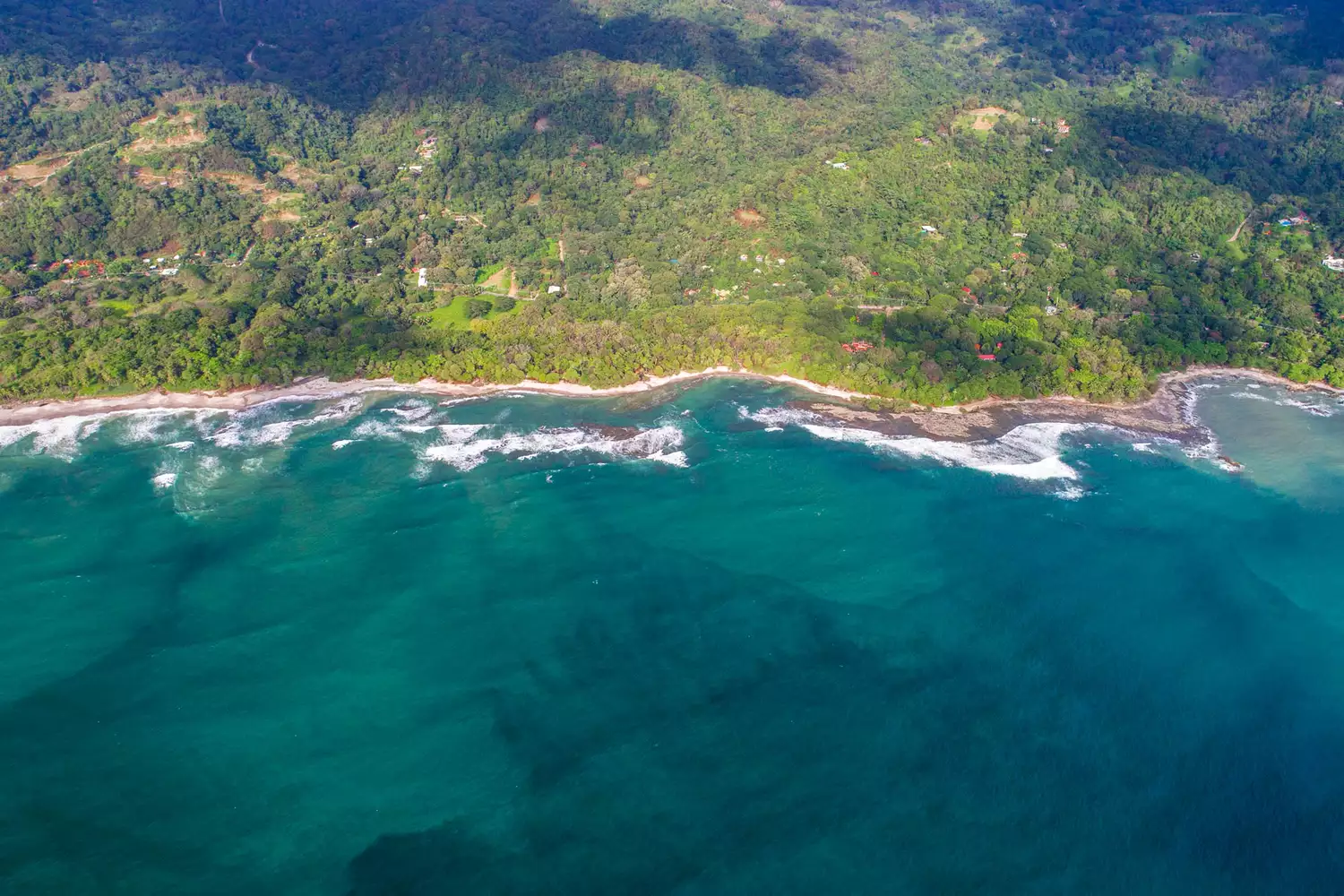
One of the most profound environmental factors contributing to the Blue Zone Costa Rica lifestyle is found beneath the earth. The Guanacaste region sits atop a massive limestone shelf. As rainwater filters through this rock, it becomes heavily mineralized. Nicoyans consume water that has the highest calcium and magnesium content in the country.
These high mineral levels aren't just a geological curiosity; they are a fundamental pillar of health. The calcium rich water benefits for Nicoya Peninsula longevity are most evident in the skeletal health of the region's elders. Even at 90 or 100 years old, Nicoyans rarely suffer from the hip fractures or brittle bones common in other elderly populations. This mineral intake, combined with magnesium—which supports over 300 biochemical reactions in the human body—creates a cardiovascular profile that is remarkably resilient.
Geography also dictates a specific relationship with the sun. Unlike modern urban environments where people often experience chronic vitamin D deficiency, Nicoyans follow a sensible sun exposure routine for vitamin D benefits. Daily life involves early morning outdoor chores, allowing for about 15 to 20 minutes of direct sunlight. This moderate, consistent exposure is critical for bone health and immune function, providing the catalytic energy required to process the high calcium levels found in their water.
Plan de Vida: The Psychological Anchor of Pura Vida
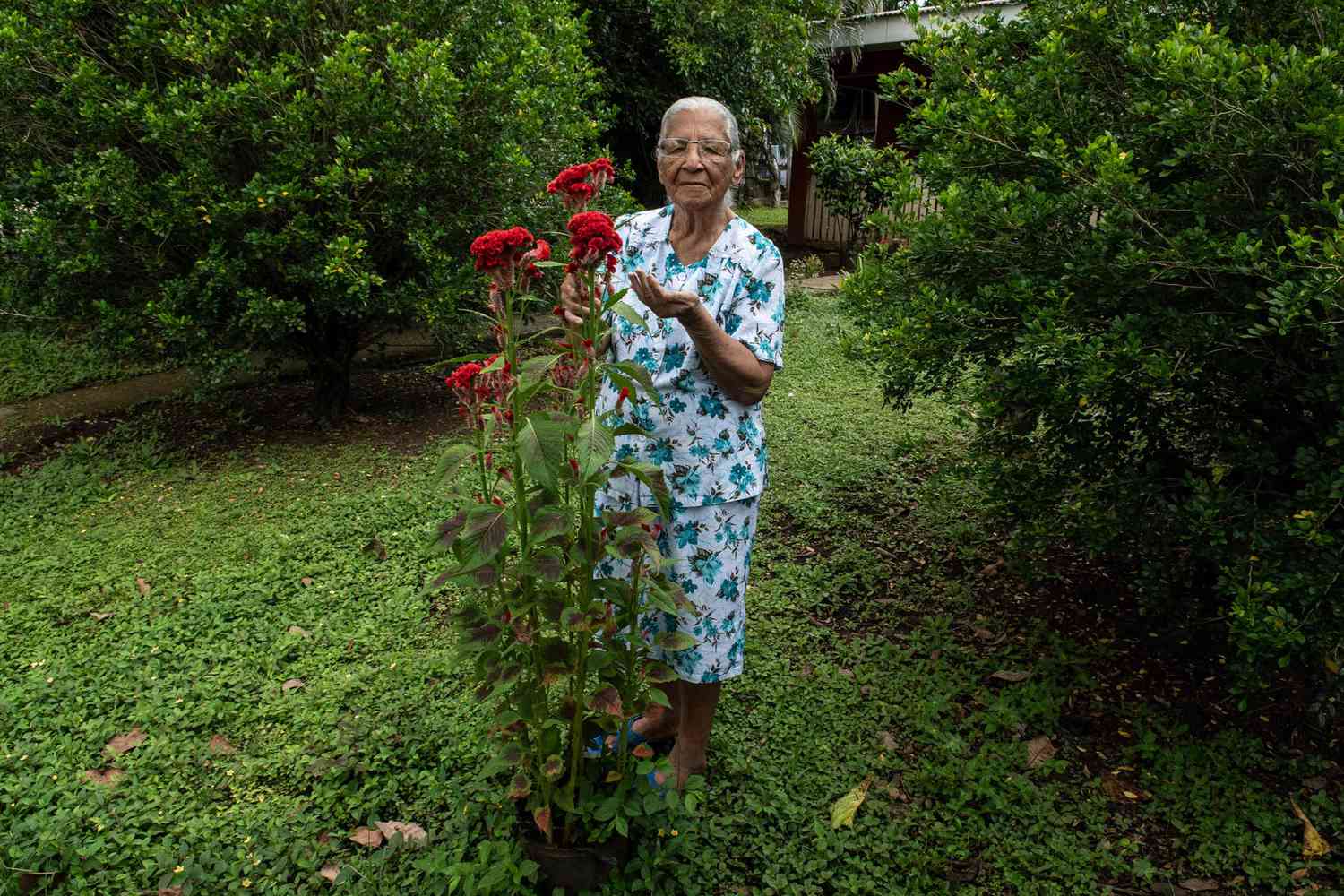
In most parts of the world, retirement is viewed as a withdrawal from society. In Nicoya, the concept of a Plan de Vida or "reason to live" keeps elders spiritually and socially engaged. This isn’t a grand professional ambition, but rather a daily motivation that provides a sense of belonging. Whether it is waking up to tend a small garden, making tortillas for the family, or looking after great-grandchildren, every elderly resident has a role that matters to the community.
This cultural ethos is deeply rooted in the Chorotega indigenous heritage of the peninsula. It fosters a collective mindset where chronic stress management is handled through social cohesion rather than individual effort. The Pura vida philosophy isn't just a catchy tourism slogan; it is a lived experience of low stress and high gratitude. When you speak to a Nicoya centenarian, you quickly realize that their longevity is tied to a lack of urgency. They live in a way that prioritizes the present moment and the people around them.
Research indicates that elderly male residents in the Nicoya Peninsula have a mortality rate that is 20% lower than the national average for Costa Ricans in the same age group. This survival advantage is largely attributed to this low stress lifestyle tips from Costa Rican centenarians, which emphasize maintaining mental purpose in aging. By avoiding the isolation that often plagues the elderly in modernized nations, Nicoyans maintain cognitive function and emotional vitality well into their tenth decade.
The Three Sisters: Nutritional Framework of Centenarians
The Nicoya Peninsula diet secrets are not found in expensive supplements or trending superfoods, but in a 5,000-year-old agricultural tradition. The diet revolves around the Three Sisters of Mesoamerican nutrition: beans, squash, and corn. When eaten together, these three plants provide all nine essential amino acids required for a complete protein, alongside a massive hit of fiber and complex carbohydrates.
The Role of Nixtamalized Corn
Perhaps the most technical aspect of their longevity diet is the use of nixtamalized corn. Traditional corn tortillas in Nicoya are made by soaking the kernels in lime (calcium hydroxide). This process unlocks the niacin (vitamin B3) in the corn and significantly increases its calcium content. This traditional method of preparation ensures that even a simple meal of beans and tortillas is a nutrient-dense powerhouse. It also results in a lower glycemic index, which helps prevent middle-age mortality rates associated with diabetes and metabolic syndrome.
Staples and Daily Habits
Beyond the Three Sisters, Nicoyans emphasize several other plant based staples for a Nicoya longevity lifestyle:
- Black Beans: High in anthocyanins, which provide potent antioxidant properties.
- Tropical Fruits: A high intake of papaya, guava, and marañón (cashew fruit) provides a constant supply of Vitamin C and Vitamin A.
- Early, Light Dinners: Centenarians typically eat their largest meal in the morning or midday, with a very light meal in the early evening, aligning with natural circadian rhythms.
- Cuajada: A traditional fresh cheese that provides protein and probiotics without the heavy processing found in aged cheeses.
For those looking to replicate this at home, incorporating Nicoya three sisters recipes into daily meals is an excellent starting point. A simple stew of black beans, diced squash, and hand-pressed corn tortillas captures the essence of this life-extending nutritional framework.

Constant Movement into Old Age
You won't find many gyms in the rural stretches of Guanacaste. Instead, Nicoya centenarian habits include what researchers call functional movement. Their physical activity is naturally baked into the day. For decades, many of these individuals performed manual labor routines—chopping wood, carrying water, and working the land. Even in their 90s, they continue to walk several miles a day to visit neighbors or attend church.
This daily movement habits for longevity without gym equipment focus on flexibility and low-impact cardiovascular health. Because the terrain is often uneven, their bodies maintain a higher degree of balance and functional autonomy compared to those who live on flat, paved surfaces.
This physical activity is supported by intergenerational living. In Nicoya, it is rare for an elderly person to live alone. Most live in a house with their children, grandchildren, and sometimes great-grandchildren. This social structure provides constant stimulation and a physical reason to stay active. To replicate this, many health experts suggest learning how to build Nicoya style family support networks, which might mean prioritizing frequent family gatherings or choosing neighborhoods that encourage walking and social interaction.
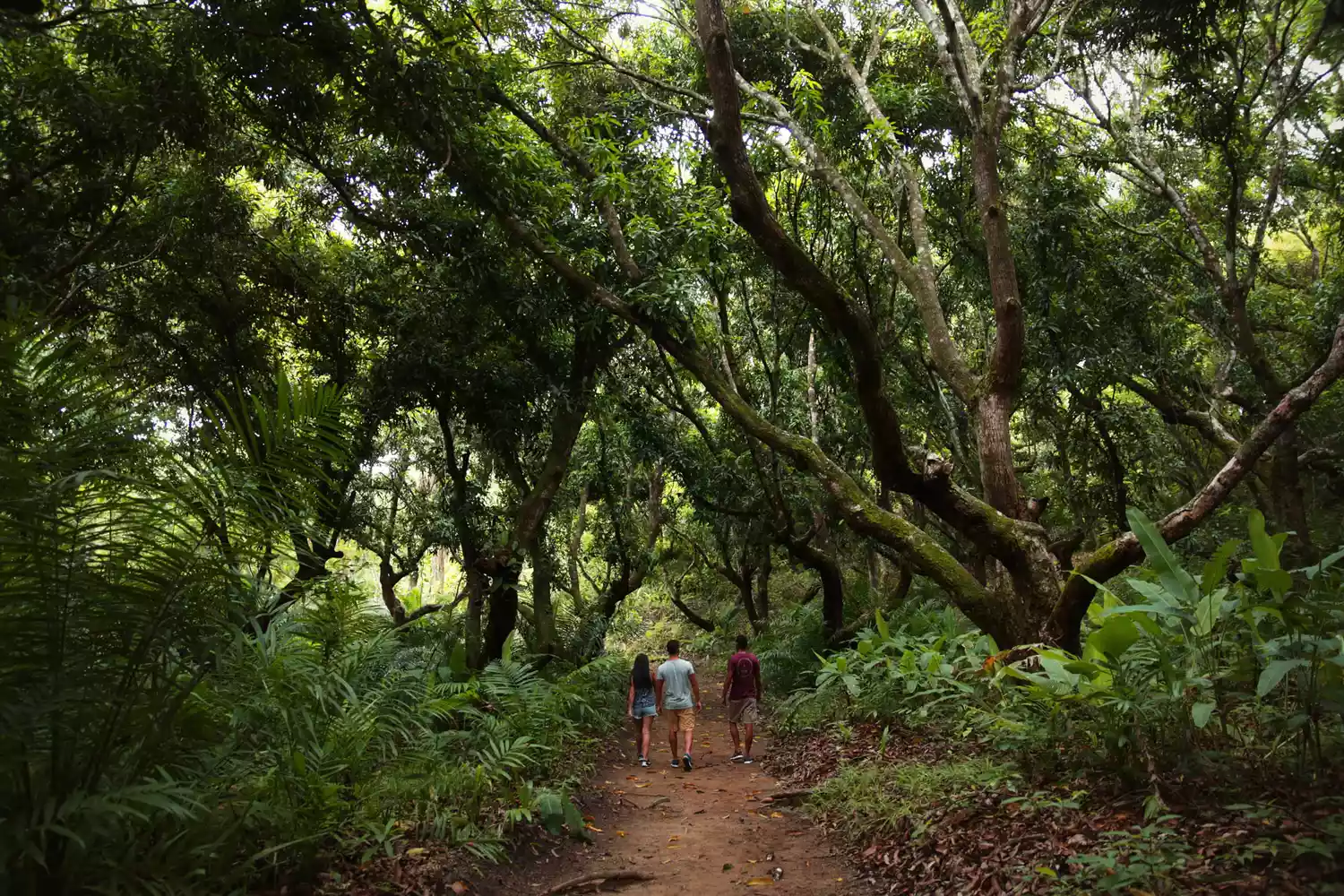
Modernization Warning: As the Nicoya Peninsula becomes a more popular destination for global tourism, the traditional lifestyle is at risk. Younger generations are increasingly adopting Western-style processed diets and sedentary behaviors. The longevity seen today is a gift from the lifestyle choices made 60 to 80 years ago; the future of the Blue Zone depends on the preservation of these ancient habits.

FAQ
Why is the Nicoya Peninsula considered a Blue Zone?
The Nicoya Peninsula was identified as a Blue Zone by Dan Buettner and a team of demographers because it contains one of the highest concentrations of centenarians in the world. It is unique among Blue Zones for having the lowest rate of middle-age mortality, where a 60-year-old man has the highest probability of reaching the age of 100 on the planet.
What do people eat in the Nicoya Peninsula longevity diet?
The diet is primarily plant-based and centered on the Three Sisters: beans, squash, and corn. The corn is traditionally nixtamalized, which boosts the mineral content. They also consume various tropical fruits, small amounts of lean protein like pork or eggs, and locally produced fresh cheese.
What are the secrets to long life in Costa Rica?
The secrets involve a combination of environmental, dietary, and social factors. These include mineral-rich hard water that protects bones, a low-calorie diet of complex carbohydrates, a Plan de Vida that provides purpose, and a culture of intergenerational support that prevents social isolation.
What daily habits contribute to longevity in Nicoya?
Daily habits include waking up with the sun, engaging in low-impact physical tasks like gardening or wood-chopping, taking a midday rest, and maintaining a light dinner. Perhaps most importantly, the habit of visiting neighbors and family ensures that social connections remain strong throughout life.
Is the Nicoya Peninsula still a Blue Zone today?
While the centenarians living there today still exemplify the Blue Zone traits, the region is facing challenges. The introduction of processed foods and more sedentary modern jobs is beginning to impact the health of younger generations, leading researchers to stress the importance of preserving traditional Chorotega ways of life.