Quick Facts
- Distance: 681 kilometers across the North Island
- Duration: Approximately 11 hours from departure to arrival
- Frequency: Operates 3 days per week in each direction
- Engineering Highlight: The historic Raurimu Spiral and the 79-meter-tall Makatote Viaduct
- Scenic Highlight: UNESCO World Heritage views of the three active volcanoes in Tongariro National Park
- Peak Season: February to April, when seat utilization approaches 90 percent
The Northern Explorer Train is a world-renowned 11-hour rail journey traversing 681km between Auckland and Wellington. It offers the most sustainable and scenic passage through the North Island, featuring the UNESCO-listed Tongariro National Park and the historic Raurimu Spiral.
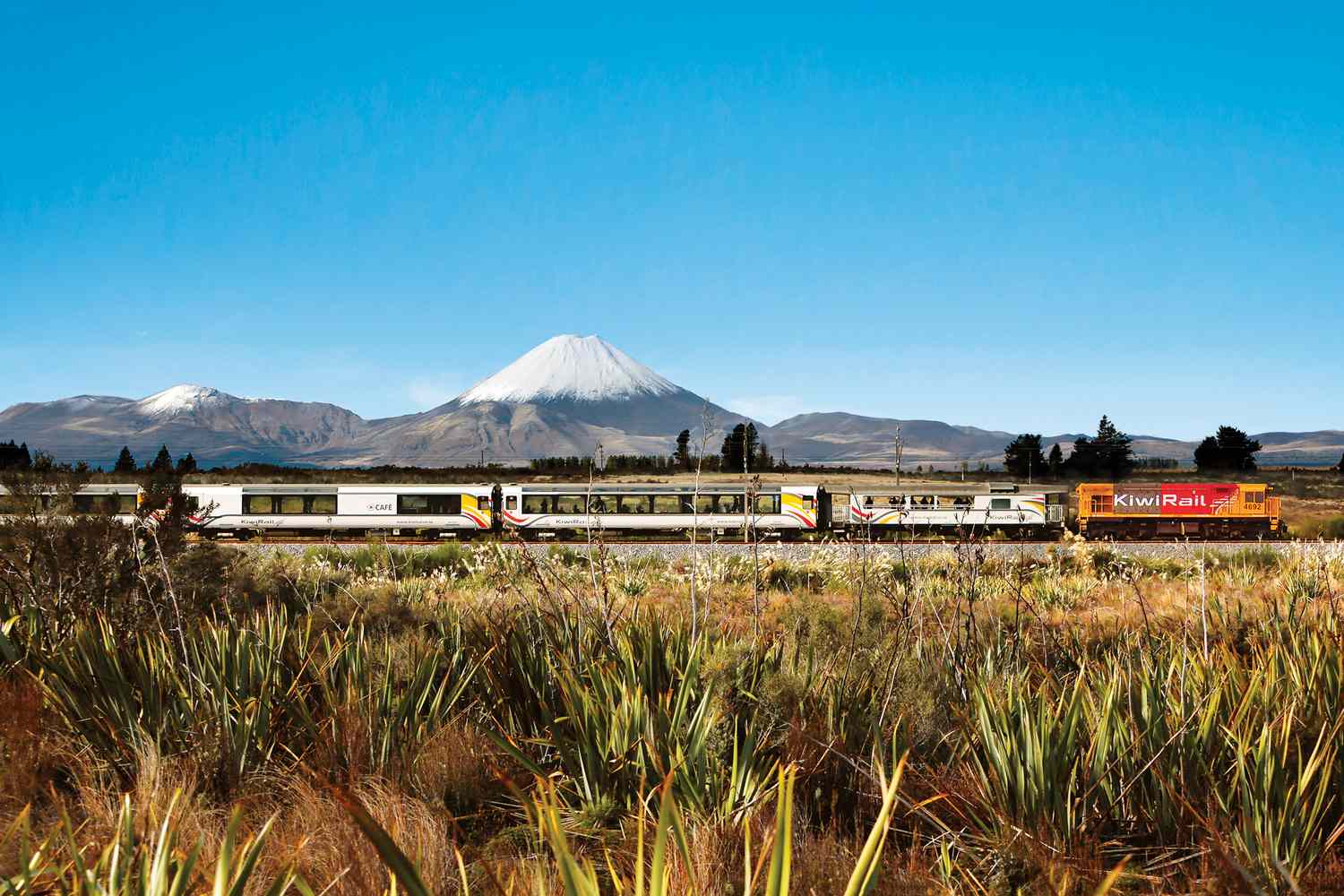
As a visual editor, I often tell my readers that the best way to see the world isn't through a viewfinder, but through a panoramic window that moves with the landscape. The Auckland to Wellington rail journey is a masterclass in New Zealand topography. While flying takes an hour and driving requires constant focus on the road, this rail journey allows you to witness the transition from the subtropical lushness of the north to the rugged, windswept beauty of the south in a single day. Many travelers ask is the northern explorer train worth the 11 hour journey, and my answer is always a resounding yes—especially if you value slow travel and the ability to capture photographs that are impossible to get from the highway.
Before You Board: Departure and Logistics
Preparation is key to enjoying the Northern Explorer Train without stress. Unlike most suburban trains in Auckland that depart from Britomart, this long-distance service leaves from Strand Station. Located on the edge of the CBD, it has a more classic, quiet atmosphere that sets the tone for the trip. I recommend arriving at least 20 minutes before your scheduled departure to handle check-in and luggage storage.
The Great Journeys New Zealand staff are known for their efficiency, but keep an eye on your itinerary for potential maintenance bus replacements, which occasionally occur during the winter months through 2026. This is a journey that rewards the early bird; getting settled into your seat before the train pulls away allows you to prep your camera gear and enjoy that first complimentary tea or coffee as the city of sails fades into the distance.
Stage 1: The Waikato and King Country
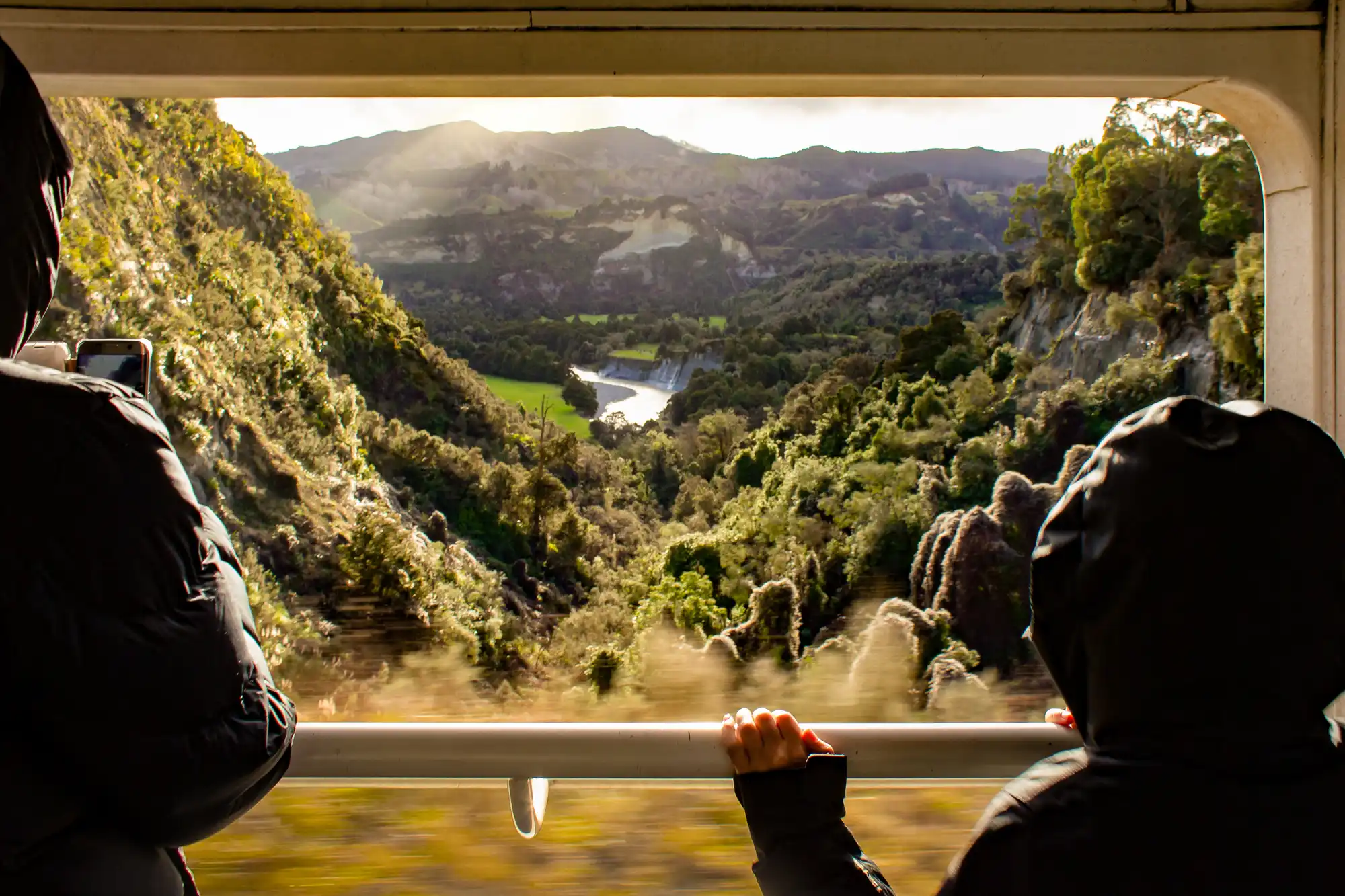
The first few hours of the northern explorer auckland to wellington scenic highlights are defined by a vibrant, almost neon green. This is the heart of the Waikato, a region famous for its dairy farming and horse breeding. The tracks cut through rolling pastures where mist often clings to the valleys in the early morning, creating a dreamlike quality perfect for soft-focus landscape photography.
One of the first significant North Island train tour stops is Hamilton, followed by Otorohanga. If you are looking for the best stops on northern explorer train north island to break up your trip, Otorohanga is a prime candidate. It serves as the gateway to the Waitomo Glowworm Caves. Some travelers choose to disembark here, spend a night exploring the subterranean wonders, and re-board the train a couple of days later to continue their journey south.
As we move past Otorohanga, the landscape begins to toughen. The gentle hills of the Waikato give way to the rugged King Country. Here, the North Island Main Trunk follows deep river gorges and clears through dense native bush. You will start to notice the train working harder, tilting into curves and beginning the steady climb toward the center of the island.
Stage 2: Engineering Marvels of the Central Plateau
This segment of the trip is where the northern explorer train raurimu spiral and viaduct views take center stage. For fans of industrial history and railway engineering, this is the holy grail of New Zealand rail. To overcome a massive 132-meter change in elevation over a short distance, engineers in 1898 designed the Raurimu Spiral. The train loops back on itself, tunnels under its own tracks, and performs two sharp horseshoes. It is a feat of logic and steel that still feels modern today.
Alex’s Pro Tip: If you are in the open-air carriage during the Raurimu Spiral, look for the point where you can see the tracks you were literally on five minutes ago. It’s a rare perspective on how we conquered the volcanic geography of the North Island.
Following the spiral, the train crosses the Makatote Viaduct. Rising 79 meters above the Makatote River, it was the final piece of the North Island Main Trunk puzzle completed in 1908. Looking down from the panoramic windows can be dizzying, but the view of the valley floor and the ancient rimu trees is spectacular. It is a moment of pure adrenaline and beauty that defines the Tongariro National Park scenery by train experience.
Stage 3: Middle-earth and the Volcanic Heart
As the train reaches the high plains of the Central Plateau, the vegetation thins out, replaced by tussock grass and volcanic rock. This is the UNESCO World Heritage site known as Tongariro National Park. From your seat, you are treated to a front-row view of three massive peaks: Mount Ruapehu, Mount Tongariro, and the perfectly symmetrical cone of Mount Ngauruhoe.
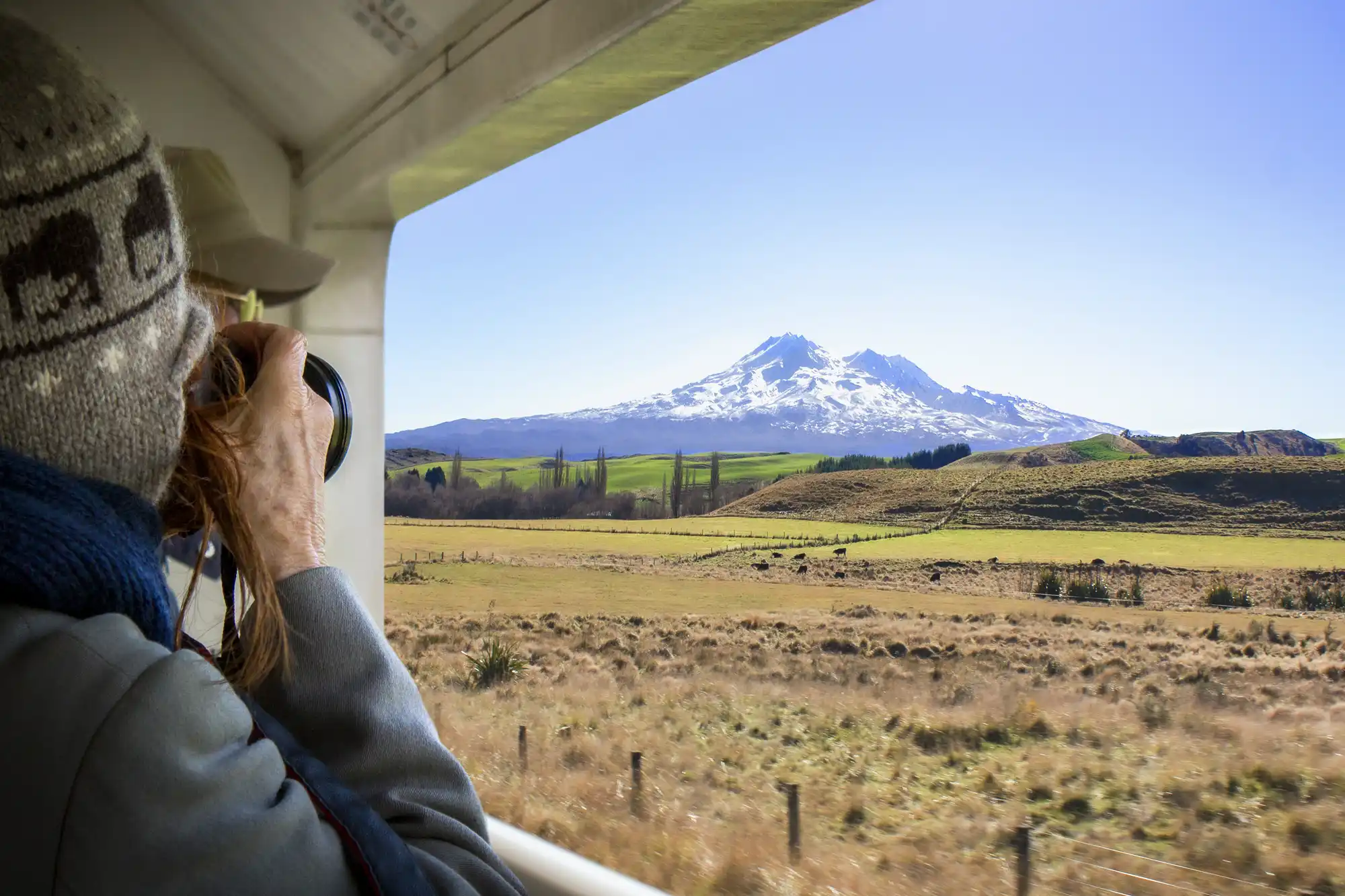
For fans of cinema, this area is synonymous with the northern explorer train lord of the rings filming locations. Mount Ngauruhoe famously stood in for Mount Doom, and the jagged rocks and bleak, beautiful plains surrounding the tracks served as parts of Mordor and the site of many traveler's journeys through Middle-earth. The stark contrast between the bright white snow on Mount Ruapehu and the dark volcanic soil makes for some of the most dramatic photography of the entire trip.
The Onboard Experience: Scenic vs. Scenic Plus
Choosing between the two service levels is the most common question I get. While both offer access to the legendary open-air viewing carriage, the level of immersion and comfort differs significantly.
| Feature | Scenic Class | Scenic Plus Class |
|---|---|---|
| Seating | Reclining seats in pairs | Spacious seating with more legroom |
| Dining | Licensed café carriage for purchase | All-inclusive multi-course gourmet meals |
| Beverages | Available for purchase | Complimentary NZ wines, beers, and soft drinks |
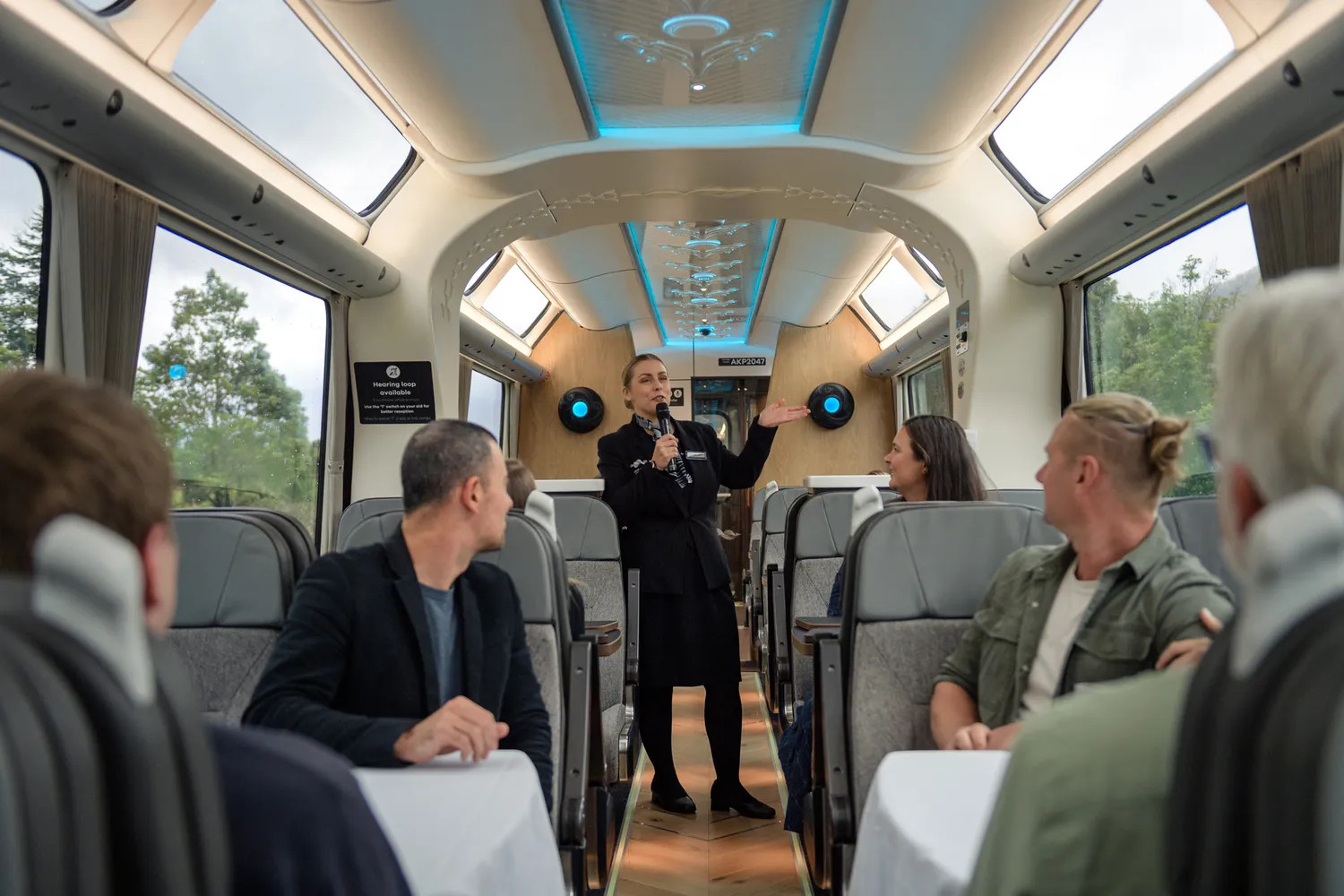
| Service | Standard onboard staff | Dedicated hosts with regional storytelling |
| Navigation | GPS-triggered audio commentary | Personal host insights and printed guide |
The northern explorer train scenic plus dining experience guide highlights the incredible focus on local ingredients. You might find yourself enjoying a braised lamb shank from a farm you passed just an hour earlier, paired with a Pinot Noir from the Wairarapa. It turns a long journey into a rolling banquet.
Photography Tips: To get the best shots from the open-air viewing carriage, use a fast shutter speed (at least 1/500s) to counteract the train's vibration and movement. Polarizing filters are your best friend here, as they help deepen the blue of the sky and the greens of the bush without the interference of window glass. This is the best way to use the tips for photography on northern explorer open air carriage for professional-grade results.
Journey’s End: The Kapiti Coast to Wellington
As the afternoon sun begins to dip, the train leaves the mountains behind and descends toward the coast. The final stretch takes you along the Kapiti Coast, where the Tasman Sea crashes against the shore. On a clear day, you can see the outline of the South Island across the Cook Strait.
Before reaching the capital, the train makes stops at Ohakune, a hub for winter skiing and summer mountain biking, and Palmerston North. These are essential North Island train tour stops for those looking to explore the Manawatu region or those heading toward the Hawke's Bay.
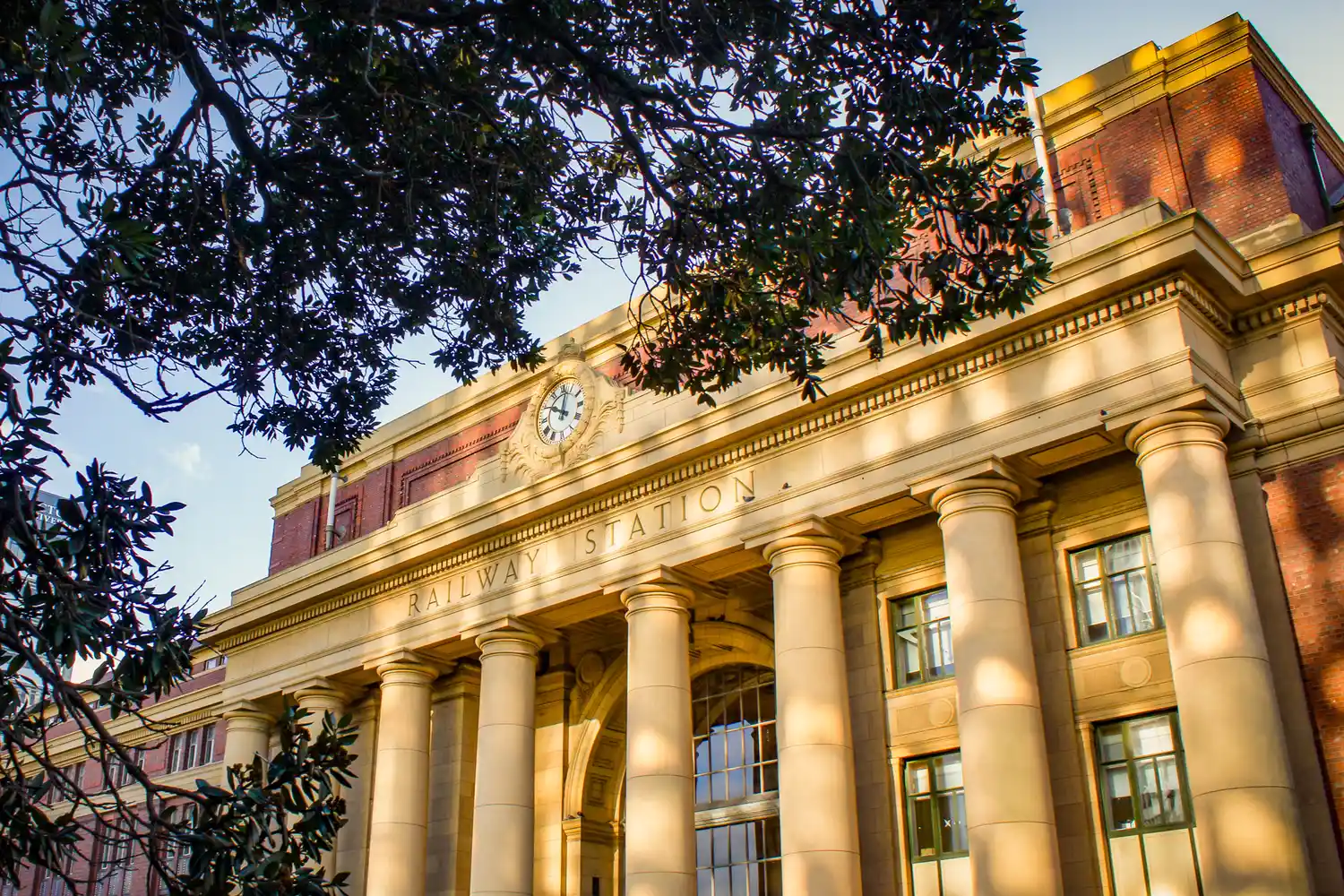
The journey concludes as the tracks hug the Wellington harbor. Seeing the city lights flicker to life as you pull into the historic Wellington Railway Station is the perfect end to an 11-hour odyssey. You arrive right in the heart of the city, just a short walk from the waterfront and many of the capital's best hotels.
FAQ
How long does the Northern Explorer train take from Auckland to Wellington?
The entire journey takes approximately 10 to 11 hours, depending on seasonal schedules and any required stops. It is a full-day experience that covers the diverse geography of the North Island in a way that is far more relaxing than driving.
Where are the main stops on the Northern Explorer route?
The train stops at major regional hubs including Hamilton, Otorohanga (for Waitomo), National Park (for Tongariro), Ohakune, Palmerston North, and finally Wellington. Travelers can use these stops to access some of New Island's most famous natural attractions.
Is food and drink available on the Northern Explorer?
Yes, the train features a licensed café carriage for all passengers, offering snacks, light meals, and beverages. For those in Scenic Plus, the ticket price includes a premium dining experience with multi-course meals and a selection of New Zealand wines and beers served at your seat.
What is the difference between Scenic and Scenic Plus classes?
Scenic Class offers comfortable reclining seats and access to the café and viewing carriages. Scenic Plus provides a premium experience with more spacious seating, all-inclusive gourmet dining, complimentary drinks, and dedicated hosts who provide live commentary on the passing landscape.
Is the Northern Explorer train journey worth it?
For anyone who appreciates landscape photography, engineering history, or the thrill of seeing volcanoes up close without the stress of driving, it is absolutely worth it. It provides a unique perspective on the country that no other mode of transport can match, particularly as it passes through remote areas inaccessible by car.