Quick Facts
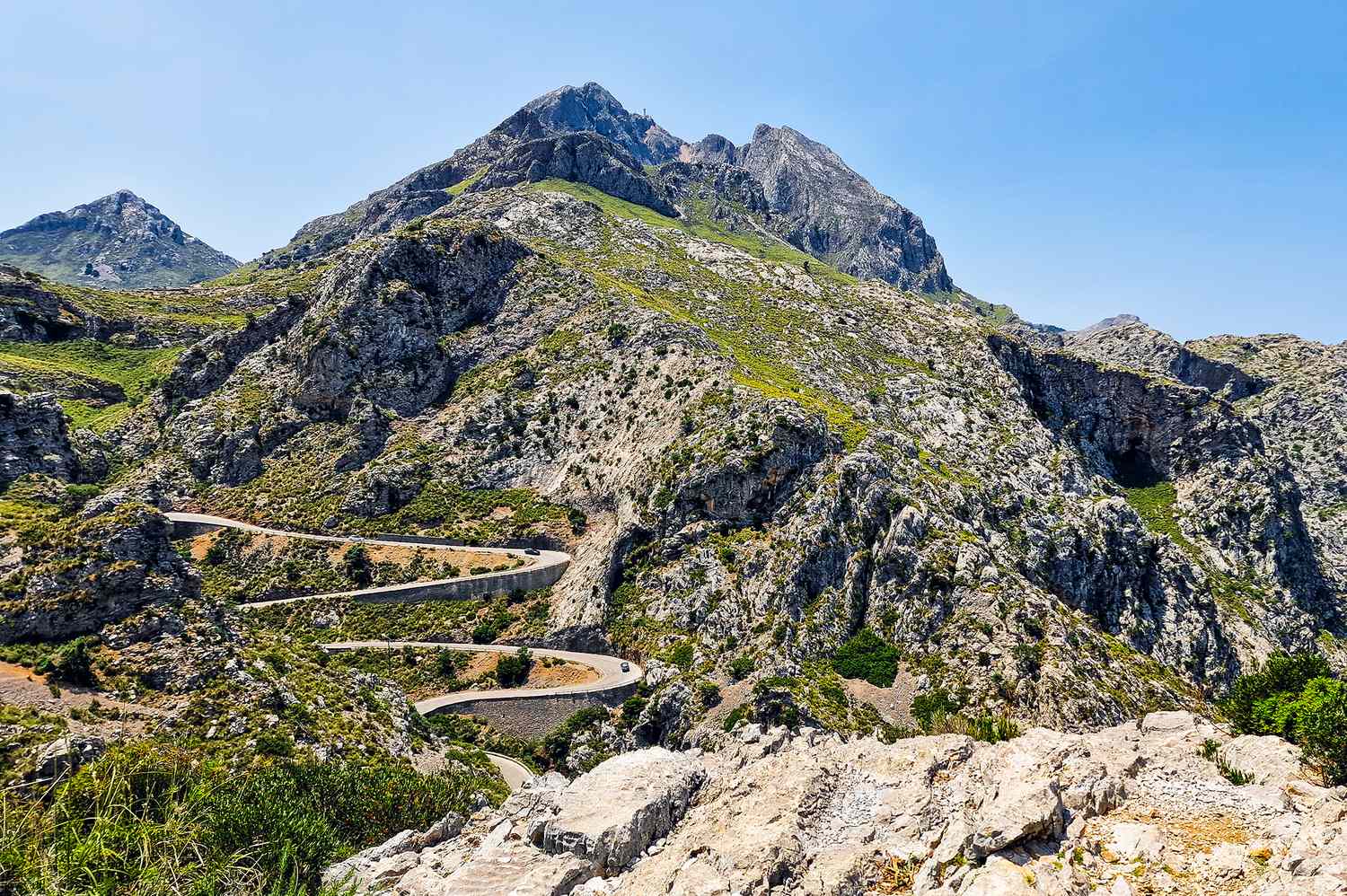
- Distance: 9.4 kilometers for the main ascent (Coll del Reis).
- Average Gradient: 7 percent with maximum ramps reaching 12 percent.
- Elevation Gain: 668 meters (2,191 feet) of vertical elevation gain on the climb alone.
- Hairpins: 26 switchbacks including the legendary Nus de Sa Corbata (Tie Knot).
- Location: Tramuntana Mountains, a UNESCO World Heritage site in Northwest Mallorca.
- Best Bike Type: E-road bike with a mid-drive motor and at least 500Wh battery.
Beginner cyclists can tackle Sa Calobra by using an e-road bike to manage the 7 percent average gradient and 26 hairpin turns. Routes often start from Port de Sóller or Pollença, with the steepest ascent beginning near the Gorg Blau reservoir and culminating at the iconic 270-degree loop. Utilizing pedal-assist modes allows less experienced riders to bridge the gap with seasoned road warriors while climbing 2,358 feet through the Tramuntana Mountains.
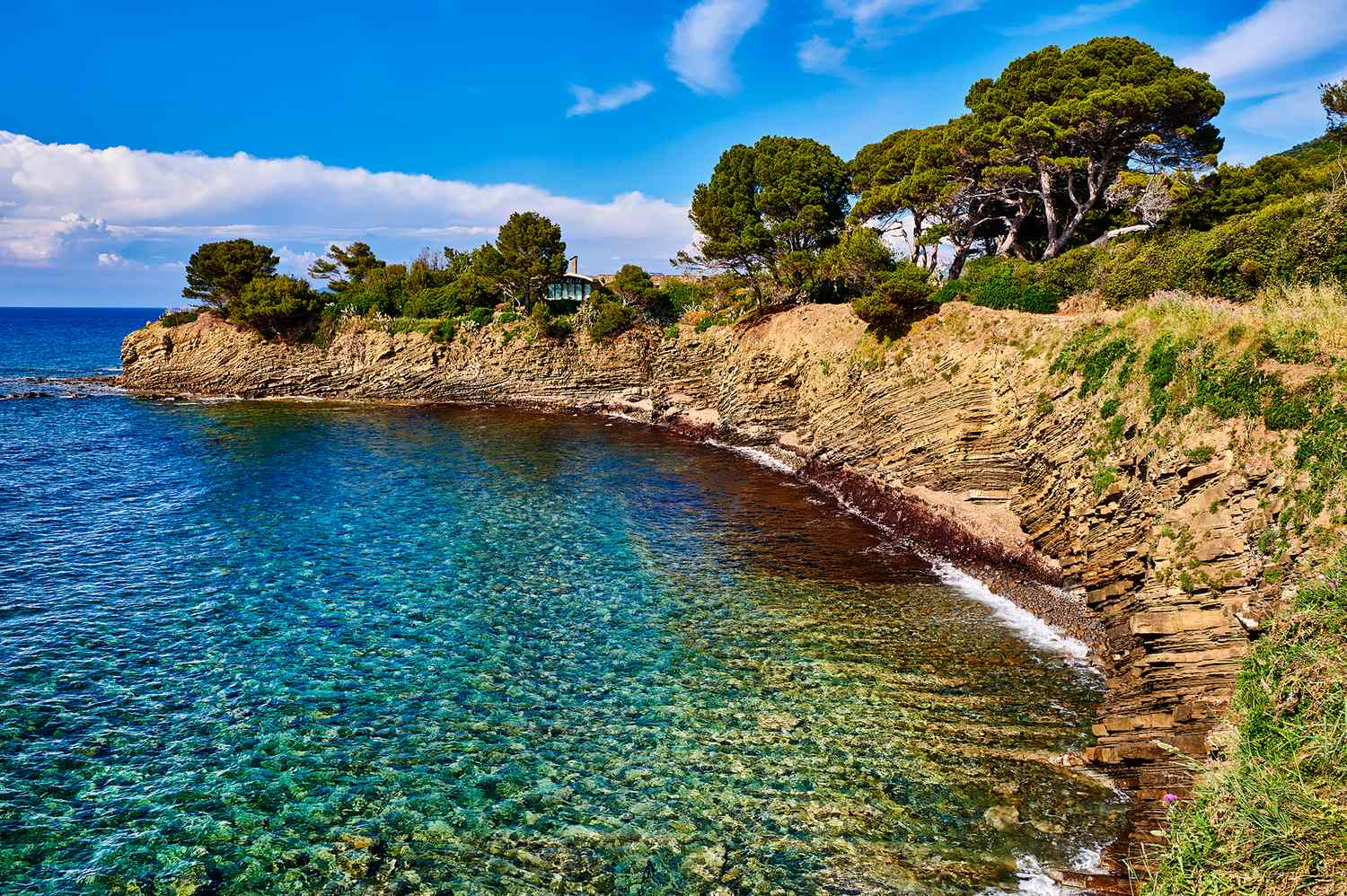
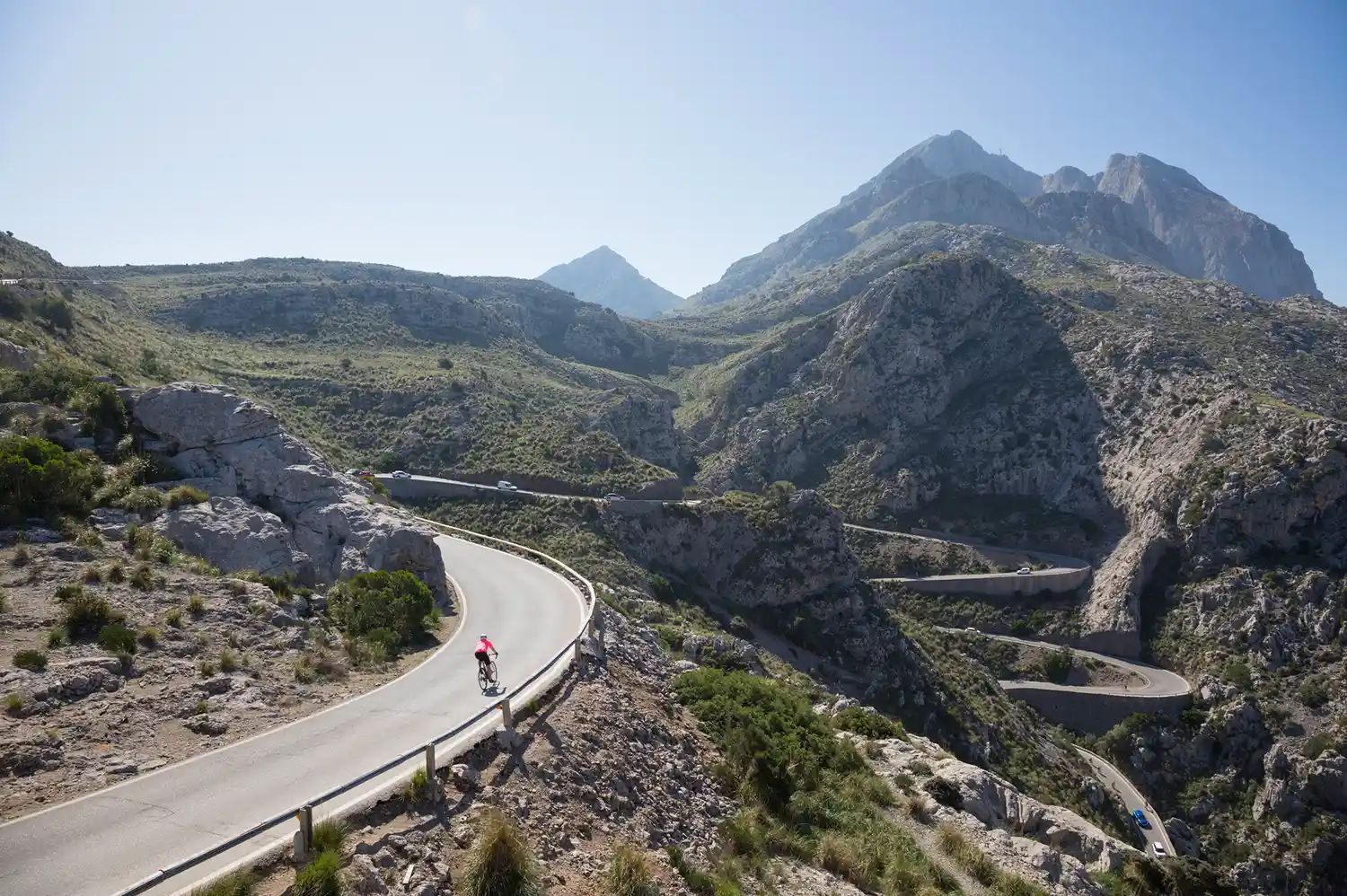
I still remember the first time I stood at the edge of the Coll del Reis looking down. The road doesn't just descend; it coils like a mountain viper down to the turquoise waters of the Mediterranean. For years, Sa Calobra cycling was reserved for the elite, the semi-pros with lungs of steel and legs like pistons. But things have changed. On my latest expedition to the Balearic Islands, I swapped my standard carbon frame for a high-end e-road bike, and let me tell you—it’s a total game-changer. Mallorca's cycling tourism sector attracts roughly 200,000 visitors per year and generates an estimated 150 million euros for the island's economy, and a huge part of that recent growth is thanks to the accessibility of electric assistance.
The E-Bike Advantage: Renting Your Way to the Summit
For the purists, the idea of an e-bike on the most famous climb in Spain might feel like cheating. But when you’re staring at 26 hairpin switchbacks and a vertical drop that looks like a staircase for giants, that pedal assist starts looking pretty smart. Renting high-end e-road bikes in Mallorca has become incredibly easy, especially in cycling hubs like Port de Sóller and Palma. These aren't heavy commuters; we’re talking about sleek, aerodynamic machines with integrated batteries that look almost identical to traditional road bikes.
The real beauty is the psychological edge. When you know you have various pedal assist modes at your fingertips, the fear of "bonking"—hitting that wall of total exhaustion—disappears. You can focus on the rhythmic flow of the ride rather than just the burning in your quads. This technology is driving a massive surge in popularity; in the first quarter of 2025, cycle tourism in Mallorca grew by 30% compared to the previous year, supported by an infrastructure of 2,071 kilometers of local roads and paths. Using an e-bike allows you to participate in the road cycling culture without needing three years of intensive training beforehand.
Strategic Routing: Port de Sóller to Sa Calobra
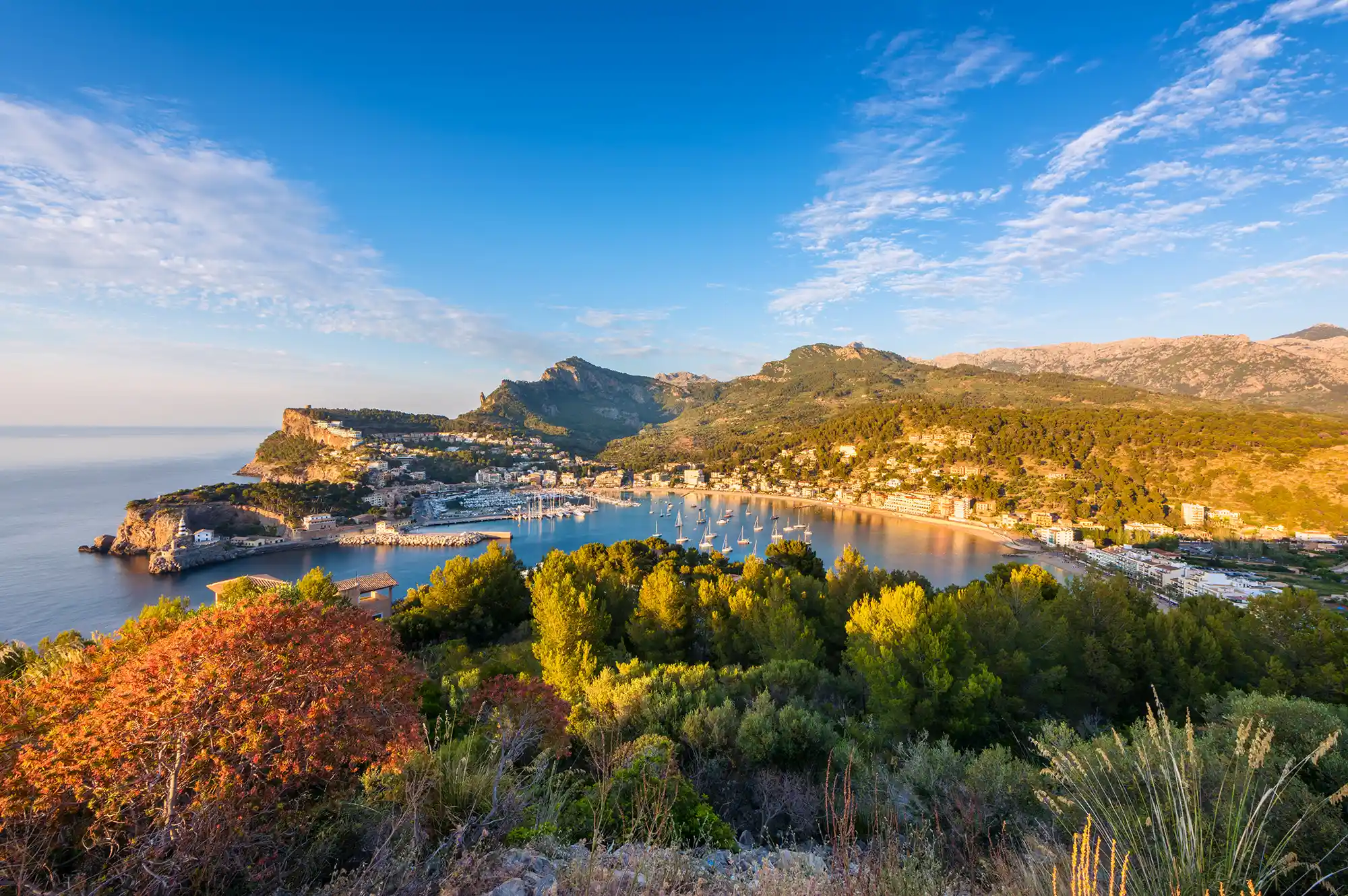
Choosing your starting point is the first major decision of your trip. Most riders choose between two main options: the Port de Sóller to Sa Calobra route or starting from Pollença. If you want the full mountain experience, I highly recommend starting in the Port. You’ll begin with a steady climb toward the heart of the Tramuntana Mountains, passing through the fragrant orange groves that the valley is famous for.
As you head toward the base of the climb, you’ll navigate the Puig Major summit bypass. This is the highest point on the island accessible by road, and while you don't go all the way to the top, the views are staggering. You’ll eventually pass the Gorg Blau reservoir, a stunning blue lake tucked between limestone peaks. This is your final chance to check your gear before the official start of the descent into Sa Calobra at the Coll del Reis.
When comparing cycling Sa Calobra from Pollenca vs Port de Sóller, the Sóller route offers a more dramatic approach with more varied scenery, though it involves more overall climbing before you even reach the main event. Regardless of which way you approach, the UNESCO World Heritage site surroundings make every mile feel like a victory.
Mastering the Descent and the 26 Switchbacks
Here is the unique thing about Sa Calobra: it’s a dead end. To climb it, you first have to descend it. This reverse-order challenge means you need to be technically prepared from the second you tip your bike over the ridge. This road was designed by engineer Antonio Parietti in 1933, and he didn't use any tunnels. Instead, he followed the natural curves of the mountain, creating the Nus de Sa Corbata, or the Tie Knot—a 270-degree spiral bridge where the road actually passes under itself.
Pro Tip: The descent is where the most accidents happen. Don't let the beauty of the Mediterranean landscape distract you from the road.
Safety should be your priority during the technical mountain descents. Keep your weight back and low, and avoid "dragging" your brakes. Instead, use short, firm bursts of braking before you enter the hairpin switchbacks. This prevents your rims or rotors from overheating on the long drop. Be mindful of tourist buses; they are huge, and on several of the narrowest bends, they take up the entire road. If you see one coming, find a wider spot and stop completely.
Battery Management and Summer Logistics
Riding an e-bike through the mountains requires a bit of strategy. Effective e-bike battery management for Mallorca mountain climbs is essential because if you run out of juice at the bottom of the cove, you’re left pedaling a heavy bike up a 7 percent average gradient. Start with a full charge and stay in "Eco" or "Tour" mode for the flat sections and the initial approach. You want to save your "Turbo" or "Boost" settings for the 11 percent grades found on the Sa Calobra climb during the return leg.
Timing is everything in the Balearics. The best time of day to cycle Sa Calobra in summer is as early as humanly possible. I try to be on the road by 6:30 a.m. By 10:00 a.m., the tour buses and rental cars begin to clog the narrow turns, turning a serene ride into a stressful navigation exercise. Plus, the midday sun in Mallorca can be brutal, even with pedal assist doing some of the work.
If you find yourself running low on power, look for charging etiquette at local cafes in the Port de Sa Calobra. Many of the establishments at the bottom of the hill are used to cyclists and may allow you to plug in for 30 minutes while you grab an espresso or a slice of almond cake.
Recovery in Port de Sóller
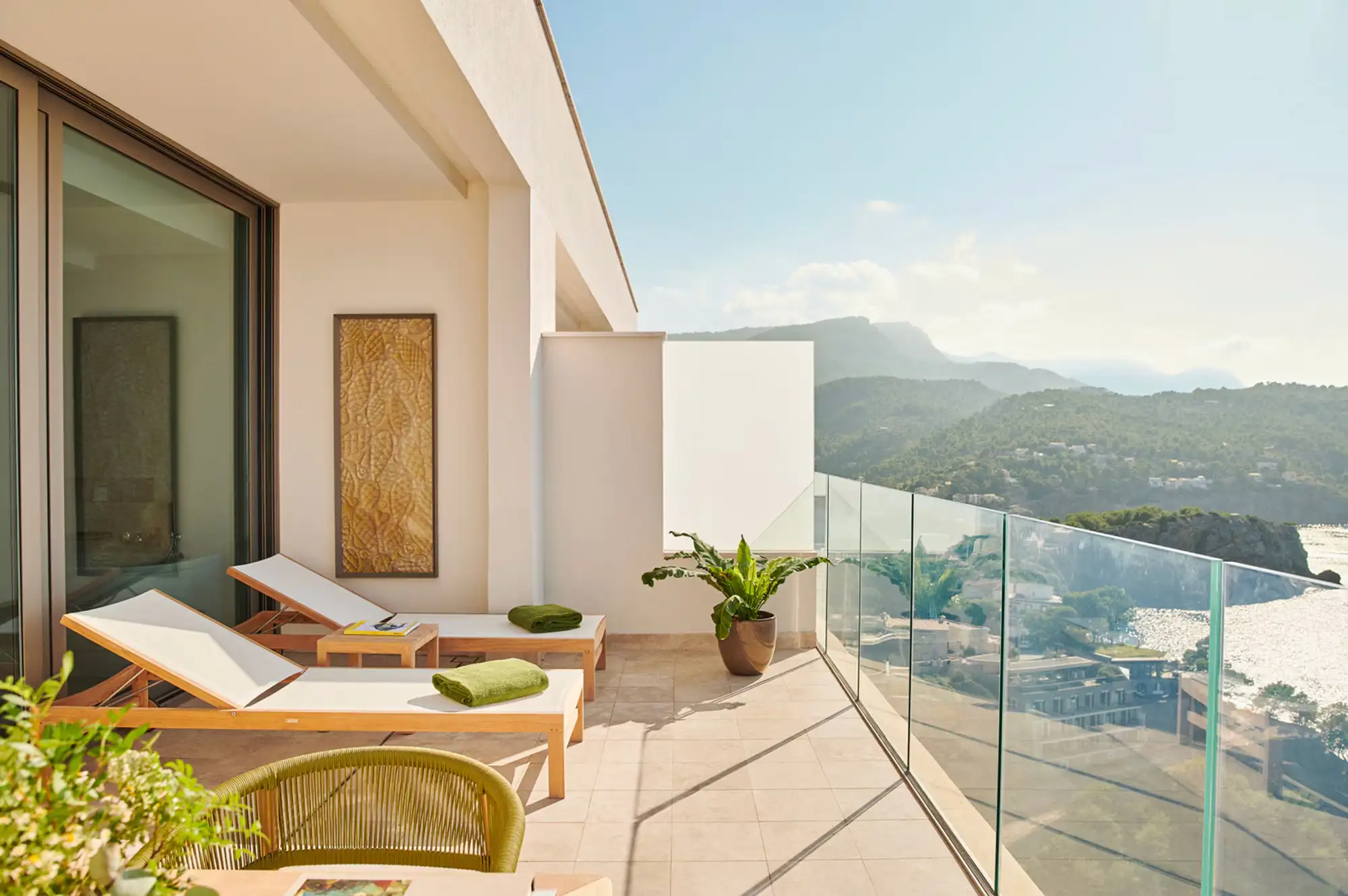
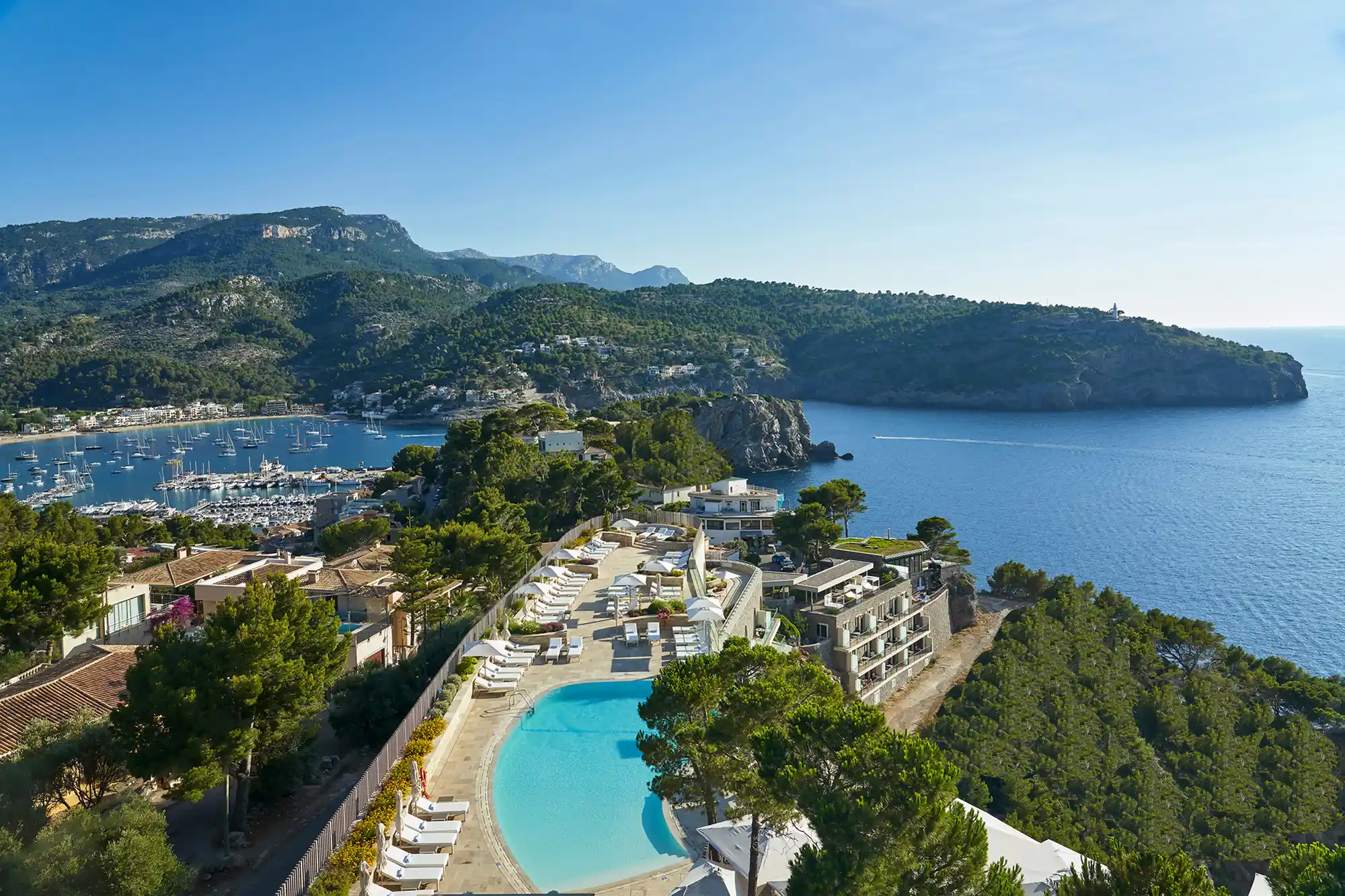
Once you’ve conquered the legendary peaks and made it back to the coast, your body will let you know it’s been through a journey. Even on an e-bike, climbing over 7,000 feet of total elevation on a 50-mile round trip takes a toll. This is where Port de Sóller shines. The town has evolved into a high-end wellness hub specifically catering to the road cycling culture.
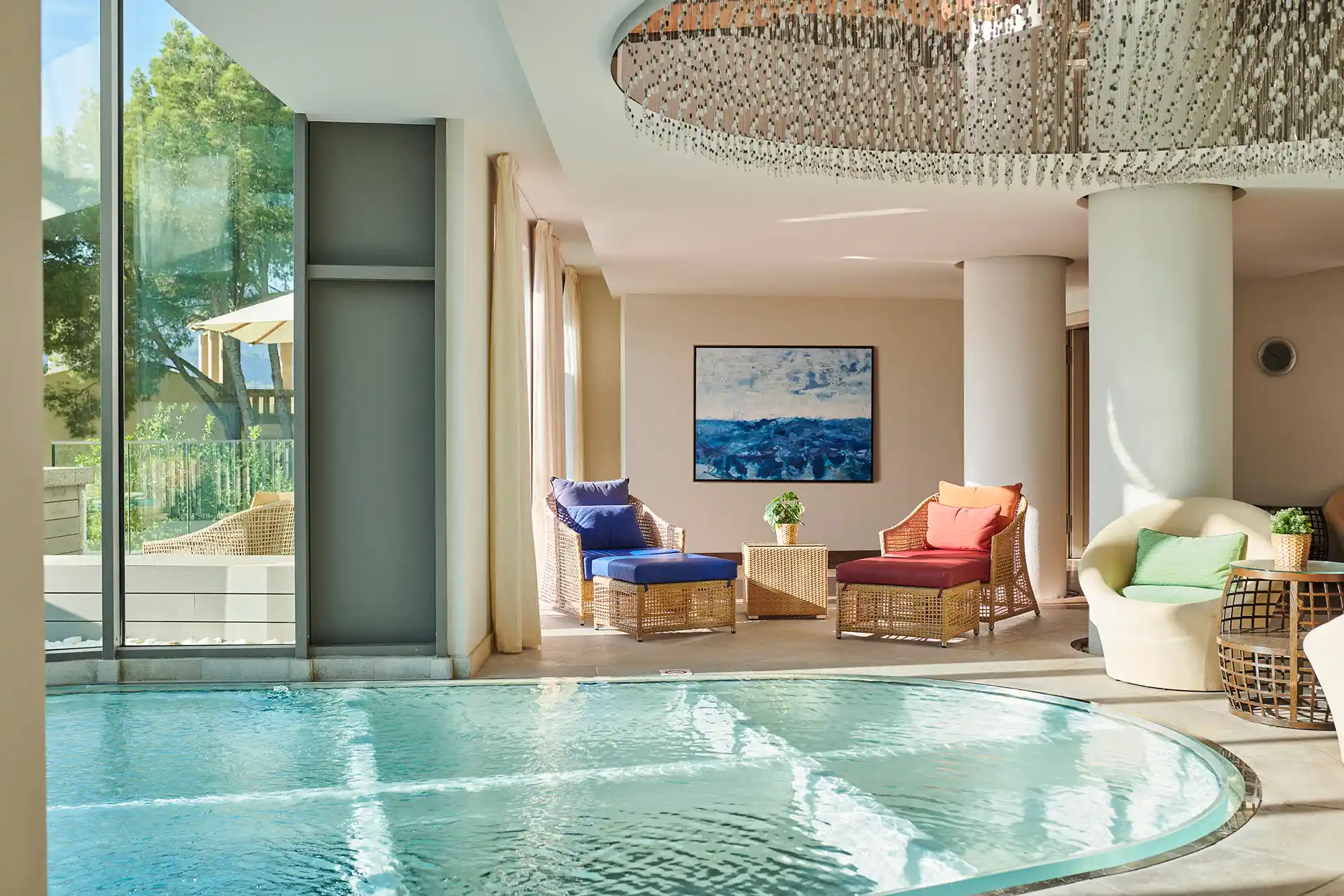
Post-ride recovery is just as important as the ride itself. I always head straight for a session of hydrotherapy—the contrast between cold and warm water does wonders for circulation and muscle repair. Many hotels in the Port offer deep-tissue massages designed specifically for cyclists. Pairing that with fresh Mediterranean cuisine—think grilled octopus, local olives, and citrus salads—is the ultimate way to cap off the day. It’s that balance of athletic effort and pure relaxation that makes Mallorca the world's premier cycling destination.
FAQ
How hard is the Sa Calobra climb?
The climb is considered medium-to-hard for experienced cyclists and very challenging for beginners on a standard bike. The 9.4-kilometer ascent features a consistent 7 percent gradient that rarely lets up. However, with an e-road bike, the difficulty is significantly mitigated, making it accessible to anyone with basic bike handling skills.
What is the gradient of Sa Calobra Mallorca?
The average gradient is 7 percent, but don't let that number deceive you. There are several sections, particularly near the top switchbacks and the Nus de Sa Corbata, where the incline hits 11 or 12 percent. The total vertical gain from the sea to the summit of the pass is approximately 668 meters.
Is Sa Calobra suitable for beginner cyclists?
On a traditional road bike, Sa Calobra is generally not recommended for absolute beginners due to the sustained effort required. However, provided you have good Sa Calobra cycling for beginners guide advice and a high-quality e-bike, it is a fantastic way for less-fit riders to experience one of the world's most beautiful roads safely.
How many hairpin bends are on the Sa Calobra climb?
There are 26 hairpin bends on the official ascent from the Port of Sa Calobra up to the Coll del Reis. This includes the famous 270-degree spiral bridge known as the Tie Knot, which is one of the most photographed engineering marvels in the world of cycling.
What should I bring for a cycling trip to Sa Calobra?
You should bring two full water bottles (hydration is key in the sun), a repair kit for punctures, a fully charged phone, and a lightweight windproof jacket for the descents, which can feel chilly even in summer. If you are using an e-bike, ensure your battery is at 100 percent and carry your charging cable if you plan on a long lunch at the bottom.
If you have been dreaming of those iconic switchbacks but weren't sure if your legs could handle the heat, 2026 is the year to make it happen. Grab an e-road bike, set your assist to the right level, and experience the pure magic of the Tramuntana Mountains. See you at the summit!