Quick Facts
- Certification: Celebration Key is KultureCity Sensory Inclusive Certified, the first cruise destination of its kind.
- Investment: Carnival Corporation has funneled approximately $600 million into the development of this private port.
- Staff Support: More than 400 guest-facing staff members have undergone specialized training in behavioral empathy and sensory awareness.
- Essential Equipment: Families have access to complimentary sensory bags featuring noise-reducing headphones and tactile tools.
- Economic Impact: The project is expected to create over 2,500 direct Bahamian jobs and significantly boost the local economy.
- Capacity: The destination is designed to host 2.2 million guests annually starting in 2025, growing as the pier expands.
- Regulation Resources: Designated quiet zones and calm-haven rooms provide structured spaces for guests experiencing auditory overstimulation.
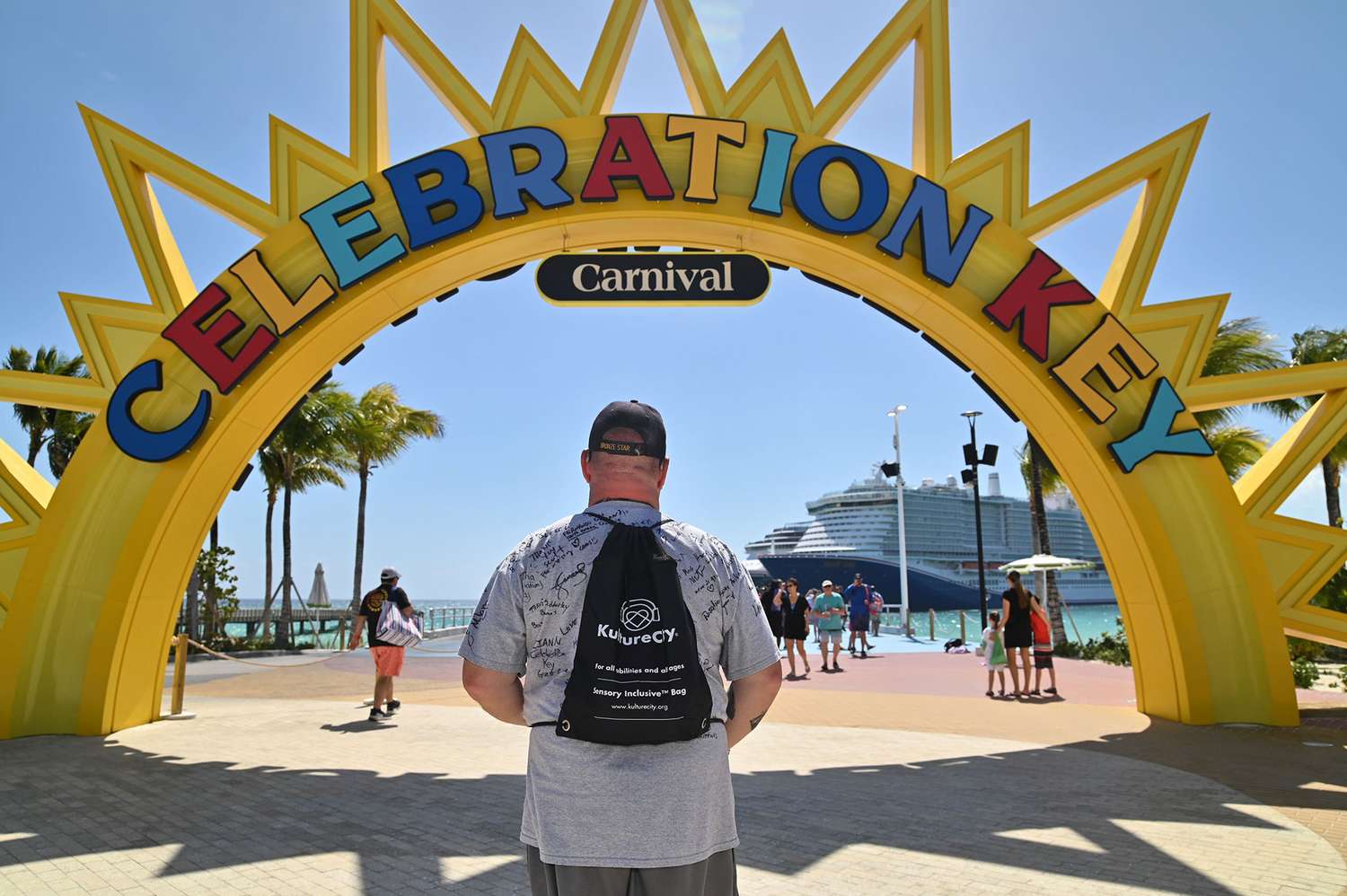
Celebration Key provides KultureCity-certified amenities including complimentary sensory bags equipped with noise-reducing headphones, fidget tools, and strobe-filtering eyewear. This sensory-inclusive travel destination also features 400+ trained staff members to assist guests with neurodivergent needs, ensuring that families can navigate the vibrant port environment with confidence and support.
If you have ever stood on a cruise pier feeling the intense Caribbean sun while the sounds of music and thousands of excited travelers began to swirl around you, you know that travel is as much about the environment as it is about the itinerary. For families like ours, a beautiful beach is only relaxing if the logistics don't lead to a sensory meltdown. As a travel editor and a parent, I have spent years looking for destinations that do more than just put a sticker on their website; I look for places that change the actual experience on the ground.
That is why the news coming out of Celebration Key in Grand Bahama is so significant. This is not just another cruise port with a pool and a buffet. It represents a massive shift in how we think about inclusive hospitality standards. By prioritizing sensory-inclusive travel from the design phase, Carnival is acknowledging that a vacation should be accessible to everyone, including those with invisible disabilities or neurodivergent needs. Whether you are dealing with auditory overstimulation or simply need a predictable plan for your day, this destination is being built with your family in mind.
The KultureCity Toolkit: On-Island Amenities
One of the most practical parts of this new destination is the partnership with KultureCity. If you are not familiar with them, they are the gold standard for creating inclusive spaces in stadiums, museums, and now, cruise ports. Upon arrival, families can head to guest services to check out sensory bags. These are not just bags of toys; they are carefully curated KultureCity travel resources designed to help children and adults regulate their sensory input throughout the day.
Inside these bags, you will find high-quality noise-reducing headphones. These are a lifesaver when the island music gets loud or the crowds at the lunch pavilion peak. You will also find strobe-filtering eyewear, which is incredibly helpful for guests who are sensitive to the flickering light of the sun on the water or bright indoor lighting. For those who find comfort in movement, the bags include various fidget tools that provide tactile tools for grounding during transitions between the ship and the shore.
Where to find sensory bags at Celebration Key Bahamas is made easy through clear signage and staff direction. Beyond the bags, the destination uses feelings thermometers. These are simple but effective non-verbal communication aids that allow visitors to point to their current emotional state. If a child is feeling overwhelmed but cannot find the words to say it, the thermometer gives them a way to tell a staff member or a parent that they need a break. Additionally, guests can use a specialized lanyard to discreetly signal that they might need a little extra time or support, which is a staple of sensory-friendly amenities at Celebration Key Bahamas.
Managing the Environment: Quiet Zones & Regulation
Even with the best tools in your backpack, sometimes the best sensory-inclusive travel strategy is simply having a place to escape. Celebration Key has been designed with designated quiet zones. These calm environments are specifically set away from the high-energy music and "party" atmospheres of the main lagoons. If you are looking for the best quiet zones for sensory regulation at Celebration Key, keep an eye out for the calm-haven rooms. These are indoor, climate-controlled spaces where the lighting and sound are kept low, providing a controlled setting for de-escalation.
The staff training here is a major part of the value. Over 400 guest-facing employees have been trained in behavioral empathy. This means that if a staff member sees a child struggling, their first instinct is support rather than judgment. They are taught to recognize the signs of sensory overload and know exactly how to guide a family to the nearest quiet zone. This level of inclusive hospitality standards helps remove the "all eyes on me" anxiety that many parents feel when their child has a difficult moment in public.
For meal times, I recommend looking for sensory friendly dining options at Celebration Key Grand Bahama early in the day. While the food areas can get busy, the staff can often help you find a table in a lower-traffic area if you ask. Using crowd density awareness by eating slightly before or after the peak lunch hour can also help manage environmental trigger management issues like noise and long lines.
Pre-Trip Planning: Social Stories & TSA Support
The success of a trip often depends on what happens before you even leave your house. For neurodiverse tourism to be successful, we need tools that help us prepare our kids for what is coming. This is where using Carnival social stories for sensory-inclusive travel prep becomes essential. These are visual guides that allow a child to see exactly what the arrival at Celebration Key looks like, from walking down the pier to finding the quiet zones. This kind of predictive voyage planning reduces the fear of the unknown, which is one of the biggest triggers for anxiety.
When you are planning a trip of this scale, remember that the inclusive experience starts at the airport. You can contact TSA Cares (1-855-787-2227) at least 72 hours before your flight to request assistance for travelers with disabilities. Once you are on your way, these travel tips for neurodivergent families can make the transition much smoother:
- Prep the Lanyard: If your child uses a Hidden Sunflower lanyard for invisible disability support, encourage them to wear it as you exit the ship.
- Visualize the Day: Review the social stories the night before port day so the sights and sounds feel familiar.
- Bring a Comfort Item: Even with the KultureCity bags, having a familiar toy or blanket from home can help with regulation.
- Hydrate Early: Caribbean heat can be a major sensory trigger; staying hydrated helps keep the body’s regulation systems working better.
Honest Tradeoffs: What to Expect
While it is exciting to see a $600 million investment in a destination that cares about our community, we have to be realistic about the scale. By 2025, Celebration Key expects to welcome 2.2 million guests annually, and that number is projected to reach 4 million by 2028. With that many visitors, it will never be perfectly quiet everywhere.
The tradeoff for having world-class sensory-inclusive travel facilities is that you are in a high-capacity environment. You will likely encounter crowds at the entrance and at the most popular water features. The key is to use the resources provided—like the sensory bags and quiet zones—to create a "home base" for your family. Don't feel like you have to see everything. If your child finds a quiet corner of the beach they love, staying there is just as much of a win as doing every activity on the map.
Also, be prepared for the heat. While there are indoor cooling zones and calm-haven rooms, much of the destination is outdoors. For some children, the sensation of sun and sand can be as overwhelming as the noise. Balancing these environmental triggers with breaks in the shade is a practical guide to sensory-inclusive travel at Celebration Key that every parent should follow.
FAQ
What does sensory-inclusive travel mean?
Sensory-inclusive travel refers to the practice of designing destinations and services that accommodate individuals with sensory processing needs. This includes providing tools like noise-canceling headphones, creating quiet zones for de-escalation, and ensure that staff are trained to recognize and support guests with invisible disabilities such as autism, ADHD, or PTSD.
How do I plan a vacation for someone with sensory sensitivities?
Start by researching destinations that hold certifications from organizations like KultureCity. Use social stories to help the traveler visualize the trip beforehand and create a predictable schedule. Always identify where the quiet zones and medical facilities are located at your destination and pack a kit with familiar comfort items and sensory tools.
What should I pack for a sensory-friendly trip?
While many places like Celebration Key provide sensory bags, it is always a good idea to pack your own noise-canceling headphones, weighted lap pads, or favorite fidget toys. Include familiar snacks, as new textures in food can be a trigger, and don't forget strobe-filtering eyewear if light sensitivity is an issue.
Where can I find sensory-certified tourist attractions?
You can search the KultureCity website or app, which lists thousands of certified venues including stadiums, museums, and cruise destinations. Many major theme parks also have dedicated accessibility guides on their websites that detail their sensory-friendly amenities and quiet room locations.
What are the top tips for managing sensory overload while traveling?
The best defense is a good offense: use crowd-tracking tools to visit attractions during off-peak hours. Always have an "exit strategy" by knowing the location of the nearest quiet space. Encourage frequent breaks and check-ins using communication tools like feelings thermometers, and don't be afraid to ask staff for help if you see the signs of a struggle.