Quick Facts
- Duration: 8 nights / 9 days
- Route: Toronto to Milwaukee (or reverse)
- Vessel: Le Bellot or Le Champlain (capacity of approximately 184 passengers)
- Expertise: Two Smithsonian-selected lecturers including maritime historians or geographers
- Engineering Feat: Full transit of the 27-mile Welland Canal and its 8 locks
- Defining Stop: Mackinac Island, a car-free sanctuary of Victorian architecture
- Enrichment: Curated shore excursions focusing on indigenous heritage and maritime archaeology
A Smithsonian Journeys Great Lakes cruise distinguishes itself through small-ship intimacy and expert-led enrichment. Partnering with Ponant, these voyages feature onboard historians and geographers who provide scholarly insights into regional shipwrecks, hydraulic engineering, and indigenous heritage. Passengers experience a boutique voyage with curated shore excursions, such as maritime history tours and visits to Gilded Age landmarks like Mackinac Island's Grand Hotel.
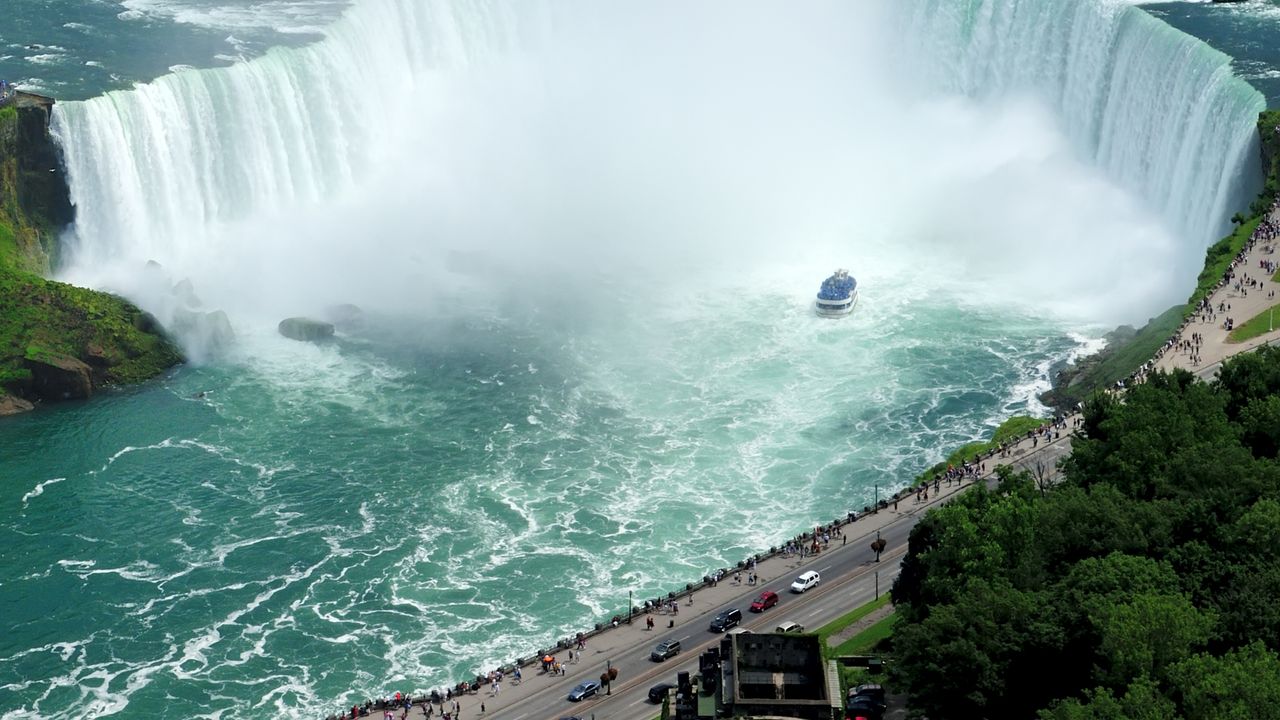
The great inland seas of North America hold secrets that many travelers merely skim over. To truly understand these waters, one must look beyond the shoreline. Embark on a sophisticated Great Lakes cruise designed for the curious traveler. Guided by Smithsonian lecturers, this boutique voyage blends luxury with scholarly insights. It is a journey that feels less like a vacation and more like an immersive seminar in motion, where the air smells of cool pine and the history is as deep as the cold blue basins themselves.
The Smithsonian Difference: Expert-Led Enrichment
What separates these voyages from a standard Great Lakes cruise is the commitment to lifelong learning. Onboard, the atmosphere is intellectually vibrant. Instead of typical cruise entertainment, the evenings are filled with scholarly insights shared by historians and geographers. These experts do more than recite dates; they weave narratives that bring the landscapes to life. Through this partnership with Ponant, guests gain a deeper understanding of the ecological challenges and cultural triumphs of the region.
When comparing a Smithsonian Journeys vs Viking Great Lakes cruise comparison, the Smithsonian experience often appeals to those seeking a more academic focus. The small ship Great Lakes cruise benefits and features include an intimate setting where you can chat with experts over dinner. These educational Great Lakes cruises offer a level of access that larger liners cannot provide, turning every deck-side conversation into a moment of discovery.
Expert Spotlight
Carrie Sowden: A renowned maritime archaeologist, Sowden provides guests with a technical look at the shipwrecks hidden beneath the waves. Her lectures turn the dark waters of Lake Erie into a gallery of history. David Catlin: A geographer and naturalist who helps guests interpret the shifting boreal forests and the complex ecosystems of the archipelago.
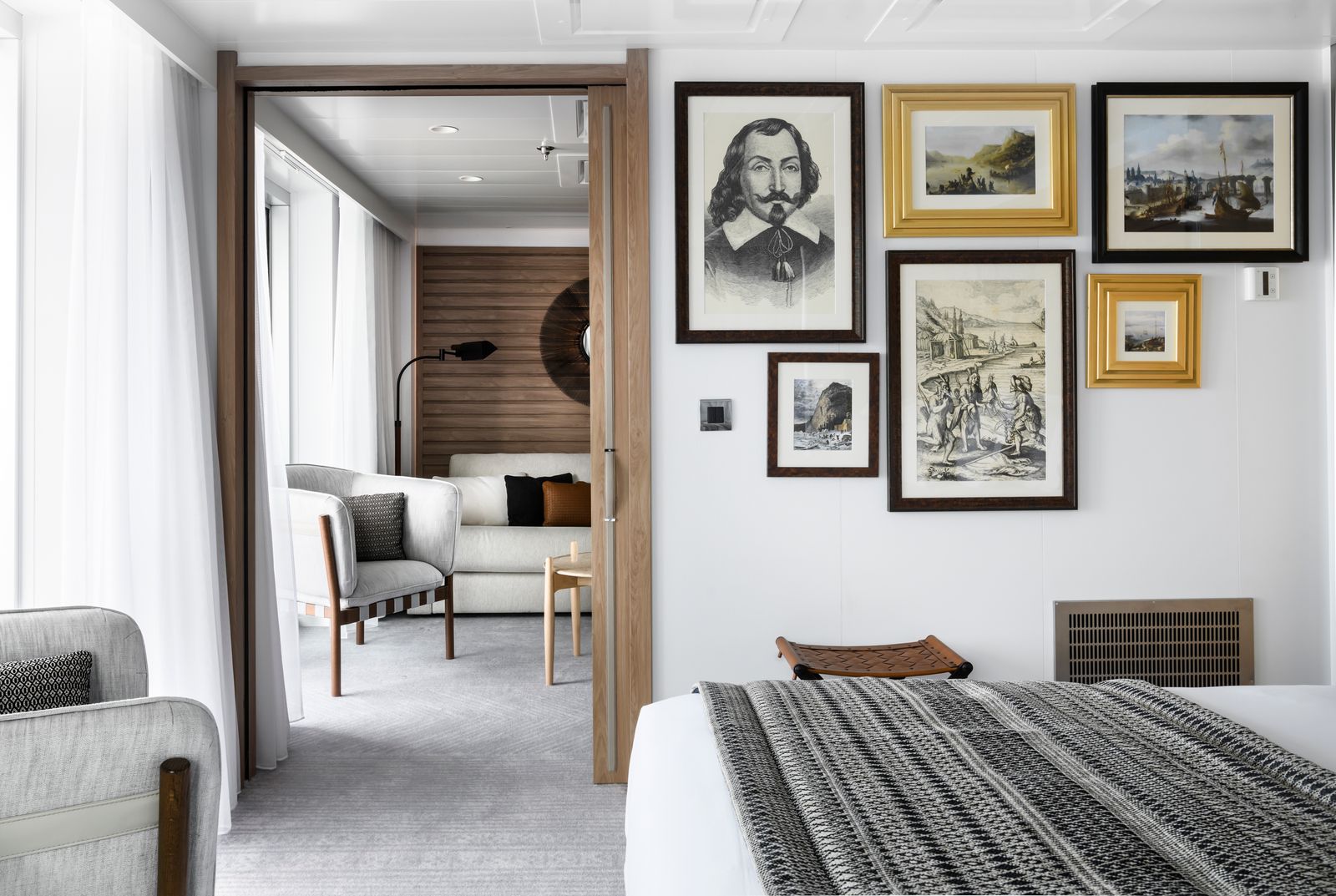
Engineering Marvels: Navigating the Welland Canal
One of the most profound moments of the trip occurs when the ship enters the Welland Canal. This massive undertaking of hydraulic engineering allows vessels to bypass the impassable Niagara Falls. The Smithsonian Journeys program 'A Voyage Along the Great Lakes' is an 8-night expedition aboard a luxury small ship, typically carrying up to 184 passengers and featuring two dedicated subject-matter experts.
The transit through the canal is a masterclass in navigation. Over roughly twelve hours, the ship passes through a series of eight locks that lift the vessel 326 feet from Lake Ontario to Lake Erie. Passengers often gather in the panoramic lounges or on the outer decks to watch the process. Seeing the massive steel gates close and the water level rise with silent power is one of the classic Welland Canal cruise highlights. This transit is not just about moving from one lake to another; it is about witnessing the triumph of human ingenuity over the imposing Niagara Escarpment.
Maritime History and the Legacy of Shipwrecks
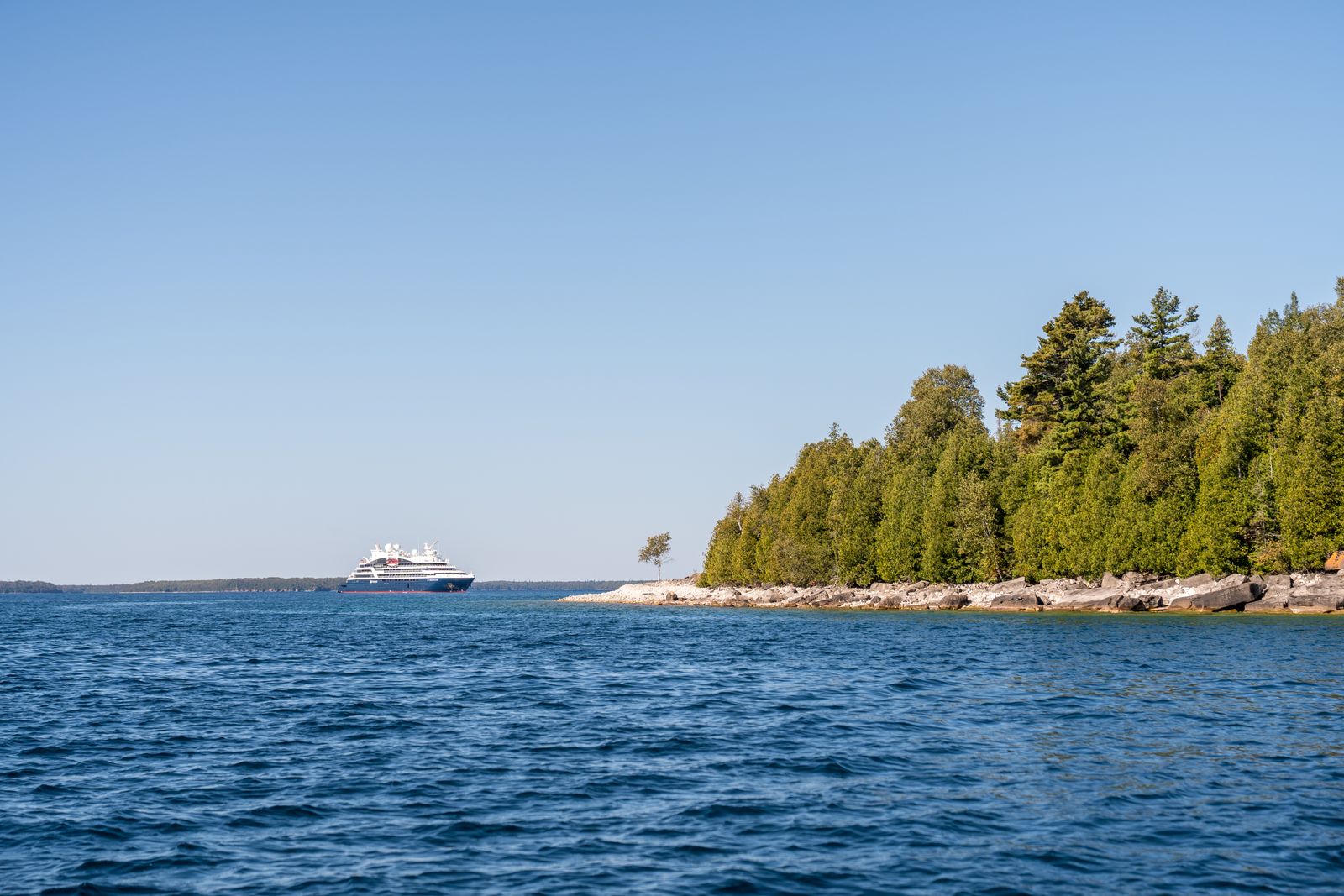
These inland seas are not just bodies of water; they are a vast graveyard of stories. For those interested in Great Lakes maritime history travel, the itinerary offers unmatched depth. The voyage explores Lake Erie and Lake Huron, where the history of the fur trade and early exploration is still palpable.
- Maritime Archaeology: Experts explain how the cold freshwater preserves shipwrecks with startling clarity.
- The Henry Ford Museum: During a stop in Detroit, travelers can see the JFK limousine and other artifacts that shaped the American narrative.
- SS Valley Camp: At Sault Ste. Marie, the museum ship houses lifeboats from the legendary Edmund Fitzgerald, providing a sobering look at the power of the Great Lakes storms.
Navigating the Welland Canal locks on a cruise ship is only the beginning. As you cross the open waters, experts might discuss the tragic SS Eastland disaster or the industrial evolution of the Great Lakes shipping routes. These Great Lakes maritime history tour highlights for cruisers provide a narrative weight that transforms the scenery into a lived history.
Wilderness and Victorian Charm: From Georgian Bay to Mackinac
The landscape shifts beautifully as the ship sails north. The voyage explores vital ecological and historical sites, including Manitoulin Island, which is recognized as the largest freshwater island in the world. Here, guests engage with indigenous heritage and learn about the traditions of the Anishinaabe people. The rugged beauty of the boreal forests and the white quartzite cliffs of the UNESCO Biosphere Reserve in Georgian Bay offer a stark contrast to the refined ports of the south.
Then, there is Mackinac Island. Stepping off the ship here is like stepping back into the Gilded Age landmarks of the 19th century. With no cars allowed on the island, the sound of horse hooves on pavement replaces the hum of engines. One of the top Mackinac Island shore excursion tips for cruise passengers is to take a horse-drawn carriage tour that ends at the Grand Hotel. The Victorian architecture and the scent of wild lilacs make this port feel like a world apart from the modern cities left behind.
Life Onboard: Small Ship Luxury
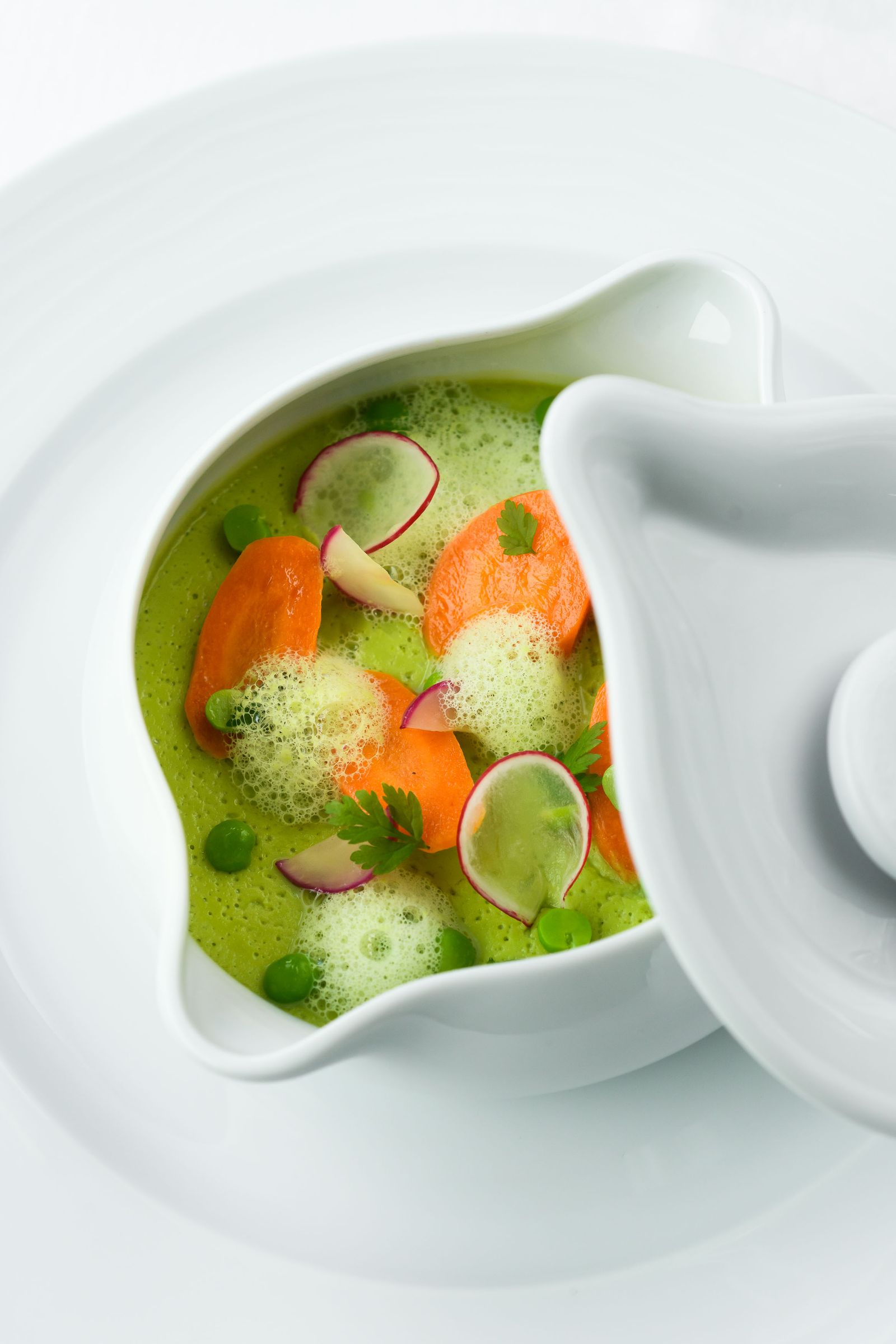
While the focus is often on the destinations, the experience of boutique voyages on a Ponant ship is a highlight in itself. These vessels are designed to feel like private yachts. With fewer than 200 passengers, there is never a crowd. The ship features a cedar sauna, a heated saltwater pool, and refined dining rooms where every meal is treated like a cultural event.
Cruising between Toronto and Milwaukee on a vessel like Le Bellot allows for a seamless blend of expedition cruising and high-end comfort. Unlike massive ocean liners, these ships can dock in smaller ports, getting you closer to the heart of the destination. The small ship Great Lakes cruise benefits and features include personalized service and a quiet atmosphere that encourages reflection on the day's scholarly discoveries.
FAQ
Which cruise lines operate on the Great Lakes?
Major operators include Ponant (in partnership with Smithsonian Journeys), Viking Expeditions, and Pearl Seas Cruises. Each offers a different balance of luxury and education.
Are there small ship cruises on the Great Lakes?
Yes, the Great Lakes are ideal for small ship cruising. These vessels usually carry between 130 and 200 passengers, allowing them to navigate the locks and visit smaller, more historic ports.
What are the top ports of call on a Great Lakes cruise?
Popular stops include Mackinac Island for its Victorian charm, Niagara Falls via Port Colborne, and Manitoulin Island for its indigenous history and natural beauty.
Is a Great Lakes cruise worth the price?
For those who value expert-led enrichment and a high-end, all-inclusive environment, these cruises are considered a premium investment. They offer deeper historical and scientific access than standard travel options.
Can you cruise from Chicago to Toronto?
Yes, many itineraries run between Milwaukee (near Chicago) and Toronto. These voyages typically take 8 to 11 days and include a full transit of the four lower Great Lakes.