Quick Facts
- Best Time to Visit: Summer for the midnight sun and the 2026 Total Solar Eclipse; September to April for the Northern Lights.
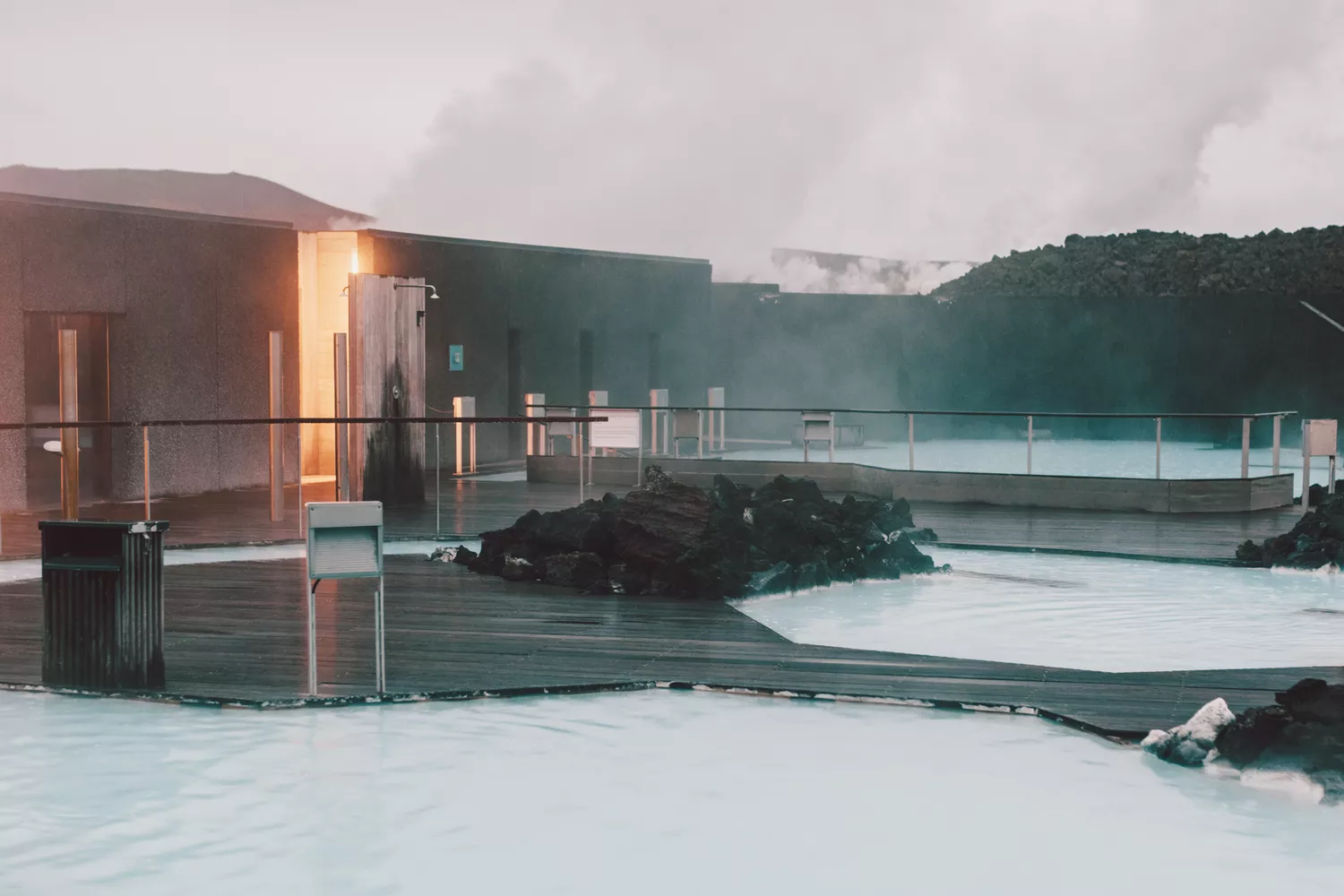
- Top Experiences: Exploring the Golden Circle, driving the Ring Road, and soaking in the Blue Lagoon.
- Photography Focus: High contrast landscapes, dramatic waterfalls, and basalt columns.
- Major 2026 Event: A Total Solar Eclipse will cross Iceland on August 12, 2026.
- Tourism Growth: International visitors reached 2.2 million in 2023, proving that Iceland attractions remain a global priority.
- Market Insight: The United States currently provides 27.5% of the total share of foreign travelers to the island.
- Transport: A 4x4 vehicle rental is highly recommended for navigating gravel paths and highland access.
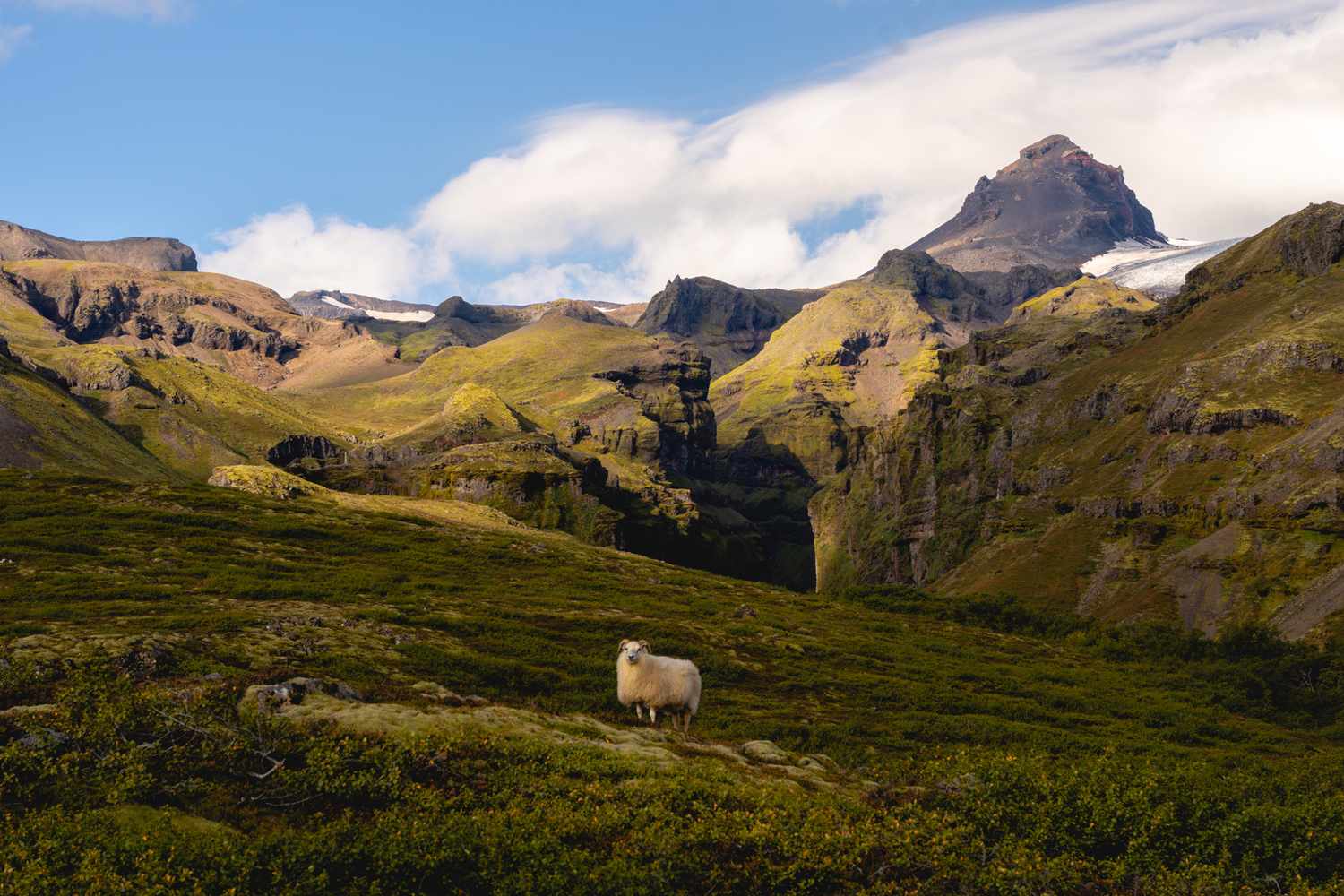
The most iconic Iceland attractions include the Blue Lagoon geothermal spa, Jökulsárlón Glacier Lagoon, and the Skógafoss waterfall. Visitors often prioritize the Golden Circle route to see the Strokkur geyser and Þingvellir National Park, alongside the striking basalt columns at Reynisfjara's black sand beach.
Why 2026 is the Ultimate Year for Iceland Attractions
If you have been waiting for the right moment to visit the land of fire and ice, 2026 is your year. We are currently approaching the Solar Maximum, which means the next two years will offer the most frequent and intense displays for an iceland winter sightseeing guide for northern lights. The sky will likely be dancing with vivid greens and purples more often than in the previous decade.
Furthermore, on August 12, 2026, Iceland will be one of the few places on Earth to witness a Total Solar Eclipse. This rare celestial event combined with the midnight sun makes the summer of 2026 peak season for photographers and nature lovers alike. New infrastructure is also opening, such as the Reykjaböð spa in the North, ensuring that even as visitor numbers grow, there are always fresh ways to experience the country. Whether you are aiming for the perfect long-exposure shot of a waterfall or a drone view of vast lava fields, the conditions have never been better.
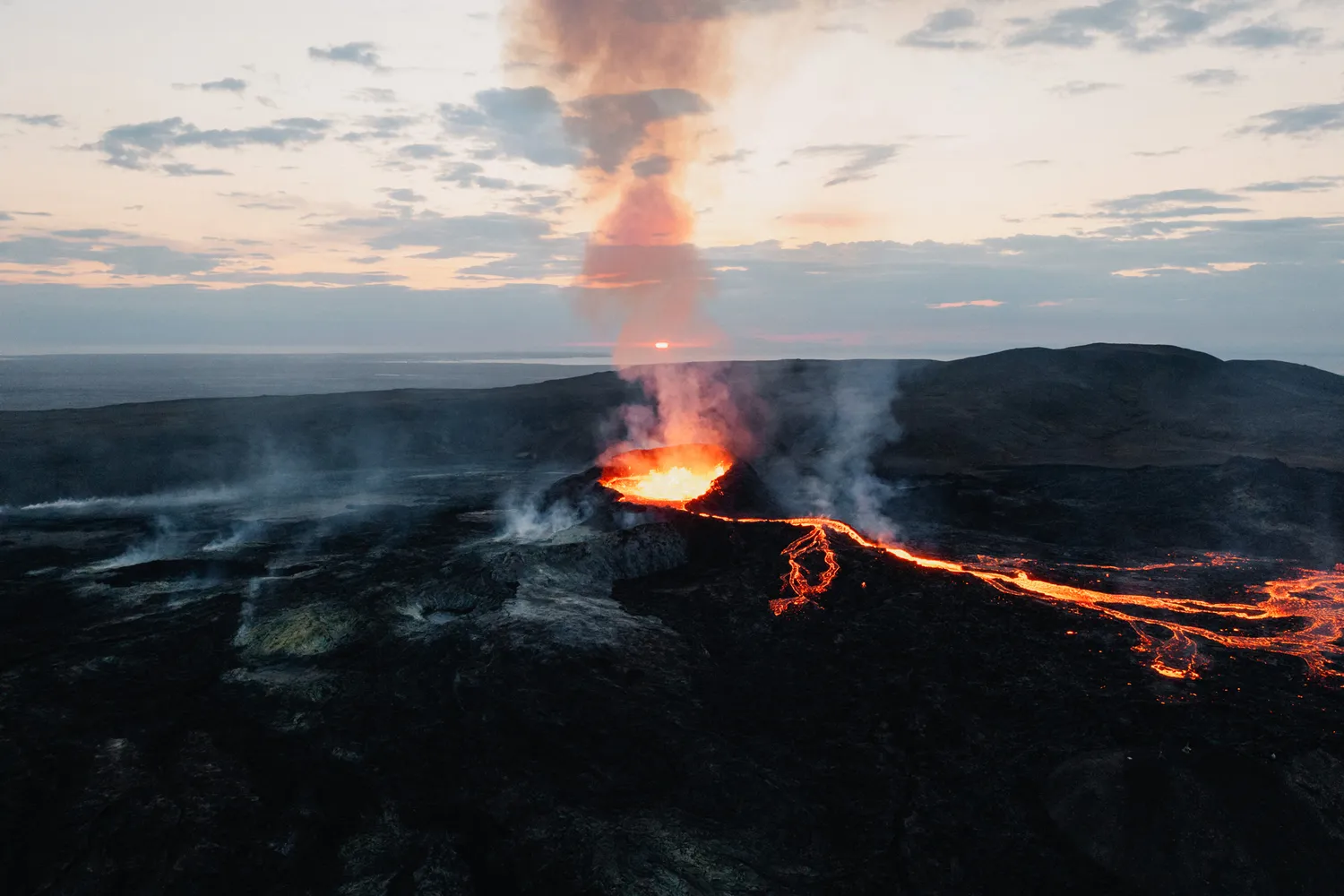
1. The Golden Circle: Iconic First Stops
For those looking for the best iceland attractions for first-time visitors, the Golden Circle is the logical starting point. This 300-kilometer loop starts and ends in Reykjavik, offering a condensed version of Iceland's geological wonders in a single day.
- Þingvellir National Park: This is where you can literally walk between two tectonic plates. It is the site of Iceland's first parliament and a UNESCO World Heritage site. The rift valley created by the separation of the North American and Eurasian plates provides incredible depth for landscape photography.
- Geysir Geothermal Area: While the "Great Geysir" is mostly dormant, its neighbor Strokkur erupts every five to ten minutes. It sends a pillar of boiling water up to 30 meters into the air.
- Gullfoss Waterfall: Known as the Golden Falls, Gullfoss is a massive two-tiered cascade. On sunny days, the mist creates constant rainbows, which is why it remains one of the top places to visit in Iceland.
Alex's Pro Tip: At Þingvellir, head to the Silfra fissure. The water is so clear that you can see over 100 meters down. Use a circular polarizer filter to cut through the surface reflection and capture the deep blue hues of the underwater canyon.
2. South Coast Wonders: Waterfalls and Black Sands
The South Coast is arguably the most visual part of the country. As you drive along Route 1, the landscape shifts from lush farmland to dramatic cliffs and vast black sand plains. This region is home to some of the most scenic photography spots in iceland.
- Seljalandsfoss: This is the famous waterfall you can actually walk behind. The cave-like opening provides a unique frame for the falling water.
- Skógafoss waterfall: A perfectly rectangular curtain of water that drops 60 meters. It is incredibly powerful and offers a staircase to the top for a different perspective on the surrounding coastal plains.
- Reynisfjara Black Sand Beach: Famous for its massive basalt columns and the Reynisdrangar sea stacks. Please be careful here; the sneaker waves are unpredictable and dangerous.
- Dyrhólaey: A massive promontory with a giant sea arch. It is a fantastic spot to see puffins during the summer months.
- Sólheimajökull Glacier: This an outlet glacier where you can actually hike on the ice. The mix of bright white ice and black volcanic ash creates a monochromatic dream for photographers.
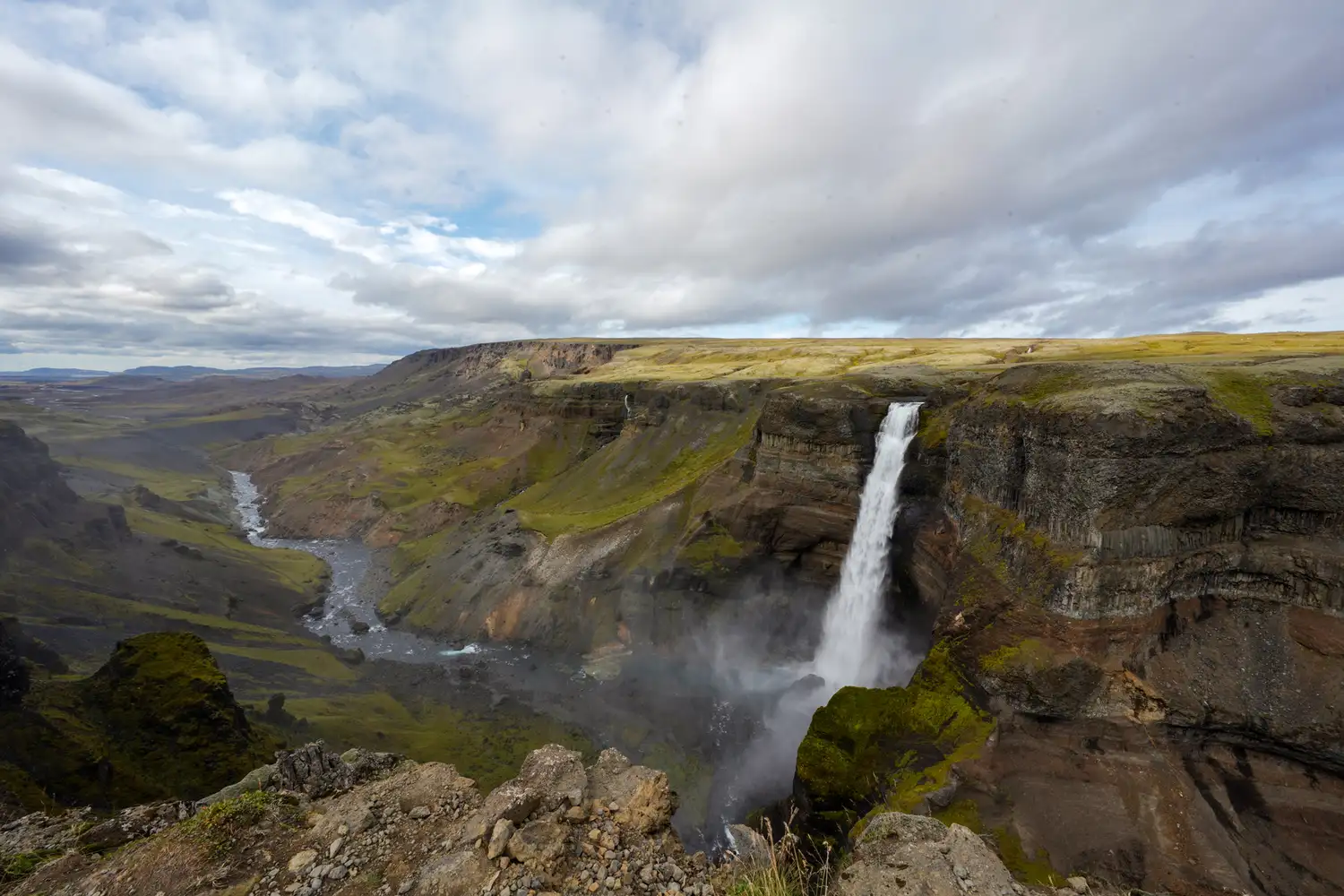
Alex's Pro Tip: For Skógafoss waterfall, arrive before 8:00 AM. The morning light hits the water at an angle that maximizes the chance of a double rainbow. If you have a tripod, a 1-second shutter speed will turn the water into a silky texture without losing all the detail.
3. The Southeast: Glaciers and Diamond Beaches
As you continue east, the ice starts to dominate the landscape. This area provides the most iconic iceland ring road attractions for a 10-day trip. You will find yourself dwarfed by the scale of the Vatnajökull ice cap, the largest in Europe.
- Jökulsárlón Glacier Lagoon: Seeing giant blue icebergs float toward the sea is a spiritual experience. Most of these icebergs have broken off from the Breiðamerkurjökull glacier.
- Diamond Beach: Located right next to the lagoon, here the icebergs wash up on the black sand like giant crystals. The contrast of clear ice on jet-black sand is unparalleled.
- Vatnajökull National Park: A sprawling wilderness that covers 14% of the country. It is a hub for ice caving and technical glacier climbing.
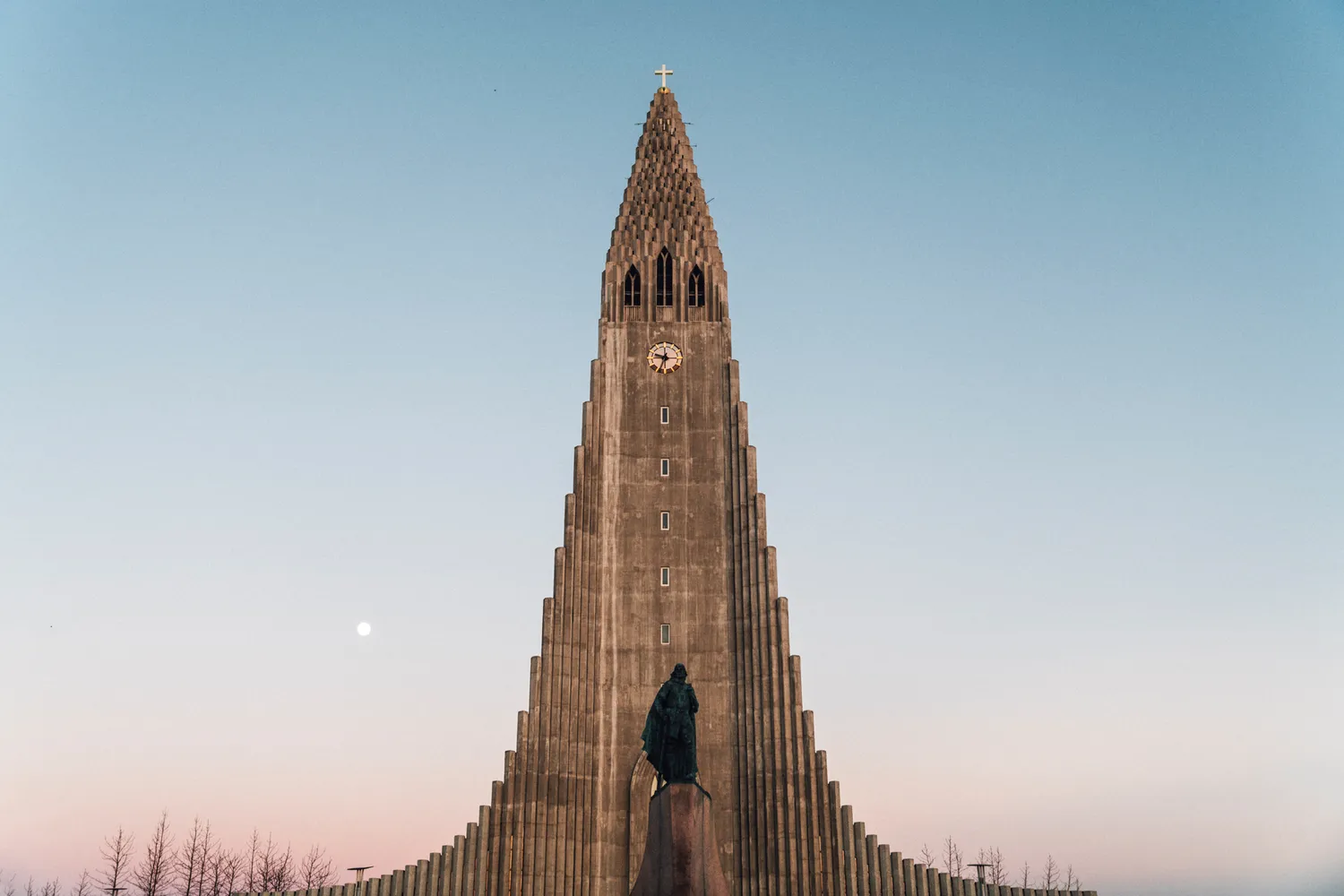
- Skaftafell Nature Reserve: Part of the national park, this area features Svartifoss, a waterfall surrounded by dark, hexagonal basalt columns that inspired the architecture of Reykjavik’s main church.
- Vestrahorn: Often called the Batman Mountain, this jagged peak on the Stokksnes peninsula is a favorite for professional photographers due to the reflections often found in the shallow waters on the beach.
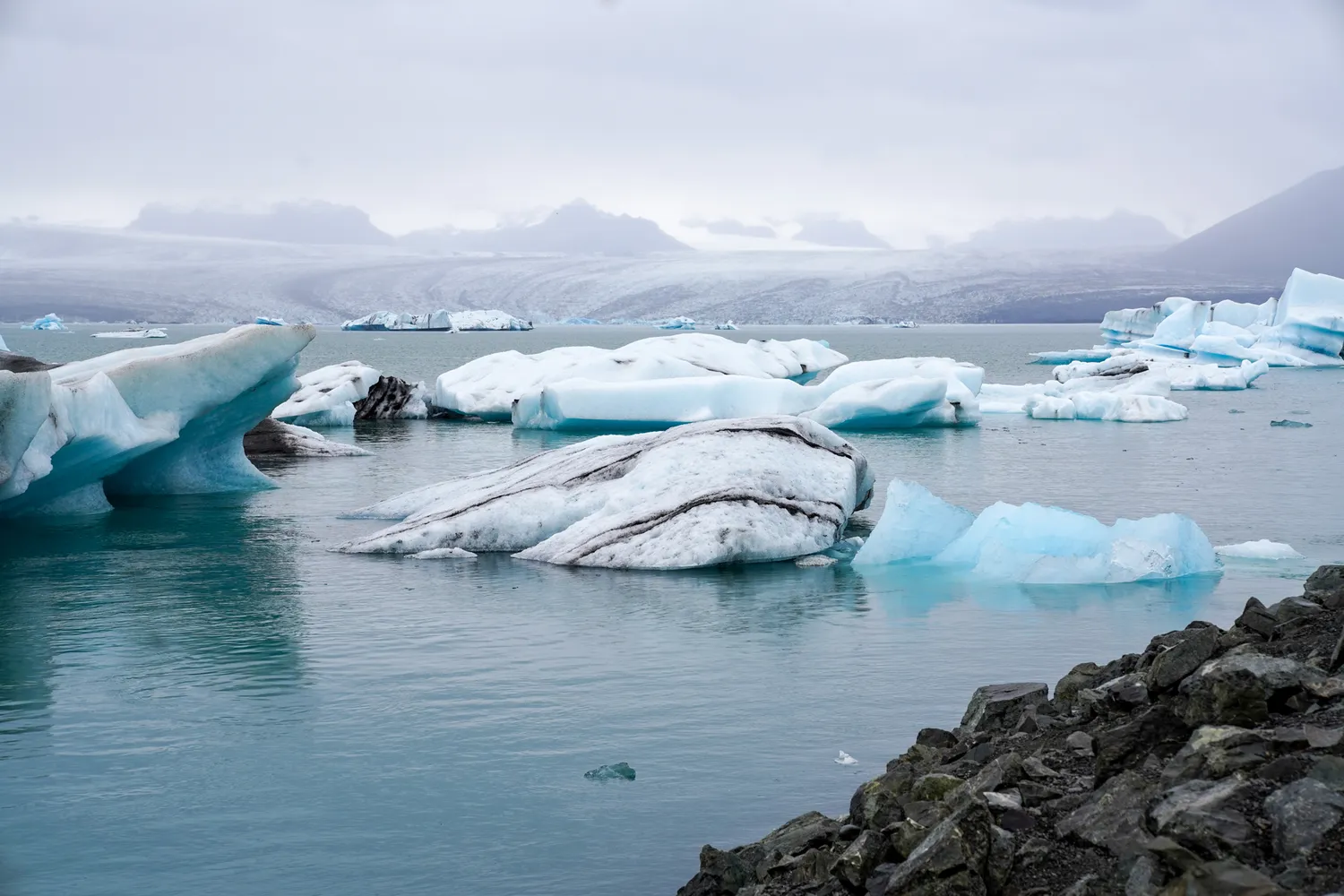
Alex's Pro Tip: On Diamond Beach, use a low tripod setting. Wait for a wave to recede and use a shutter speed of about 0.5 seconds to capture the "streaking" effect of the water moving around the ice chunks.
4. North Iceland and the East Fjords
If the South is about drama, the North and East are about solitude and raw geology. This is where you escape the crowds and find more remote Iceland attractions.
- Seyðisfjörður: A picturesque town in the East Fjords known for its blue church and the rainbow-painted path leading to it. It is nestled between towering mountains and serves as a cultural heart for the region.
- Dettifoss: Europe’s most powerful waterfall. The sheer volume of water crashing into the canyon is enough to make the ground shake beneath your feet.
- Lake Mývatn: A volcanic lake surrounded by bizarre lava fields and craters. It is a haven for birdwatchers and those interested in geothermal activity.
- Hverir Geothermal Area: Located near Mývatn, this is a landscape of boiling mud pools and steaming fumaroles. The earth here is stained in shades of orange, yellow, and red.
- Goðafoss: Known as the Waterfall of the Gods, this horseshoe-shaped cascade is as elegant as Dettifoss is powerful.
- Akureyri: Often called the Capital of the North, this harbor city offers fantastic dining and serves as the perfect base for northern exploration.
- Whale watching tours in Húsavík: This charming town is considered the whale watching capital of Europe. In the summer, your chances of seeing humpback whales are nearly 100%.
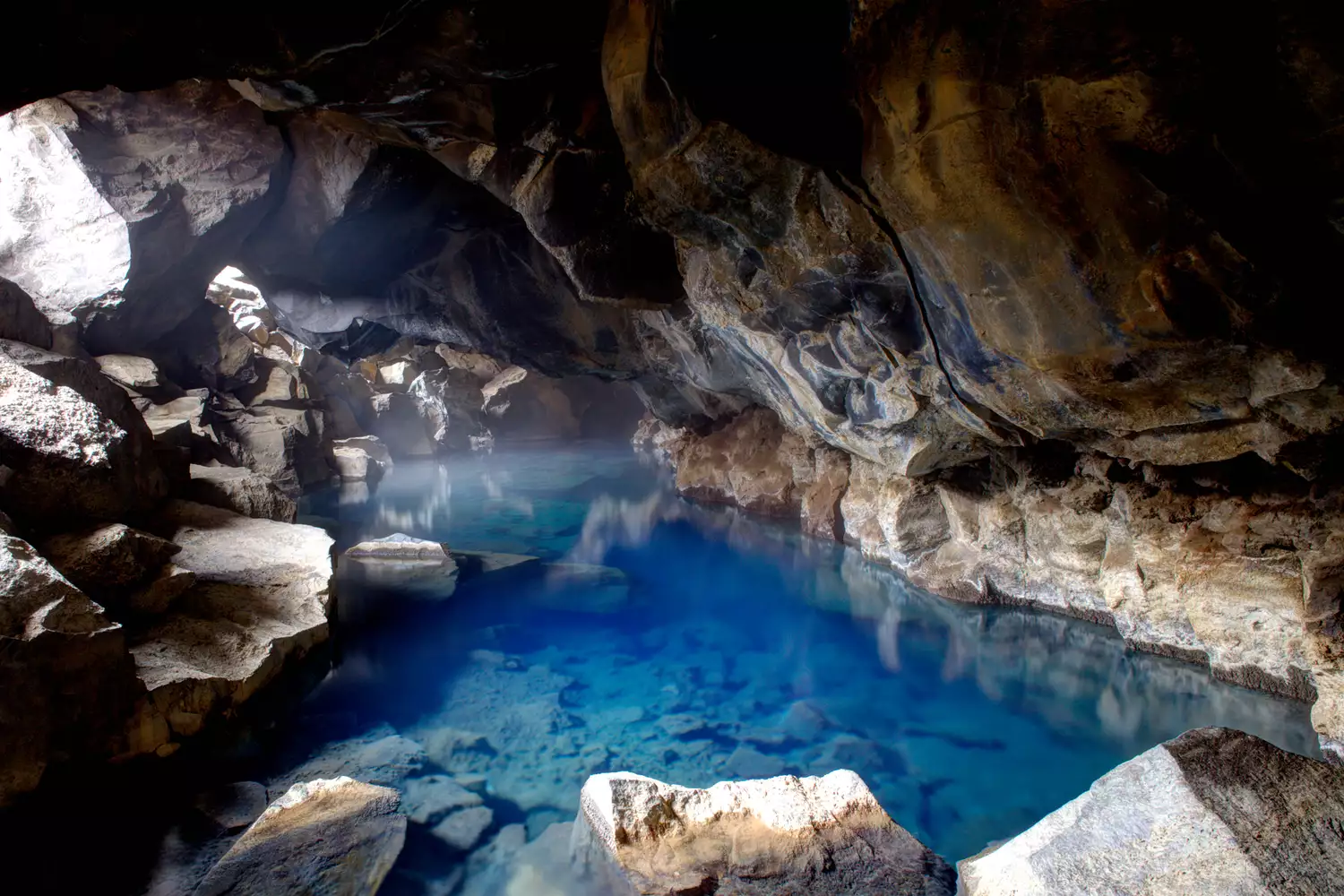
Alex's Pro Tip: When visiting the Hverir mud pools, keep your camera lens covered until you are ready to shoot. The sulfurous steam can leave a residue on your glass. The colors here are best captured during the blue hour when the warm tones of the earth contrast with the cool sky.
5. West Iceland and the Snæfellsnes Peninsula
The Snæfellsnes Peninsula is often called Iceland in Miniature because it contains almost every type of landscape the country offers—volcanoes, glaciers, lava fields, and fishing villages—all in one manageable area.
- Kirkjufell: This arrowhead-shaped mountain is likely the most photographed mountain in the country. It was even featured in Game of Thrones.
- Arnarstapi: A small fishing village with spectacular coastal cliffs and natural stone arches. The walk along the cliffs provides great views of the crashing Atlantic waves.
- Snæfellsjökull: A glacier-capped volcano that served as the entrance to the center of the earth in Jules Verne’s famous novel.
- Deildartunguhver: Europe's most powerful hot spring. It pumps out 180 liters of boiling water per second, which is used to heat nearby towns.
Alex's Pro Tip: For Kirkjufell, don't just shoot the mountain. Use the three small waterfalls (Kirkjufellsfoss) across the road as your foreground. It is the classic composition for a reason—it creates a perfect leading line toward the peak.
6. Reykjavik Culture and Hidden Gems
No Iceland sightseeing guide would be complete without spending time in the capital. While the natural sights are the main draw, the urban culture of Reykjavik is vibrant and creative.
- Hallgrímskirkja Church: This is the city's most recognizable landmark. Its design was inspired by the basalt columns found across the Icelandic landscape. You can take an elevator to the top for a 360-degree view of the city’s colorful rooftops.
When you are not hunting for the perfect shot, look for budget friendly free things to do in iceland within the city. Walking through the Harpa Concert Hall to admire its glass facade or exploring the street art in the downtown core costs nothing. For food, try the local seafood or the famous Icelandic hot dog. If you are feeling adventurous, you can even sample fermented shark, though most locals prefer the fresh Atlantic cod.
FAQ
What are the best places to visit in Iceland for the first time?
For first-timers, the Golden Circle is essential because it is close to Reykjavik and features diverse landmarks like the Geysir and Gullfoss. The South Coast is also highly recommended due to the accessibility of major waterfalls like Skógafoss and the black sand beach at Reynisfjara. These sites provide a great introduction to the country's geological variety without requiring long, difficult drives.
How many days are enough to see Iceland's main attractions?
To see the main highlights around Reykjavik and the South Coast, 4 or 5 days are sufficient. However, if you want to complete the full Ring Road and explore the North and East Fjords, you will need at least 7 to 10 days. This allows for enough travel time to appreciate the changing scenery without spending every waking hour inside a vehicle.
What is the number one tourist attraction in Iceland?
Statistically, the Blue Lagoon is the most visited attraction in the country. This geothermal spa is famous for its milky blue, mineral-rich water and its proximity to the airport. It is often the first or last stop for travelers. However, among natural sites, the Golden Circle and the waterfalls of the South Coast remain the most popular destinations for guided tours and photography.
What are the must-see stops on the Golden Circle route?
The three primary stops are Þingvellir National Park, the Geysir Geothermal Area (home to the active Strokkur geyser), and the Gullfoss waterfall. Many travelers also add a stop at the Kerið volcanic crater or a soak in the Secret Lagoon in Flúðir to round out the experience.
Is it better to see Iceland in the summer or winter?
It depends entirely on your goals. Summer offers the midnight sun, warmer weather, and access to internal highland roads for hiking. It is the best time for a self-drive itinerary. Winter is better if you want to see the Northern Lights or explore blue ice caves. Keep in mind that winter travel requires more experience with driving in snow and wind, but it rewards you with fewer crowds at major Iceland attractions.
Do you need a car to reach the main tourist sites in Iceland?
While many tour companies offer day trips from Reykjavik to the Golden Circle and South Coast, having a car offers much more flexibility. A rental vehicle allows you to visit popular sites during off-peak hours to avoid crowds. For deep exploration of the North or the Westfjords, a car is practically a necessity. Always check road conditions daily, especially outside of the summer months.