Quick Facts
- Top Healing Archetype: Rishikesh in the North is the premier destination for emotional movement and specialized yoga retreats.
- Best for Physical Care: Kerala in the South offers restorative 21-day Ayurvedic panchakarma treatments to stabilize the nervous system.
- Symbolic Closure: Participation in the evening Aarti in Varanasi or a private boat ritual on Lake Pichola in Udaipur.
- Growth Trend: India currently ranks as the 7th largest wellness economy in the world, fueled by an 11.3% annual growth rate in traditional healing services.
- Travel Window: The optimal 2026 season for healing journeys is from November to March when the climate supports outdoor meditation and rituals.
- Spiritual Market: Spiritual and faith-based travel constitutes approximately 60% of India's total domestic tourism market, underscoring the country's deep-rooted infrastructure for the soul.
Travel for grief is never about running away; it is about finding a landscape big enough to hold the weight of your loss. India offers several sacred destinations specifically suited for processing loss, providing a sensory reset that shifts the focus from internal pain to external vibrancy, fostering deep psychological recovery through ritualistic ceremonies and somatic release.
The India Paradox: Breaking the Cycle of Rumination
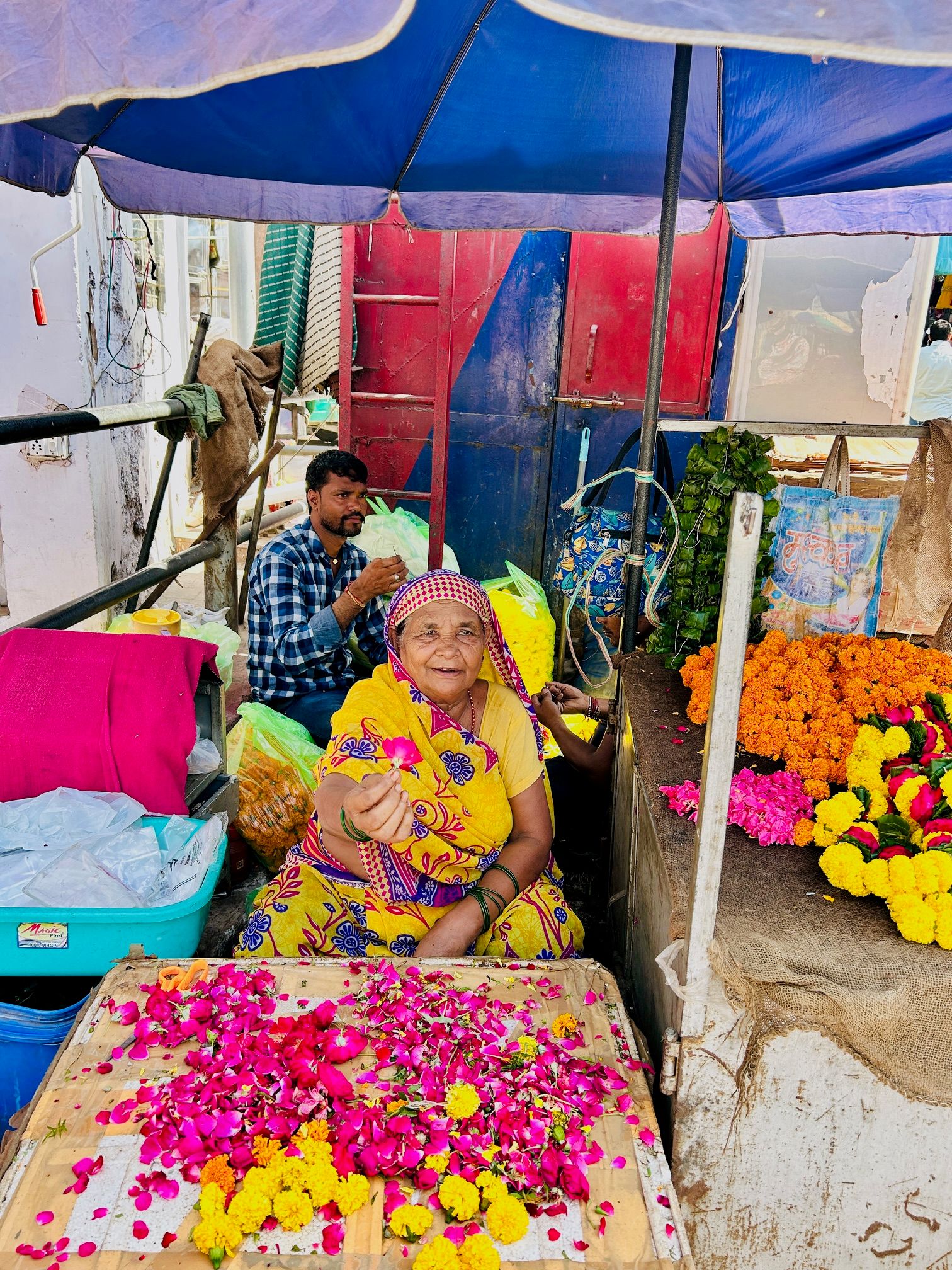
Grief is a circular room with no doors. You walk the perimeter of your memories, rehashing what was lost until the air becomes thin. To break this cycle, one requires a sensory interruption so profound that the mind has no choice but to return to the present. This is the India Paradox. In the chaotic, kaleidoscopic streets of Old Delhi or the bustling bazaars of Jaipur, the internal loop of sorrow is forcibly met with an external surge of cultural vibrancy.
The air in India doesn't just sit; it pulses. It smells of roasting cumin, marigold garlands, and the sharp tang of diesel. It sounds like the symphony of a thousand rickshaw bells and the rhythmic chanting from a nearby temple. For a heart stuck in the gray stasis of mourning, this sensory overload acts as a somatic catalyst. You cannot ruminate on the past when a wandering cow, a vibrant pink sari, and the steam from a clay cup of ginger tea demand your immediate attention.
Choosing solo travel for emotional healing in these vibrant hubs allows for a unique kind of mindful presence. You are forced to navigate, to communicate, and to exist in the "now." In this environment, the heavy blankets of grief are occasionally pulled back, revealing glimpses of a world that is still moving, still breathing, and still inviting you to take a seat at its table.
Moving through the Pain: Yoga Retreats and Somatic Release in Rishikesh
When the initial shock of loss transitions into the heavy, physical ache of long-term sorrow, many find themselves drawn to the foothills of the Himalayas. Rishikesh is not merely a town; it is a repository for collective hope. As a premier hub for spiritual retreats for loss, it offers a structured environment where grief is not something to be hidden, but something to be moved through.
The philosophy here revolves around the idea that grief is stored in the body—in the tight jaw, the shallow breath, and the closed hips. Specialized yoga retreats for grief and healing in Rishikesh use Hatha Yoga and Pranayama to gently unlock these physical vaults.
| Practice | Focus Area | Emotional Benefit |
|---|---|---|
| Heart-Opening Asanas | Chest and Shoulders | Releasing the "weight" of sadness |
| Deep Breathwork | Nervous System | Calming the fight-or-flight response |
| Transcendental Meditation | Mind | Creating distance from intrusive thoughts |
| Sound Healing | Vibrational | Shifting the internal frequency toward peace |
In Rishikesh, soul nourishment is found in the simple act of watching the Ganges flow. The river is a constant metaphor for impermanence. Sitting on the stone ghats, eating a simple meal of dal and soft rotis, you realize that emotional recovery is not a destination but a current. By engaging in these movement-based practices, travelers can find the resilience building necessary to carry their grief without being crushed by it.
Stillness and Care: Kerala’s Ayurvedic Path to Perspective
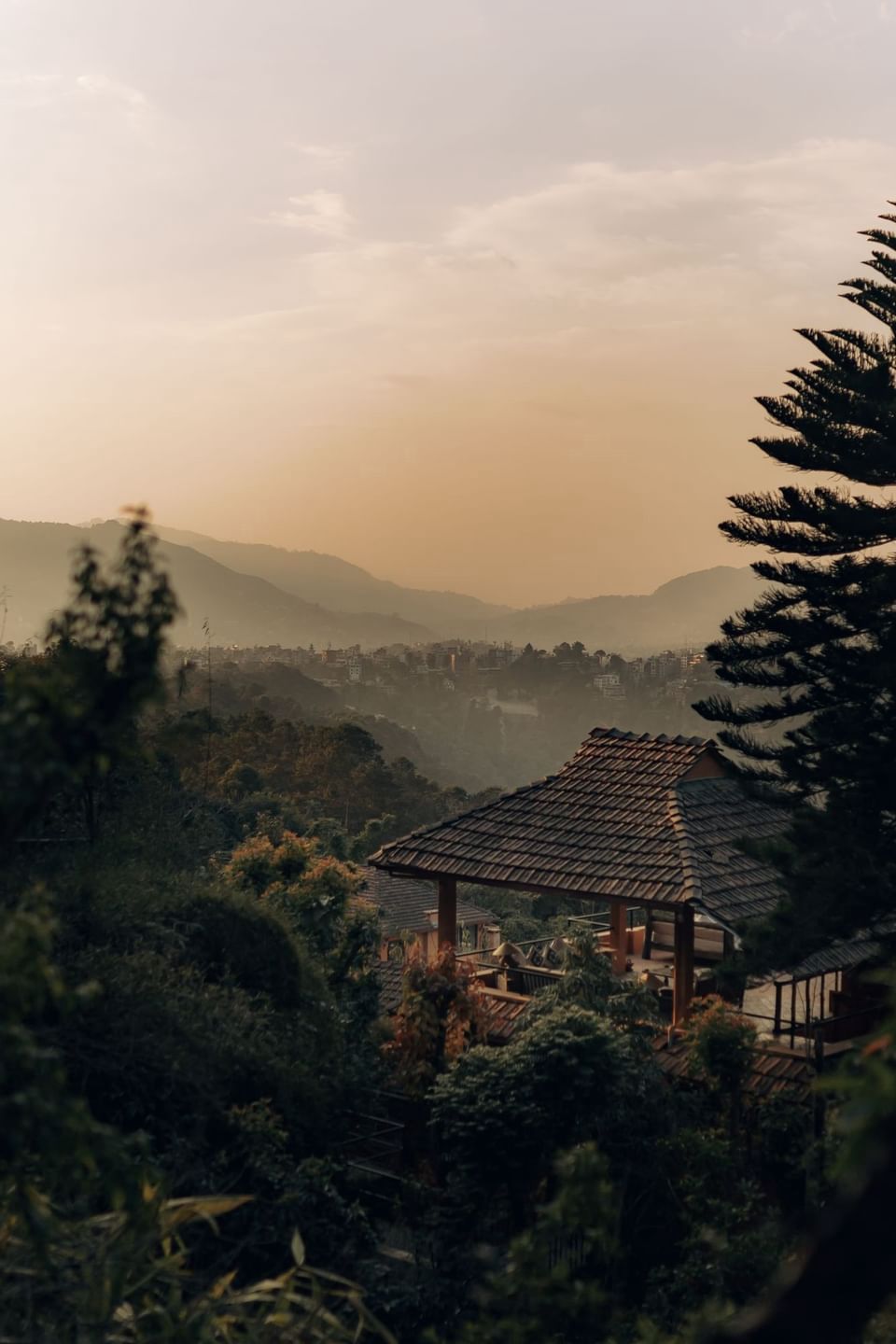
While the north offers movement, the south offers a profound, nurturing stillness. Kerala provides Ayurvedic healing and quiet introspection for those whose grief has left them physically and mentally depleted. Heartbreak is not just an emotional event; it is a physiological trauma that wears down the immune system and disrupts sleep.
The best time to visit Kerala for Ayurvedic healing is during the "cool" months of the 2026 season, particularly from November onwards. In sanctuaries like Six Senses Vana or the eco-retreats of the backwaters, the focus shifts to ritualistic cleansing and rebuilding the nervous system. Through Abhyanga (warm oil massage) and Shirodhara (the pouring of oil on the forehead), the body is coached back into a state of safety.
- Nervous System Regulation: Using ancient herbal oils to ground the frantic energy of anxiety.
- Nutritional Healing: Seasonal, plant-based diets that focus on mental well-being and gut health.
- Nature Immersion: Living among the lush palms and lagoons to reconnect with the rhythms of the earth.
In this landscape, healing travel destinations become a sanctuary where you are cared for when you can no longer care for yourself. The slow pace of Kerala allows for a perspective shifting moment where you see your life not as a broken line, but as a garden that requires a fallow season before it can bloom again.

Rituals of Release: Finding Symbolic Closure in Udaipur and Varanasi
One of the hardest parts of grief is the lack of a "final" action—a way to say goodbye when a thousand things were left unsaid. India excels in providing these tangible moments of release. In cities like Udaipur and Varanasi, travelers can participate in sacred Hindu ceremonies for processing loss in India that provide a profound sense of closure.
In Udaipur, the City of Lakes, the experience is one of ethereal beauty. You might take a boat onto Lake Pichola at sunset, releasing a leaf-boat filled with rose petals and a single candle into the water. This act of letting go of the candle is a transformative experience, symbolizing the release of the person or life you lost.
Varanasi, the spiritual heart of India, offers a more visceral existential reflection. Witnessing the cremation fires at the Manikarnika Ghat is an intense encounter with mortality. However, it is the Ganga Aarti—the nightly fire ceremony at Dashashwamedh Ghat—that offers the most healing. The collective chanting and the rhythmic waving of massive brass lamps create a vibration that makes you feel part of something much larger than your individual pain. Participating in these rituals allows for a psychological recovery that acknowledges death as a natural part of the cycle of life.

The Solo Seeker: Rebuilding Self-Reliance Through Navigation
For many, the loss of a partner or a loved one results in a loss of identity. Who am I without them? This is where solo travel for emotional healing becomes an act of radical self-retrieval. Navigating a country as complex as India requires a high degree of agency. When you successfully book a train ticket from Jaipur to Jodhpur or find a hidden café in the hills of Dharamshala, you are rebuilding the muscles of self-reliance.
India is currently ranked 9th for cultural resources and 6th globally for natural resources according to the World Economic Forum, meaning there is an endless tapestry of sights to keep a solo traveler engaged.
Practical Solo Travel Tips for Emotional Healing:
- Start Small: Use boutique heritage hotels in cities like Udaipur to have a safe, communal base.
- Hire Local Guides: Engaging with locals for food tours or temple walks provides human connection without the pressure of deep conversation.
- Carry a Journal: Documenting the "sensory shocks" helps in making sense of the inner landscape.
- Choose Community When Needed: Ashram stays provide a structured social environment with shared meals, preventing the isolation that can sometimes exacerbate grief.
By facing the small challenges of travel, you prove to yourself that you can survive the larger challenge of life after loss.

Reality Check: Preparing for the Intensity of Indian Healing
It is important to approach travel for grief in India with a clear-eyed understanding of the environment. India is not a sanitized sanctuary; it is a raw, honest portrayal of life and death. You will encounter noise, poverty, and logistical hurdles that can be triggering when you are in a vulnerable state.
The key is preparation. Ensure your itinerary allows for "buffer days" where you do nothing but rest. Invest in high-quality accommodations that offer a peaceful retreat from the street-level intensity. Remember that the goal is not to perform "happiness" for a camera, but to allow your grief to breathe in a different climate. India asks a lot of its visitors, but it gives back a sense of perspective that few other places on earth can match.
FAQ
Is it good to travel while grieving?
Yes, travel can be an effective way to process grief by removing you from a stagnant environment filled with painful reminders. It provides a new perspective and forces the mind to engage with the present moment, which can help break the cycle of rumination.
Does travel actually help with grief?
While travel does not "cure" grief, it serves as a powerful catalyst for healing. It offers opportunities for somatic release through movement, symbolic closure through rituals, and a renewed sense of self-reliance, all of which are critical components of psychological recovery.
What are the best types of trips for healing after loss?
Trips that balance structured activities with time for solitude are often best. This includes spiritual retreats for loss, nature-based wellness stays in Kerala, or culturally immersive journeys that include ritualistic elements like those found in Varanasi or Rishikesh.
How do you manage emotions while on vacation?
It is essential to allow yourself to feel whatever comes up without judgment. Don't force yourself to be a "happy tourist." Incorporate daily practices like journaling or meditation, and choose a destination that allows for quiet reflection when you feel overwhelmed.
Is it better to travel alone or with friends when grieving?
Solo travel for emotional healing is ideal for deep self-reflection and rebuilding independence. However, traveling with a very close, empathetic friend can provide a much-needed safety net. The choice depends on whether you currently crave solitude or supportive companionship.
What are grief retreats and how do they work?
A spiritual retreat for loss is a structured program designed to help individuals process bereavement. They typically combine mindfulness, specialized yoga for emotional release, group sharing, and ritualistic ceremonies to help participants navigate their sorrow in a safe and supportive atmosphere.
Through the vibrant energy of its cities and the profound stillness of its sanctuaries, India remains one of the world's most transformative destinations for those seeking to mend a broken heart. Whether through a sunrise ritual on the Ganges or a quiet week of Ayurvedic care in Kerala, the journey provides the soul nourishment required to step forward into a hopeful future.